The Seabrook of Hilton Head, a CCRC in Hilton Head Island, SC

Save

  • Interior

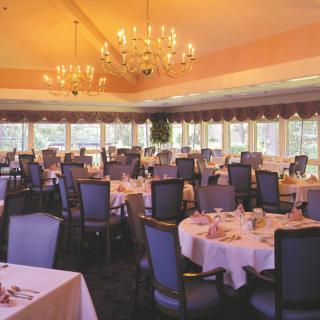
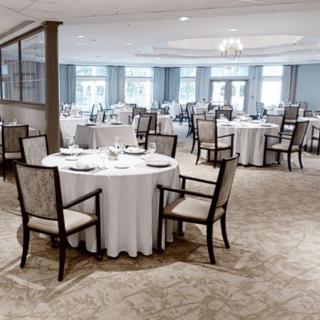
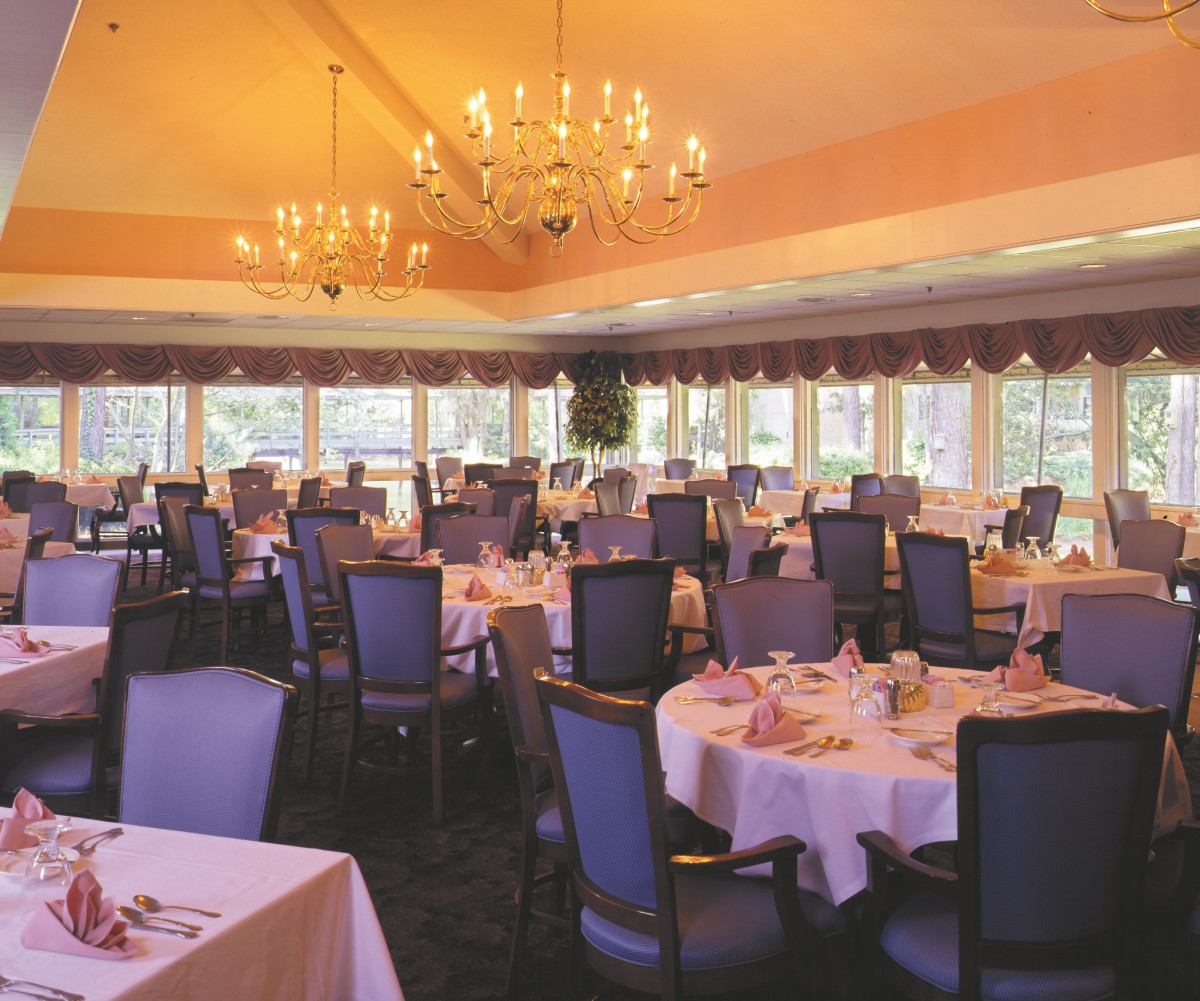
    An elegant dining room with chandeliers and neatly arranged tables and chairs.
  • Outdoors

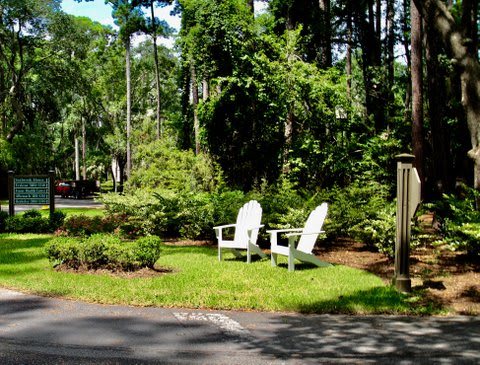
    A peaceful garden scene with two white chairs surrounded by lush greenery.
  • Building

    A serene view of a building surrounded by lush greenery and a pond with a fountain.
  • Trees

    A serene park landscape featuring a pond with a fountain surrounded by lush trees.
  • Landscaping

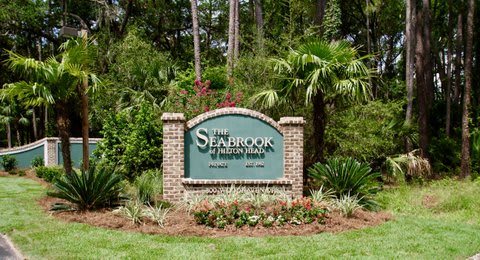
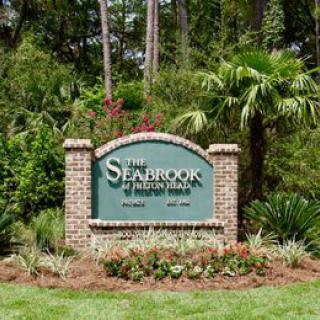
    Entrance sign for The Seabrook of Hilton Head surrounded by lush greenery.
  • Garden

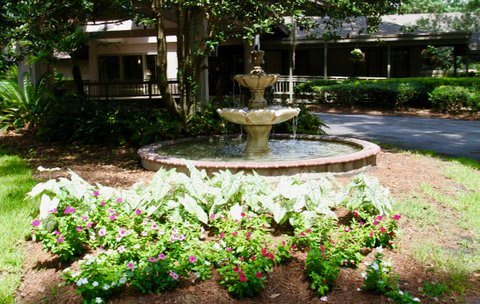
    A serene garden with a central fountain surrounded by lush greenery and blooming flowers.
  • Entrance

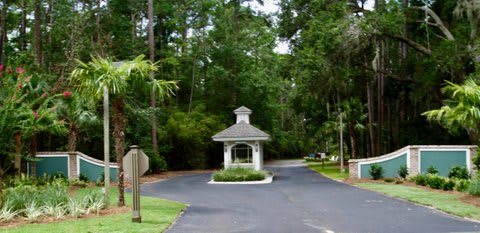
    A small guardhouse situated at the entrance of a driveway surrounded by trees.
  • Outdoor

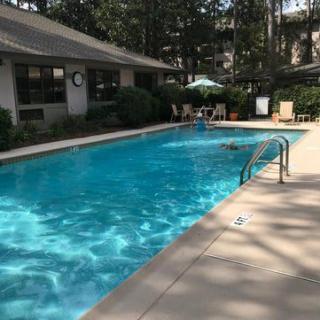
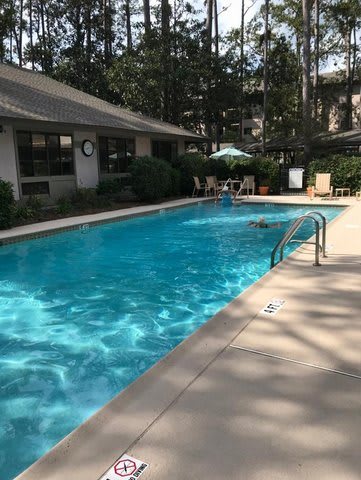
    A tranquil outdoor swimming pool surrounded by greenery and lounge chairs on a sunny day.

The Seabrook of Hilton Head, a CCRC in Hilton Head Island, SC

300 Woodhaven Dr, Hilton Head Island, SC 29928

For more information about senior living options: (844) 490-3973

4.8 from 60 reviews
5 stars
54
4 stars
4
3 stars
1
2 stars
0
1 stars
1

Independent Living

The Seabrook of Hilton Head, a CCRC Costs & Pricing

The Seabrook of Hilton Head offers competitive pricing for its residents compared to the broader market in Beaufort County and South Carolina as a whole. For instance, the monthly cost for a one-bedroom apartment at Seabrook is $1,749, significantly lower than the county average of $4,011 and the state average of $3,806. Similarly, studio apartments at Seabrook are priced at $2,000 per month, which also reflects a more affordable option when juxtaposed with Beaufort County's average of $3,635 and South Carolina's statewide figure of $3,649. Even for two-bedroom units, Seabrook's rate of $2,334 stands in contrast to higher averages of $4,530 in Beaufort County and $4,337 across South Carolina. This positioning not only underscores the value that The Seabrook provides but also highlights its commitment to offering quality living arrangements at accessible rates within an esteemed Continuing Care Retirement Community (CCRC) environment.

Floor plansThe Seabrook of Hilton Head, a CCRCBeaufort CountySouth Carolina
1 Bedroom$1,749$4,011$3,806
Studio$2,000$3,635$3,649
2 Bedrooms$2,334$4,530$4,337

Overall Review of The Seabrook of Hilton Head, a CCRC

Pros

  • pro The Seabrook provides a family-like environment where residents interact warmly and the staff are friendly and helpful.
  • pro It is a wonderful place to retire and call home.
  • pro Residents and staff are kind and supportive of one another.
  • pro There are many activities and opportunities to socialize.
  • pro Everyone is greeted with a friendly hello.
  • pro The dining is surprisingly good and a point of pride at Seabrook.
  • pro The staff are punctual, respectful, and hospitable.
  • pro The community is beautiful, with well-kept gardens, spacious common areas, and inviting d?cor.
  • pro Seabrook has a vibrant, engaging atmosphere with friendly residents and plentiful activities.
  • pro Dining, with delicious meals served in a warm, communal setting, is a highlight.
  • pro The campus is minutes from the beach, with easy access and beautiful surroundings.
  • pro Seabrook is a community where residents and staff form lasting bonds and care is a top priority.

Cons

  • pro The Seabrook is a skilled nursing community, though, so not a good long-term living choice.

Review

The Seabrook of Hilton Head is best suited for active seniors who want a warm, family-like community on Hilton Head Island with easy access to water life and a robust social calendar. It works particularly well for residents who value meaningful interaction, well-maintained grounds, and a continuum of care that can grow with need. The five-building campus with elevated, weather-protected walkways makes movement between residences simple in any season, reinforcing independence rather than confinement. Dining and activities are embedded into daily life, not tacked on as extras, which helps residents stay connected and purposeful. In short, this is a true retirement campus where belonging, not merely shelter, drives the experience.

For those who may want alternatives, considerations arise for seniors who anticipate needing sustained, high-acuity medical care outside a lively social setting, or who prefer a quieter, more solitary environment with fewer organized events. While Seabrook's continuum is a strength, the emphasis on social activities, dining, and group outings may feel overwhelming to someone who desires privacy or a slower pace. Families should assess whether the desire for a vibrant social life aligns with current and projected care needs.

Pros in practice include a genuine sense of warmth from staff and residents, with consistently described friendliness, attentiveness, and a culture of mutual care. The dining program stands out - courteous service, a variety of high-quality options, and meals that feel like communal experiences rather than routine sustenance. The atmosphere is repeatedly described as welcoming and beautiful, with well-kept gardens, comfortable common areas, and thoughtfully designed apartments that balance privacy with connectivity. Accessibility is practical: covered walkways connect all buildings, making daily activities like library visits or workouts possible in any weather. Transportation to outings and beach access contribute to a lifestyle that feels both active and convenient. The staff's responsiveness across nursing, dining management, and activities coordination reinforces a sense of security and ongoing support.

The main caveat surfaces when considering long-term care trajectory. One reviewer notes that, while Seabrook excels for current needs, it is a skilled nursing community as well, which means the long-term plan should account for evolving care requirements. For a resident who intends to remain in a single configuration indefinitely, there may be better matches elsewhere; Seabrook thrives as a continuum, but that may feel less ideal if the goal is a pure, long-term independent living arrangement without changing care levels. Overall, the positives greatly outweigh this caveat, but a realistic discussion about future care needs is essential.

Prospective residents should test the environment through strategic visits: schedule meals with visitors to gauge dining atmosphere, talk to multiple staff members about care transitions, and ask how often care levels shift and how easy it is to move within the campus. Observe how quickly staff respond during routines like dining service or maintenance requests. Explore the calendar of activities and speak with current residents about pace and expectations for social involvement. Check contract details around future care options and verify what is included in monthly fees versus add-ons for transportation, events, or health services. The campus's proximity to beaches, the availability of chauffeured transportation, and the practical value of the covered walkways are not mere conveniences; they shape daily life and should be tested during tours.

When seeking a vibrant, engaging, and well-supported senior living option on Hilton Head Island, Seabrook stands out as a top-tier choice for independent and assisted living within a true continuum. It delivers a warm, family-like culture, exceptional dining, plentiful activities, and a campus designed for year-round use. The strongest case is for residents who want to grow within a supportive environment without sacrificing social connectedness or access to care as needs evolve. Acknowledge the continuum nature and plan accordingly if long-term expectations include staying in one care tier; for many families, Seabrook's blend of beauty, community, and proactive staff makes it the ideal place to begin a well-rounded, active retirement. Alternatives are worth considering if the priority shifts toward quieter living, lower ongoing costs, or long-term high-acuity needs beyond assisted living.

Features

Types of Care

  • Independent Living Independent LivingIndependent living communities are important for seniors because they offer a safe and supportive environment where older adults can live independently while still having access to amenities and services that enhance their quality of life. These communities provide social opportunities, recreational activities, and assistance with daily tasks, promoting overall well-being and allowing seniors to maintain their independence for as long as possible.

Pets

  • Cats allowed Cats allowed"Pet friendly" senior living communities are important for seniors because pets provide companionship, reduce feelings of loneliness and depression, promote physical activity and mental stimulation, and offer a sense of purpose and responsibility. Pets can improve overall well-being and quality of life for seniors in many ways.
  • Dogs allowed Dogs allowed"Pet friendly" senior living communities are important for seniors because pets provide companionship, reduce feelings of loneliness and depression, promote physical activity and mental stimulation, and offer a sense of purpose and responsibility. Pets can improve overall well-being and quality of life for seniors in many ways.

Amenities

  • Activities off-site Activities off-siteEngaging in off-site activities is crucial for seniors to maintain social connections, stay active, and stimulate their minds. It promotes overall well-being and helps combat feelings of isolation and loneliness.
  • Activities on-site Activities on-siteActivities on-site are important for seniors because they provide opportunities for socialization, mental stimulation, physical activity, and overall well-being. Engaging in activities can help seniors stay active, maintain their independence, and improve their quality of life.
  • Air-conditioning Air-conditioningAir conditioning is important for seniors as they are more vulnerable to heat-related illnesses and may have underlying health conditions that make it difficult for them to regulate their body temperature. It helps to keep them comfortable, safe, and healthy in hot weather.
  • Bath tubs Bath tubsBath tubs are important for seniors because they provide a safe and relaxing way to bathe, helping to prevent slips and falls while promoting independence and overall well-being.
  • Beautician on-site Beautician on-siteHaving a beautician on-site at a senior living community is important for seniors as it allows them to easily access grooming and personal care services, boosting their self-esteem and overall well-being. It also provides convenience and helps seniors maintain their sense of independence and personal style.
  • Cable or satellite TV Cable or satellite TVCable or satellite TV is important for seniors because it provides entertainment, news, and companionship, helping to combat loneliness and boredom. It also offers a wide range of programming options tailored to different interests and preferences.
  • Devotional services off-site Devotional services off-siteDevotional services off-site are important for seniors as they provide spiritual nourishment, social engagement, and a sense of community outside of the senior living facility. This can enhance overall well-being and help combat feelings of isolation and loneliness often experienced by older adults.
  • Devotional services on-site Devotional services on-siteDevotional services on-site provide seniors with spiritual support and a sense of community, as well as an opportunity for reflection and guidance during their senior living experience. This can promote emotional well-being and connection to others, leading to a more fulfilling and enriching lifestyle in their later years.
  • Full kitchen Full kitchenHaving a full kitchen in a senior living facility is important for seniors because it allows them to maintain their independence and prepare their own meals. This promotes healthy eating habits, saves money on dining out, and provides a sense of familiarity and comfort for residents.
  • Ground floor units Ground floor unitsGround floor units are important for seniors because they provide easy accessibility, reduced risk of falls and injuries, and convenience for those with mobility issues. Seniors can avoid climbing stairs or using elevators, making daily tasks and activities more manageable and enjoyable.
  • Handicap accessible Handicap accessible"Handicap accessible" amenities are crucial for seniors to ensure they can easily navigate and access facilities, services, and activities without barriers or limitations due to physical impairments. This promotes independence, safety, and inclusivity for seniors in senior living communities.
  • Indoor common areas Indoor common areasIndoor common areas are crucial for seniors as they provide a space for socialization, recreation, and community engagement, promoting overall well-being and reducing feelings of isolation and loneliness.
  • Outdoor common areas Outdoor common areasOutdoor common areas are important for seniors as they provide a space for socialization, physical activity, and relaxation. Being outside in nature can improve mood and overall well-being, while also encouraging movement and engagement with others. These spaces can help combat feelings of isolation and promote a sense of community among residents.
  • Respite or short term stays offered Respite or short term stays offeredRespite or short term stays provide seniors with a temporary solution when their regular caregiver is unavailable, offering them the opportunity to receive additional care and support during times of need, while also giving caregivers a chance to rest and recharge.
  • Swimming pool / hot tub Swimming pool / hot tubSwimming pools and hot tubs are important for seniors as they provide a safe and enjoyable way to stay active, improve mobility, reduce joint pain, and promote relaxation. Regular use of these amenities can contribute to overall well-being and quality of life for older adults living in senior communities.
  • Wi-Fi/high-speed internet available Wi-Fi/high-speed internet availableWi-Fi/high-speed internet is important for seniors to stay connected with loved ones, access online resources, and participate in virtual activities to combat feelings of loneliness and isolation. It also allows them to easily manage healthcare needs, access entertainment, and engage in lifelong learning opportunities.

Care Services

  • Ambulatory care Ambulatory care"Ambulatory care services provide essential medical support and treatment to seniors without requiring hospitalization, allowing them to maintain their independence and quality of life while managing chronic conditions or receiving routine medical care."
  • Diabetic care Diabetic careDiabetic care is crucial for seniors as they are more susceptible to developing diabetes due to aging and other health conditions. Proper management of diabetes can help prevent complications such as heart disease, vision loss, and nerve damage, improving the overall quality of life for seniors in senior living communities.
  • Medication management Medication managementMedication management is crucial for seniors to ensure they are taking the right medications at the correct dosages and times. This helps prevent adverse drug interactions, reduces the risk of medication errors, and promotes overall health and well-being. Proactive management also allows for adjustments as needed based on changing health conditions or new prescriptions.

Dining

  • Gluten-free Gluten-freeGluten-free options are important for seniors as they are more prone to digestive issues and dietary sensitivities. Offering gluten-free meal choices in senior living communities can help improve their overall health and well-being.
  • International cuisine International cuisineInternational cuisine is important for seniors because it offers a variety of flavors, ingredients, and cultural experiences that can help keep their meals interesting and enjoyable. Trying new dishes can also stimulate the senses and provide different nutrients that contribute to overall health and well-being. Additionally, exploring international cuisine can bring back fond memories of travels or childhood experiences, making mealtime more nostalgic and fulfilling for seniors.
  • Kosher KosherKosher options are important for seniors because they adhere to dietary laws that are significant to many Jewish individuals, providing them with peace of mind and an opportunity to maintain their cultural traditions and beliefs while living in a senior living community.
  • Low / no sodium Low / no sodiumLow/no sodium options are important for seniors because excessive sodium intake can lead to high blood pressure, heart disease, and other health issues commonly experienced by older adults. By choosing low/no sodium foods, seniors can better manage their health and reduce their risk of developing these conditions.
  • Meals provided Meals provided"Meals provided" are crucial for seniors in assisted living communities as it ensures they have access to nutritious, balanced meals without the stress of meal planning and preparation. This can help promote overall health and well-being for seniors who may have limited mobility or cognitive abilities.
  • No Sugar No SugarNo sugar diets are important for seniors because they can help prevent or manage chronic conditions such as diabetes, heart disease, and obesity. Sugar can also contribute to cognitive decline and inflammation in the body, so reducing sugar intake can lead to overall improved health and well-being in older adults.
  • Organic OrganicOrganic foods are important for seniors because they contain fewer chemicals and pesticides, which can be harmful to aging bodies. Additionally, organic foods often have higher nutrient levels, making them a healthier choice for maintaining overall well-being in older adults.
  • Professional chef Professional chefProfessional chefs are important for seniors living in senior living communities because they provide nutritious and delicious meals that cater to their dietary needs and preferences. A professional chef can ensure that seniors are receiving balanced, flavorful meals that support their overall health and well-being.
  • Restaurant style dining Restaurant style diningRestaurant style dining is important for seniors as it offers them a social and enjoyable dining experience, promotes healthy eating habits, and provides personalized menu options to cater to their dietary needs and preferences. This type of dining setting can enhance their overall quality of life and create a sense of community within the senior living facility.
  • Room service Room serviceRoom service is important for seniors in a senior living community because it provides convenience and allows them to have their meals delivered directly to their room. This can be especially beneficial for seniors who may have mobility issues or difficulty accessing the dining area. Room service ensures that seniors are able to receive nutritious meals without having to navigate through the facility, allowing them to maintain their independence and overall well-being.
  • Vegan VeganVegan diets can provide numerous health benefits for seniors, including lower risk of chronic diseases, improved digestion, and increased energy levels. Additionally, plant-based diets are often rich in essential nutrients that can support overall well-being and longevity in older adults.
  • Vegetarian VegetarianA vegetarian diet is important for seniors because it can help lower the risk of chronic diseases, maintain a healthy weight, and provide essential nutrients needed for aging bodies. Additionally, plant-based diets are often easier on digestive systems and can contribute to overall well-being in older adults.

Activities

  • Art classes Art classesArt classes are important for seniors because they provide a creative outlet, improve cognitive function, reduce stress and anxiety, promote socialization, and enhance overall well-being and quality of life.
  • Catholic services Catholic servicesCatholic services are important for seniors because they provide spiritual support, a sense of community, and opportunities for social interaction that can enhance overall well-being and quality of life in their later years.
  • Day trips and outings Day trips and outingsDay trips and outings are important for seniors as they provide opportunities for socialization, mental stimulation, physical activity, and a break from daily routines. These experiences can enhance overall well-being and quality of life for older adults living in senior communities.
  • Devotional activities offsite Devotional activities offsiteDevotional activities offsite are important for seniors because they provide social engagement, spiritual growth, and a sense of community outside of their living environment. This can improve overall well-being, mental health, and combat feelings of isolation or loneliness.
  • Devotional activities on-site Devotional activities on-siteDevotional activities on-site provide seniors with a sense of community, spiritual fulfillment, and emotional support, promoting overall well-being and a positive sense of purpose in their lives.
  • Educational speakers / life long learning Educational speakers / life long learningEducational speakers and lifelong learning opportunities are crucial for seniors as they provide mental stimulation, promote social engagement, and contribute to overall well-being. Continuous learning helps seniors stay mentally sharp, build new skills, and maintain a sense of purpose and fulfillment in their lives. It also allows them to stay connected to the world around them and fosters a sense of community within senior living facilities.
  • Happy hour Happy hourHappy hour is important for seniors as it provides a social activity that promotes camaraderie and reduces feelings of loneliness or isolation. It also offers an opportunity for older adults to relax, unwind, and enjoy some drinks or snacks in a fun and welcoming atmosphere.
  • Jewish services Jewish servicesJewish services are important for seniors as they provide a sense of community, spiritual support, and connection to their heritage and traditions. These services help enhance overall well-being and quality of life for older adults in senior living settings.
  • Live musical performances Live musical performancesLive musical performances can provide seniors with a sense of joy, nostalgia, and connection. Music has the power to evoke emotions and memories, improve mood and cognitive function, and foster social interaction among seniors. It can also serve as a form of therapy and stress relief for older adults, making it an important activity to include in senior living communities.

  • Protestant services Protestant servicesProtestant services are important for seniors because they provide spiritual nourishment, community support, and a sense of belonging. These services can help seniors connect with others who share their faith, find comfort and guidance in times of need, and maintain a sense of purpose and fulfillment in their later years.
  • Visiting chaplain or priest Visiting chaplain or priestHaving a visiting chaplain or priest at a senior living community is important for seniors because it provides spiritual support, comfort, and guidance during a time of life that can be challenging and uncertain. Their presence can help seniors feel connected to their faith, find peace of mind, and cope with the emotional and mental struggles they may face in their later years.

Description

The Seabrook of Hilton Head is a Continuing Care Retirement Community (CCRC) located in the beautiful Hilton Head Island, South Carolina. This community offers a wide range of amenities and care services to cater to the needs of its residents.

For activities and entertainment, The Seabrook of Hilton Head provides various on-site activities that residents can enjoy. This includes access to indoor and outdoor common areas, swimming pool and hot tub facilities, as well as high-speed Wi-Fi for connectivity. Additionally, there are regular outings and day trips organized for residents to explore the surrounding area.

Residents at The Seabrook of Hilton Head can expect exceptional care services including diabetic care and medication management. Trained professionals ensure that residents receive the necessary assistance with their medications and any specific diabetic needs.

When it comes to dining options, The Seabrook of Hilton Head takes pride in providing a diverse menu that caters to different dietary preferences. From international cuisine to kosher, low-sodium, organic, vegan, vegetarian, and no-sugar options, residents are guaranteed delicious and nutritious meals prepared by professional chefs. Dining can be enjoyed in the restaurant-style dining area or through room service.

To cater to various spiritual needs, The Seabrook of Hilton Head offers devotional services both on-site and off-site for different faiths such as Catholicism, Judaism, and Protestantism. Additionally, there are visiting chaplains or priests available for guidance and support.

Conveniently located near cafes, parks, pharmacies, physicians' offices, restaurants, and places of worship enables easy access to essential services within close proximity.

Overall, The Seabrook of Hilton Head is an assisted living community that prioritizes comfort, quality care services, diverse dining options, engaging activities,and accessibility to nearby amenities making it an ideal choice for seniors looking for a vibrant retirement lifestyle on Hilton Head Island.

Nearby Places of Interest

This area of Hilton Head Island, South Carolina, offers a convenient and diverse range of amenities for seniors looking to settle in a peaceful yet lively community. With multiple places of worship nearby, including Holy Family Catholic Church and St Andrew by-the-Sea United Methodist Church, residents can nourish their spiritual well-being. Accessible pharmacies like CVS and Walgreens are within close proximity for any medication needs. Seniors can enjoy dining at various restaurants such as Charbar Co, Sea Shack, and Nectar Farm Kitchen, offering a variety of cuisines. For medical care, there are several physicians' offices and urgent care centers in the vicinity. Additionally, there are cafes like Watusi and Carolina Coffee & Crum for socializing over coffee or a light meal. Parks like Lowcountry Celebration Park provide opportunities for leisurely walks and outdoor activities. In case of emergencies, Hilton Head Hospital and other medical facilities are just a short drive away. The availability of entertainment options such as Northridge Cinema 10 ensures that seniors can also enjoy cultural pursuits in the area.

Places of Worship

  • Holy Family Catholic Church (0.2 miles)
  • St Andrew by-the-Sea United Methodist Church (0.2 miles)

Pharmacies

  • CVS Pharmacy (0.3 miles)
  • Walgreens (0.6 miles)
  • Kroger Pharmacy (3.5 miles)
  • Walgreens (4.9 miles)
  • Burke's Main Street Pharmacy (5.1 miles)

Restaurants

  • Charbar Co (0.3 miles)
  • Sea Shack (0.3 miles)
  • Reilley's (0.4 miles)
  • Stellini Italian Restaurant (0.4 miles)
  • Nectar Farm Kitchen (0.4 miles)
  • Fiesta Fresh Mexican Grill (0.4 miles)
  • Asian Bistro (0.4 miles)

Physicians

  • Sea Pines Circle Urgent Care (0.4 miles)
  • Joseph T Hickey (0.6 miles)
  • Doctor's Care (2.3 miles)
  • Cross Island Medical Center (4.7 miles)
  • Palmetto Pediatrics of the Low Country (4.9 miles)
  • Palmetto Eye Specialists Pa (4.9 miles)
  • Main Street Psychiatry & Psychotherapy (4.9 miles)

Cafes

  • Watusi (0.6 miles)
  • Carolina Coffee & Crum (0.8 miles)
  • Java Burrito Co. (0.9 miles)
  • Palmetto Bay Sun Rise Cafe (2 miles)

Parks

  • Lowcountry Celebration Park (0.7 miles)
  • Sea Pines Forest Preserve (1.5 miles)
  • Best Friends Dog Park (4.6 miles)
  • Jarvis Creek Park (4.7 miles)

Hospitals

  • Hilton Head Hospital (5.8 miles)
  • Hilton Head Regional Medical Center (5.8 miles)
  • Hilton Head Health System, LP (5.8 miles)

Theaters

  • Northridge Cinema 10 (5.9 miles)

Frequently Asked Questions

How much does it cost to live at The Seabrook of Hilton Head, a CCRC in Hilton Head Island, SC?
Where is The Seabrook of Hilton Head, a CCRC?
Does The Seabrook of Hilton Head, a CCRC allow residents to have pets?
What photos are available for The Seabrook of Hilton Head, a CCRC in Hilton Head Island, South Carolina?

Nearby Communities

  • The Seabrook of Hilton Head

    The Seabrook of Hilton Head

    Hilton Head Island, SC

    4.7 from 59 reviews
     

    pro Active, friendly community with engaging activities, attentive staff, and spacious apartments.
  • Premier Home Healthcare Services Inc

    Premier Home Healthcare Services Inc

    Hilton Head Island, SC


    pro Amenity-rich location with supportive staff nearby.

  • Tidepointe

    Tidepointe

    Hilton Head Island, SC

    3 from 2 reviews
    $6,218 to $9,650 / month

    pro Comprehensive CCRC with multiple care levels, extensive on-site amenities, dining, transportation, and active programs.

  • Broad Creek Care Center Assisted Living

    Broad Creek Care Center Assisted Living

    Hilton Head Island, SC

    4.5 from 41 reviews
     

    pro Attentive, knowledgeable staff and engaging activities.

  • Holiday Indigo Pines

    Holiday Indigo Pines

    Hilton Head, SC

    4.5 from 106 reviews
    $2,729 to $4,259 / month

    pro Friendly, attentive staff with a well-maintained facility and engaging activities.

  • Village Cove Assisted Living

    Village Cove Assisted Living

    Hilton Head Island, SC

    4.4 from 72 reviews
    $4,305 to $5,390 / month

    pro Caring staff in a clean, welcoming environment.

  • Harbor Cove Memory Care

    Harbor Cove Memory Care

    Hilton Head Island, SC

    4.1 from 39 reviews
    $3,325 to $4,800 / month

    pro Caring, professional staff with engaging memory-care activities and good family communication.

  • Vineyard Bluffton

    Vineyard Bluffton

    Bluffton, SC

    4.4 from 26 reviews
    $4,150 to $6,150 / month

    pro Beautiful, well-decorated facility with a convenient Bluffton location and friendly staff.

  • Pines at Bluffton

    Pines at Bluffton

    Bluffton, SC

    4 from 46 reviews
    $3,700 to $4,400 / month

    pro Friendly, attentive staff in a welcoming, well-communicated community with engaging activities.

Related Resources

  • weight training for seniorsWeight Training for Seniors: Building Strength and Vitality
    Weight training is vital for seniors to maintain muscle mass, bone density, and overall health, combating age-related declines through customized resistance exercises that enhance balance and well-being. Safe routines should start with realistic goals and proper form, while emphasizing gradual progress and consultations with healthcare providers to ensure safety and effectiveness.

  • what does the sandwich generation meanUnderstanding the Sandwich Generation: Stress and Responsibilities for Multigenerational Caregivers

    The Sandwich Generation comprises adults managing the dual responsibilities of caring for aging parents and raising children, leading to significant emotional, logistical, and financial challenges. This situation is exacerbated by longer life expectancies and cultural expectations, necessitating effective coping strategies and support resources to alleviate caregiver stress and burnout.

  • assistive devices for elderly8 Essential Assistive Devices for Older Adults
    The article highlights eight essential assistive devices that improve the independence and safety of older adults, addressing issues related to mobility, balance, vision, hearing, and dexterity. It emphasizes the importance of proper selection guided by healthcare professionals to enhance seniors' quality of life while allowing them to age in place.