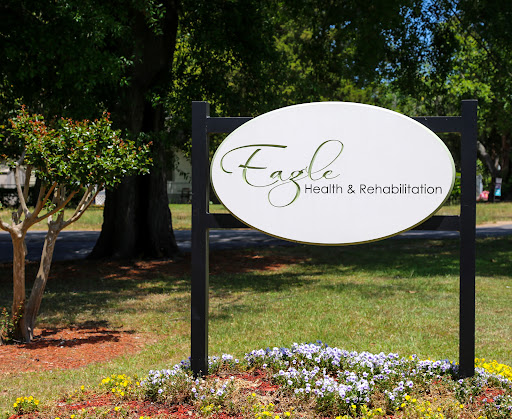



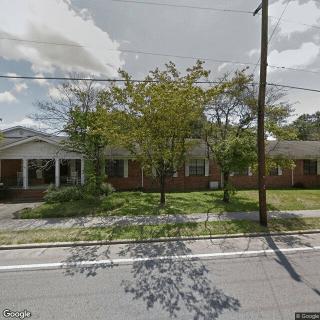
405 South College Street, Statesboro, GA 30458
For more information about senior living options: (866) 208-4318
Overall Review of Eagle Health & Rehabilitation
Pros
 The facility provided around-the-clock care with dignity and respect.
- It is an excellent skilled nursing facility.
- The financial person at the facility is fantastic to work with.
- The social worker Miss Carly is a great help in ensuring the patient has everything they need.
- Nikki Hirds, an LPN, truly cares about her patients and goes out of her way to ensure they are well taken care of.
- The CNAs on Nikki's team help ensure patients are attended to.
- Eagle Health & Rehabilitation is a breath of fresh air with many pleasant and helpful nurses and staff, and it comes highly recommended.
Cons
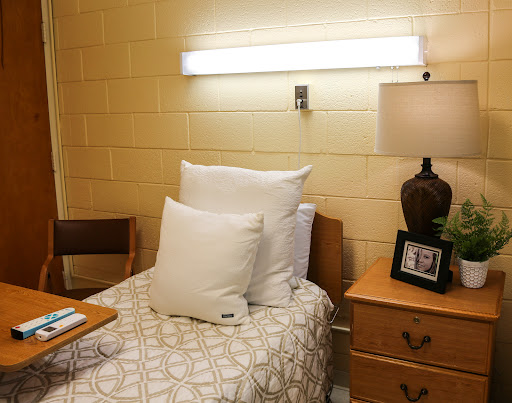
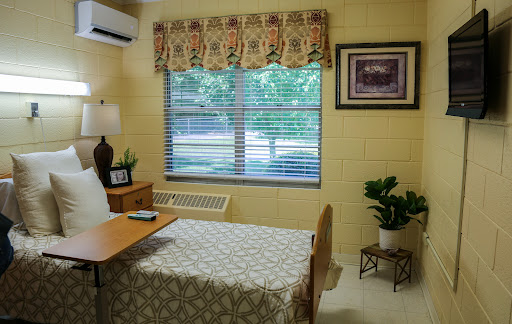
 The room was described as a dump, with a depressing setup, no family pictures, and a strong urine odor.
- There were shortages of equipment and staff, including no doorbell to call for help and bed controls arriving late.
- Nutritional supplements were added only after delays, leading to ongoing weight loss and low energy.
- A diaper was found on the floor, signaling neglect.
- The overall experience was very unpleasant, with some staff perceived as uninterested or uncaring.
- A doctor was criticized for being more interested in appearance than the patientā€™s condition.
- The reviewer advised others to choose another rehab facility.
Review
This community is best suited for families seeking reliable around-the-clock nursing care paired with a robust, therapy-focused rehabilitation program. The atmosphere favors stability, hands-on administration, and a culture of dignity and practical support. It works well for long-term residents who require steady oversight and for families who value a collaborative social-work and financial-services team to guide the complex care journey. It is not the optimal pick for those who insist on hotel-style room aesthetics, ultra-responsive service at all hours, or a rehab environment that is flawless from intake to discharge.
Pros come through most clearly in the core care infrastructure. Residents can expect care that is delivered with dignity and consistency, supported by a team that understands the daily realities of skilled nursing. Therapy services are repeatedly praised as a standout, with therapists and aides delivering meaningful progress and structured programs. The administrative spine, including a knowledgeable financial counselor and a proactive social worker, helps families navigate admissions, coverage nuances, and care planning with less friction. The nursing team, with dependable LPNs and CNAs, is cited as caring and genuinely engaged in making sure basic needs are met, which creates a foundation of trust for families during stressful times.
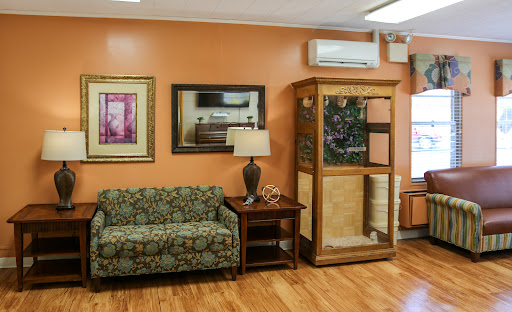
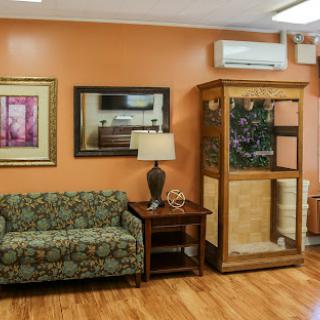
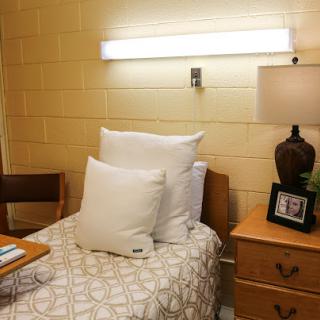
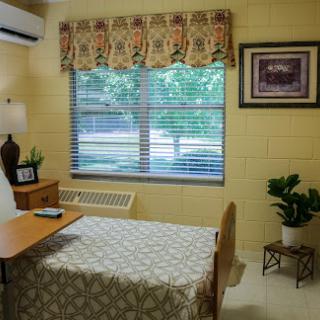
Yet the most visible weaknesses center on the lived environment and occasional gaps in day-to-day logistics. One detailed account described a rehab room that felt stark and unwelcoming, with minimal decor and no space for family mementos or visitors to sit comfortably. Other reports highlighted problems like premature odor concerns, outdated or malfunctioning room furniture, and a shortage of essential equipment. Delays in supplying nutritional supplements and difficulties with bed controls, coupled with occasional staff gaps during off-hours, can disrupt progress and undermine confidence in the care plan. These issues are not universal, but they are persistent enough to color the overall experience for some families.
The balance between strengths and weaknesses matters. When therapy teams are engaged, caregivers are steady, and administrative leaders are active, the care can be very solid and reassuring. The tangible progress from rehabilitation, the sense that frontline staff truly cares, and the ability to coordinate finances and care plans smoothly add up to real value. However, when environmental comfort, timely nutrition adjustments, or consistent medical oversight falter, the positive impact of the best therapists and nicest aides can be outweighed by concerns about atmosphere and reliability. This tension makes the decision contingent on personal priorities and the specific expectations set for recovery and daily living.
Who should consider alternatives becomes clearer in light of that imbalance. Families that prize pristine room ambiance, consistently inviting spaces for visitors, and a living environment that feels uplifting at every moment should explore other options. If immediate physician presence, strong night-shift coverage, or highly responsive medical decision-making are non-negotiable, it is prudent to evaluate more facilities with a proven track record in those areas. Similarly, for cases requiring highly coordinated, anticipatory nutrition management and uninterrupted rehab momentum, the experiences cited by some families warrant careful comparison with other providers.
In practical terms, Eagle Health & Rehabilitation can be a practical, dependable choice for those prioritizing core nursing care and a solid rehabilitation program, especially for long-term residents who value continuity and a collaborative care team. To discern fit, prospective families should press for an updated therapy plan, request direct conversations with the director of nursing and social worker, and tour rooms to assess ambiance, accessibility, and maintenance. Ask about nutrition-management timelines and how quickly dietary adjustments can be implemented. If these elements align with priorities, the facility delivers dependable, hands-on care. If not, moving toward options that emphasize a more uplifting environment and consistently strong medical oversight is a sensible, prudent course.
 99 resident community capacity
 Continuing Care Retirement Community (CCRC)
 Skilled Nursing Facility
 Air-conditioning
 Beauty salon
 Cable or satellite TV
 Computer center
 Dining room
 Fitness room
 Fully furnished
 Gaming room
 Garden
 Housekeeping services
 Kitchenette
 Move-in coordination
 Outdoor space
 Private bathrooms
 Restaurant-style dining
 Small library
 Telephone
 Wellness center
 Wi-Fi/high-speed internet available
 Community operated transportation
 12-16 hour nursing
 24-hour call system
 Activities of daily living assistance
 Assistance with bathing
 Assistance with dressing
 Assistance with transfers
 Diabetes diet
 Medication management
 Mental wellness program
 Special dietary restrictions
 Concierge services
 Planned day trips



 Navigating Medicare Coverage for In-Home Care Services
 In-Home Care Costs in 2025: A Detailed State-by-State Exploration
 Understanding Home Health Care: A Comprehensive Guide