
226 South College Street, Statesboro, GA 30458
For more information about senior living options: (866) 208-4318
Overall Review of Brown's Health & Rehab Center
Pros
 Attentive and caring staff.
- Patients look happy and well taken care of.
- New management is making changes for the better.
- The facility was clean.
Cons
 Brown's Health & Rehab Center was a horrible place.
- The rooms were beaten up.
- The walls had scars on them.
- The customer service was terrible.
- Scheduling a visitation appointment was nearly impossible.
- The staff were rude and very unpleasant.
- The facility is not equipped to deal with mental illnesses.
- There is no doctor on staff to give orders or check on patients daily.
Review
Brown's Health & Rehab Center in Statesboro is best suited for families who prize warmth and daily attentiveness in a skilled-nursing setting, and who can tolerate a period of organizational transition and maintenance needs. The staff frequently shows genuine care in routine interactions, and residents appear to be content when attention is provided promptly. With new management actively implementing changes, there is a visible effort to raise standards and tighten accountability. This facility can work for seniors who want regular, personal contact with caregivers, who value small, respectful exchanges, and who are willing to participate in care planning and ongoing quality discussions. It is not a showroom facility; the physical environment shows wear, but the potential for better service exists when leadership and frontline teams align. Families prepared to monitor progress, advocate for clear communication, and track improvement over time will find Brown's a reasonable option to test rather than dismiss out of hand.
Who may want to consider alternatives? Those with higher needs for medical oversight, mental-health management, or consistently seamless operations should look elsewhere. Several reviewers report the absence of a dedicated on-site physician and a lack of daily medical checks, which can be risky for residents with complex conditions. Basic needs, such as timely feeding, toileting assistance, and prompt response to emergencies, appear less reliable in some days, raising concerns for families who cannot supervise around the clock. Communication gaps and customer-service friction also surface, suggesting that administrative reliability is not yet at a level most families expect. In short, this community is best avoided by those requiring rigorous clinical oversight, predictable staffing, and a stable routine. For such residents, candidates should seek facilities with proven physician presence, transparent care plans, and consistently responsive administration.
On the upside, the best-reported strength is the demeanor of frontline caregivers. When staff are attentive, residents look engaged and content, and visitors notice a genuine sense of well-being. The new management push has started to channel resources toward improvements, signaling that problems are being acknowledged and addressed rather than ignored. For families who can engage with staff and demand regular check-ins, this dynamic can translate into meaningful daily support and a more personalized care experience. The combination of a warm caregiver culture and leadership intent offers a credible path to better outcomes, especially for residents who thrive on routine, familiarity, and human connection more than on glossy amenities.
Yet the downsides are hard to overlook. The facility shows visible wear, rooms that are dated and walls scarred, paired with reports that the environment is not always clean or well-maintained. More troubling are accounts of neglect or indifference from nursing staff, with specific claims of beds left unmade, meals delayed, and hunger or discomfort left unaddressed. The absence of a resident-care physician means daily medical orders and progress are not consistently reviewed, which matters for anyone with fluctuating health. A pervasive sense of frustration with scheduling, visitors, and general responsiveness compounds the risk that needs will be met only when strong advocacy is present. Finally, financial trust may be questioned by contractors who report unpaid work, a red flag for overall operations.
How these dynamics balance out depends on what families prioritize. If the objective is dependable daily warmth and a caregiver team that can interface in real time with families, the positives can offset several of the safety-net concerns, provided that supervision and clear expectations are in place. Prospective residents should push for concrete care plans, direct access to the charge nurse, and an explicit daily round by a physician or medical director, even if that presence is occasional. It is essential to confirm that staffing levels will meet shifts, that meals and hydration are monitored, and that housekeeping and maintenance duties are tracked with accountability. For those who cannot tolerate uncertainty or who require stable medical oversight, this facility’s current shortcomings are not worth the risk. A thoughtful, data-driven visit with the administrator, plus a candid review of recent inspection or complaint history, is well advised before deciding.
Bottom line: Brown's Health & Rehab Center presents a mixed proposition. It can work for families seeking genuine human warmth, and for residents who can tolerate, and even drive, ongoing improvements under new leadership. However, it is not the right choice for individuals with high medical complexity, substantial mental-health needs, or a demand for flawless operations and predictable responsiveness. If pursued, the decision should hinge on a plan to verify physician access, guarantee timely care, and establish measurable safeguards for safety and comfort. Where alternatives exist with stronger clinical oversight and sturdier facility conditions, those options should be prioritized unless a rigorous, proactive oversight strategy is in place at Brown's.
 63 resident community capacity
 Skilled Nursing Facility
 Air-conditioning
 Beauty salon
 Cable or satellite TV
 Computer center
 Dining room
 Fitness room
 Fully furnished
 Gaming room
 Garden
 Housekeeping services
 Kitchenette
 Move-in coordination
 Outdoor space
 Private bathrooms
 Restaurant-style dining
 Small library
 Telephone
 Wellness center
 Wi-Fi/high-speed internet available
 Community operated transportation
 12-16 hour nursing
 24-hour call system
 Activities of daily living assistance
 Assistance with bathing
 Assistance with dressing
 Assistance with transfers
 Diabetes diet
 Medication management
 Mental wellness program
 Special dietary restrictions
 Concierge services
 Planned day trips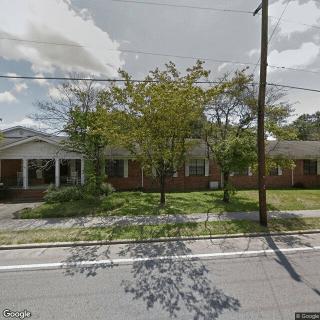


 Top Canine Companions for Older Adults
 Comprehensive Guide to Blood Pressure Charts for Older Adults: Understanding Normal and High Readings by Age
 Financing Long-Term Nursing Home Care Through Social Security: A Thorough Exploration