For more information about senior living options: (866) 208-4318
3.1 from 82 reviews
5 stars
35
4 stars
8
3 stars
0
2 stars
5
1 stars
34
Overall Review of Signature Healthcare Of Savannah
common12 reviews mention this
Staff caring and professional
Many residents and families describe staff as kind, attentive, and professional.
Across the reviews, families repeatedly say the nursing, therapy, and administrative teams were respectful and helped them feel supported during long stays and rehab. Several reviewers specifically mention being able to reach the right people, including social services, receptionist support, and responsiveness to concerns. A few residents also describe the environment of care as a place where they feel treated like family rather than a passing room number.
caveat15 reviews mention this
Care concerns and communication
Some reviewers report neglect, delayed responses, and difficulty getting help.
A recurring negative theme is inconsistent day-to-day support, including complaints about delayed call light responses, incomplete attention during personal care, and lack of follow-through. Multiple reviews describe serious issues such as bed sores, bruising, and falls, with families feeling they had to push hard or involve outside help. Several reviewers also say it was hard to get the facility to answer calls or return messages, which amplified stress for families trying to coordinate care.
caveat10 reviews mention this
Cleanliness varies by visit
Reviewers describe cleanliness in sharply different ways.
Some reviewers praise the facility as clean and well maintained, mentioning fresh conditions and no strong odors during their visits. Others report unpleasant smells, dirty floors, and rooms that were not kept up, including trash and moisture issues observed during visits. Because both sides show up in the reviews, cleanliness seems to be a point where experiences can vary depending on timing and location within the building.
caveat6 reviews mention this
Food quality draws mixed feedback
Food is a mixed point in the reviews, ranging from adequate to poor.
A few reviewers describe meals as okay or acceptable, including one mention of food that was not a major complaint. Others are far less satisfied, saying food was cold, uninspiring, or difficult to manage alongside preferences and medical needs. When comments focus on meal service, they tend to connect the issue to overall day-to-day coordination and responsiveness rather than presentation alone.
common5 reviews mention this
Social services helps families
Families often mention social services as helpful during admissions and care planning.
Several reviewers single out social services staff for answering questions, easing anxiety, and guiding admissions or care conversations. These mentions include support around placement and reassuring families about programs available for residents. While opinions about daily care are mixed, the social services experience is more consistently described as patient, attentive, and informative.
How we summarize
Counts show how many written reviews mention each theme; a review can touch several themes, and only frequently mentioned themes are displayed.
Features
Housing
120 resident community capacity
Types of Care
Skilled Nursing Facility
Amenities
Air-conditioning
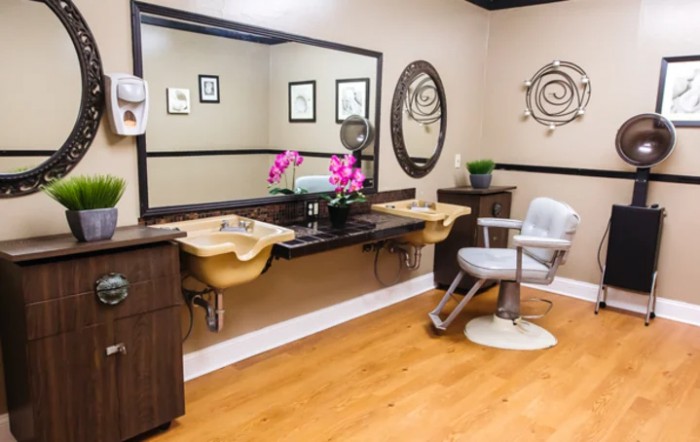
Beauty salon
Cable or satellite TV
Computer center
Dining room
Fitness room
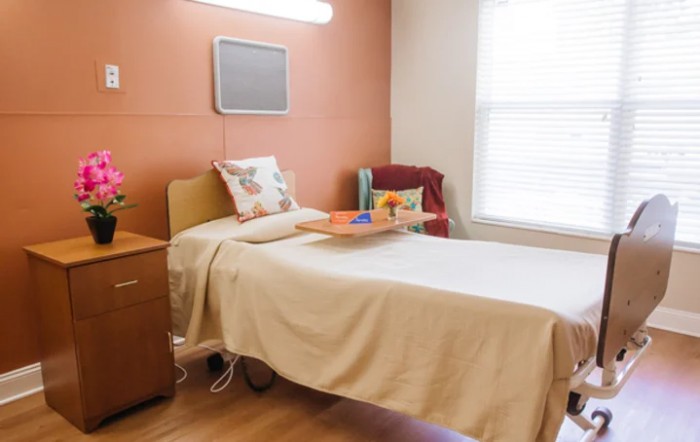
Fully furnished
Gaming room
Garden
Housekeeping services
Kitchenette
Move-in coordination
Outdoor space
Private bathrooms
Restaurant-style dining
Small library
Telephone
Wellness center
Wi-Fi/high-speed internet available
Transportation
Savannah International (9 miles away)
Community operated transportation
Transportation arrangement
Transportation arrangement (non-medical)
Transportation to doctors appointments
Care Services
12-16 hour nursing
24-hour call system
24-hour supervision
Activities of daily living assistance
Assistance with bathing
Assistance with dressing
Assistance with transfers
Diabetes diet
Meal preparation and service
Medication management
Mental wellness program
Special dietary restrictions
Dining
Diabetes diet
Special dietary restrictions
Activities
Community-sponsored activities
Concierge services
Fitness programs
Planned day trips
Resident-run activities
Scheduled daily activities
Nearby Places of Interest
Physicians
Sleep Care Institute (0.1 miles)
Elizabeth Family Practice Center (0.1 miles)
Chatham Medical Associates (0.1 miles)
Seleem Sayyar, MD (0.1 miles)
Wrightington Rheumatology (0.1 miles)
Dermatology Associates (0.1 miles)
Chatham Orthopaedic Associates (0.2 miles)
Pharmacies
CVS Pharmacy (0.1 miles)
Compounding Solutions of Savannah (0.3 miles)
Medical Center Pharmacy (0.3 miles)
Walgreens (0.5 miles)
Candler Prescription Center at Candler Hospital (0.5 miles)
CVS Pharmacy (0.9 miles)
CVS Pharmacy (1.5 miles)
Restaurants
Wendy's (0.3 miles)
Sunnyside Up (0.5 miles)
Baker's Pride Bakery (0.5 miles)
The 5 Spot (0.6 miles)
Bonefish Grill (1.1 miles)
Krystal (1.4 miles)
Green Truck Pub (1.4 miles)
Hospitals
Memorial University Medical Center - Pediatric ICU (0.3 miles)
Memorial Health University Medical Center Answerone/Nurseone/Switchboard (0.4 miles)
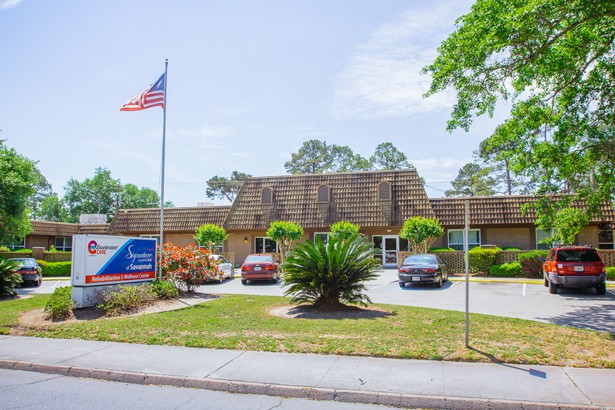
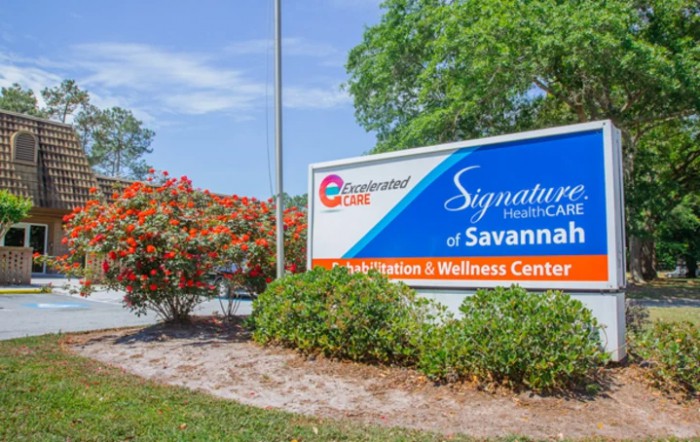
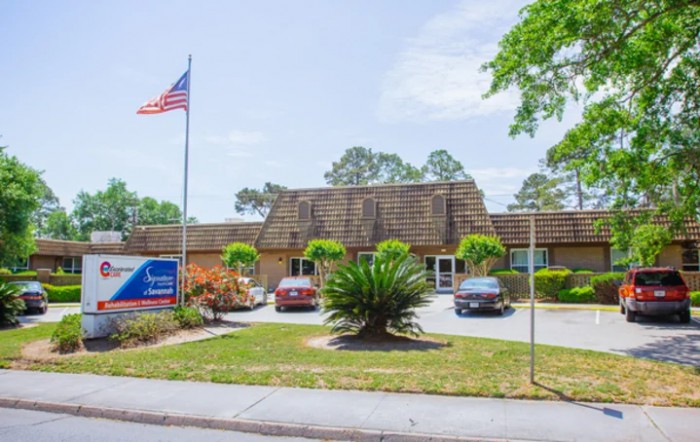
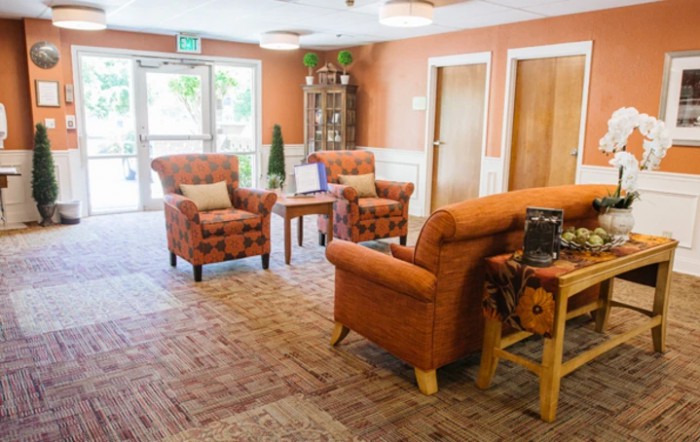
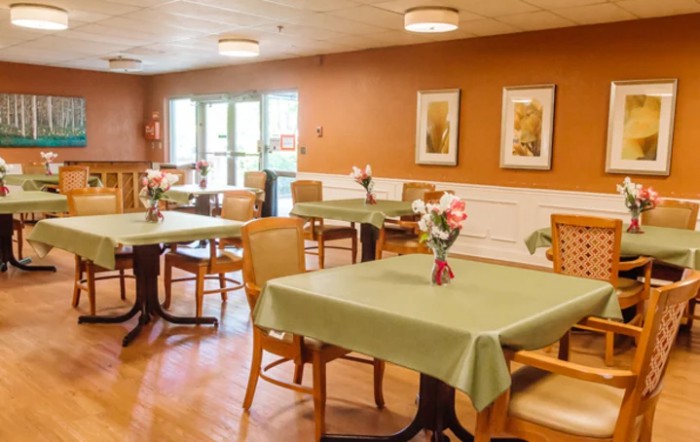
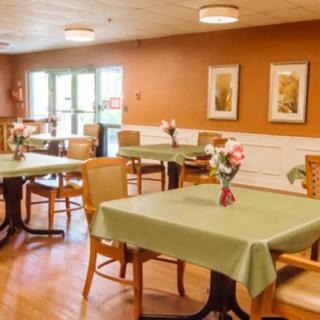
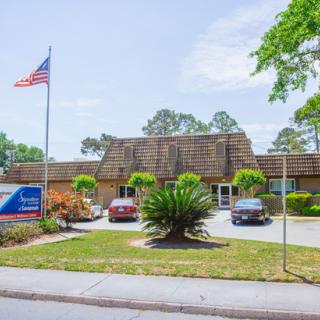
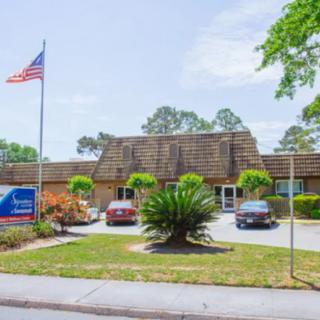
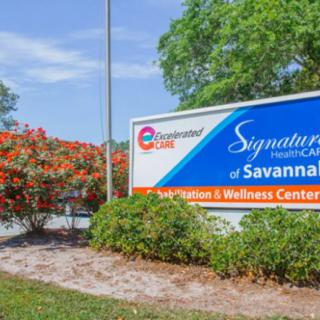
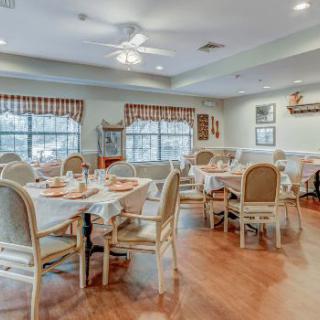
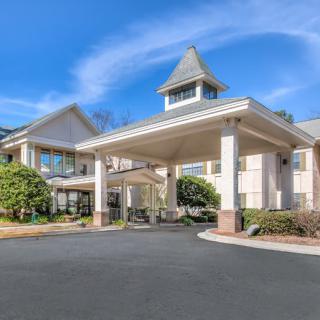
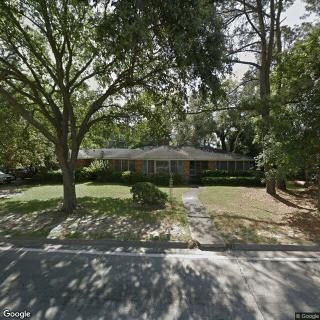
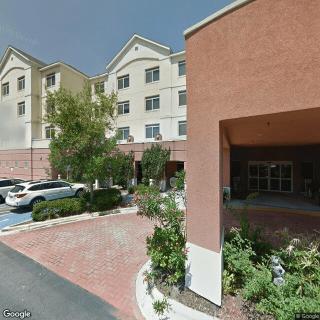
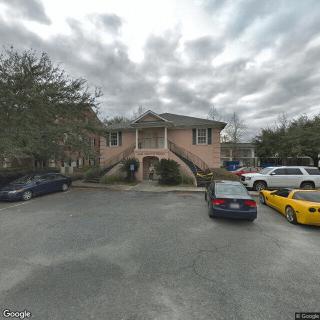
Signature Healthcare Of Savannah on seniors.fyi includes 7 photos including images showing interior, landscaping, decor, salon, building, flag, trees, lobby, and more.
Nearby Communities
Ja'Bree Personal Care Home
Savannah, GA
4.8 from 6 reviews
Excellent access to nearby healthcare (pharmacies, physicians, hospitals) and dining options.
Candler Skilled Nursing Unit
Savannah, GA
4.7 from 121 reviews
Excellent doctors and a responsive manager provide strong medical support.
Habersham House Senior Residence
Savannah, GA
3.9 from 39 reviews
Friendly, attentive staff; spacious, well-maintained rooms and strong memory-care services with engaging activities.
The article highlights the high risk of falls among older adults due to factors like muscle weakness, vision issues, and environmental hazards, with one in four experiencing a fall annually. It advocates for a comprehensive prevention approach that includes exercise, home safety modifications, medication management, social support, and caregiver involvement.
Elder law attorneys assist older adults and their families with legal matters such as estate planning, Medicaid eligibility, and guardianships, while also providing protection against elder abuse. They help navigate complex regulations to safeguard financial resources, ensure well-being, and maintain autonomy for seniors.
Caregiving for an aging parent entails emotional and financial responsibilities accompanied by significant tax implications, including potential benefits from claiming them as dependents and deductions for medical expenses and caregiving costs. Caregivers must understand eligibility requirements, maintain thorough documentation, and consider consulting a tax professional to navigate these complexities effectively.
Get PricingAsk A QuestionSchedule A TourContact Senior Advisor
By clicking submit, you agree to our Partner's Terms of Use. You
also consent to receive calls and texts, which may be autodialed, from our Partner. Your consent is not a condition to
using our Partner's service. Please visit our Partner's Privacy Policy for information about their privacy practices.



 120 resident community capacity
 Skilled Nursing Facility
 Air-conditioning
 Beauty salon
 Cable or satellite TV
 Computer center
 Dining room
 Fitness room
 Fully furnished
 Gaming room
 Garden
 Housekeeping services
 Kitchenette
 Move-in coordination
 Outdoor space
 Private bathrooms
 Restaurant-style dining
 Small library
 Telephone
 Wellness center
 Wi-Fi/high-speed internet available
 Savannah International (9 miles away)
 Community operated transportation
 12-16 hour nursing
 24-hour call system
 Activities of daily living assistance
 Assistance with bathing
 Assistance with dressing
 Assistance with transfers
 Diabetes diet
 Medication management
 Mental wellness program
 Special dietary restrictions
 Concierge services
 Planned day trips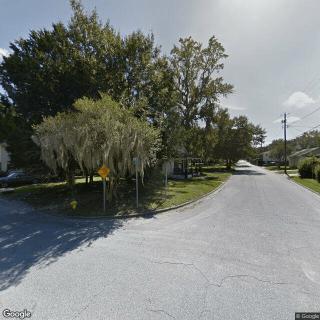
 Excellent access to nearby healthcare (pharmacies, physicians, hospitals) and dining options.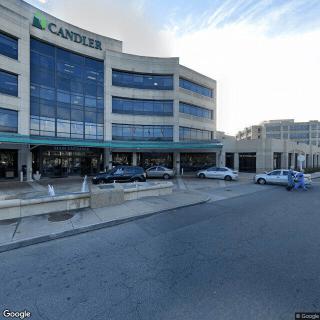


 Comprehensive Insights and Practical Strategies to Help Older Adults Avoid Falls
 6 Crucial Ways an Elder Law Attorney Assists Families
 Navigating the Tax Landscape of Caregiving: Credits, Deductions, and Beyond