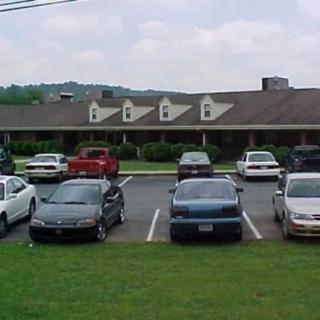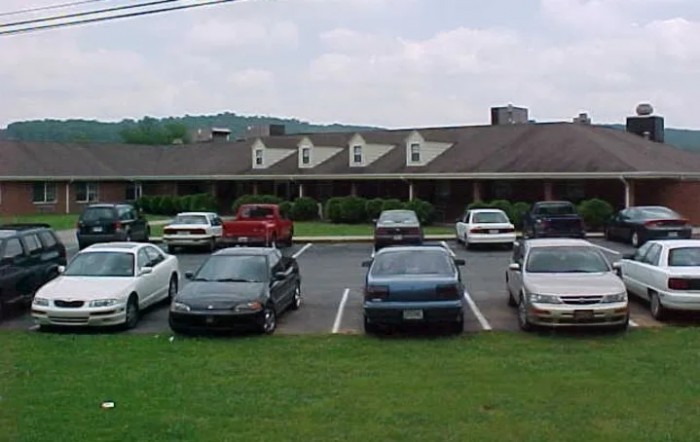
1170 Chulio Road, Rome, GA 30161
For more information about senior living options: (866) 208-4318
Overall Review of Chulio Hills Health And Rehab
Pros
 The therapists and nursing staff are consistently experienced with weaning patients.
 - They speak life over residents and keep families updated about changes and the care plan.
- The staff are genuinely ready to help and have residents’ best interests at heart.
- The facility is described as excellent, extremely clean, and well-maintained, with wonderful staff.
- The administration, including Nick, is helpful and kind, and can support families quickly in crisis.
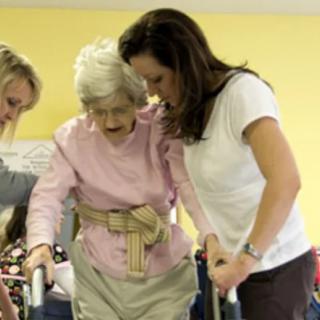
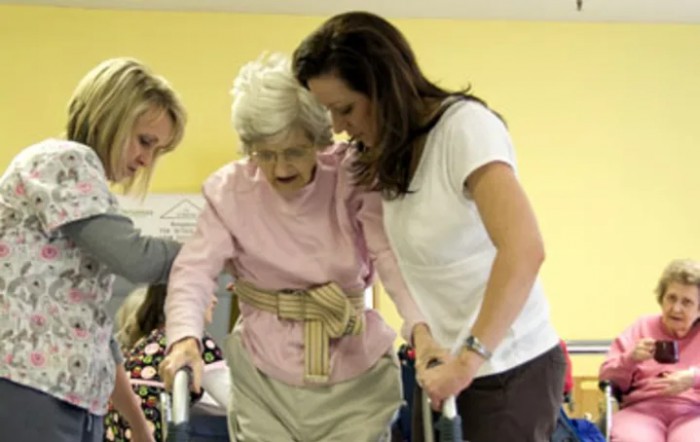
- The therapy department offers engaging activities, such as music, games, and crafts, that enhance daily life.
Cons
 The staff generally ignores residents’ needs.
 - There have been unreported relationships between staff and residents described as horrible.
- It is stated not to work there if you are Black.
- Nurses tend to assign Black workers harder tasks, especially on night shift.
- Black employees are treated as second-rate.
- The leaders are vindictive and bully staff who raise concerns.
- The leadership looks the other way on issues CMS would deem unacceptable.
- There have been multiple CMS tags since the last DON’s departure.
Review
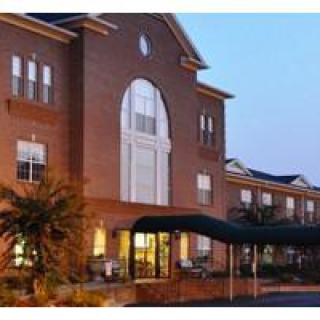
Chulio Hills Health & Rehab in Rome, GA is best suited for families seeking a rehab-focused option with strong clinical capabilities, especially when a loved one may require ventilator support, weaning, or intensive respiratory therapy. The strongest evidence of fit comes from families who prize continuity in the therapy and nursing teams and who value care plans that respond to non-verbal cues and evolving medical needs. In practice, this means residents who need aggressive rehabilitation, regular progress updates, and a caregivers’ circle that treats recovery as an active, collaborative process. The setting tends to work best for those who want tangible rehab momentum and reliable clinician engagement, though expectations should be tempered for those hoping for a gleaming, modern campus.
This community may not be the best fit for families prioritizing flawless leadership culture and zero-risk staff conduct. Several accounts describe a problematic governance climate, including alleged neglect, inappropriate staff relationships, and a leadership style described as vindictive or bullying toward employees who raise concerns. Racial dynamics were highlighted in some comments, suggesting potential gaps in cultural safety across shifts. Administrative follow-through also appears inconsistent in certain cases, with reports of missing personal belongings after a resident’s death and questions about how concerns are escalated. For families seeking a transparent, highly accountable governance environment with swift grievance resolution, alternatives with stronger oversight should be considered.
On the upside, the therapy-forward model delivers tangible advantages. Reviewers repeatedly highlight therapists and nurses who maintain continuity of care, enabling personalized progress toward rehab milestones. A 24/7 respiratory therapy presence stands out as a major differentiator for families facing complex medical needs, and the facility’s willingness to provide ventilator support or oxygen therapy in-house reduces the need for transfers. Families report timely updates about care plans and active, open communication with distant relatives, which helps maintain trust during challenging recoveries. The dining program and regular activities earn favorable mentions, with several success stories of improved appetite, weight gain, and meaningful engagement that provide real reassurance for families weighing a rehab-first decision.
Still, the drawbacks cannot be ignored. Some reviews describe uneven staffing quality and inconsistent care experiences, with days feeling rushed or fragmented. The most troubling concerns center on leadership culture, including allegations of bullying and turnover at the top that leaves families unsure who is ultimately accountable for patient safety. There are reports of safety lapses and hospital transfers, and one troubling incident described as the theft of valuables after a relative’s death, which understandably shakes trust. Dementia care remains variable, with some staff better prepared for disease-specific behaviors than others, so a resident’s experience can hinge on who is on duty. Taken together, these issues emphasize the risk that governance problems can undermine otherwise solid clinical care.
Yet the strong clinical core can offset several concerns when approached with rigorous oversight. Families should insist on a clear care plan with a named point of contact who can translate medical decisions into understandable updates. Tours should involve conversations with the therapy team, nursing leadership, and the administrator, with explicit questions about staff consistency, shift coverage, and anti-discrimination practices. The presence of a responsive administrator and proactive clinicians who communicate clearly can make a meaningful difference even in the face of systemic issues. For residents with complex respiratory needs or dementia-related behaviors, a documented escalation protocol and a defined safety plan are essential safeguards before admission.
In sum, Chulio Hills Health & Rehab offers a compelling option for families prioritizing rehab capability, visible clinical progress, and active family involvement. The decisive considerations hinge on leadership quality, staff culture, and the facility’s ability to protect residents and belongings consistently. Prospective families should visit with targeted questions, verify current therapy strength, and solicit feedback from both staff and current residents’ families. If governance stability and a consistently respectful, non-discriminatory culture are paramount, exploring alternatives with stronger, more transparent oversight may be wise. For the right case, highly engaged rehab goals paired with a responsive clinical team, Chulio Hills can be a productive, even life-changing, choice.
 100 resident community capacity
 Skilled Nursing Facility
 Air-conditioning
 Beauty salon
 Cable or satellite TV
 Computer center
 Dining room
 Fitness room
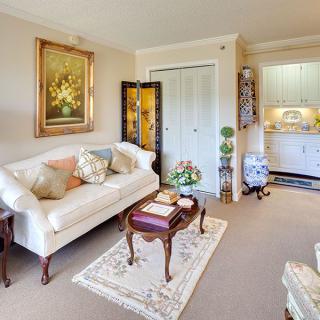
 Fully furnished
 Gaming room
 Garden
 Housekeeping services
 Kitchenette
 Move-in coordination
 Outdoor space
 Private bathrooms
 Restaurant-style dining
 Small library
 Telephone
 Wellness center
 Wi-Fi/high-speed internet available
 Community operated transportation
 12-16 hour nursing
 24-hour call system
 Activities of daily living assistance
 Assistance with bathing
 Assistance with dressing
 Assistance with transfers
 Diabetes diet
 Medication management
 Mental wellness program
 Special dietary restrictions
 Concierge services
 Planned day trips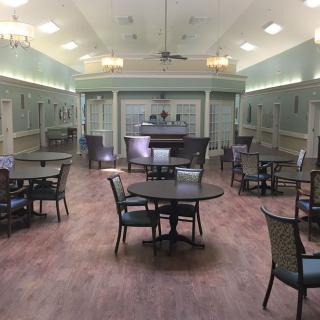


 Engaging Brain Games and Innovative Apps to Keep Senior Minds Active
 Effective Strategies for Keeping Seniors' Minds Active: A Deep Dive into Brain Games and Apps
 In-Depth Look at the VA Aid and Attendance Program