Overall Review of Powder Springs Transitional Care And Rehab
common22 reviews mention this
Facility cleanliness is a mixed picture
Many residents and visitors describe the building as clean and fresh, but a smaller number report odors, stains, and unsanitary conditions.
A recurring theme is cleanliness: several reviewers say the facility looks clean, bright, or “smells” fresh, and they notice housekeeping keeping areas maintained. Some also mention clean rooms and a well-kept environment during visits. On the negative side, other reviewers report strong odors, stains, and concerns about sanitation and supplies, including issues related to bathing and room hygiene. This makes cleanliness feel consistent to some families while deeply disappointing to others.
common28 reviews mention this
Staff warmth and helpfulness stand out
Across many reviews, residents and families describe staff as friendly, kind, and helpful in day-to-day interactions.
The most consistent positive feedback is about people: reviewers repeatedly describe staff as friendly, caring, attentive, and accommodating. Families also describe specific moments of help—like getting around the facility, resolving concerns, and making visitors feel welcomed. Even in reviews with serious complaints, some still acknowledge kindness from certain staff members. Overall, staff attitude comes through as a major reason families feel confident when they’re supported by the team.
common10 reviews mention this
Communication feels responsive for some
Some families say questions and concerns are addressed quickly, with communication that feels clear and accessible.
Several reviewers mention communication as a strength—saying questions get answered, concerns are addressed immediately, and updates are provided. A few specifically comment on being contacted when something changes, including in situations related to illness and outbreaks. There are also reviews that contradict this, describing difficulty reaching staff or feeling like they’re “imposing” when they call for updates. That split suggests communication can be very good for some families while frustrating for others.
common6 reviews mention this
Activities add structure and engagement
Residents and visitors frequently mention activities that make the days feel busier and more engaging.
Reviewers describe a steady mix of things to do, including bingo, games, singing, and other organized activities. Some mention special events and day-to-day entertainment, and a few say residents enjoy participating even when they prefer staying in their rooms. Families also describe resident-centered engagement during visits, which adds to the overall impression of a lively schedule. While not every review focuses on activities, those that do tend to be positive.
caveat11 reviews mention this
Food quality varies a lot
Food is described both as enjoyable and as cold or inedible, with some reviews raising serious concerns about meal delivery.
Some reviewers say the food is good—mentioning it looks better than expected, is served hot, and is enjoyed by residents. Others describe problems like food being cold, served in an unappetizing way, or needs not being met during meals. A number of negative reviews connect dining with larger care issues, including problems feeding residents or following swallowing precautions. As a result, dining experiences appear inconsistent across residents and situations.
caveat18 reviews mention this
Care reliability is the biggest concern
While many reviews praise care, multiple residents’ families raise concerns about missed needs and medication or hygiene problems.
Positive feedback mentions attentive nursing support and residents improving, but the negative reviews focus heavily on care breakdowns. Complaints include medication being given incorrectly, call lights not being answered, missed assistance with toileting and bathing, and sanitation issues in rooms and bathrooms. Some reviewers also describe staffing pressure or shortages affecting response times, and others report falls or delayed help when residents call for assistance. Taken together, the reviews suggest that care reliability can vary substantially from resident to resident.
How we summarize
Counts show how many written reviews mention each theme; a review can touch several themes, and only frequently mentioned themes are displayed.
Features
Housing
208 resident community capacity
Types of Care
Skilled Nursing Facility
Amenities
Air-conditioning
Beauty salon
Cable or satellite TV
Computer center
Dining room
Fitness room
Fully furnished
Gaming room
Garden
Housekeeping services
Kitchenette
Move-in coordination
Outdoor space
Private bathrooms
Restaurant-style dining
Small library
Telephone
Wellness center
Wi-Fi/high-speed internet available
Transportation
William B Hartsfield-Atlanta International (20 miles away)
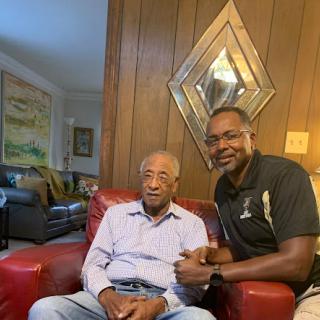
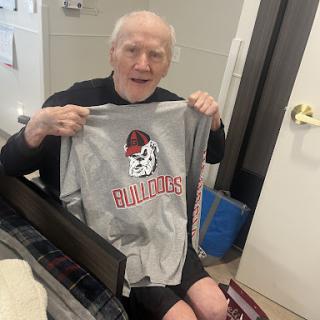
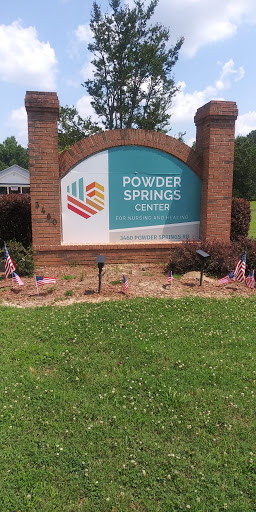
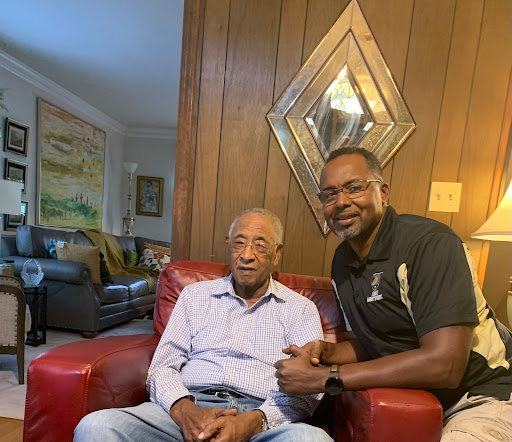
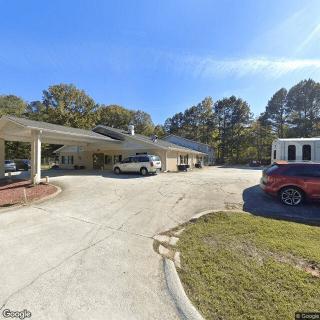
Powder Springs Transitional Care And Rehab on seniors.fyi includes 4 photos including images showing flag, building, architecture, trees, landscaping, outdoors, interior, and more.
Nearby Communities
Rhema Personal Care Facilities
Powder Springs, GA
4.9 from 100 reviews
Intimate, homelike setting with personalized care and diabetes-friendly dining.
Jubilee 2 Community Living Arrangement
Powder Springs, GA
5 from 3 reviews
Small, homelike setting with 24/7 supervision and comprehensive care.
Trinity Family Personal Care Home
Powder Springs, GA
Home-like assisted living with on-site dining, housekeeping, 24-hour supervision, and transportation for medical appointments.
Jubilee Community Living Arrangement
Powder Springs, GA
5 from 3 reviews
Small, personalized setting with comprehensive care and amenities.
Nescare Personal Care Home
Austell, GA
Personalized ADL support, diabetes-friendly meals, and comprehensive care in a warm, furnished setting.
Serenity Adult Day Care Center
Powder Springs, GA
4.9 from 22 reviews
On-site devotional services, activities, and medication management.
Silver Comet Senior Village
Powder Springs, GA
4.4 from 77 reviews
$2,750 to $3,650 / month
Friendly, attentive staff in a clean, well-maintained facility with engaging activities and dining.
Brickmont of West Cobb
Marietta, GA
4 from 103 reviews
$3,900 to $6,000 / month
Caring staff and a welcoming, homelike memory care environment.
Oaks at West Cobb
Marietta, GA
3.5 from 40 reviews
$4,300 to $6,100 / month
Beautiful, well-maintained facility with diverse activities and some engaged staff.
Caregiver burnout is a common issue resulting from the intense physical, emotional, and mental demands of caregiving, leading to symptoms like fatigue and social withdrawal. To prevent burnout, caregivers should recognize early warning signs and implement self-care strategies, seek support, and prioritize their own well-being alongside that of those they care for.
Caregiver exhaustion, or burnout, stems from the relentless demands of caregiving, leading to emotional and physical depletion characterized by stress, frustration, and neglect of personal needs. Addressing this burden is essential to prevent long-term consequences, with early recognition and support being crucial for caregivers to maintain balance and implement self-care.
Hospice care at home provides specialized end-of-life support that focuses on comfort and dignity for individuals with life-limiting illnesses, offering a range of services including medical management, emotional and spiritual support, and logistical assistance tailored to the family's needs. It involves collaboration to create individualized care plans and extends to bereavement support after a loved one's passing.
Get PricingAsk A QuestionSchedule A TourContact Senior Advisor
By clicking submit, you agree to our Partner's Terms of Use. You
also consent to receive calls and texts, which may be autodialed, from our Partner. Your consent is not a condition to
using our Partner's service. Please visit our Partner's Privacy Policy for information about their privacy practices.



 208 resident community capacity
 Skilled Nursing Facility
 Air-conditioning
 Beauty salon
 Cable or satellite TV
 Computer center
 Dining room
 Fitness room
 Fully furnished
 Gaming room
 Garden
 Housekeeping services
 Kitchenette
 Move-in coordination
 Outdoor space
 Private bathrooms
 Restaurant-style dining
 Small library
 Telephone
 Wellness center
 Wi-Fi/high-speed internet available
 William B Hartsfield-Atlanta International (20 miles away)
 Community operated transportation
 12-16 hour nursing
 24-hour call system
 Activities of daily living assistance
 Assistance with bathing
 Assistance with dressing
 Assistance with transfers
 Diabetes diet
 Medication management
 Mental wellness program
 Special dietary restrictions
 Concierge services
 Planned day trips
 Intimate, homelike setting with personalized care and diabetes-friendly dining.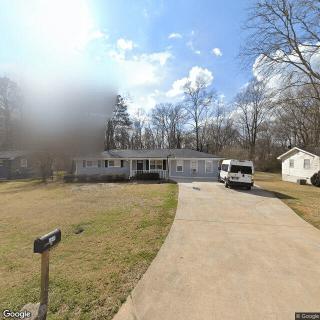


 Caring for Those Who Care: Recognizing, Understanding, and Overcoming Caregiver Burnout
 Caregiver Exhaustion: Recognizing the Signs and Restoring Your Well-Being
 Understanding Hospice Care at Home: Comprehensive Services, Key Benefits, and Eligibility