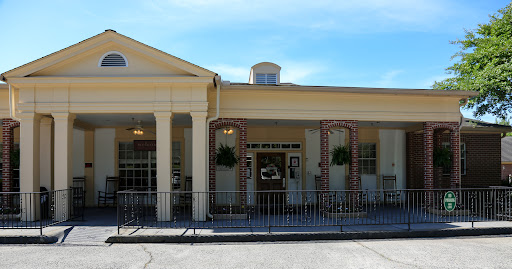


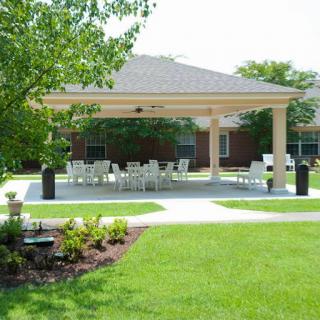



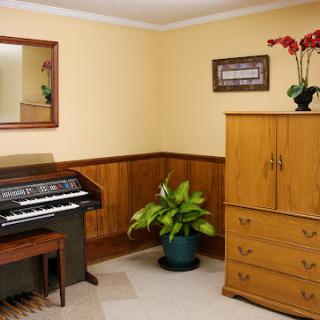

313 Allen Memorial Drive,Sw, Milledgeville, GA 31061
For more information about senior living options: (866) 208-4318
Overall Review of Green Acres Health And Rehabilitation
Pros
 The staff have been extremely helpful and supportive throughout the process.
- The communication has been excellent, with clear explanations that keep families comfortable and informed.
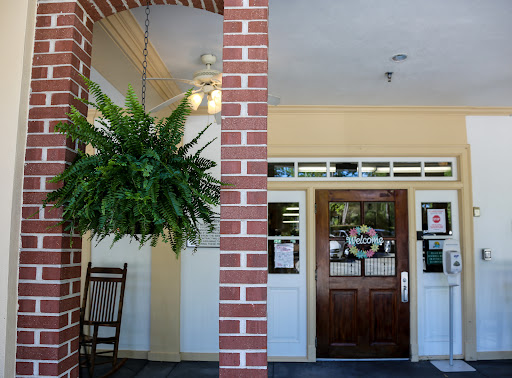
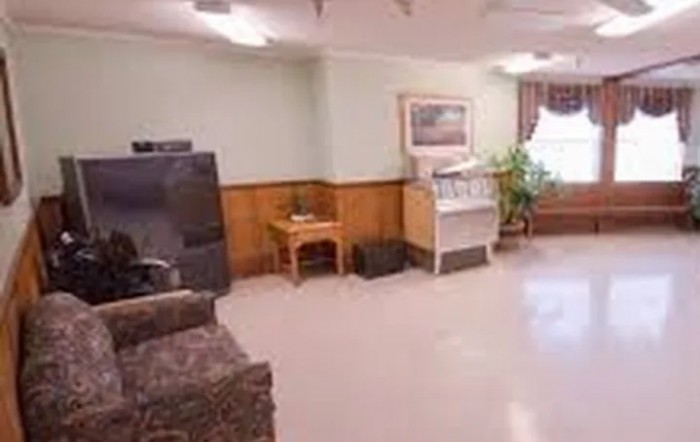
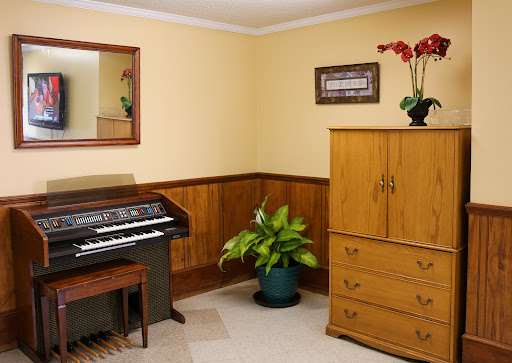
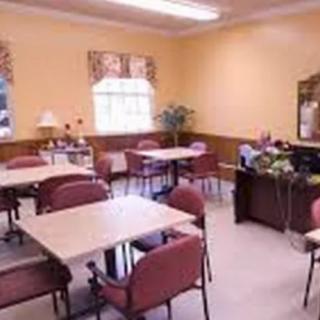
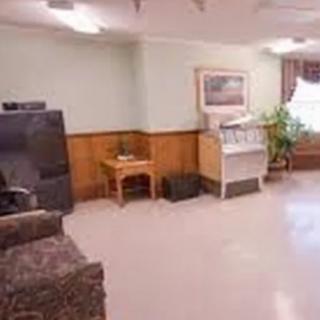
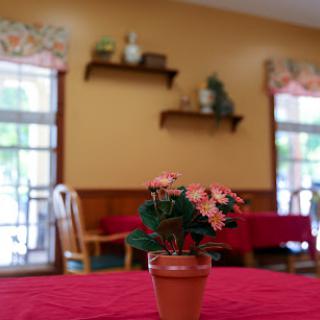
- The facility is very nice and well-maintained.
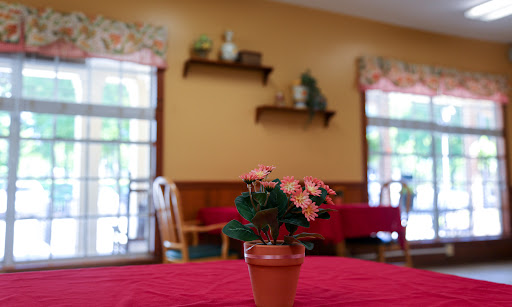
- Residents seem genuinely happy, with plenty of laughter, movement, and activity in the hallways.
- It feels warm and welcoming, like a community rather than just a nursing home.
- Green Acres makes transitions easier for families, with caring and professional staff.
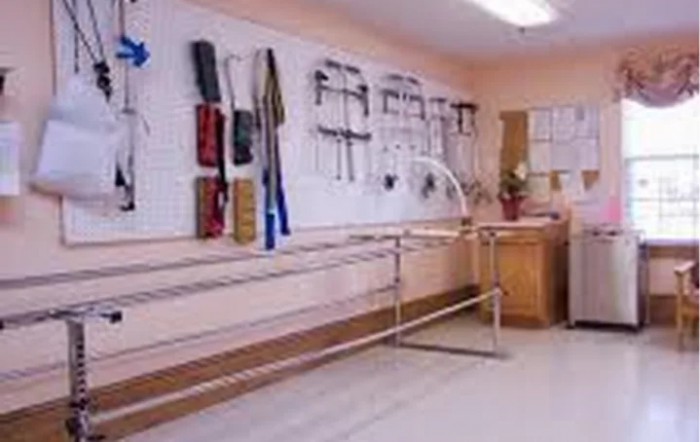
- The therapy team works wonders alongside the nursing staff to help patients get back home.
Cons
 Roaches, roaches and more roaches, infested, very nasty.
- The staff is so rude.
- It is a bad place, mostly rude staff, all about money.
- It is one of the worst in Milledgeville.
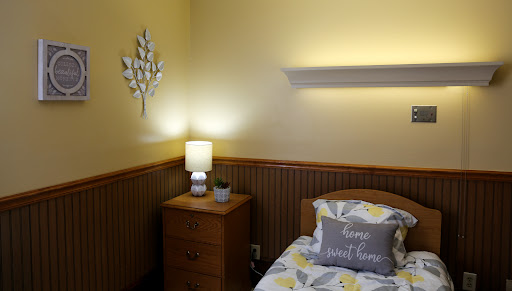
- The rooms were not well lit.
- Residents were reportedly bathed in cold water and left without baths for weeks.
- They mistreat the elderly at this place.
Review
Green Acres Health and Rehabilitation is best suited for families seeking a warm, community-oriented skilled-nursing environment where residents appear engaged and care teams coordinate closely with loved ones. It works especially well for seniors returning from hospital stays or recovering from procedures who value proactive communication and a caregiving staff that explains plans clearly and stays involved with family needs. The setting is designed to feel less like a sterile institution and more like a connected community, with an atmosphere that families often describe as welcoming and lively. That said, this is not the pick for those who demand uniform perfection in cleanliness, flawless day-to-day operations, and consistently seamless service across all shifts.
The strongest, consistently cited pros center on people and process. Families praise staff for being helpful, supportive, and communicative, with administrators and nurses who explain procedures and respond to concerns promptly. The facility itself is described as well-maintained, and the hallways buzz with activity, laughter, and a sense that residents are genuinely content. A cohesive therapy team paired with nursing care helps residents regain or maintain independence, and several reviews highlight successful transitions during knee-replacement recovery and hospice care. For families actively engaged in care planning, Green Acres delivers a level of accessibility and reassurance that eases difficult decisions.
Yet there are notable and recurring concerns that heavily color the overall impression. Multiple reviewers recount serious quality-of-care issues, including pest problems and allegations of inconsistent hygiene. Some feedback points to residents being bathed in cold water or going for extended periods without a wash, alongside perceptions of rude staff or a focus on money rather than resident well-being. A few accounts are bluntly critical, labeling the facility as among the less favorable options in Milledgeville. The gap between the strong, supportive experiences and these troubling anecdotes creates a volatile risk profile: the facility can deliver excellent, compassionate care in the right moment, but gaps in basic cleanliness and staff responsiveness can undermine trust and safety.
These opposing threads matter when weighing options. The positives – transparent communication, engaged families, collaborative therapy, and genuine warmth from many caregivers – offset significant value for those who can commit to ongoing involvement and who prioritize a hopeful rehab or end-of-life experience. However, the seriousness of the commonly reported deficiencies cannot be dismissed. For families who require unwavering cleanliness, consistent day-to-day reliability, and a consistently courteous staff across all shifts, the cons may outweigh the pros. In such cases, alternative facilities with stronger, more uniform infection-control records and steadier staff satisfaction histories deserve consideration.
Those most likely to want alternatives are families with heightened sensitivity to cleanliness, residents with repeated infection concerns, or households where staff turnover and reported disrespectful behavior would create ongoing stress. Memory-care needs, in particular, demand consistent routines and highly supervised environments; if a loved one requires constant monitoring or a highly predictable caregiving pattern, exploring other options with proven, steady performance on safety and hygiene is prudent. The same applies to families who want guaranteed, non-stop warmth and courtesy from every caregiver, when negative anecdotes gain traction, diligence in comparing options becomes essential.
Practical due-diligence can clarify fit. Prospective residents and families should schedule multiple visits at different times to observe housekeeping, dining, and activity quality, and to meet the administration team face-to-face. Request the most recent state survey and any formal complaint history, and ask for specifics about staffing levels by shift and the cadence of care-planning meetings. Inquire about the pest-control program, bathing schedules, and any corrective actions taken in response to past concerns. Engage therapy staff about rehabilitation outcomes and post-discharge support. By combining firsthand observation with concrete data, families can determine whether Green Acres will be a nurturing home or a contract with risk to avoid. Green Acres can be a strong match for the right family, provided the decision is grounded in thorough, discerning evaluation.
 98 resident community capacity
 Skilled Nursing Facility
 Air-conditioning
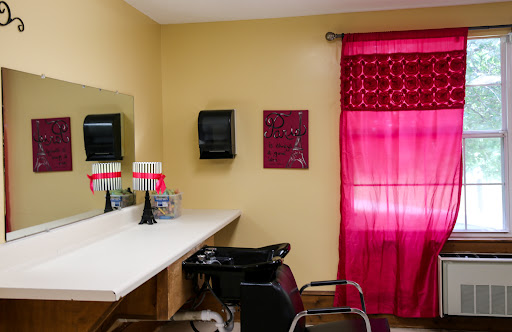
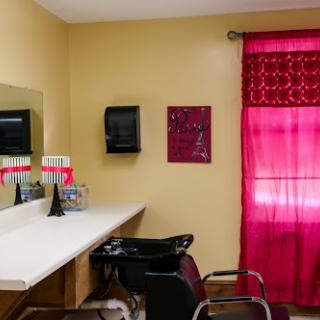
 Beauty salon
 Cable or satellite TV
 Computer center
 Dining room
 Fitness room
 Fully furnished
 Gaming room
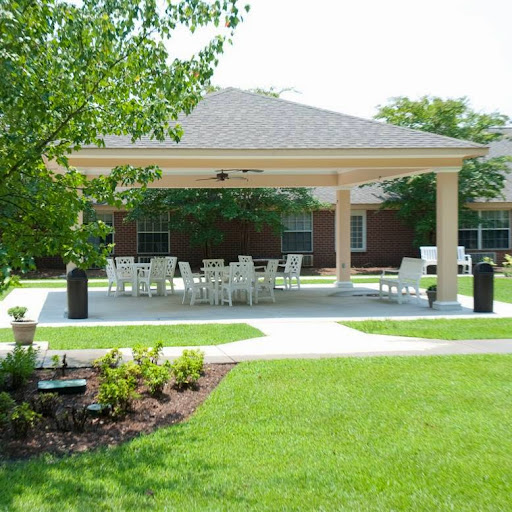
 Garden
 Housekeeping services
 Kitchenette
 Move-in coordination
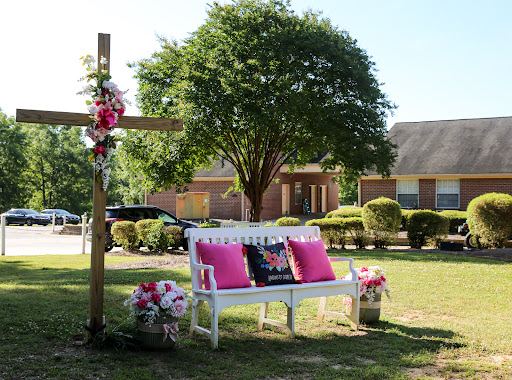
 Outdoor space
 Private bathrooms
 Restaurant-style dining
 Small library
 Telephone
 Wellness center
 Wi-Fi/high-speed internet available
 Community operated transportation
 12-16 hour nursing
 24-hour call system
 Activities of daily living assistance
 Assistance with bathing
 Assistance with dressing
 Assistance with transfers
 Diabetes diet
 Medication management
 Mental wellness program
 Special dietary restrictions
 Concierge services
 Planned day trips



 Seniors and Modern Transportation: Exploring Uber, Lyft, and Other Ride-Hailing Options
 Comprehensive Guide to Qualifying for Home Health Care Services
 Powerful Realities of Elder Abuse and the Most Effective Ways to Report It