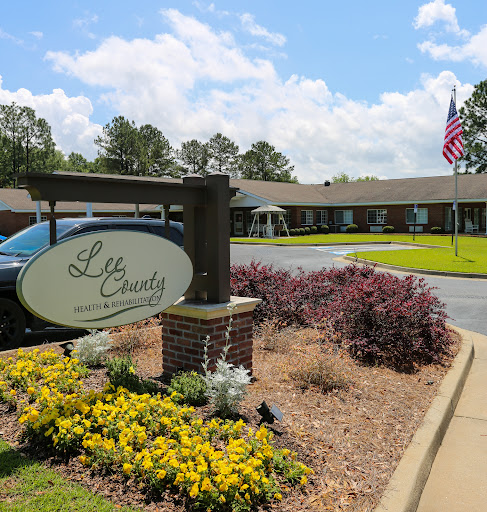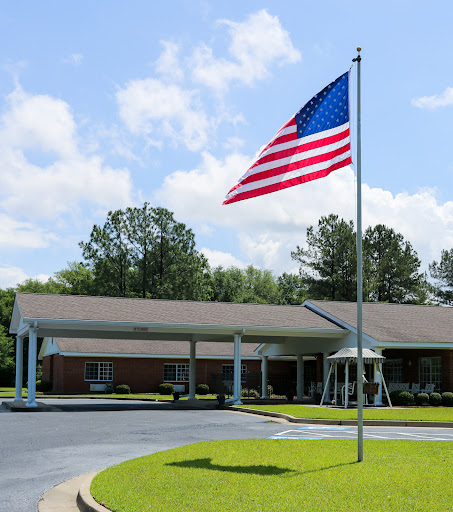





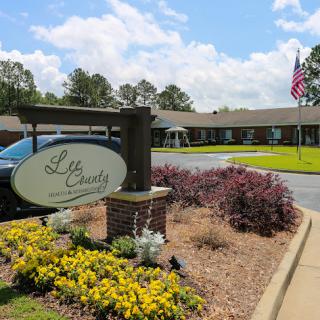
214 Main Street, Leesburg, GA 31763
For more information about senior living options: (866) 208-4318
Overall Review of Lee County Health And Rehabilitation
Pros
 Lee County Health and Rehabilitation is a great place with great staff.
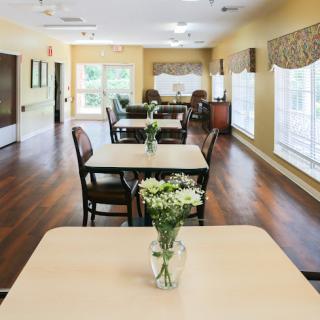
- The facility is clean, does not smell like a nursing home, and the staff are consistently friendly and kind.
- The staff are the most personable and caring team.
- They go above and beyond to ensure residents are safe and happy.
- The staff genuinely care for residents and treat them as family.
- They patiently guide families through every step of the process.
- The care and services are excellent, and the facility is immaculate.
- There have been no issues with the staff, facility, or program.
Cons
 The management is unprofessional.
- They base decisions on personal feelings toward staff rather than fairness.
- They retaliate against staff who report concerns by finding fault in their mistakes.
- They show fake, insincere care toward patients and staff.
Review
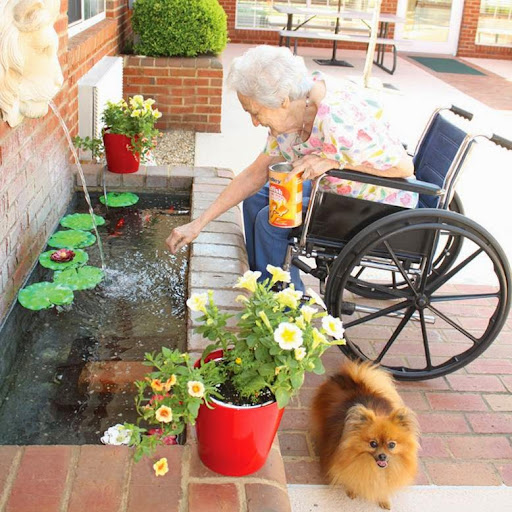
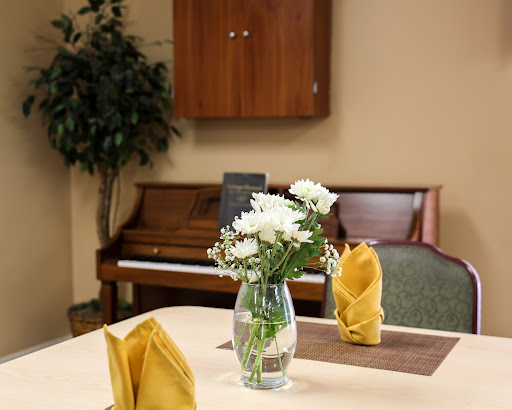
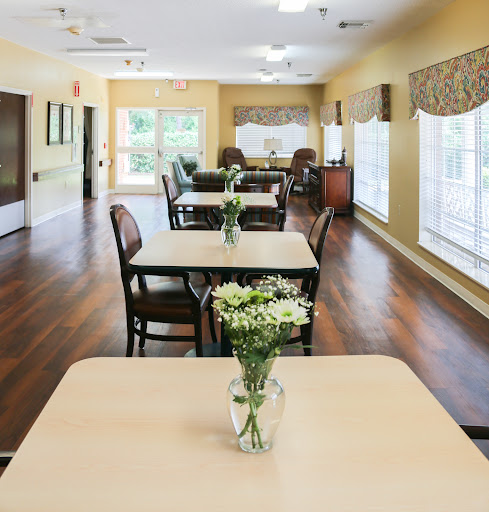
Lee County Health and Rehabilitation in Leesburg is best suited for families seeking a warm, resident-centered skilled nursing environment where daily care feels personal, attentive, and consistently clean. This community shines for elders who value hands-on staff interaction, reliable help with everyday needs, and straightforward, proactive communication with families. The atmosphere appears to emphasize dignity and companionship, with residents described as well cared for and treated like family. For families prioritizing a home-like feel, good home-cooked meals, and a clear sense that staff take pride in their work, this facility delivers in spades.
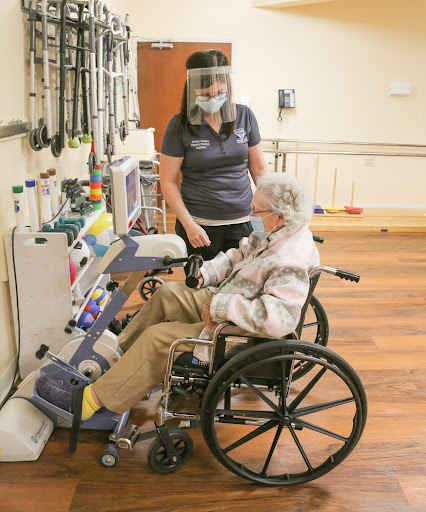
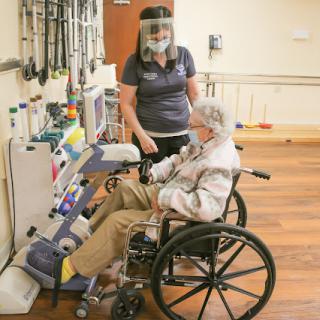
That said, certain realities warrant deliberate consideration. If core needs include highly specialized medical programming, aggressive rehabilitation with a broad range of therapy modalities, or a facility with a uniformly formal, corporate-management impression, alternatives may be preferable. Some reviewers flag concerns about management style and decision-making, noting potential inconsistencies in leadership and responses to staff or family concerns. While the day-to-day caregiving and resident welfare remain persuasive positives, these leadership dynamics can matter to families seeking a consistently steady governance framework or a more standardized customer service experience.
The strongest pros, the compassionate, tireless staff; the emphasis on safety and routine; the remarkable cleanliness and absence of a hospital-like odor; and the excellent family-communication flow, fundamentally address the most pressing needs of long-term residents and post-acute rehab clients alike. Families repeatedly describe staff as genuinely caring, patient, and willing to go “above and beyond,” with staff members who communicate clearly about care plans and transitions. The facility’s culinary quality and attention to home-like details further offset typical anxieties about skilled-nursing settings, helping residents feel seen and respected each day. The long track record, including multi-decade family trust and positive word-of-mouth, reinforces confidence that this is a place where stability and continuity matter.
Nevertheless, the weaker notes about management cannot be dismissed. Instances of perceived unprofessionalism or personal-feeling-based decision-making introduce a layer of risk for families who prize a uniformly professional leadership environment. In practice, this tension tends to manifest more in administrative mood and process than in actual resident care, but it can influence quick problem resolution, consistency of policies, and the tone of day-to-day interactions at the executive level. The prudent approach is to verify current leadership stability, request direct conversations with the administrator or director of nursing, and observe how concerns are handled during a tour or trial week. This due diligence helps determine whether the care experience will remain steady even if management dynamics shift.
From a decision-making standpoint, the facility’s strengths align with those who want a warm, communicative, community-oriented setting for aging parents or spouses, especially if the priority is daily quality of life, responsive assistance, and a nurturing environment. For families living at a distance, the ability to receive regular, detailed updates and to feel connected through staff is a meaningful advantage. For residents and families who prioritize formalized governance, risk-averse operations, or a broader menu of high-intensity therapy options, it makes sense to compare with other options that foreground administration structure, programming depth, or larger clinical networks.
In summary, Lee County Health and Rehabilitation offers a compelling match for seniors who value genuine care, a clean, homelike setting, and robust family communication, with care that often feels attentive and relational. The primary caveat is management style, which may not suit every family’s preference for a uniformly corporate or highly standardized leadership approach. Weigh this against the overwhelmingly positive day-to-day experience documented by residents and families: if stability in care and a warm, engaged staff culture are the top criteria, this facility should be high on the short list. For those needing highly specialized rehab programs, advanced clinical oversight, or a more strictly professional governance model, evaluating alternatives with stronger alignment to those priorities is advisable.
 60 resident community capacity
 Skilled Nursing Facility
 Air-conditioning
 Beauty salon
 Cable or satellite TV
 Computer center
 Dining room
 Fitness room
 Fully furnished
 Gaming room
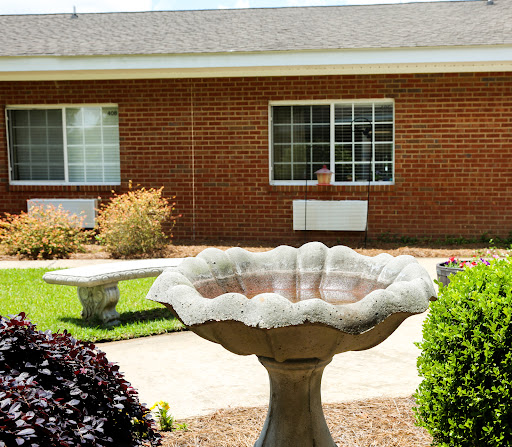
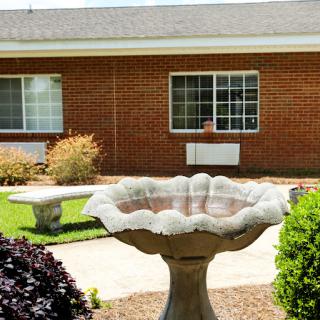
 Garden
 Housekeeping services
 Kitchenette
 Move-in coordination
 Outdoor space
 Private bathrooms
 Restaurant-style dining
 Small library
 Telephone
 Wellness center
 Wi-Fi/high-speed internet available
 Southwest Georgia Regional (14 miles away)
 Community operated transportation
 12-16 hour nursing
 24-hour call system
 Activities of daily living assistance
 Assistance with bathing
 Assistance with dressing
 Assistance with transfers
 Diabetes diet
 Medication management
 Mental wellness program
 Special dietary restrictions
 Concierge services
 Planned day trips





 Comprehensive Insights and Practical Strategies to Help Older Adults Avoid Falls
 6 Crucial Ways an Elder Law Attorney Assists Families
 Navigating the Tax Landscape of Caregiving: Credits, Deductions, and Beyond