Information last verified:
619 Northside Dr, Griffin, GA 30223
For more information about senior living options: (844) 490-3973
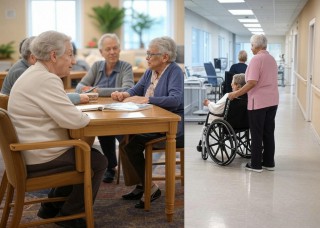
This community is best suited for families seeking a warm, hands-on environment where rehabilitation progress and personal attention come first. It works well for short-term rehab after illness or surgery, where residents benefit from daily therapy, frequent encouragement, and staff who know them by name. The setting tends to feel like a small, family-oriented house of care rather than a polished, hospital-grade campus, and that atmosphere often translates into meaningful mobility gains and improved mood for residents who respond to steady, personable support. For long-term residents, the recognizable caregivers and daily routines can provide comforting consistency, especially for those who value a homey feel and staff who treat family members with respect. In sum, the strongest case is for families who prioritize genuine staff engagement, practical rehab outcomes, and a welcoming, communal vibe over flashy amenities or glossy presentations.
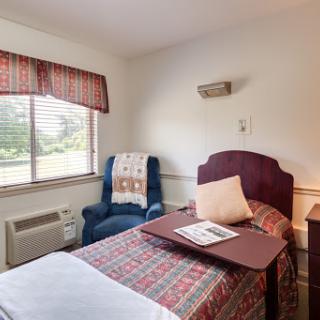
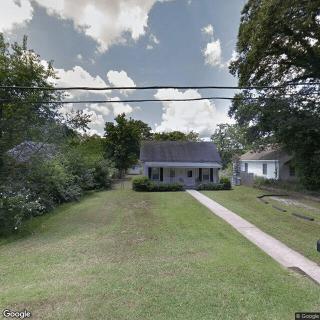
Those who may want to consider alternatives are those who demand flawless, top-to-bottom operational rigor or who need highly predictable, near-perfect communication with families. Several reviews flag inconsistent or hard-to-reach administrative contact, and some families describe patchy discharge planning or mixed messages about care plans. A few accounts also raise safety and hygiene concerns, and there are mentions of medication management issues and lapses in responsiveness. For families that prize continuous, proactive updates, or for residents who require exceptionally stringent oversight, a facility with a more regimented care-coordination program and steadier executive leadership may provide greater reassurance. Another red flag for some is the building’s age and appearance; for those prioritizing modern surroundings as part of overall well-being, a newer campus could feel more comfortable.
The long list of approachable pros largely offsets the main drawbacks when the priority is compassionate, hands-on care. CNAs and nursing staff frequently come across as helpful, uplifting, and professional, delivering consistent patient care that includes daily room maintenance, timely med administration, and encouragement to participate in activities. Families repeatedly note the facility’s cleanliness and the genuine warmth of caregivers, with multiple accounts praising staff who go beyond routine duties, whether it’s arranging social outings, coordinating rehab goals, or simply keeping residents in good spirits. Rehab-focused success stories stand out: patients who arrive unable to perform basic tasks often leave with regained independence, walking with assistive devices or through targeted therapy. The smaller, intimate atmosphere helps staff form trusting relationships with residents and families, which in turn supports adherence to therapy and daily routines.
Praises are tempered by specific, believable drawbacks that warrant attention during due diligence. While many reviewers speak highly of the director and certain team members who provide personal touch, others describe confusion around care plans, delays in communication, and instances where call-bells or requests were not promptly acknowledged. A few families recount concerns about safety and cleanliness, and there are outlier comments about negative experiences with particular clinicians or caregivers. The variability suggests that while many residents thrive, care quality can depend on which shifts are on duty and which leaders are guiding the unit at any given time. For families with recent or ongoing needs, this underscores the importance of direct observation, meeting multiple staff members, and requesting a clear, written plan that names responsibilities and timelines.
To make the most informed decision, approach visits with concrete questions and a readiness to observe operations in real time. Ask to meet the administrator and medical director, review the daily care plan for each resident, and request examples of how transitions in care are handled, including meds, therapy scheduling, and discharge planning. Inquire about staffing patterns, response times, and how family updates are delivered (frequency, channels, and point of contact). If rehab is a priority, request a typical therapy schedule, the therapist-to-resident ratio, and recent functional outcomes for residents similar to the prospective loved one. Bring up specific concerns noted in online reviews, communication gaps, discharge coordination, or safety incidents, and ask what concrete changes have been made to prevent recurrence. The facility rewards families who come prepared with clear expectations and a collaborative mindset.
The bottom line is practical and clear: for families seeking a compassionate, closely watched rehab-orientated setting with staff who frequently go the extra mile, this Griffin location can deliver meaningful gains and a genuine sense of being cared for. The best fit is someone who values daily human connection, accessible staff, and a home-like environment that supports recovery as much as possible within an older, smaller facility. However, if steady, polished communication, flawless operational consistency, or cutting-edge facilities are non-negotiable, exploring alternatives with stronger formal processes and newer infrastructure is advisable. In any case, a thorough, in-person tour paired with candid conversations about care governance will illuminate whether this community aligns with the specific needs and expectations of the person to be cared for.
Spalding Health Care is an assisted living community located in the charming city of Griffin, GA. Our community is conveniently surrounded by various amenities that cater to the needs and preferences of our residents.
For nature enthusiasts, there are three parks situated nearby, providing opportunities for leisurely walks, picnics, and outdoor activities. These serene green spaces offer a peaceful environment for relaxation and rejuvenation.
Ensuring the well-being of our residents is our priority, which is why we have nine pharmacies in close proximity. This allows for easy access to medication and healthcare supplies whenever needed. Additionally, having 41 physicians nearby ensures that medical assistance is readily available when required.
We understand the importance of enjoying delicious meals and socializing with friends, which is why we are delighted to have 14 restaurants in the vicinity. Whether residents prefer casual dining or fine cuisine, there are options available to suit all tastes and preferences.
Transportation options abound near our community as well, with two transportation services conveniently accessible. This ensures that residents can easily reach appointments or enjoy outings with ease and convenience.
For those seeking spiritual solace or a sense of community belonging, our location offers five places of worship nearby. Residents can engage in religious activities and connect with others who share similar beliefs and values.
Lastly, having three hospitals situated close to our assisted living community provides peace of mind for both residents and their families. In case of any medical emergencies or specialized healthcare needs, prompt assistance can be provided without unnecessary delays.
At Spalding Health Care in Griffin, GA, we pride ourselves on offering a comfortable and enriching living experience for our residents while ensuring their safety and well-being through convenient access to amenities in the surrounding area.
Spalding Health Care is located at 619 Northside Dr, Griffin, GA 30223 in Spalding County, Georgia
Exploring Palliative Care in the Home: A Comprehensive Overview

Palliative care enhances the quality of life for seriously ill patients by providing comprehensive support at home through a multidisciplinary team, addressing various needs and prioritizing comfort over curative treatments. While it offers personalized care and involves family in decision-making, challenges like caregiver stress and logistical issues persist, with growing demand prompting advancements in technology and healthcare policies to improve access.
Comprehensive Insights into Palliative Home Care: What It Is and What to Expect
Palliative home care focuses on improving the quality of life for individuals with serious illnesses by providing comfort, symptom management, and emotional support in their own homes. This approach includes personalized care plans, regular assessments, and resources for family caregivers, all while prioritizing person-centered treatment that aligns with patients' goals.
Skilled Nursing Facilities vs. Nursing Homes: Making Sense of the Differences
Skilled nursing facilities (SNFs) provide high-level medical care and rehabilitation for short-term recovery, typically covered by Medicare after hospitalization, while nursing homes focus on ongoing custodial care for chronic conditions, mainly funded by Medicaid or private payments. The staffing and regulatory structures differ significantly between the two, necessitating clarity for families in choosing appropriate long-term care options.