Overall Review of Manor Care Rehabilitation Center - Decatur
common
30 reviews mention this
Staff are often kind and helpful
Residents and visitors frequently describe the staff as kind, responsive, and professional.
A large share of reviews emphasize warm, approachable staff who make residents feel comfortable and supported. Multiple people also mention nurses, CNAs, and therapists being attentive to questions, helping with needs promptly, and communicating in a way families can follow. A few reviews take the opposite view, describing rudeness, long waits for help, or poor communication, but those comments are less consistent than the positive ones.
common
18 reviews mention this
Cleanliness comes up often
Many reviewers say the building feels clean and well maintained.
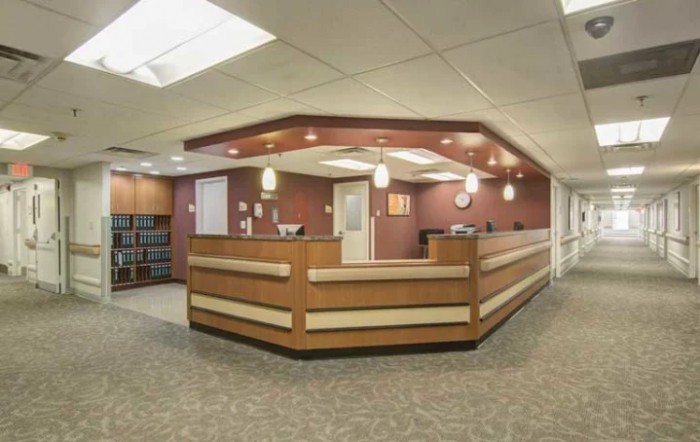
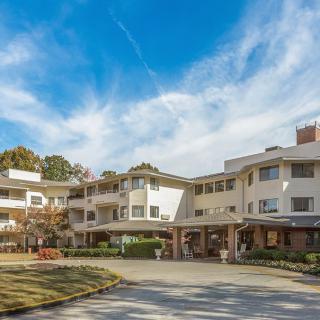
Several reviews praise the facility for being clean and maintained, including comments about fresh smell and rooms being kept up. Some families also describe their loved ones as being well cared for in day-to-day living, which they connect to cleanliness and general upkeep. On the negative side, a handful of reviews describe unsanitary conditions or cleanliness problems, so cleanliness experiences are not uniform across reviews.
differentiator
10 reviews mention this
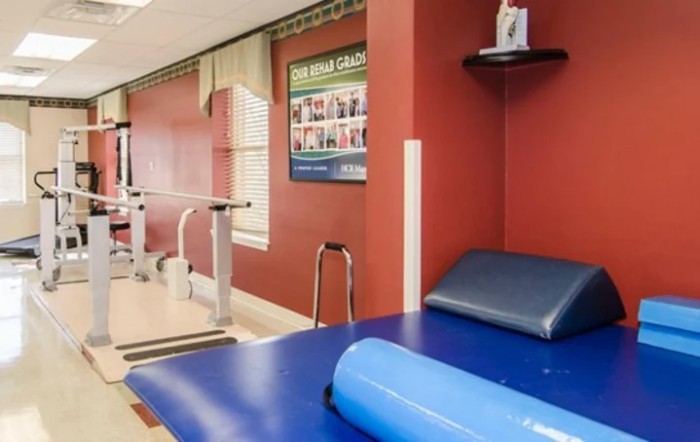
Rehab therapy is a mixed experience
Rehab therapy is frequently singled out, with both strong wins and sharp disappointments.
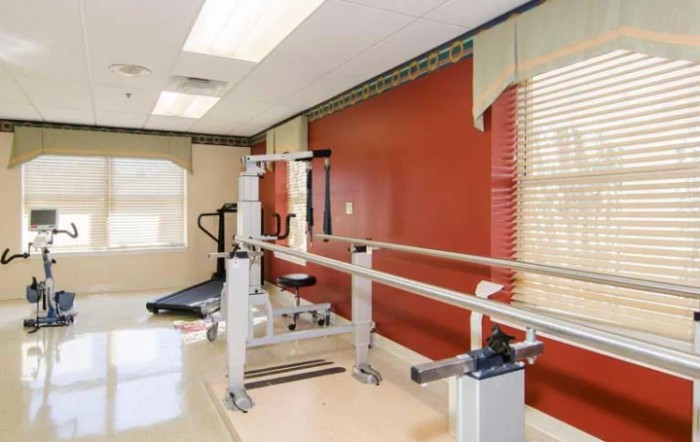
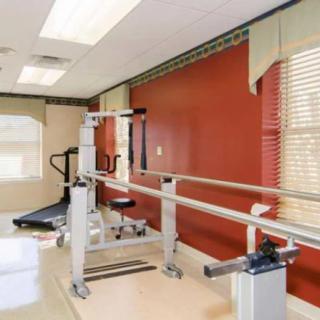
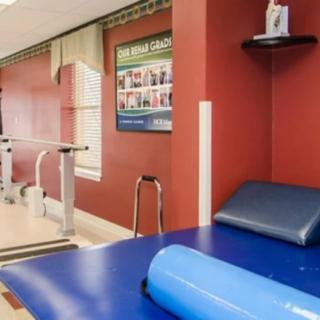
Many reviewers describe strong progress during PT/OT, naming therapists and rehab teams and crediting them for improved strength, mobility, and recovery. Others report the therapy experience falling short of expectations, including limited sessions, slow progress, or delays in care. The contrast suggests that results may depend on the individual plan and how staffing and scheduling play out during the stay.
common
6 reviews mention this
Meals are sometimes praised
Dining quality is a recurring topic, with both positive and negative feedback.
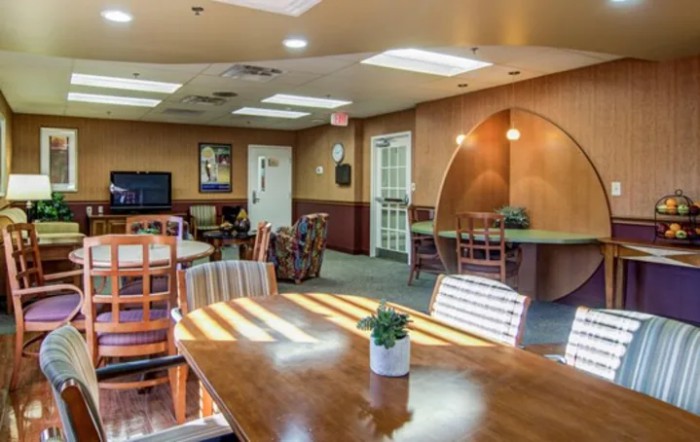
Some reviewers say meals were delicious or that their loved ones liked the food, including comments about a regular dining-room style. Other residents and families describe frustration with meal choices, cold food, or meals not matching selections. Because restaurant-style dining is an offered feature, expectations appear to vary more in day-to-day execution and dietary service than in the general dining setup.
caveat
12 reviews mention this
Care timing and staffing are contested
Some families report delays and lack of follow-through when they need help quickly.
Several reviews describe concerns about call-light responsiveness, waiting long periods for assistance, or staff not noticing health issues promptly. A few negative accounts also include communication breakdowns around medications, toileting help, or discharge coordination. While many other reviews describe attentive support, these recurring complaints point to staffing and workflow consistency as a possible weak spot.
common
3 reviews mention this
Convenient location is noted
Reviewers mention the location as convenient for visits and access.
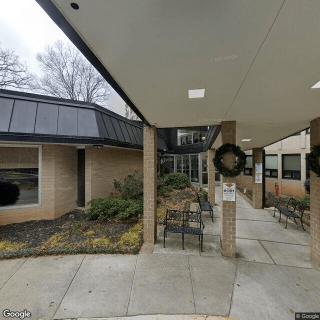
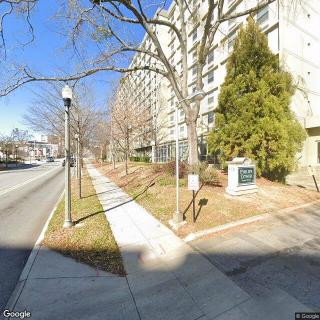
A few reviewers highlight convenience, including an easy location and being near stores within walking distance. Others also connect the site to practical needs, such as proximity to healthcare and family logistics. Reviews that focus on day-to-day care tend to be more detailed than those focused on location alone.
How we summarize
Counts show how many written reviews mention each theme; a review can touch several themes, and only frequently mentioned themes are displayed.



 140 resident community capacity
 Skilled Nursing Facility
 Air-conditioning
 Beauty salon
 Cable or satellite TV
 Computer center
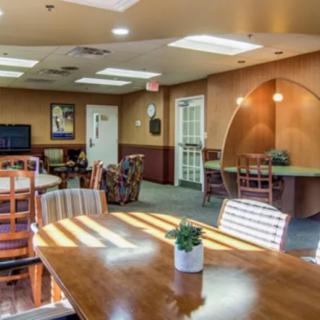
 Dining room
 Fitness room
 Fully furnished
 Gaming room
 Garden
 Housekeeping services
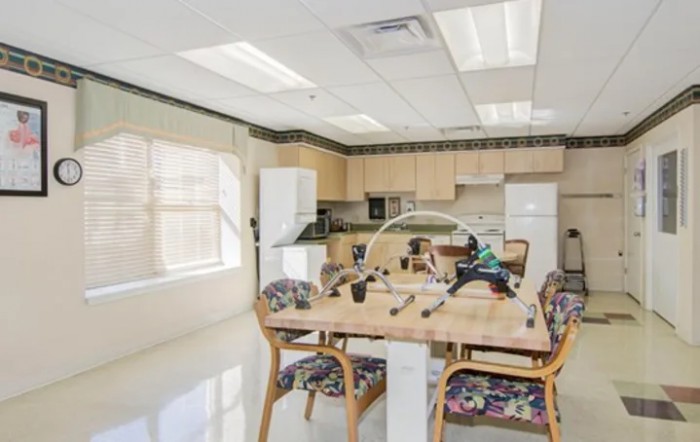
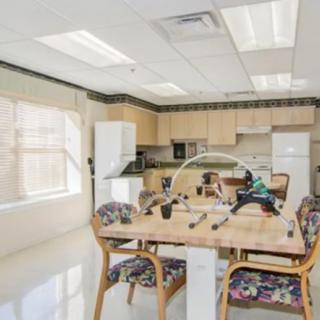
 Kitchenette
 Move-in coordination
 Outdoor space
 Private bathrooms
 Restaurant-style dining
 Small library
 Telephone
 Wellness center
 Wi-Fi/high-speed internet available
 William B Hartsfield-Atlanta International (13 miles away)
 Community operated transportation
 12-16 hour nursing
 24-hour call system
 Activities of daily living assistance
 Assistance with bathing
 Assistance with dressing
 Assistance with transfers
 Diabetes diet
 Medication management
 Mental wellness program
 Special dietary restrictions
 Concierge services
 Planned day trips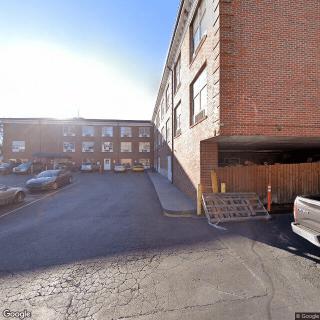
 Clean environment with quality meals and caring staff.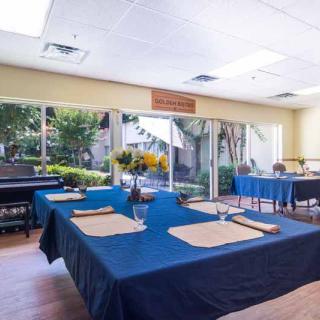



 Understanding the Sandwich Generation: Stress and Responsibilities for Multigenerational Caregivers
 8 Essential Assistive Devices for Older Adults
 Navigating the Financial Road to Nursing Home Care: In-Depth Guidance and Resources