
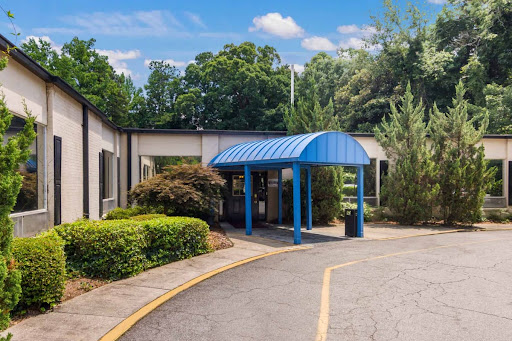




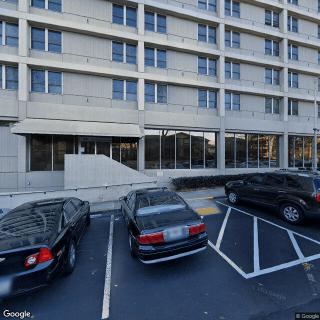
2787 North Decatur Road, Decatur, GA 30033
For more information about senior living options: (866) 208-4318
Overall Review of North Decatur Health And Rehabilitation Center
Pros
 The staff is caring, compassionate, and attentive to residents.
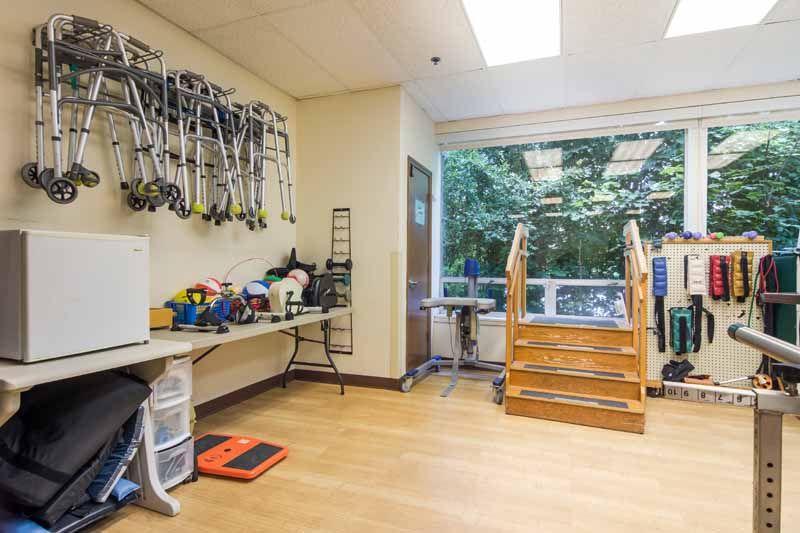
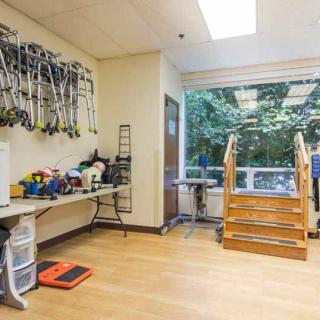
- The therapy department staff helped residents get up and walking again and resume regular activities after surgery.
- The nursing staff demonstrated professionalism and excellence in carrying out orders throughout the stay.
- The CNA staff provided prompt responses to resident call button requests.
- The kitchen staff adequately met residents' dietary needs.
- The social work staff coordinated services that contributed to a positive stay and facilitated a smooth return home.
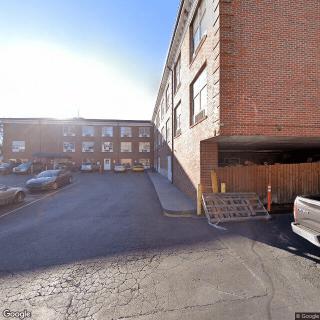
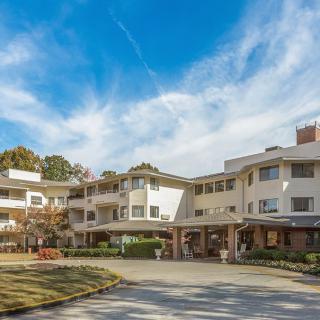
- The facility is clean and inviting, leaving a positive first impression.
- The center is described as a First Class organization and is highly recommended by residents.
- The staff consistently implemented COVID-19 precautions to protect residents while maintaining care.
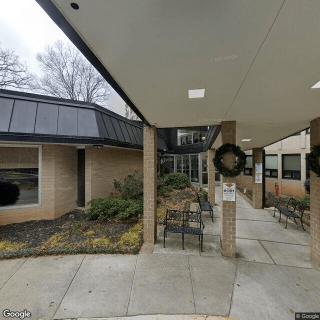
- The patio garden is beautiful and described as therapeutic.
Cons
 The reviewer calls it a dump and warns others to run away from it.
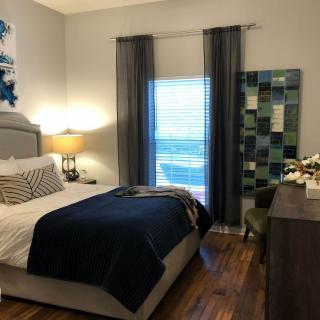
- The bathrooms smelled like urine and the rooms were dingy.
- Most of the staff were lazy and had bad attitudes.
- Bedding, ice, and water were not provided unless repeatedly asked.
- Floors were not mopped and the bathrooms were not sanitized daily.
- The patient’s ADL needs were not met; he hadn’t had a shower or brushed his teeth for days.
- The facility reeked of urine and residents were left unattended.
- A patient was left in bed in diapers and not helped to the toilet when help was requested.
- A UTI developed due to delayed testing and neglect.
- The center is described as a warehouse for patients; care is horrible, and physical therapy is a joke.
- The facility should be closed down.
Review
North Decatur Health and Rehabilitation Center is best suited for families who will stay actively involved in a loved one’s recovery and who need a rehab-oriented stay with real therapy input. It can work well for someone who has recently had surgery or a stroke and benefits from hands-on PT, OT, and speech therapy, provided a dedicated family member is ready to monitor daily care, push for timely bedside needs, and coordinate discharge planning. This community rewards oversight: when families are engaged, therapy goals can be pursued and staff can be held accountable. For any resident whose safety or daily needs require constant, reliable attention, this facility performs best with a vigilant advocate at the table.
Those weighing alternatives should focus on proximity to trusted family support and the facility’s track record for cleanliness, consistent med administration, and reliable call-button response. Consider other options if a relative requires near-daily assistance with ADLs, continuous nursing oversight, or seamless coordination for dialysis and complex medical needs. If a family cannot commit to daily check-ins and formal bedside follow-ups, the risk of missed care and communication gaps rises here. In short, NDHR is less compelling for highly frail residents or for families seeking a hands-off, turnkey experience.
On the upside, when the therapy and nursing teams are operating at full capacity, the care can be responsive and goal-driven. Several reviews highlight compassionate CNAs and skilled therapists who push for mobility and functional gains, with administrators who get involved and help link residents to services on discharge. The kitchen and housekeeping support has been praised in some accounts for reliability and basic cleanliness, and a well-coordinated social work component can aid families in navigating post-acute plans. In scenarios where staff schedules align with patient needs and communication remains open, NDHR delivers meaningful rehabilitation momentum.
Yet the most significant concerns run counter to those strengths. A sizable portion of the feedback points to inconsistent care quality, with reports of odor in hallways, unaddressed personal care, and missed or delayed routines for showers, meds, and daily hygiene. Several families describe staff attitudes as a barrier to trust, and there are alarming anecdotes about lapses in medical vigilance, UTI symptoms not promptly tested, inappropriate food choices for dietary restrictions, and delays in basic nursing interventions. In the harshest memories, residents appeared unattended, and administrative or clinical miscommunications left families frustrated and worried about safety.
For families deciding now, the practical path is to demand concrete, guardrail-level assurances before admission: a clear daily therapy schedule with documented progress, a specific plan for bowel and bladder care, timely administration of meds, and a defined escalation process when needs aren’t met. Request a live, on-site tour focused on cleanliness, room condition, and maintenance of bathrooms; verify staffing levels during peak hours; and ask to review recent incident or safety logs. Ensure a robust discharge plan is in place, with home health coordination and transportation arranged, so the transition home is seamless rather than reactive.
Bottom line: North Decatur Health and Rehabilitation Center is a mixed bag that rewards proactive families and punishes passivity. It can deliver strong rehab outcomes when staff are engaged, care plans are clear, and oversight is relentless. However, the facility’s history of odor issues, uneven nursing attention, and reported gaps in daily care create real risk for anyone unable to supervise closely. If a family has viable alternatives with steadier staffing, better consistency, and cleaner environments, those options should be prioritized. If choosing NDHR, enter with explicit expectations, a tethered discharge strategy, and a commitment to daily advocacy that translates into safe, timely, and respectful care.
 73 resident community capacity
 Assisted Living
 Skilled Nursing Facility
 Air-conditioning
 Beautician on-site
 Cable or satellite TV
 Computer center
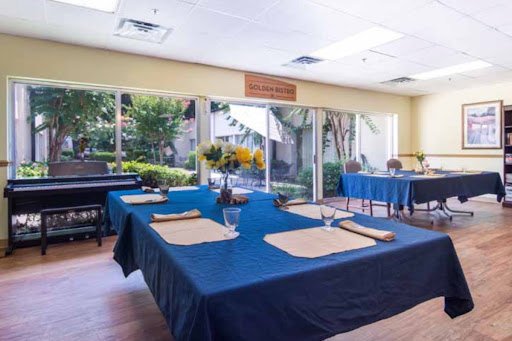
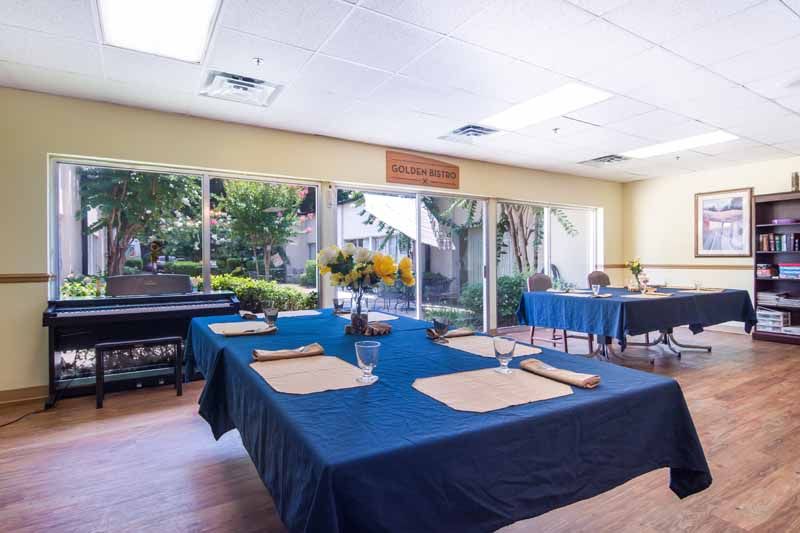
 Dining room
 Financing advice
 Fitness room
 Fully furnished
 Gaming room
 Garden
 Guest parking
 Housekeeping services
 Kitchenette
 Laundry
 Move-in coordination
 Outdoor space
 Party space
 Private bathrooms
 Restaurant-style dining
 Small library
 Telephone
 Wellness center
 Wi-Fi/high-speed internet available
 William B Hartsfield-Atlanta International (14 miles away)
 Community operated transportation
 12-16 hour nursing
 24-hour call system
 Activities of daily living assistance
 Assistance with bathing
 Assistance with dressing
 Assistance with transfers
 Diabetes diet
 Hospice care
 Medication management
 Mental wellness program
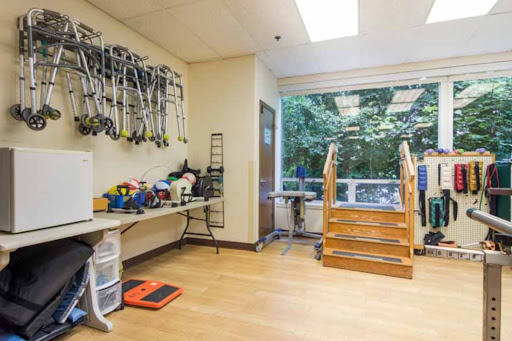
 Physical therapy
 Psychiatric care
 Special dietary restrictions
 Arts and crafts
 Book club
 Concierge services
 Cooking club
 Games
Games Live musical performances
 Planned day trips
 Religious services



 How and When Medicaid May Cover Assisted Living Costs
 A Detailed Exploration of Assisted Living Medicaid Waivers Across the United States
 Comprehensive Residential Support and Assisted Living Solutions for Individuals with Disabilities