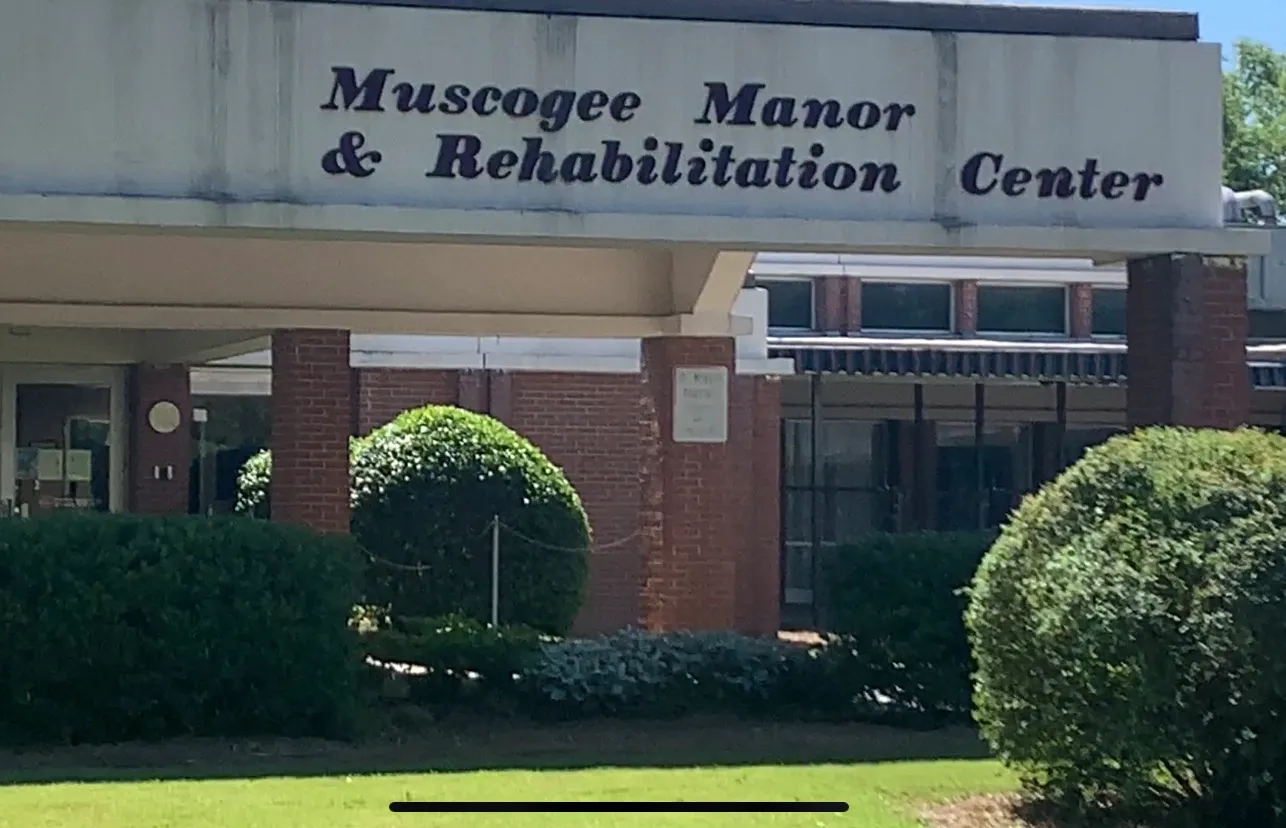
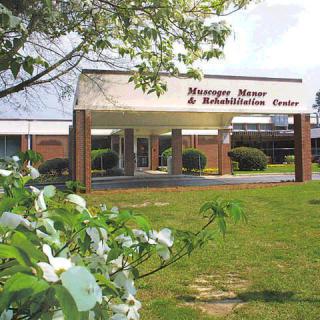
Muscogee Manor & Rehab Ctr in Columbus, GA
Save
7150 Manor Rd, Columbus, GA 31907
For more information about senior living options: (844) 490-3973
What level of care are you interested in?

Assisted Living

Memory Care

Independent Living

Skilled Nursing Facility

Continuing Care Retirement Community (CCRC)CCRC

Other
Muscogee Manor & Rehab Center is best suited for families seeking a rehab- and activity-forward option in Columbus that can deliver hands-on attention from caring staff when the facility is properly staffed. The strongest fit is for those whose loved ones need post-acute rehab, ongoing nursing support, and daily engagement rather than a purely clinical environment. When the team is fully present, residents benefit from attentive CNAs, skilled nursing care, and a program that keeps seniors engaged through organized activities. The facility's size can support a broad range of services, and several families report clean surroundings, visible warmth from front-desk staff, and a willingness to go the extra mile during recovery. For families prioritizing meaningful interaction and structured rehab, Muscogee Manor can be a solid choice.
Alas, alternatives should be seriously considered for those with higher demands for reliability and specialized memory care. Several reviews flag chronic understaffing, high turnover among CNAs, and inconsistent caregiving, which translates into missed routines, delayed medication administration, and limited one-on-one time. Families with loved ones who have advanced dementia or complex medical needs may find the level of supervision uneven and the care coordination lacking on some shifts. Those who require transparent, timely communications - regular updates, rapid callback responses, and proactive hospital-level monitoring - may experience frustration here. In short, this community can work well when staffing is sufficient, but it does not consistently meet those baseline expectations across all shifts.
The most compelling positives center on the rehab team's dedication and the facility's practical benefits. Reviews repeatedly commend the compassionate nurses and therapists, the cleanliness of spaces, and the emphasis on getting residents back to daily living activities. Several accounts highlight clean rooms, dependable laundering of clothes, and a programmatic approach that keeps seniors engaged. When care teams are aligned, families notice meaningful progress in mobility and independence, and the environment can feel supportive rather than merely clinical. These strengths help offset some operational downsides by delivering real value in recovery trajectories and day-to-day well-being.
Yet significant drawbacks temper the overall impression. The most persistent concern is inconsistent staffing and its ripple effect: rushed care, patients left unattended, and uneven quality of interaction. Complaints about not being able to reach staff, delayed responses, and abrupt hospital transfers without clear family notification underscore a fragile communication framework. Several reviews describe instances of neglect - several residents not receiving timely assistance or proper routine care - and even reports of patients being moved or discharged with insufficient planning. These experiences cannot be dismissed and dramatically affect trust and long-term satisfaction, especially for families balancing multiple care needs.
The living environment itself presents a mixed picture. Some families praise the facility's organized operations, solid safety measures, and a welcoming atmosphere, while others point to aging infrastructure and dated rooms that feel less than contemporary. The contrast is real: a large, capable campus that can meet many clinical needs, yet with pockets of maintenance and modernization gaps. Laundry services and room cleanliness receive positive notes from some visitors, while others report mismatches between expected and delivered housekeeping. Prospective families should inspect room conditions, common areas, and the maintenance rhythm during a visit to gauge consistency.
The practical takeaway is clear. Muscogee Manor & Rehab Center can be a strong choice for families who want robust rehab programming, attentive frontline staff, and a supportive environment when staffing is in good supply. It is less dependable for those who demand uniform, round-the-clock reliability, transparent communication, and highly specialized dementia care. Prospective residents should develop a concrete plan for monitoring care: request regular care updates, ask about nurse-to-resident ratios on each shift, and review dementia-care capabilities and emergency-transfer protocols. If these assurances cannot be met, or if the family prioritizes a consistently modern facility with seamless communication, exploring alternatives is prudent. In the end, the decision hinges on the balance between genuine, skillful hands-on rehab when staffing is adequate and the risk of variability that can undermine daily comfort and safety.
Muscogee Manor & Rehab Ctr is an assisted living community located in the vibrant city of Columbus, GA. Situated in a convenient location, this community offers easy access to various amenities and services that cater to the needs of its residents.
Within close proximity, residents can find two cafes where they can enjoy a cup of coffee or a meal with friends and family. These cafes provide a cozy atmosphere and delicious food options.
Nature enthusiasts will appreciate the two nearby parks, offering beautiful green spaces for walking, picnicking, or simply enjoying the outdoors. These parks provide opportunities for recreational activities and relaxation amidst serene surroundings.
The availability of five pharmacies ensures that residents have convenient access to their medication needs. With these nearby pharmacies, obtaining prescriptions or over-the-counter medications is made effortless.
Additionally, there are four physicians located nearby who can provide medical care and support to residents. These healthcare professionals contribute to the well-being of individuals in the community by offering comprehensive healthcare services.
Food enthusiasts will rejoice at the 29 restaurants situated near Muscogee Manor & Rehab Ctr. From local eateries serving delicious Southern cuisine to international flavors from around the world, these dining establishments provide diverse culinary experiences for residents to enjoy.
Lastly, having one hospital in close proximity ensures that any medical emergencies can be addressed promptly and efficiently. This convenience brings peace of mind to both residents and their families knowing that quality healthcare services are readily accessible when needed.
Overall, Muscogee Manor & Rehab Ctr offers its residents a comfortable living environment with numerous amenities nearby to enhance their daily lives. The community strives to provide a safe and supportive environment while also offering opportunities for social interactions and enjoyment within Columbus, GA's vibrant setting.
Muscogee Manor & Rehab Ctr is located at 7150 Manor Rd, Columbus, GA 31907 in Muscogee County, Georgia
Comprehensive Guide to Medicare Coverage for Hospice Care

Hospice care focuses on providing comfort and support for individuals nearing the end of life, with Medicare Part A covering services like nursing care and counseling for patients with a terminal illness and a life expectancy of six months or less. While most hospice services are low-cost for eligible patients, families should be aware that certain expenses, such as room and board, may not be covered.
Caring for Those Who Care: Recognizing, Understanding, and Overcoming Caregiver Burnout

Caregiver burnout is a common issue resulting from the intense physical, emotional, and mental demands of caregiving, leading to symptoms like fatigue and social withdrawal. To prevent burnout, caregivers should recognize early warning signs and implement self-care strategies, seek support, and prioritize their own well-being alongside that of those they care for.
Caregiver Exhaustion: Recognizing the Signs and Restoring Your Well-Being

Caregiver exhaustion, or burnout, stems from the relentless demands of caregiving, leading to emotional and physical depletion characterized by stress, frustration, and neglect of personal needs. Addressing this burden is essential to prevent long-term consequences, with early recognition and support being crucial for caregivers to maintain balance and implement self-care.