

5775 Peachtree Dunwoody Rd Ne, Atlanta, GA 30342
To contact a resident: (855) 803-5289
For more information about senior living options: (866) 208-4318
Overall Review of Seasons Hospice And Palliative Care
Pros
 Accent Hospice came highly recommended by a doctor and two nurses.
- The hospice staff were wonderful and caring.
- The open 24/7 availability allowed visits anytime.
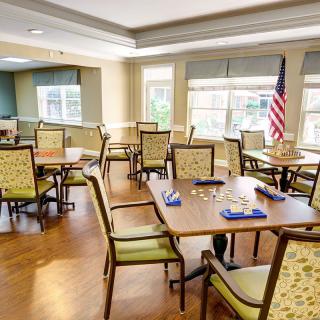
- The rooms were sunny with windows overlooking birdfeeders.
- The staff explained what was going on medically.
- The delivery driver, Micheal, was kind and always called before delivering.
- The nurse Asiyah was compassionate and readily available.
- The music therapist Anna was a calming presence with the voice of an angel.
- The team was patient, skilled, and dedicated to making the end-of-life experience special.
- The care lifted the family up and felt deeply supportive.
- They went out of their way to keep medications available to keep her comfortable.
- After the loved one passed, the team stayed in touch and offered grief support.
Cons
 The staff member lied about sending a fax and took three weeks to send a single page.
 - The staff denied the applicant's hospice application.
- The reviewer stated the staff were unpleasant, liars, and obviously incompetent.
- The death certificate process after death was terrible and clunky, with no accountability from hospice or crematorium.
- There was a failure to provide timely help during the final hours; no one arrived as promised.
- They did not return calls or provide death certificate information, forcing the funeral home to chase them.
- Home-care instructions were insufficient; medications often ran out or arrived late/inconsistently.
- The reviewer would not recommend Seasons Hospice to anyone.
Review
Seasons Hospice and Palliative Care in Atlanta is best suited for families seeking deeply compassionate, hands-on end-of-life support for a loved one who benefits from constant nursing contact, in-home comfort, and a warm, relational care team. The program excels when the goal is to maximize comfort, dignity, and emotional and spiritual support in the final weeks or days. Families that value clear, ongoing communication and access to supportive services, music therapy, chaplaincy, and personable nurses and aides, will find the core experience aligns with those priorities. It works especially well for patients who can stay in a home-like setting or a facility with a patient-centered atmosphere and who are willing to rely on a team-driven schedule rather than rigid institutional procedures.
Those who may want to consider alternatives include households that prize flawless operational efficiency and airtight administrative logistics. When timely responses, consistent after-hours triage, and a seamless, end-to-end process for documenting a death follow-up are non-negotiable, Seasons’ record includes reports of slow or inconsistent communication and delays around documentation. If the care plan hinges on immediate, predictable medication management and rapid escalation of concerns, other providers with stronger centralized administration may better serve those needs. In short, for families that want near-perfect execution in the background while focusing emotional energy on the patient, it pays to shop around.
On the upside, the caregiving team is repeatedly described as genuinely devoted, patient, and emotionally present. Families recount 24/7 accessibility and the ability to visit unimpeded, with nurses, aides, and therapists delivering thoughtful, personalized care. In many cases, the in-home and in-facility experience features meticulous attention to comfort, medication management to relieve pain, coordination to obtain necessary equipment, and supportive touches from therapists and chaplains. These elements produce tangible relief for patients and meaningful reassurance for families, turning fear and uncertainty into a clearer, more dignified last chapter. The most effective caregivers pair technical skill with a human, values-aligned approach that resonates with loved ones.
However, multiple reviews flag real administrative and logistical gaps. Some families report delayed or incomplete communications, with late or missing responses to questions and a lack of clarity about refills or doctor signatures needed for new medications. After the patient’s death, the process can stall, death certificates and related documentation sometimes require persistent prompting, which adds stress during an already painful period. In-home transitions can also be uneven, with instances of staff not meeting expected responsiveness or appearing disengaged. While bedside care may be compassionate, the operational friction undermines the overall experience and leaves families scrambling for a clear single point of accountability.
Those tradeoffs matter because the right balance between compassionate care and administrative reliability determines whether a family can focus on mourning and relief rather than logistics. The strongest pros, continuous access, a truly attentive team, and a spectrum of supportive touches, can offset many worries when administrative workflows are anchored by a designated care coordinator and explicit timelines. To tilt the scales toward a consistently calmer experience, families should request a named liaison, insist on written care plans with milestones, and verify who handles documentation for post-death processes. A candid pre-contract discussion should address response times, escalation paths, and what will be shared via text, call, or portal.
Overall, Seasons Hospice stands out for those who prioritize warmth, empathy, and hands-on comfort in the last chapters of life, accepting that some operational frictions may accompany that care. It tends to be less ideal for households needing flawless administrative execution and a tightly managed post-death workflow. Prospective families should conduct a thorough planning session, secure commitments in writing, and compare with other local providers to ensure the chosen partner matches both the emotional and practical demands. With clear expectations and proactive care coordination, Seasons can deliver a deeply humane experience that respects patient dignity while minimizing family stress.
 Skilled Nursing Facility
 William B Hartsfield-Atlanta International (19 miles away)
 High acuity care





 Navigating the Tax Landscape of Caregiving: Credits, Deductions, and Beyond
 Highly Beneficial Low-Impact Exercises for Senior Living Residents
 Is In-Home Healthcare Tax Deductible? Your Comprehensive Guide