For more information about senior living options: (866) 208-4318
4.5 from 44 reviews
5 stars
35
4 stars
3
3 stars
1
2 stars
1
1 stars
4
Mann House Sandy Springs Costs & Pricing
Mann House Sandy Springs offers a range of accommodations that reflect a premium living experience, with monthly costs significantly higher than both Fulton County and the state of Georgia averages. For instance, a studio apartment at Mann House is priced at $7,500, which starkly contrasts with the county's average of $3,618 and the state's average of $3,520. Similarly, one-bedroom units are available for $9,000 compared to Fulton County's average of $3,411 and Georgia's $3,412. The two-bedroom option is listed at $12,000, notably exceeding the county's average of $3,993 and the state's typical rate of $3,921. These figures highlight Mann House Sandy Springs as a premium choice in senior living within the region, catering to those seeking exceptional amenities and services in an upscale environment.
Floor plans
Mann House Sandy Springs
Fulton County
Georgia
Studio
$7,500
$3,618
$3,520
1 Bedroom
$9,000
$3,411
$3,412
2 Bedrooms
$12,000
$3,993
$3,921
Memory care communities with a similar price nearby
Residents and families consistently describe attentive, personal care.
Many reviewers say the staff is genuinely caring and treats residents like family, with daily time spent and clear communication. Several also mention that care feels consistent across the day, including weekends and nights. A common thread is that residents appear comfortable and settled because staff attention is personal rather than rushed.
common7 reviews mention this
Small community supports more attention
A smaller setup is repeatedly linked to better staff attention.
Multiple reviews highlight the community’s smaller size and describe a staff-to-resident ratio that helps residents get more attention. A few families also mention the home-like feel and note that it does not operate like a large institutional facility. One reviewer specifically points to the limited number of residents to explain why they chose the community.
common5 reviews mention this
Memory care is a focus
Reviews for memory care describe a supportive environment for limitations.
Several reviewers selected Mann House for memory issues, including Alzheimer’s, and report that their loved ones were comfortable in the memory care setting. Families also describe residents as included and engaged through activities. One reviewer, however, felt the memory care area looked dated during a tour and described it as dark and depressing.
common5 reviews mention this
Meals are often praised
Residents frequently mention meals prepared with care.
Food comes up often, with multiple reviews praising the chef and describing meals as extraordinary or prepared on-site. One reviewer also notes that the kitchen is willing to make changes to meet residents’ needs. Another review says a dinner meal was unremarkable, and one person mentions the need for better oversight of dietary restrictions.
common6 reviews mention this
Activities help residents stay engaged
Activities show up in reviews as a real part of daily life.
Reviewers describe planned activities that match residents’ interests, including group events like bingo. Families also mention activity leadership and say residents regularly participate and stay busy. One reviewer specifically calls out the activities director as a highlight, while another describes activities planned as appropriate for residents in memory care.
caveat4 reviews mention this
Cost is a recurring concern
Pricing is repeatedly described as more expensive than alternatives.
Some reviewers flag the cost as higher than other assisted living options they considered. One person also says a further assessment is needed to determine the full bottom-line amount. Another reviewer explicitly labels the community as expensive, while the overall reviews still emphasize the value they saw in care and day-to-day support.
How we summarize
Counts show how many written reviews mention each theme; a review can touch several themes, and only frequently mentioned themes are displayed.
Features
Types of Care
Assisted Living
Memory Care
Amenities
Activities off-site
Activities on-site
Beautician on-site
Devotional services off-site
Devotional services on-site
Indoor common areas
Outdoor common areas
Respite or short term stays offered
Wheelchair accessible showers
Transportation
William B Hartsfield-Atlanta International (18 miles away)
Care Services
Diabetic care
High acuity care
Incontinence care
Medication management
Dining
Kosher
Meals provided
Vegetarian
Activities
Activities off-site
Activities on-site
Devotional activities offsite
Devotional activities on-site
Nearby Places of Interest
This area of Atlanta, Georgia offers a variety of amenities and services that cater to seniors looking for a convenient and comfortable lifestyle. With multiple hospitals and medical centers within close proximity, residents can easily access healthcare facilities when needed. There are also plenty of dining options including popular chains like Chick-Fil-A and local cafes such as Alon's Bakery & Market. Pharmacies are abundant in the area, making it convenient for seniors to fill prescriptions. Additionally, there are several places of worship nearby for those who seek spiritual fulfillment. The neighborhood is well-connected with transportation options such as MARTA stations and Epps Aviation for easy travel. For recreation, parks along the Chattahoochee River offer opportunities for outdoor activities. Overall, this area provides a well-rounded community ideal for seniors looking for a vibrant yet accessible place to call home.
Hospitals
Children's Healthcare of Atlanta at Scottish Rite Hospital (0.9 miles)
Northside Hospital (0.9 miles)
North Dekalb Health Center (4 miles)
Northwest Medical Center (5.4 miles)
Restaurants
Chick-Fil-A (1.2 miles)
Hudson Grille (1.8 miles)
Chick-Fil-A (2 miles)
Alon's Bakery & Market (2.4 miles)
McDonald's (2.4 miles)
Bartaco Chastain Park (3.2 miles)
Subway (3.4 miles)
Cafes
Starbucks (1.5 miles)
Starbucks (2.2 miles)
OK Cafe (5.1 miles)
Starbucks (5.2 miles)
White Windmill Bakery and Cafe (6 miles)
Cross Creek Cafe (6.6 miles)
Pharmacies
Walgreens (1.5 miles)
CVS Pharmacy (1.7 miles)
CVS Pharmacy (1.8 miles)
CVS Pharmacy (2.6 miles)
Walmart Pharmacy (2.9 miles)
Walgreens (3.4 miles)
Walgreens (3.5 miles)
Physicians
Mount Vernon Medical Center (1.8 miles)
Test 4 Free (2.1 miles)
Georgia Clinic (3.8 miles)
Weiss ENT (5.2 miles)
Eye Consultants of Atlanta (5.6 miles)
Wellstar Medical Group Northwest Women's Care (6.3 miles)
Places of Worship
St John United Methodist Church (2.5 miles)
North Atlanta Church of Christ (4.8 miles)
The Church of the Apostles (4.9 miles)
Second-Ponce De Leon Baptist Church (5.2 miles)
Karin Kabalah Center of Atlanta (5.7 miles)
Greek Orthodox Cathedral of the Annunciation (6.1 miles)
Embry Hills Church of Christ (6.4 miles)
Transportation
Brookhaven/Oglethorpe University MARTA Rail Station (3.3 miles)
Mann House Sandy Springs offers a range of accommodations that reflect a premium living experience, with monthly costs significantly higher than both Fulton County and the state of Georgia averages. For instance, a studio apartment at Mann House is priced at $7,500, which starkly contrasts with the county's average of $3,618 and the state's average of $3,520. Similarly, one-bedroom units are available for $9,000 compared to Fulton County's average of $3,411 and Georgia's $3,412. The two-bedroom option is listed at $12,000, notably exceeding the county's average of $3,993 and the state's typical rate of $3,921. These figures highlight Mann House Sandy Springs as a premium choice in senior living within the region, catering to those seeking exceptional amenities and services in an upscale environment.
Mann House Sandy Springs offers comprehensive medication management to ensure that residents receive their prescribed medications on time and in the correct dosages, which is crucial for maintaining their health and managing symptoms associated with dementia or Alzheimer's disease. This careful oversight helps reduce the risk of confusion or forgetfulness, allowing residents to focus on daily activities without the added stress of medication-related concerns. Additionally, incontinence care is provided with sensitivity and respect, promoting dignity and comfort for residents as they navigate the challenges associated with memory loss. By addressing these specific needs, Mann House fosters a nurturing environment where individuals can experience a greater sense of security and well-being.
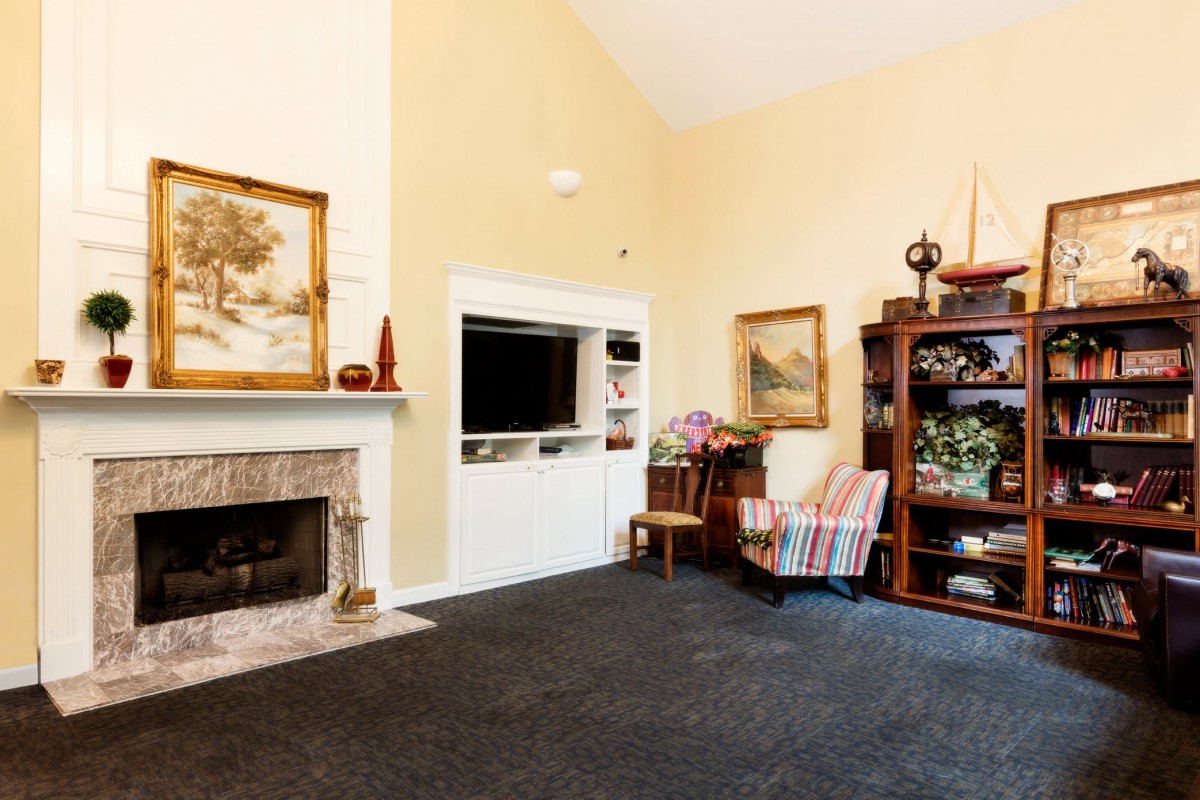
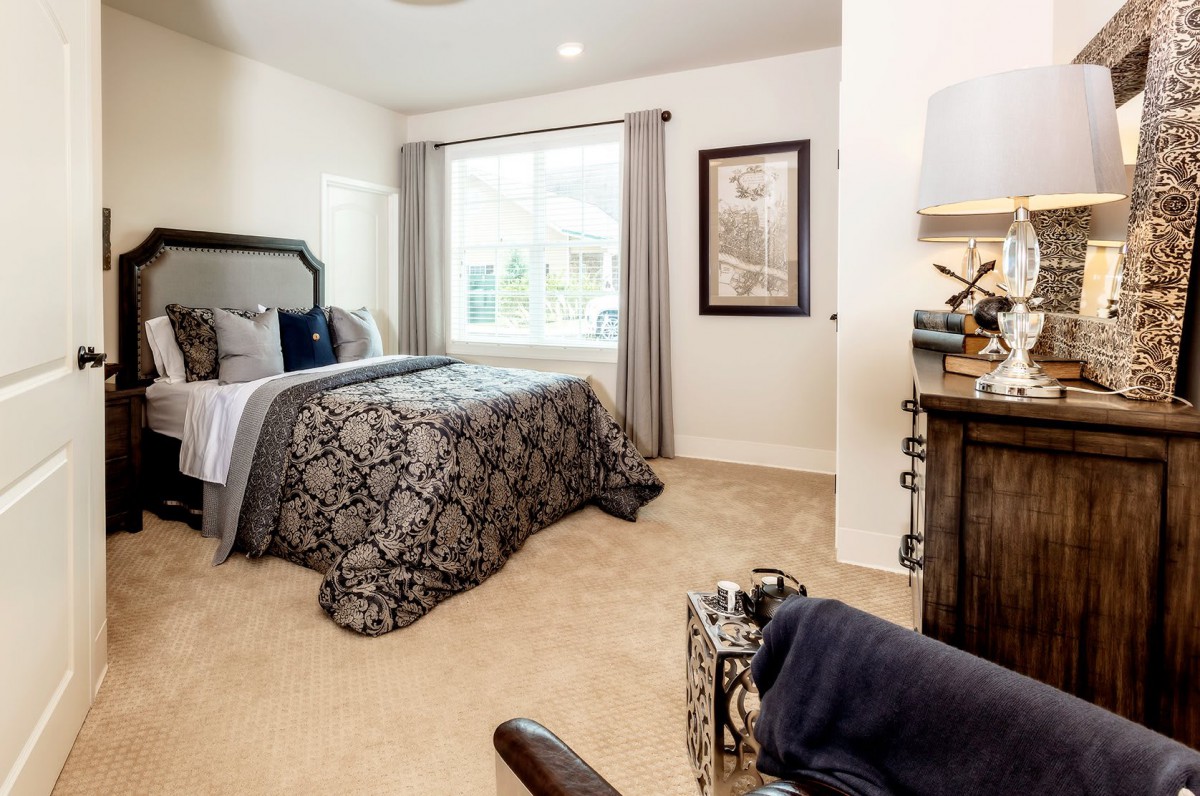
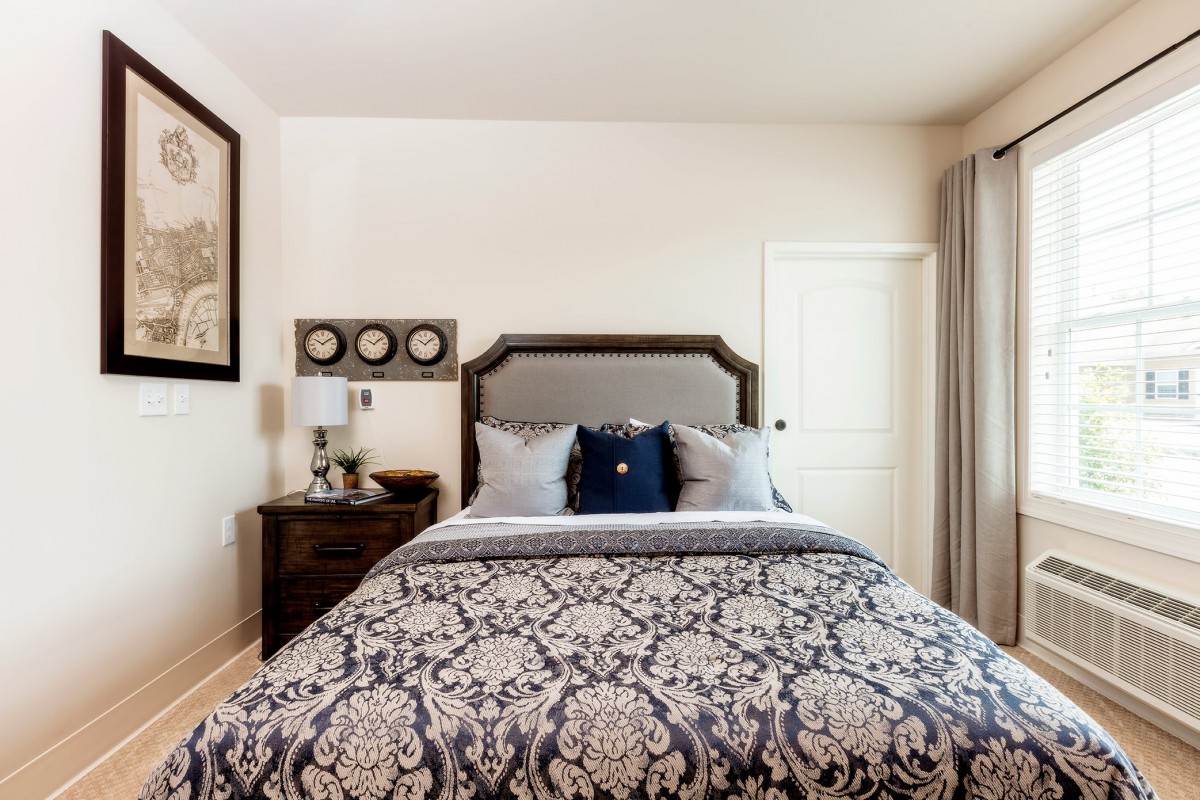
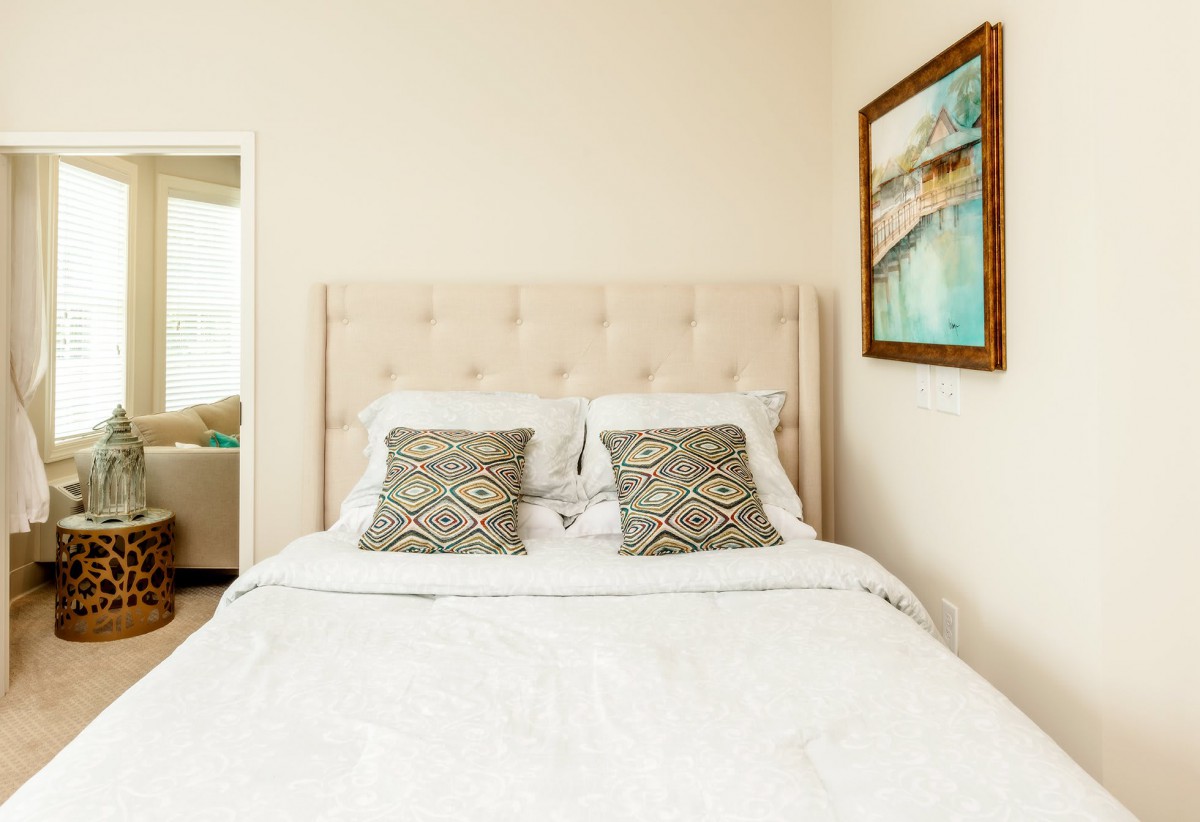
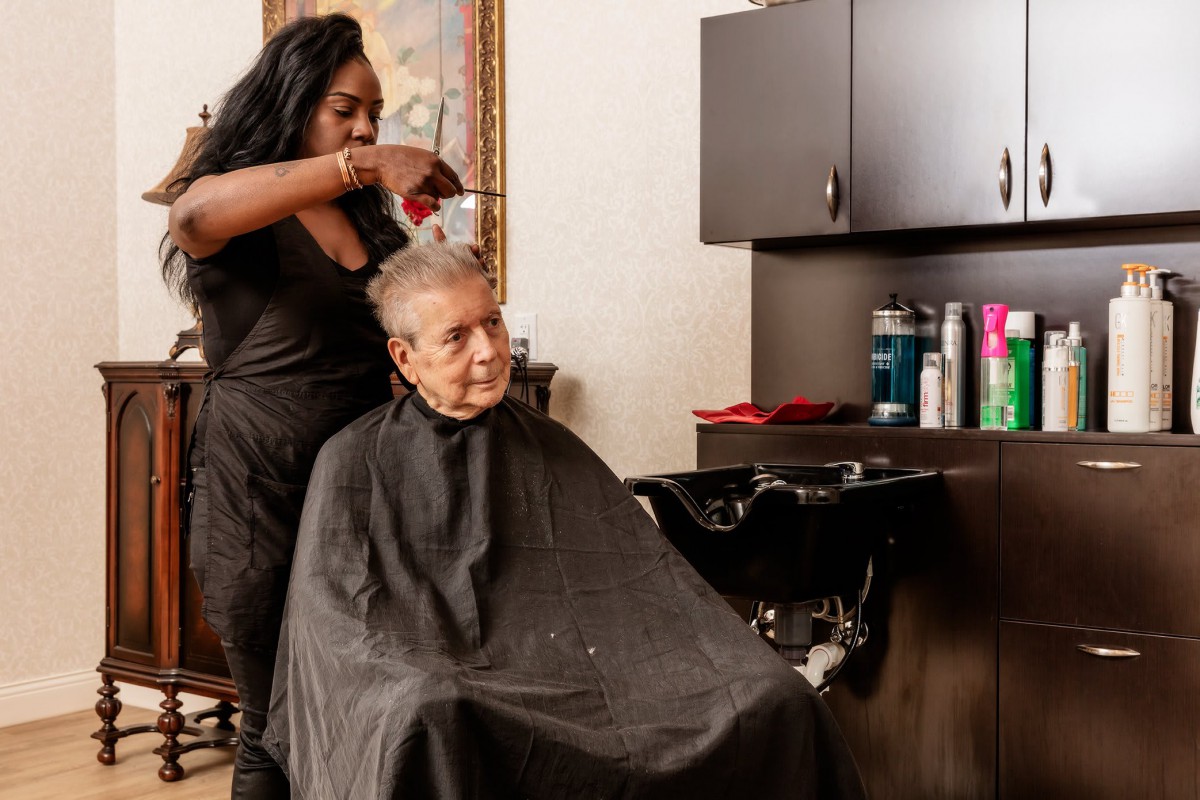
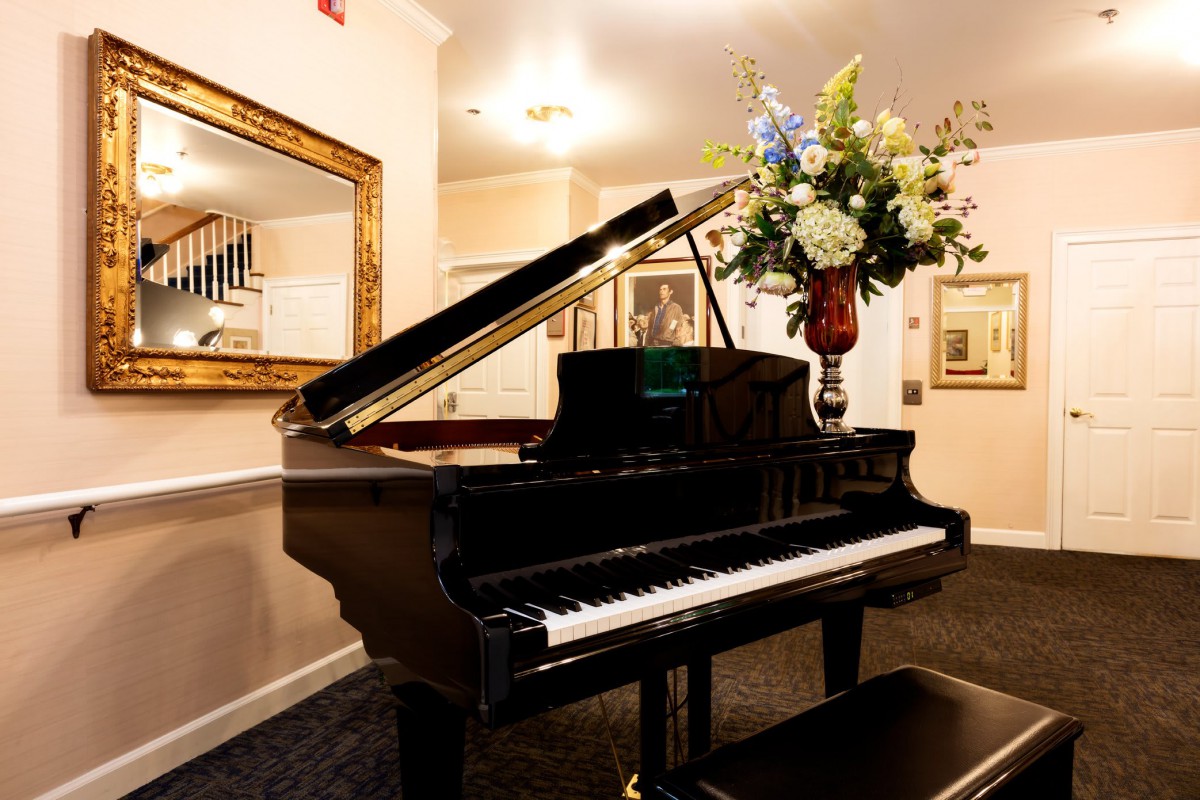
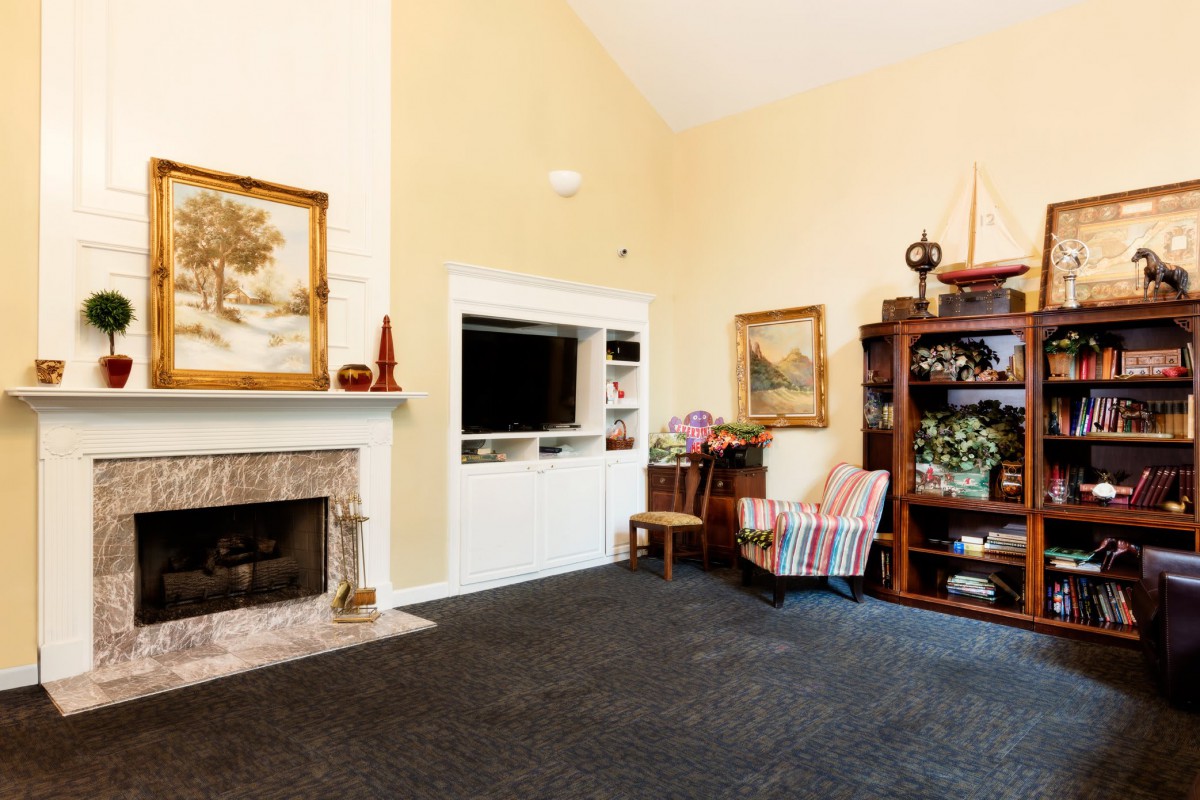
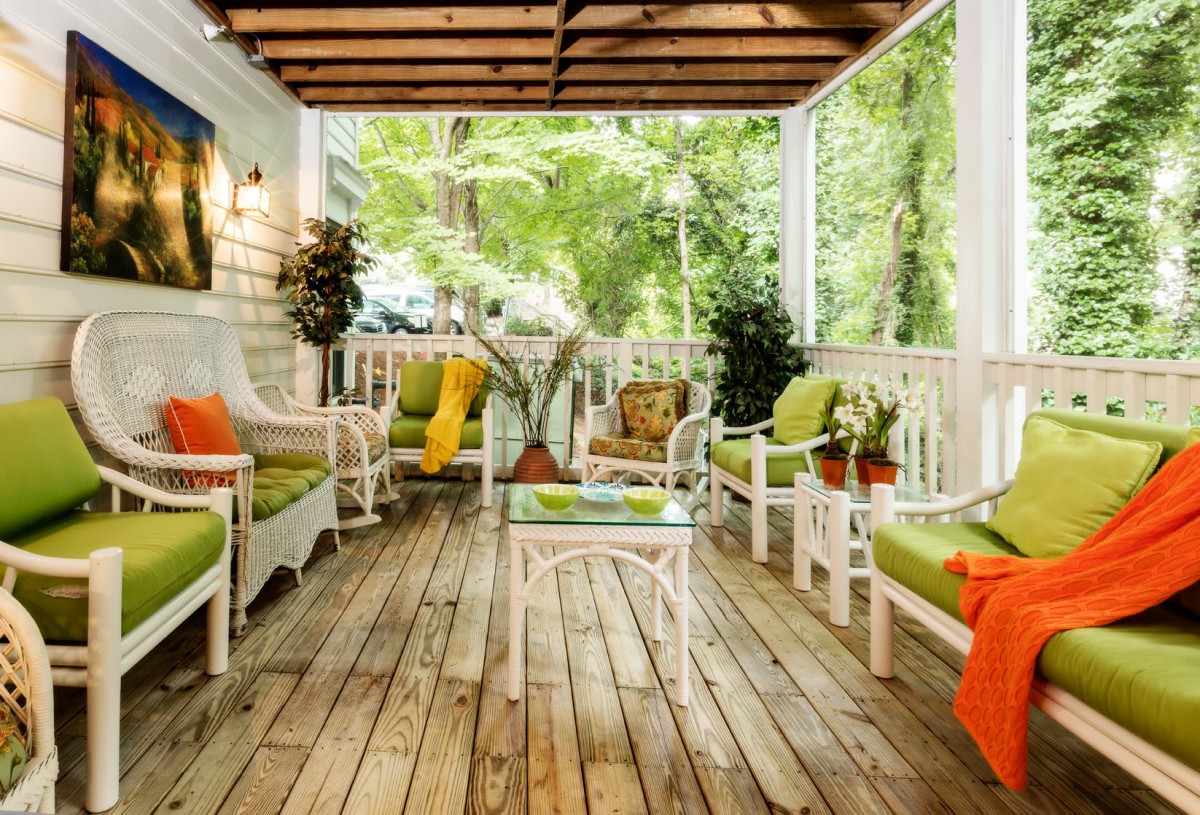
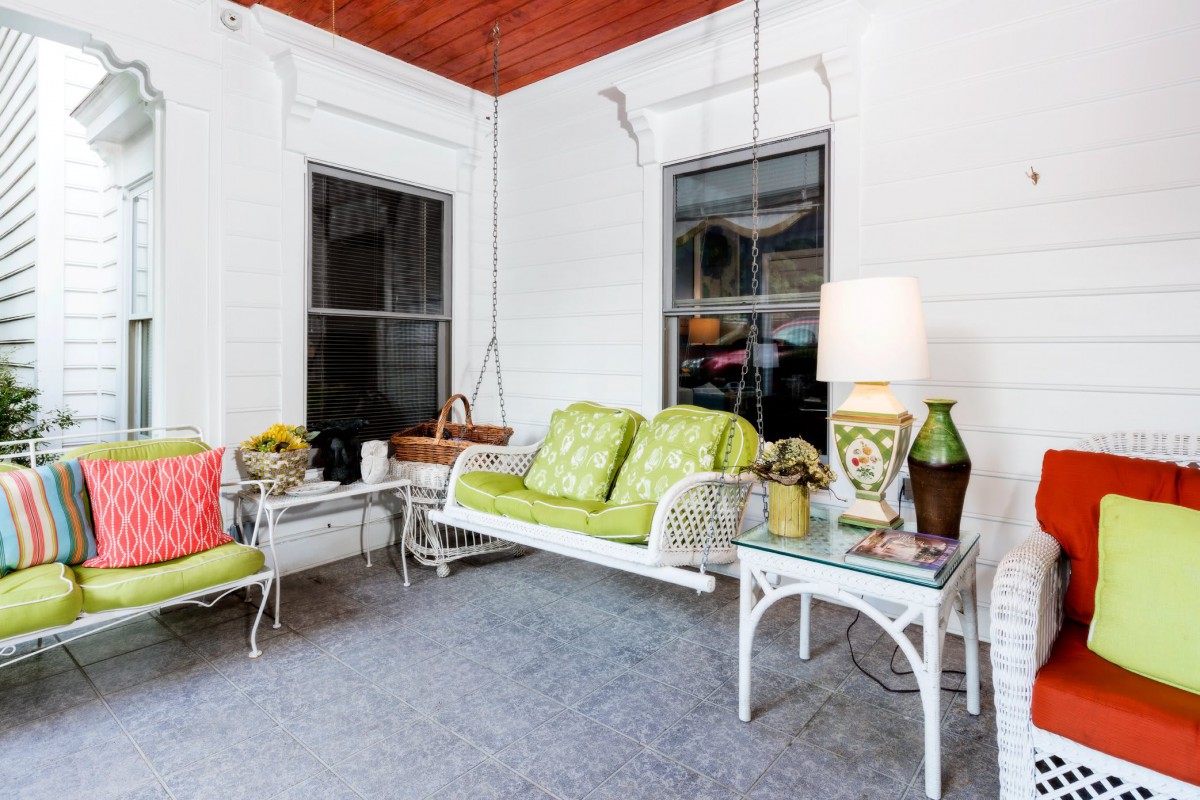
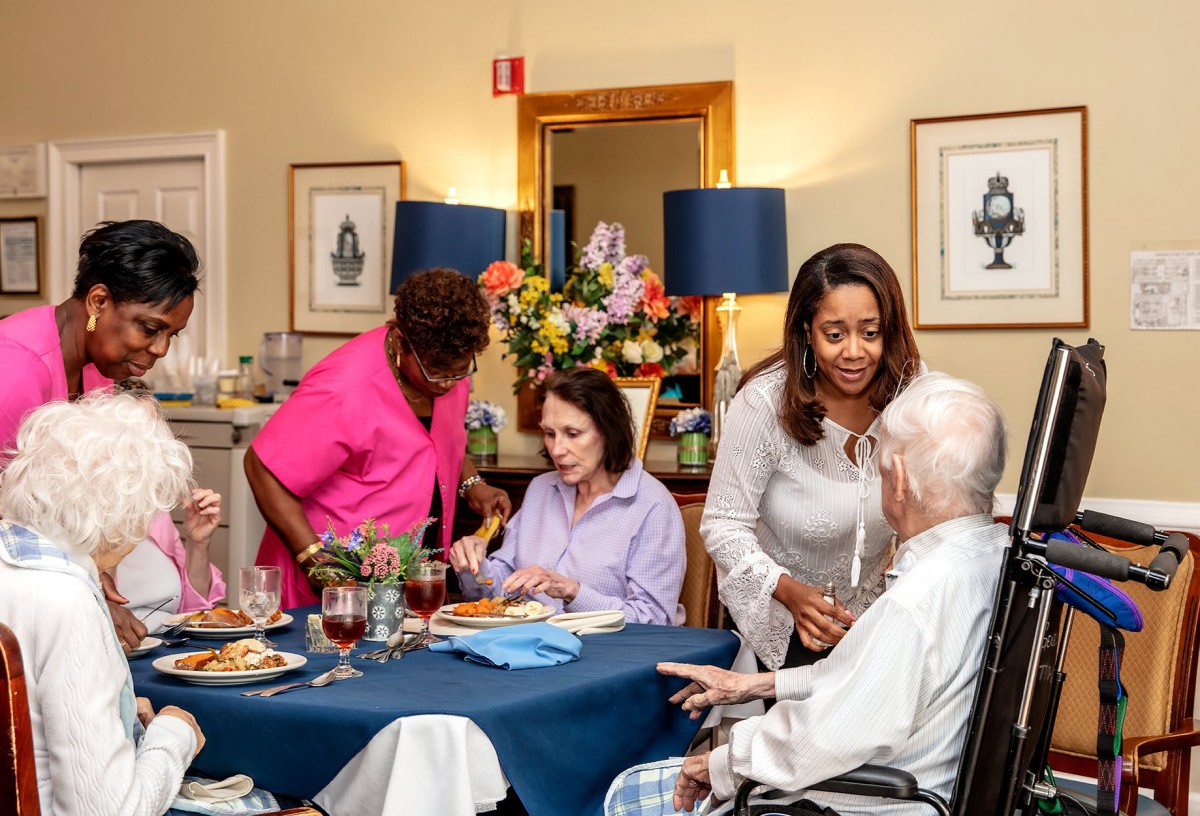
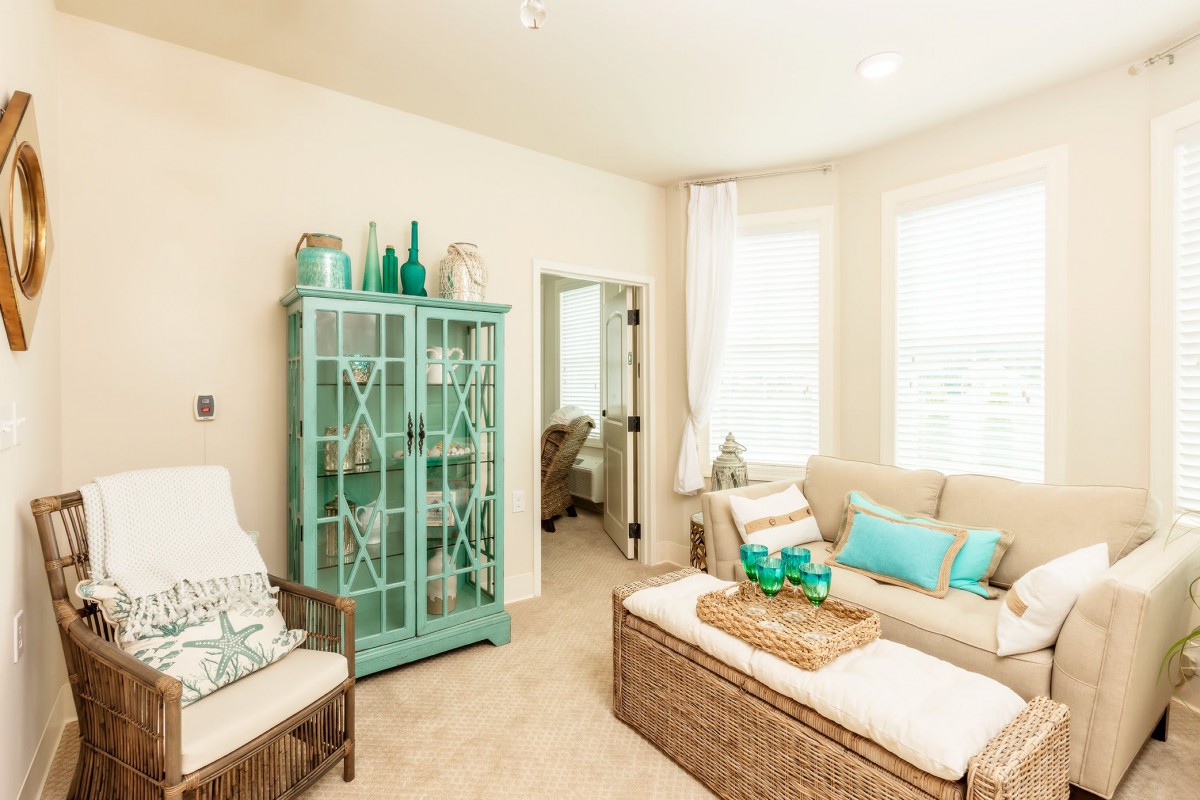
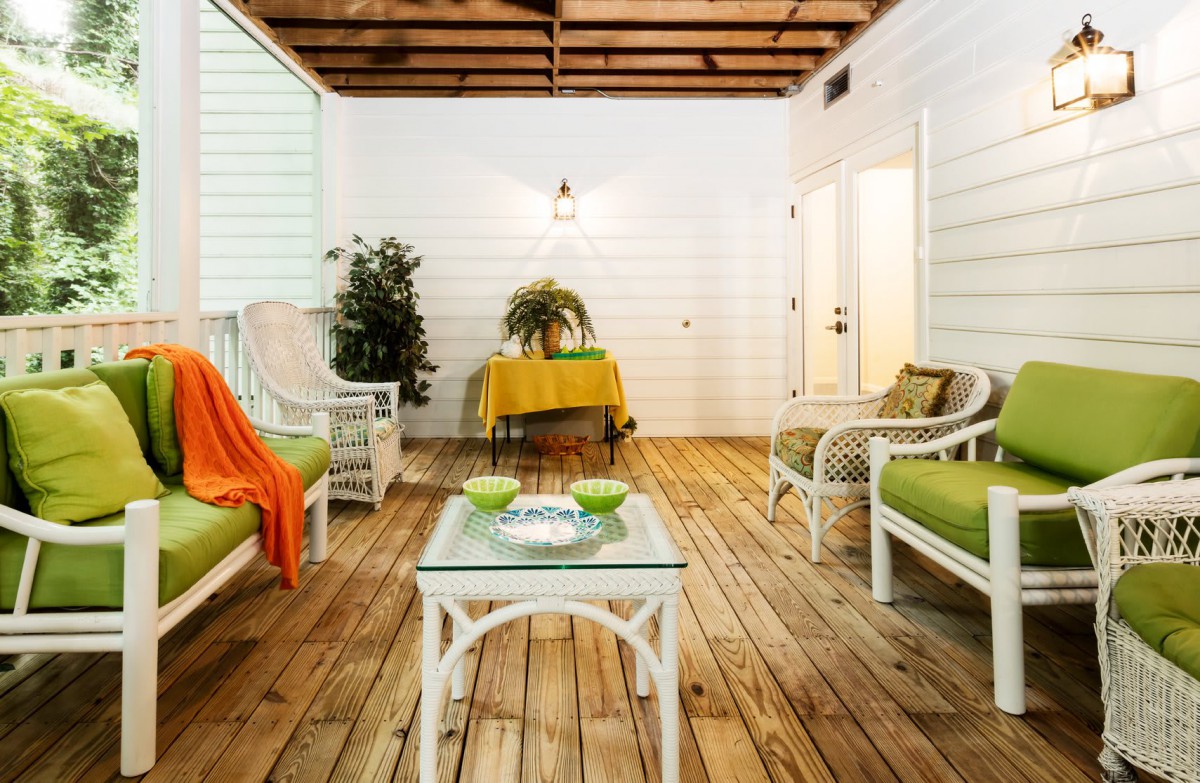
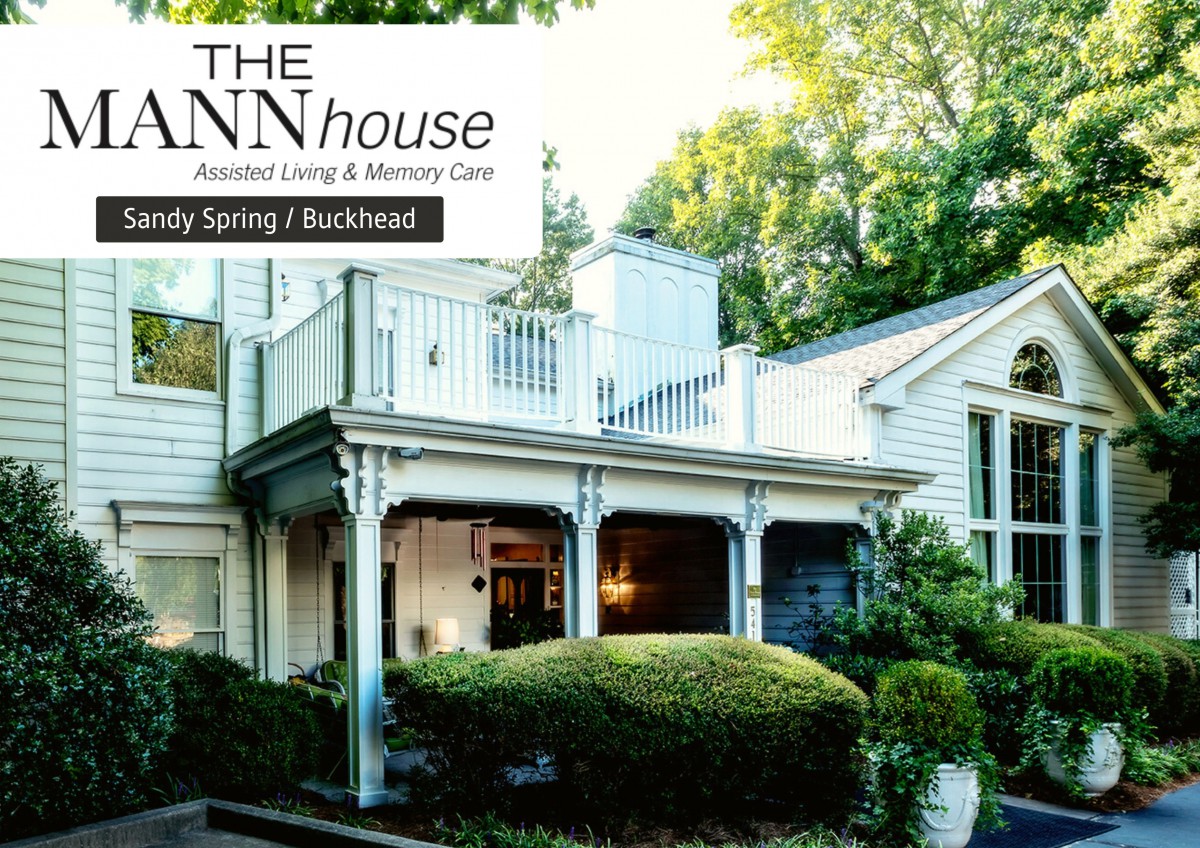
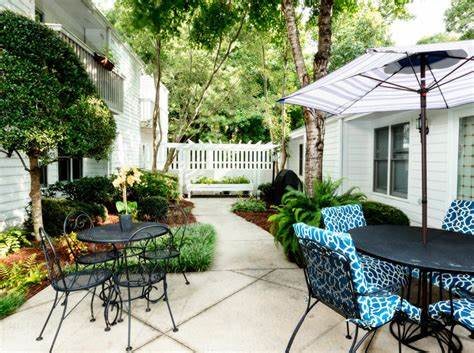
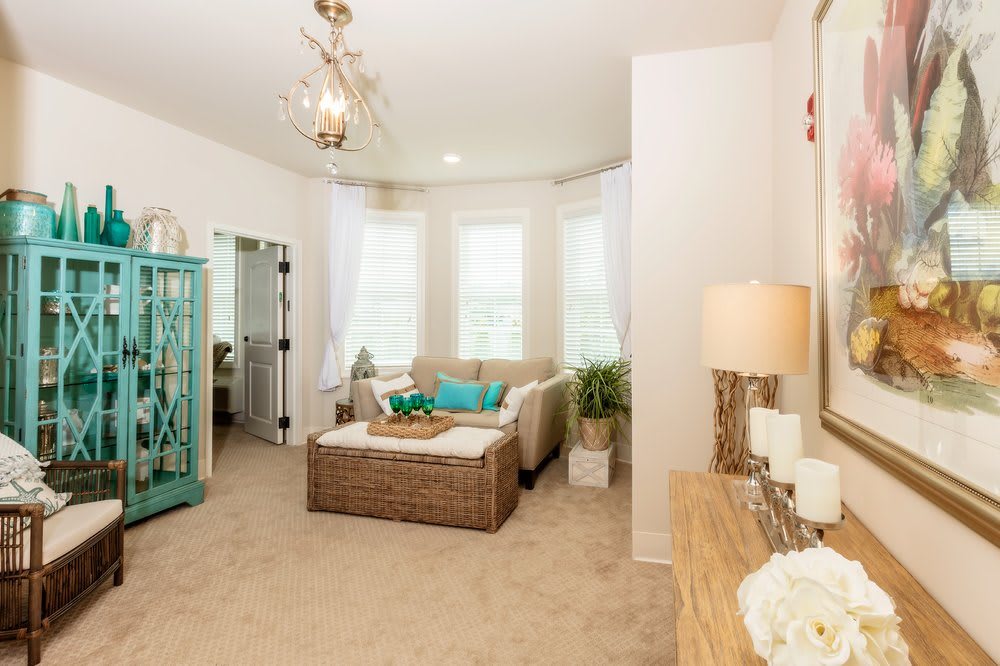
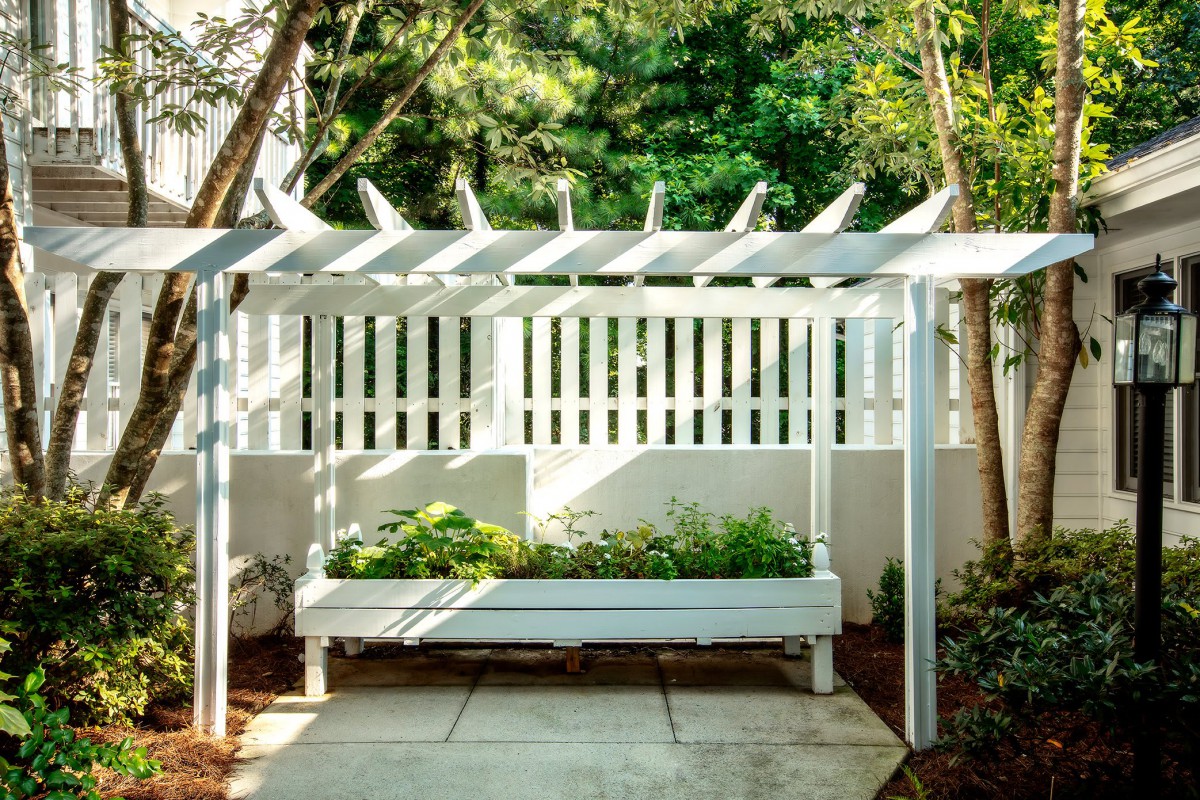
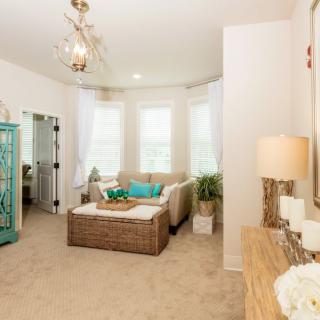
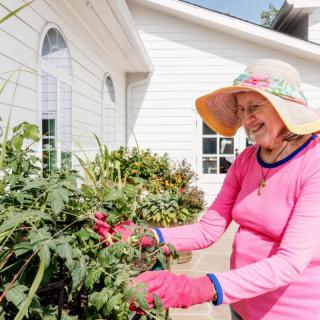
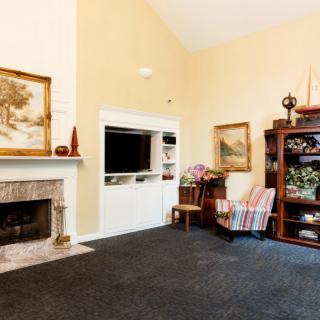
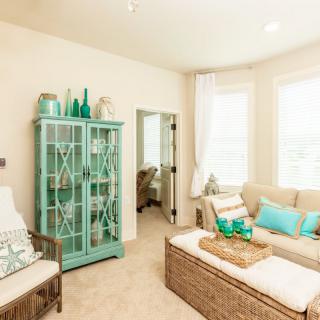
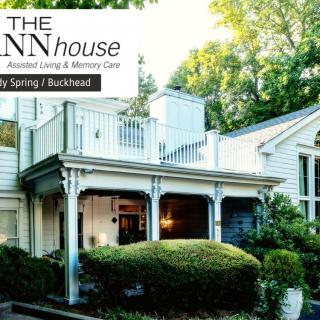
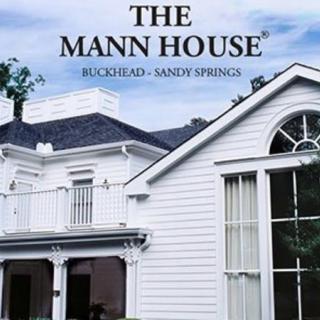
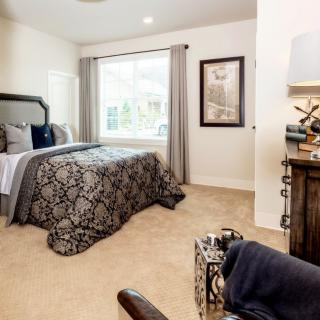
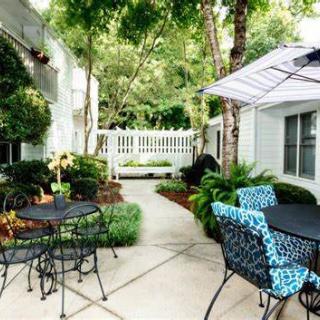
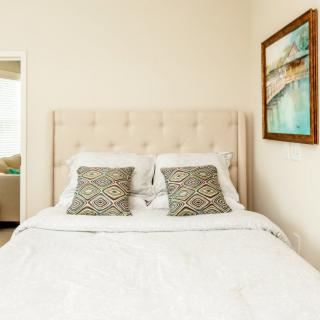
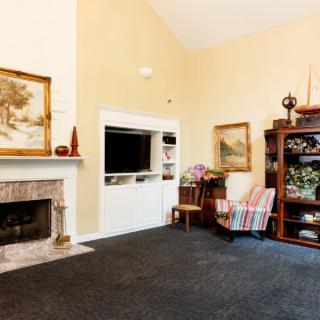
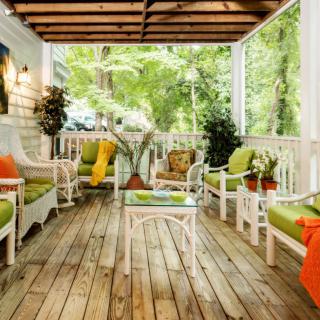
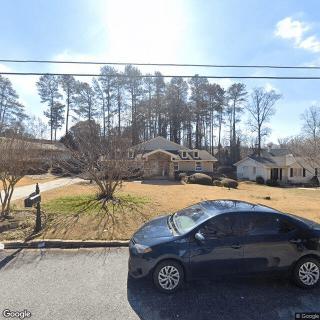
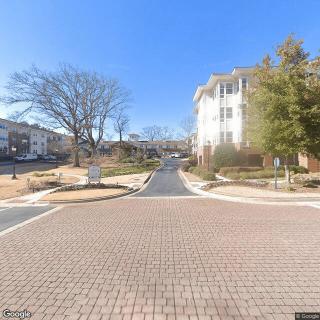
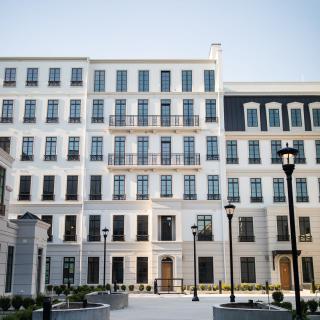
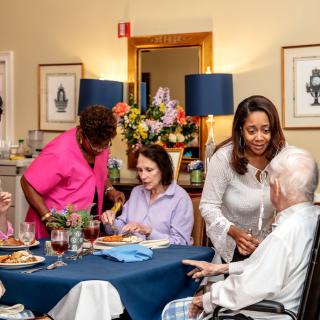
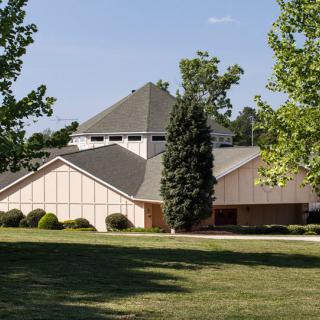
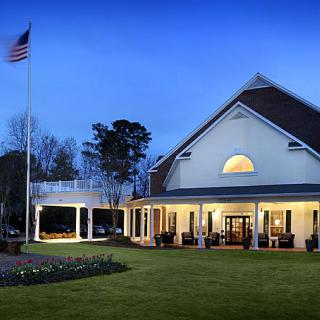
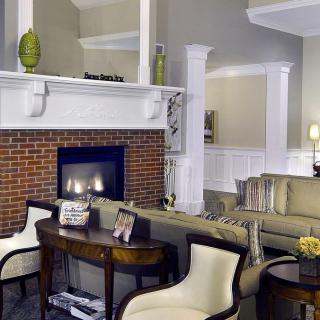
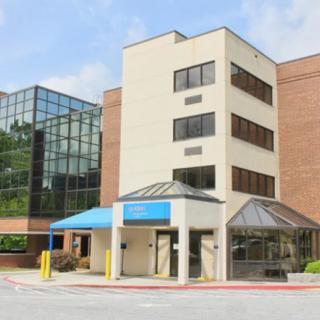
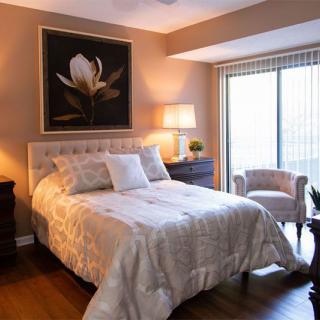
Mann House Sandy Springs on seniors.fyi includes 22 photos including images showing interior, decor, bedroom, dining, living room, artwork, natural light, landscaping, and more.
Nearby Communities
Mann House
Atlanta, GA
4.3 from 25 reviews
Small, home-like facility with dedicated, long-tenured staff and comprehensive care services.
Hollander Senior Living and Memory Care of Sandy Springs
Atlanta, GA
3.5 from 34 reviews
$2,295 to $3,000 / month
Hollander Senior Living of Sandy Springs
Atlanta, GA
3.9 from 14 reviews
Restaurant-style dining, transportation, beauty salon, fitness and wellness programs.
Belmont Village Buckhead
Atlanta, GA
4.4 from 117 reviews
$4,750 to $6,355 / month
Caring staff in a welcoming environment with engaging activities.
Belmont Village Senior Living Buckhead
Atlanta, GA
4.2 from 98 reviews
Comprehensive memory-care focus with 24/7 supervision and strong on-site amenities.
Dunwoody Health And Rehabilitation Center
Atlanta, GA
2.2 from 38 reviews
Dedicated therapy and nursing staff with improved staffing and recent remodels under new management.
Hammond Glen Retirement Community
Atlanta, GA
4.3 from 116 reviews
$2,700 to $3,500 / month
Warm, active community with diverse activities and attentive staff.
Mount Vernon Village Condominium Association
Atlanta, GA
4.2 from 37 reviews
$2,595 to $2,995 / month
Friendly staff, vibrant activities, and good value for the location.
Mount Vernon Towers
Atlanta, GA
4.5 from 75 reviews
$2,200 / month
Warm staff, clean, welcoming atmosphere, and good dining options.
The article outlines effective communication strategies for interacting with loved ones with dementia, highlighting the need for empathy, patience, and understanding while emphasizing supportive approaches like using simple language, minimizing distractions, and focusing on feelings over facts to maintain dignity and foster connection. It also suggests seeking professional guidance when needed as communication challenges evolve.
VA nursing homes, or Community Living Centers (CLCs), offer tailored long-term care for veterans, featuring medical attention and rehabilitation in a supportive environment. The guide covers facility types, eligibility criteria, financial assistance options, quality of care standards, and alternatives to full-time nursing home placement.
At-home dementia care expenses vary widely based on care levels, location, and caregiver expertise, with monthly costs for home health aides exceeding $4,500 and specialized care potentially surpassing $100,000 annually. While families favor in-home care for its comfort and personalized attention, they must consider financial planning and the challenges of caregiver fatigue.
Outdoor Seating, Potted Plants, and Cozy Atmosphere
Salon
Natural Light
Wall Art
Piano
Porch
Fence and Pergola
Nursing Home
Coffee Station
Get PricingAsk A QuestionSchedule A TourContact Senior Advisor
By clicking submit, you agree to our Partner's Terms of Use. You
also consent to receive calls and texts, which may be autodialed, from our Partner. Your consent is not a condition to
using our Partner's service. Please visit our Partner's Privacy Policy for information about their privacy practices.







 Assisted Living
 Memory Care
 Activities off-site
 Beautician on-site
 Devotional services off-site
 Indoor common areas
 Outdoor common areas
 Respite or short term stays offered
 Wheelchair accessible showers
 William B Hartsfield-Atlanta International (18 miles away)
 Diabetic care
 High acuity care
 Incontinence care
 Medication management
 Kosher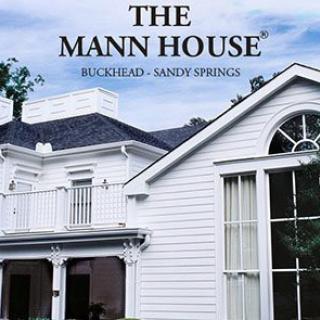
 Small, home-like facility with dedicated, long-tenured staff and comprehensive care services.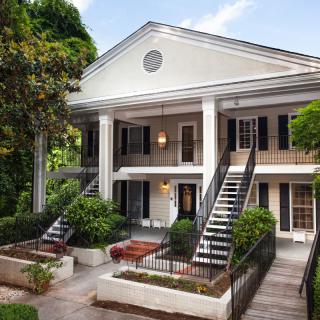
 How to Communicate with a Loved One Living with Dementia: 10 Supportive Strategies
 Comprehensive Guide to VA Nursing Homes: A Crucial Long-Term Care Resource for Veterans
 Estimating the Expenses of At-Home Dementia Care: A Detailed Exploration