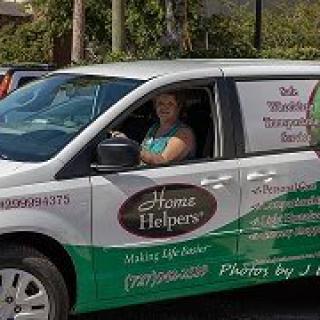
Residents describe staff who are consistently kind, helpful, and attentive.
Across reviews, residents repeatedly mention staff members who make them feel comfortable and treated like a person, not a file. Many also describe quick responsiveness when they needed something, along with knowledgeable bedside manners in clinical settings. A smaller number of reviews raise concerns about responsiveness or outcomes, but most of what’s mentioned about day-to-day interactions is supportive and engaged.
common4 reviews mention this
Clear explanations during care
Residents say clinicians take time to explain what’s happening.
Several reviews highlight clinicians explaining steps clearly and helping reduce anxiety during tests or treatment. Residents specifically mention being walked through procedures and given information about conditions and next steps. This emphasis on communication shows up alongside positive comments about staff being patient and attentive.
common6 reviews mention this
PT and rehab support shows up
Many reviews describe meaningful progress through therapy.
Multiple residents describe physical therapy experiences where therapists adjusted to their needs and helped them work through pain or mobility limits. Reviews mention therapy sessions that felt encouraging, along with therapists who were knowledgeable and personable. This aligns with the facility offering assistance with activities of daily living and other daily support services.
common3 reviews mention this
Clean environment and comfortable rooms
Residents mention a clean, comfortable environment.
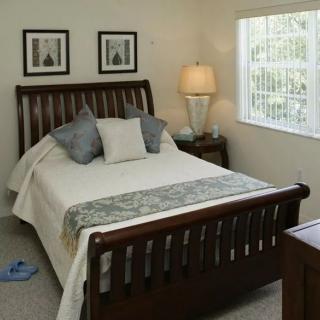
Some reviews specifically call out that the environment was very clean and that the bed and pillows were comfortable. Others describe the facility as clean and bright. These comments complement the community’s offering of housekeeping services and move-in support for residents.
How we summarize
Counts show how many written reviews mention each theme; a review can touch several themes, and only frequently mentioned themes are displayed.
Features
Housing
32 resident community capacity
Types of Care
Skilled Nursing Facility
Amenities
Beauty salon
Cable or satellite TV
Dining room
Fully furnished
Garden
Housekeeping services
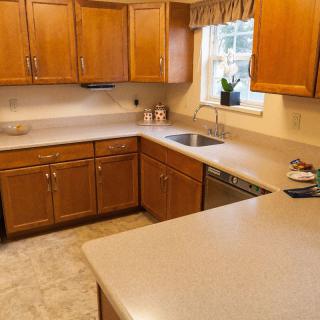
Kitchenette
Move-in coordination
Outdoor space
Restaurant-style dining
Small library
Telephone
Wi-Fi/high-speed internet available
Transportation
St. Petersburg-Clearwater International (16 miles away)
Tampa International (17 miles away)
Care Services
24-hour call system
24-hour supervision
Activities of daily living assistance
Assistance with bathing
Assistance with dressing
Assistance with transfers
Diabetes diet
Meal preparation and service
Medication management
Mental wellness program
Special dietary restrictions
Dining
Diabetes diet
Special dietary restrictions
Activities
Community-sponsored activities
Resident-run activities
Scheduled daily activities
Nearby Places of Interest
Hospitals
AdventHealth North Pinellas (0 miles)
Mease Countryside Hospital (7.2 miles)
Mease Countryside Hospital-Medical Arts Building (7.2 miles)
The article highlights nine memory-boosting activities for seniors that enhance cognitive health and social interaction, including puzzles, trivia quizzes, and storytelling, while emphasizing the importance of adapting these activities to individual preferences to maximize enjoyment and engagement. Consistent mental engagement is linked to improved cognitive function and emotional well-being in older adults.
Medicare provides limited coverage for skilled nursing home care, covering full benefits for the first 20 days and partial benefits up to 100 days under certain conditions, after which families must explore alternative funding options like Medicaid or long-term care insurance to manage potentially high costs. Proactive planning is essential to navigate the complexities of financing ongoing care once Medicare coverage ends.
Geriatric care managers create personalized care plans for older adults, addressing their medical, social, financial, and psychological needs while coordinating services and advocating for their well-being. They help families navigate caregiving challenges but may be hindered by high costs and a shortage of qualified professionals.
Get PricingAsk A QuestionSchedule A TourContact Senior Advisor
By clicking submit, you agree to our Partner's Terms of Use. You
also consent to receive calls and texts, which may be autodialed, from our Partner. Your consent is not a condition to
using our Partner's service. Please visit our Partner's Privacy Policy for information about their privacy practices.

 32 resident community capacity
 Skilled Nursing Facility
 Beauty salon
 Cable or satellite TV
 Dining room
 Fully furnished
 Garden
 Housekeeping services
 Kitchenette
 Move-in coordination
 Outdoor space
 Restaurant-style dining
 Small library
 Telephone
 Wi-Fi/high-speed internet available
 St. Petersburg-Clearwater International (16 miles away)
 24-hour call system
 Activities of daily living assistance
 Assistance with bathing
 Assistance with dressing
 Assistance with transfers
 Diabetes diet
 Medication management
 Mental wellness program
 Special dietary restrictions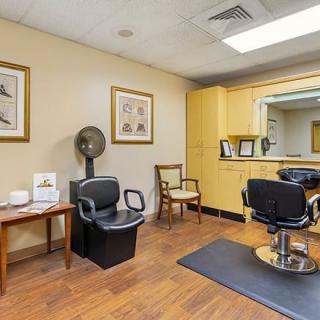
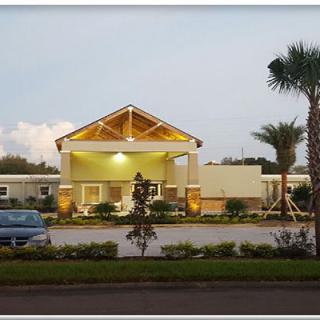
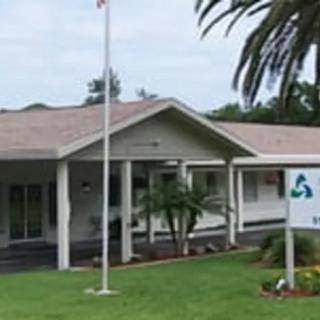
 Friendly staff and engaging activities in a clean, home-like setting.
 9 Stimulating Memory Activities for Seniors: Puzzles, Cards, and Much More
 Managing Nursing Home Expenses After Medicare Coverage Ends
 Is a Geriatric Care Manager the Right Choice for Your Family?