Arden Courts of Palm Harbor offers specialized memory care services, reflected in its pricing structure. The monthly costs for accommodations are notably higher compared to the average costs in Pinellas County and across Florida. For a semi-private room, residents can expect to pay $6,000, which significantly exceeds the county's average of $2,765 and the statewide average of $3,009. Similarly, the studio option is priced at $6,900 - again above the local and state averages of $3,598 and $3,823 respectively. These rates underscore Arden Courts' commitment to providing tailored care in a secure environment, catering specifically to the needs of individuals with memory impairments while offering amenities that justify the premium pricing.
Floor plans
Arden Courts Of Palm Harbor
Pinellas County
Florida
Semi-Private
$6,000
$2,765
$3,009
Studio
$6,900
$3,598
$3,823
Skilled Nursing Facilities with a similar price nearby
Residents and families frequently mention a dementia-focused layout that feels safe while still welcoming.
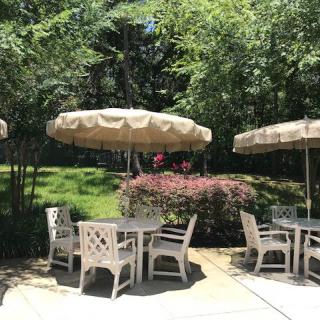
Many reviewers describe the community as purpose-designed for dementia, with layouts that help residents feel secure and at ease. Several also call out safety and wandering-management features, along with outdoor areas that make it easier to spend time outside. This aligns with what the community offers on-site, including security features and dedicated outdoor space for residents.
common71 reviews mention this
Staff knowledge and personalized care
Staff are repeatedly described as knowledgeable about dementia and genuinely attentive to individuals.
Across reviews, families emphasize compassion plus dementia expertise, often noting that caregivers take time to learn residents’ preferences and routines. Reviewers also describe staff communicating clearly with family members, including updates and reassurance when questions come up. The community’s care offerings include structured assistance with activities of daily living and medication management, which matches the hands-on care families are discussing.
common49 reviews mention this
Activities keep residents engaged
Residents are described as staying engaged through activities that run throughout the day.
A common theme in reviews is that the activity program keeps residents active and involved, rather than leaving them to sit passively. Multiple reviewers mention ongoing group activities, arts and crafts, and a schedule that supports engagement even as needs change. The community also offers a wide set of on-site and community activities and programs, including daily scheduled activities and group events.
common22 reviews mention this
Caregiver education and support
Families frequently praise caregiver support through education and structured gatherings.
Several reviews highlight seminars, talks, and advice geared toward people caring for someone with dementia, including guidance on coping and understanding Alzheimer’s disease. Others mention support opportunities like monthly groups where caregivers can vent and learn from one another. The community also offers services focused on mental wellness programming and specialized memory care support programming.
differentiator17 reviews mention this
Dining is consistently liked
Residents and families frequently mention positive dining experiences, including regular meal satisfaction.
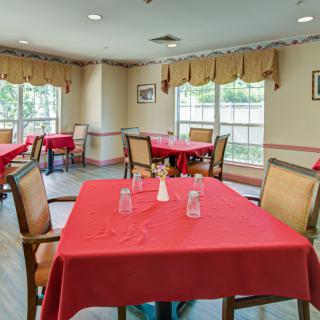
Reviewers often bring up the meals as a strength, describing food that smells good and is enjoyed by residents. Families also mention that staff can help accommodate preferences and dietary needs during mealtimes. This fits with what the community offers, including restaurant-style dining plus meal preparation and service and dining options for special dietary restrictions.
caveat3 reviews mention this
Pricing runs high for memory care
Cost is a concern for some families considering memory care here.
While most reviews focus on care and day-to-day experience, at least a few raise worries about how long-term affordability may work out. This caution is consistent with the published pricing range for both studio options being priced above county and state benchmarks. If budget is a key constraint, it may be worth discussing coverage planning early.
How we summarize
Counts show how many written reviews mention each theme; a review can touch several themes, and only frequently mentioned themes are displayed.
Features
Housing
56 resident community capacity
Studio apartments
Types of Care
Memory Care
Skilled Nursing Facility
Amenities
Activities off-site
Activities on-site
Air-conditioning
Beautician on-site
Beauty salon
Cable or satellite TV
Computer center
Devotional services on-site
Dining room
Fitness room
Fully furnished
Gaming room
Garden
Guest parking
Housekeeping services
Indoor common areas
Kitchenette
Laundry
Move-in coordination
Outdoor common areas
Outdoor space
Private bathrooms
Respite or short term stays offered
Restaurant-style dining
Security gate
Small library
TV room
Telephone
VA Benefits Consultation
Wellness center
Wheelchair accessible showers
Wi-Fi/high-speed internet available
Transportation
St. Petersburg-Clearwater International (11 miles away)
Tampa International (14 miles away)
Community operated transportation
Transportation arrangement
Transportation arrangement (non-medical)
Transportation to doctors appointments
Care Services
12-16 hour nursing
24-hour call system
24-hour supervision
Activities of daily living assistance
Ambulatory care
Assistance with bathing
Assistance with dressing
Assistance with transfers
Companion care
Diabetes diet
Diabetic care
High acuity care
Hospice care
Incontinence care
Meal preparation and service
Medication management
Mental wellness program
Mild cognitive impairment
Personal care assistants
Physical therapy
Psychiatric care
Special dietary restrictions
Specialized memory care programming
Dining
Diabetes diet
Gluten-free
Guest meals
Low / no sodium
Meals provided
No Sugar
Special dietary restrictions
Special dining programs
Vegetarian
Activities
Art classes
Arts and crafts
Book club
Catholic services
Community-sponsored activities
Concierge services
Cooking classes
Cooking club
Day trips and outings
Devotional activities on-site
Educational speakers / life long learning
Fitness programs
Forever fit
Games
Gardening club
Jewish services
Karaoke
Live dance or theater performances
Live musical performances
Planned day trips
Protestant services
Religious services
Resident-run activities
Scheduled daily activities
Stories
Wii bowling
Yoga / chair yoga
Nearby Places of Interest
This part of Palm Harbor, Florida, offers a convenient and diverse range of amenities for seniors looking to settle in the area. With multiple dining options such as Burger King, Chick-Fil-A, Lucky Dill Deli, and Mike's Sushi & Sake Bar nearby, residents can enjoy a variety of culinary experiences. There are also several pharmacies within close proximity including Walgreens and CVS Pharmacy for easy access to medications and healthcare products. For medical care, there are reputable facilities like Advanced Gastroenterology Associates and Mease Countryside Hospital located just a few miles away. Additionally, seniors can enjoy outdoor activities at nearby parks like Canal Park and Stirling Park or catch a movie at AMC Woodlands Square 20 theater. Overall, this neighborhood provides a vibrant and convenient living environment for older adults seeking an active lifestyle in Palm Harbor.
Restaurants
Burger King (0.5 miles)
Chick-Fil-A (0.5 miles)
Lucky Dill Deli (0.6 miles)
Mike's Sushi & Sake Bar (0.8 miles)
McDonald's (1.6 miles)
McDonald's (1.8 miles)
Taco Bar (1.9 miles)
Pharmacies
Walgreens (0.8 miles)
CVS Pharmacy (1.5 miles)
Walgreens (1.6 miles)
Walgreens (1.8 miles)
Winn-Dixie (1.9 miles)
CVS Pharmacy (2.2 miles)
Walgreens (2.4 miles)
Physicians
Advanced Gastroenterology Associates (0.9 miles)
Rose Radiology-Boot Ranch (1.6 miles)
North Pinellas Surgery Center (1.7 miles)
The Reproductive Medicine Group (2.7 miles)
Virginia Street Dermatology (5 miles)
Academic Alliance In Dermatology (5.1 miles)
Dunedin Pediatrics (5.6 miles)
Parks
Canal Park (2 miles)
Stirling Park (3.6 miles)
Anclote Key Preserve State Park (5.7 miles)
Cooper Bayou Park (6.3 miles)
Kapok Park (6.7 miles)
McMullen Booth Tennis Center Clearwater FL (8 miles)
Theaters
AMC Woodlands Square 20 (2.3 miles)
Hospitals
Mease Countryside Hospital (2.6 miles)
Mease Countryside Hospital-Medical Arts Building (2.6 miles)
Arden Courts of Palm Harbor offers specialized memory care services, reflected in its pricing structure. The monthly costs for accommodations are notably higher compared to the average costs in Pinellas County and across Florida. For a semi-private room, residents can expect to pay $6,000, which significantly exceeds the county's average of $2,765 and the statewide average of $3,009. Similarly, the studio option is priced at $6,900 - again above the local and state averages of $3,598 and $3,823 respectively. These rates underscore Arden Courts' commitment to providing tailored care in a secure environment, catering specifically to the needs of individuals with memory impairments while offering amenities that justify the premium pricing.
The comprehensive features offered at Arden Courts of Palm Harbor play a pivotal role in enhancing the quality of life for residents with dementia or Alzheimer's disease. Round-the-clock supervision ensures safety and security, allowing residents to navigate their environment with confidence while receiving timely support as needed. Assistance with activities of daily living, including bathing, dressing, and transfers, fosters independence and dignity while addressing individual needs. Incontinence care is handled discreetly and compassionately, further promoting comfort. Meal preparation and service are tailored to meet dietary requirements, ensuring that residents receive nutritious meals that cater to their preferences. Medication management helps maintain health stability by ensuring adherence to prescribed treatments. A mental wellness program and specialized memory care programming engage residents mentally and socially, which can alleviate anxiety and improve cognitive function. Additionally, physical therapy promotes mobility and physical well-being, addressing both mild cognitive impairment and more advanced stages of dementia effectively. Collectively, these services create a supportive environment where residents can thrive despite their challenges.
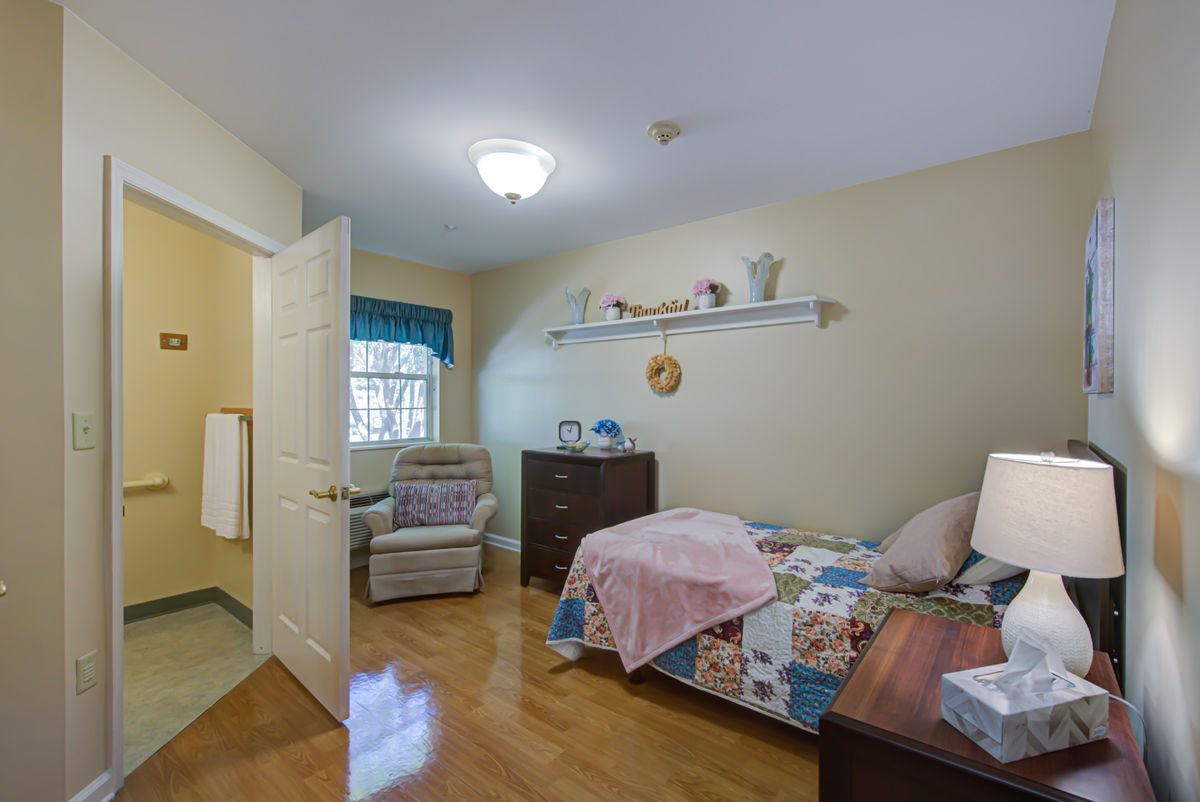
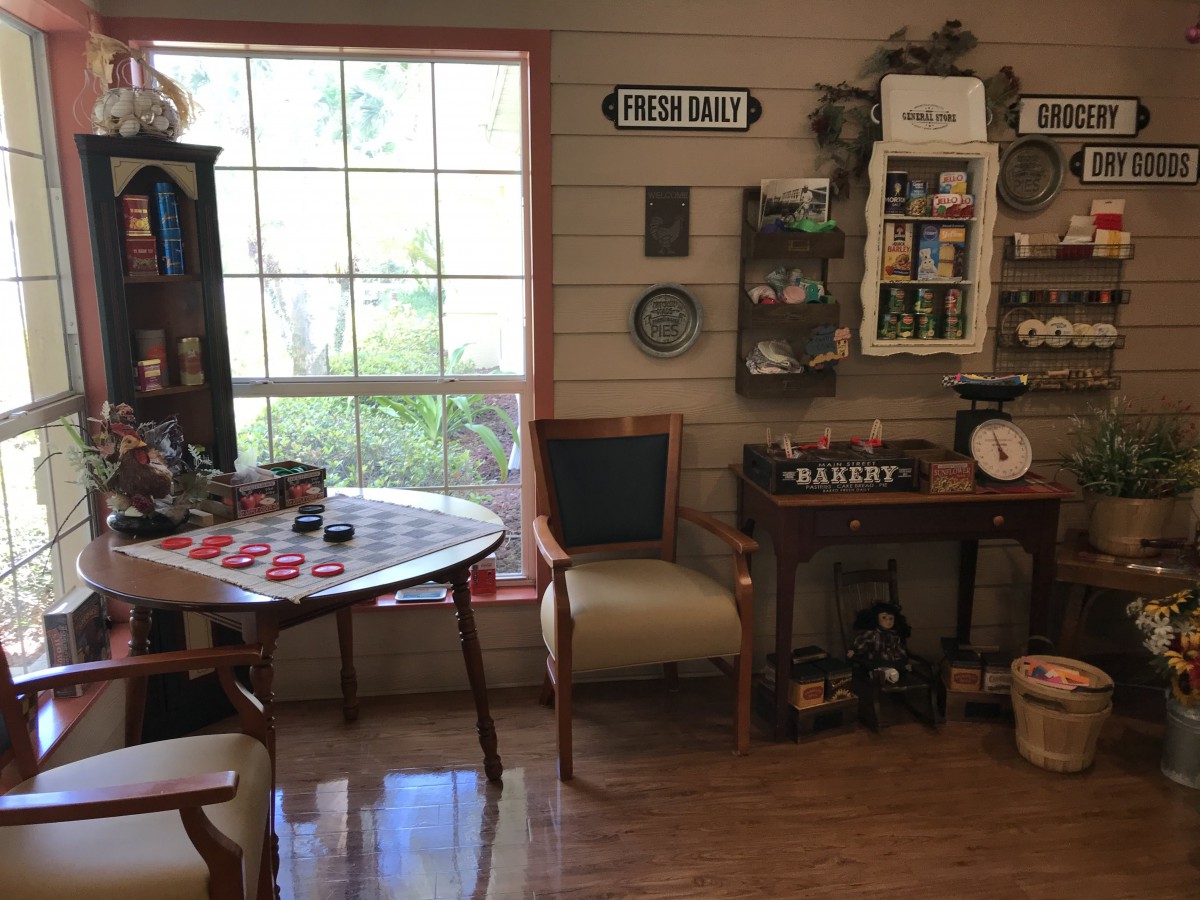
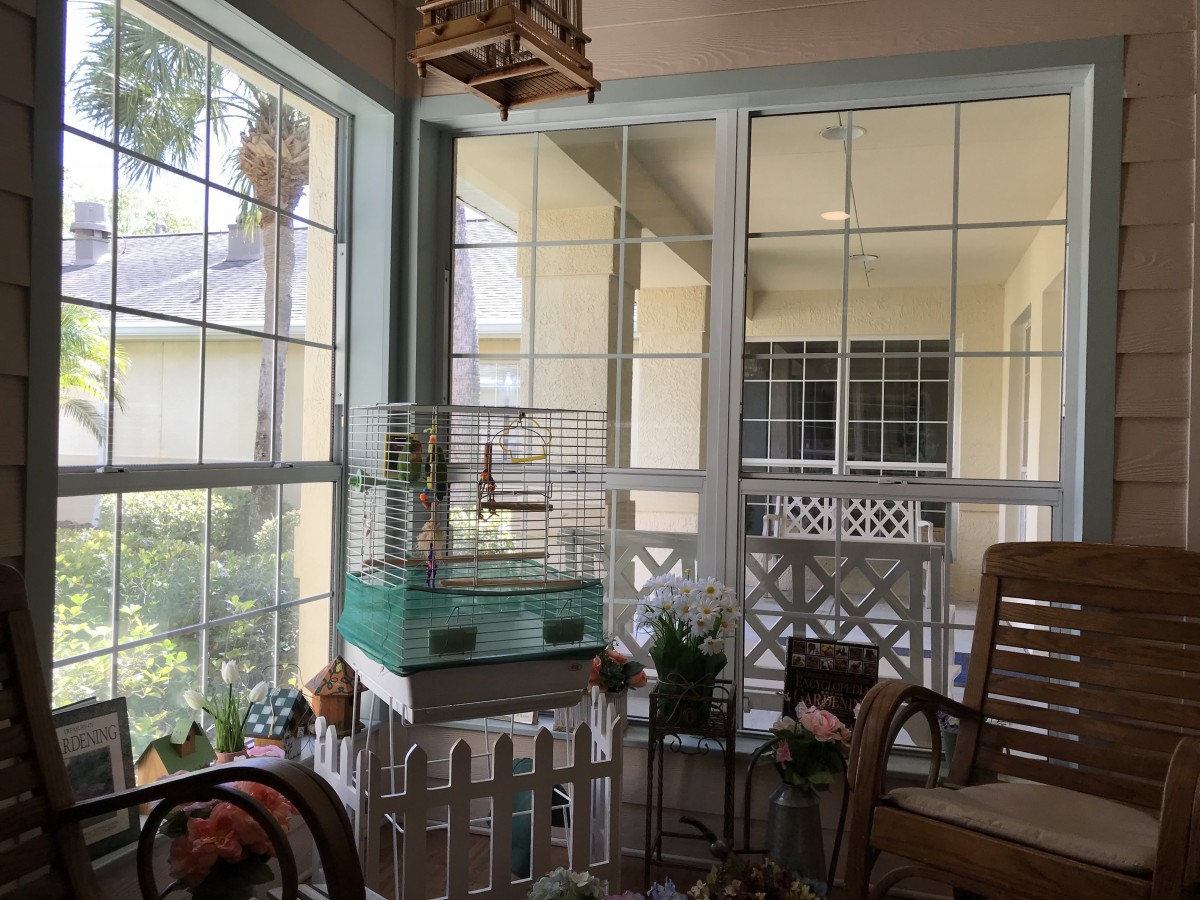
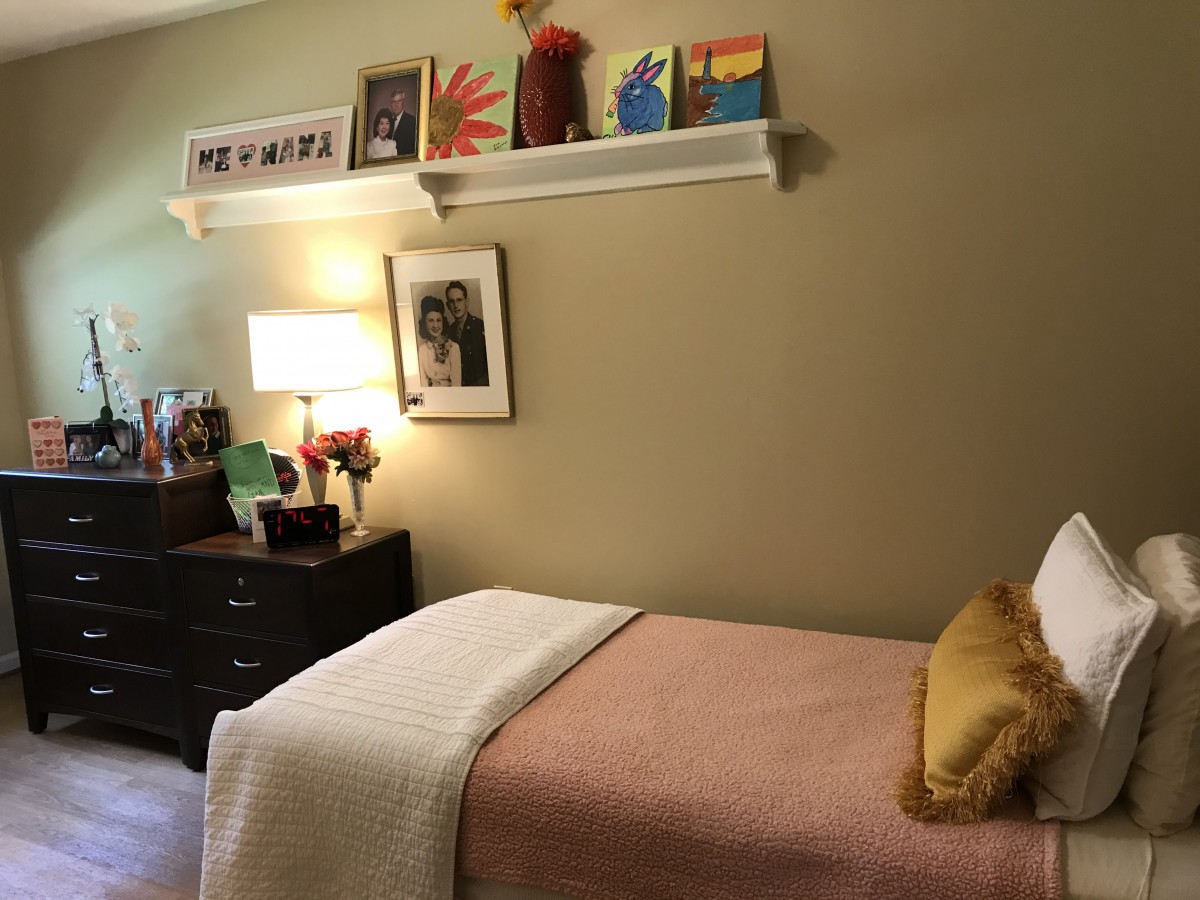
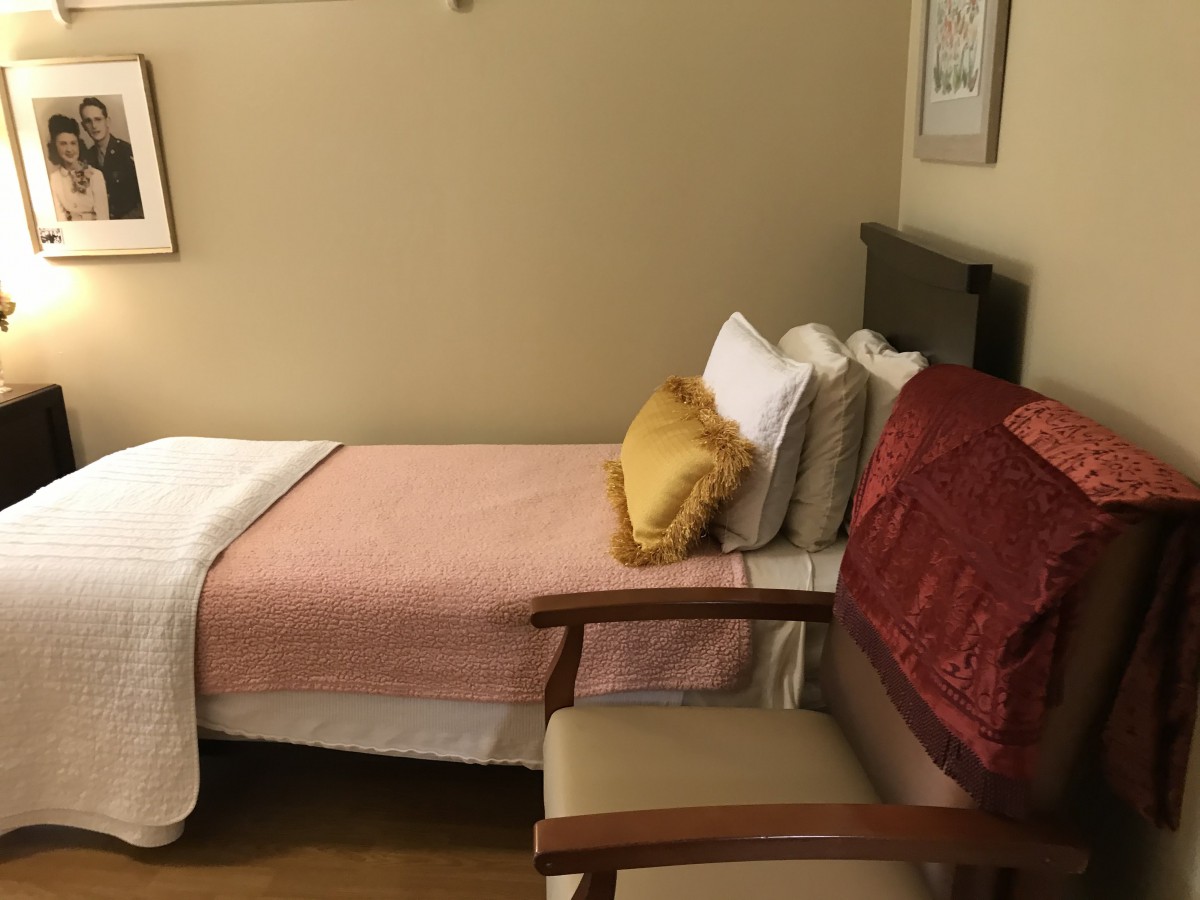
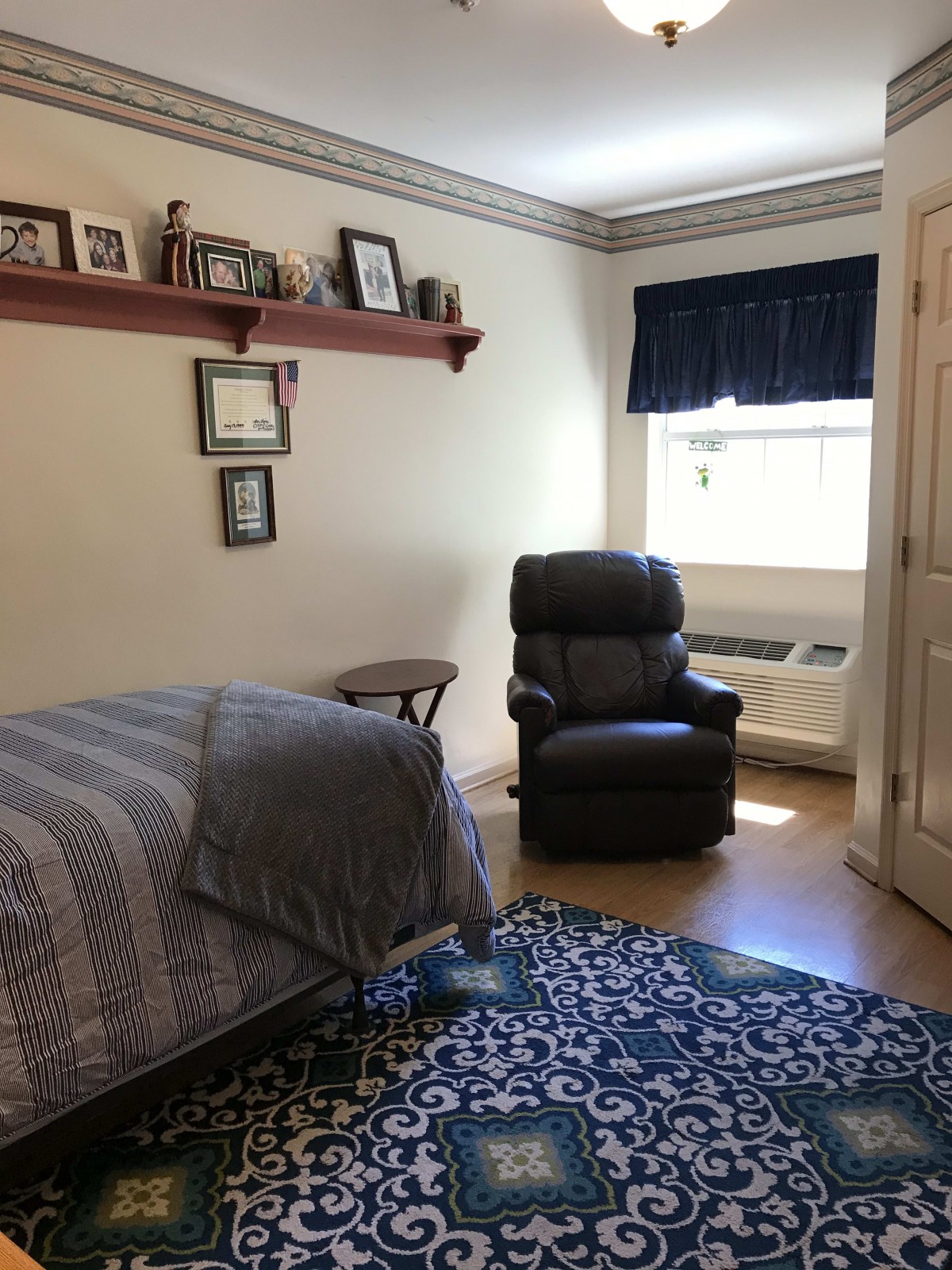
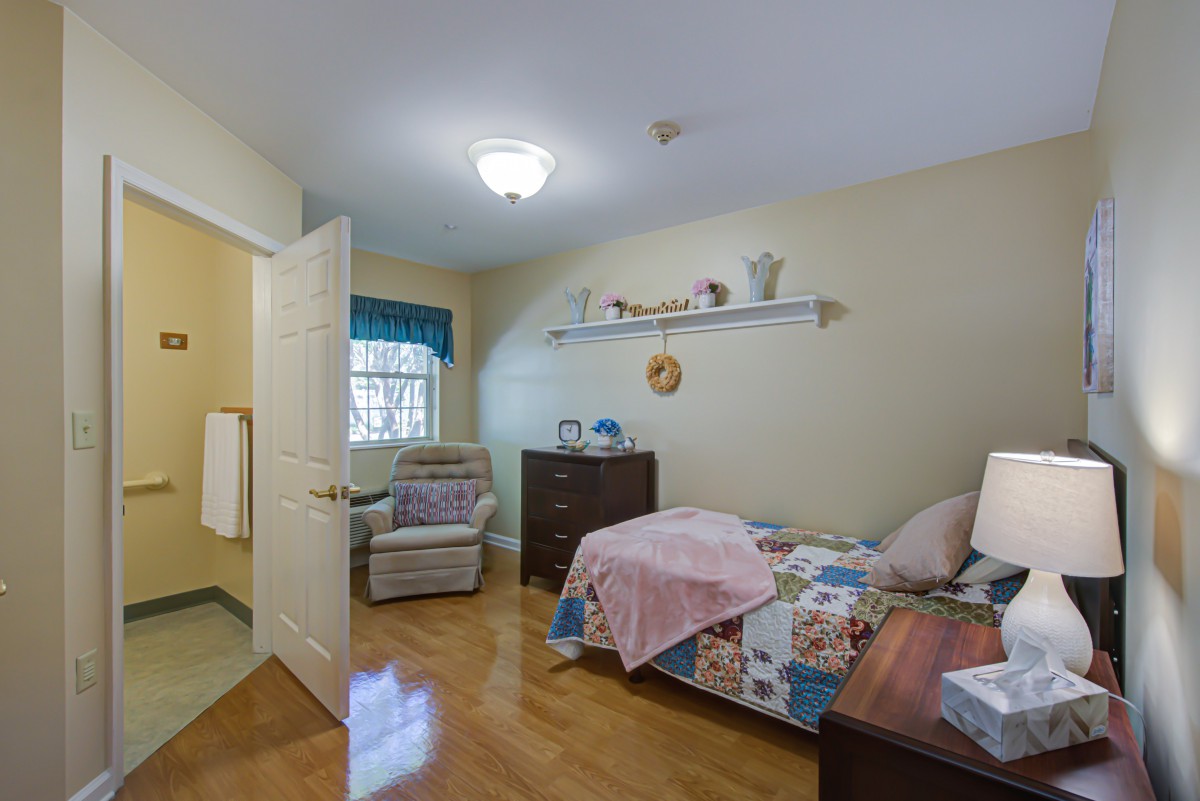
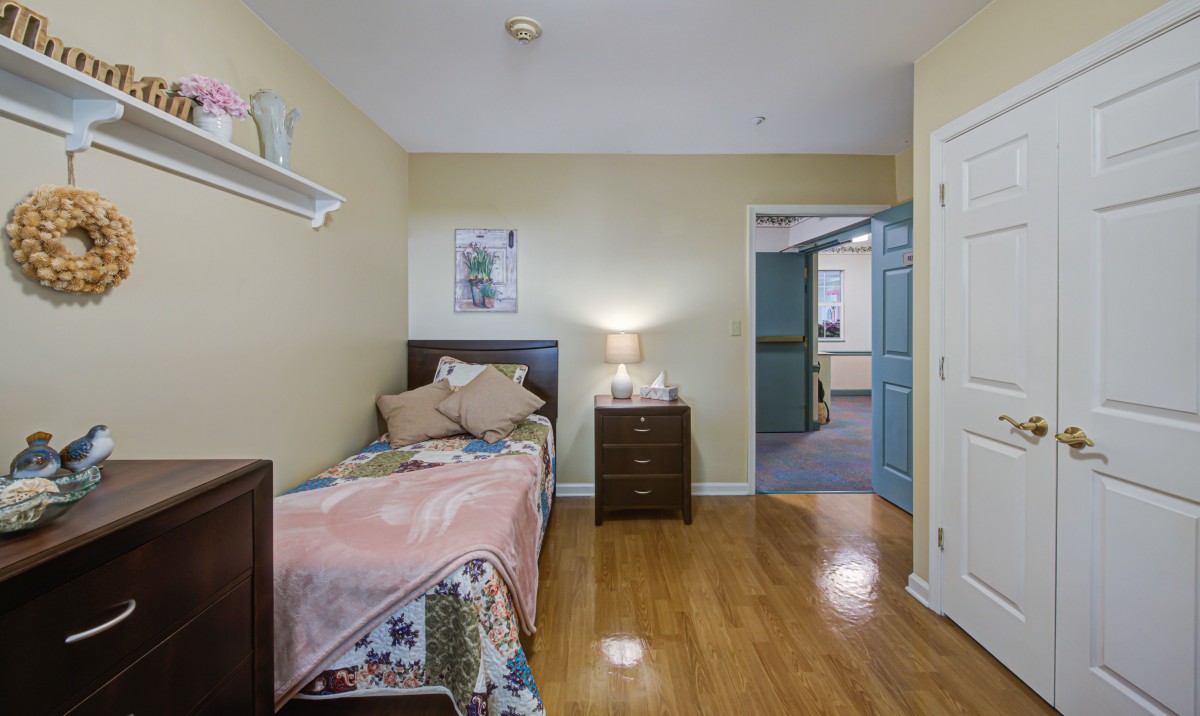
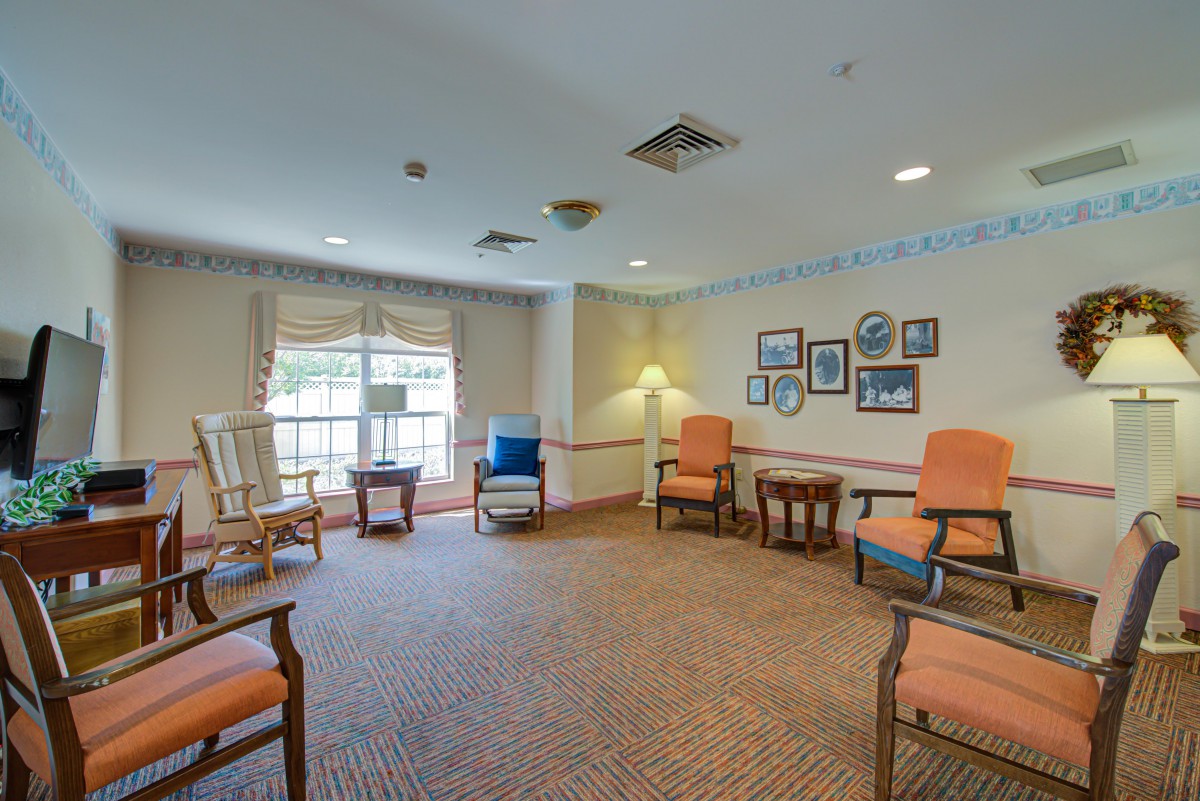
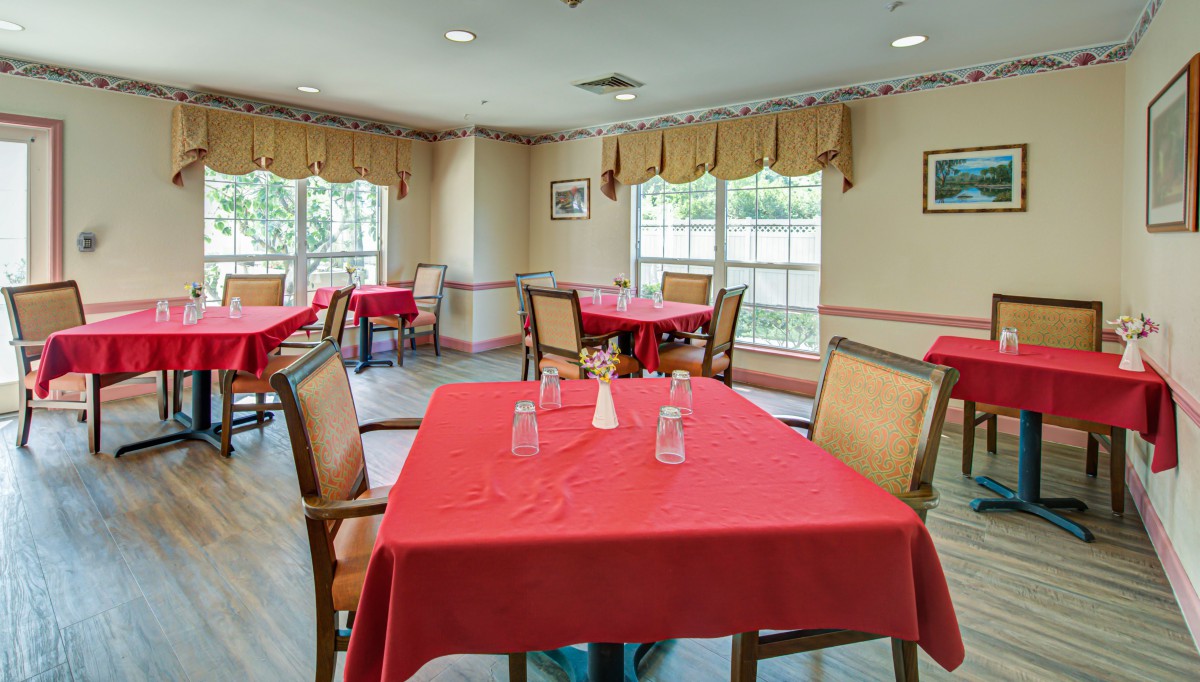
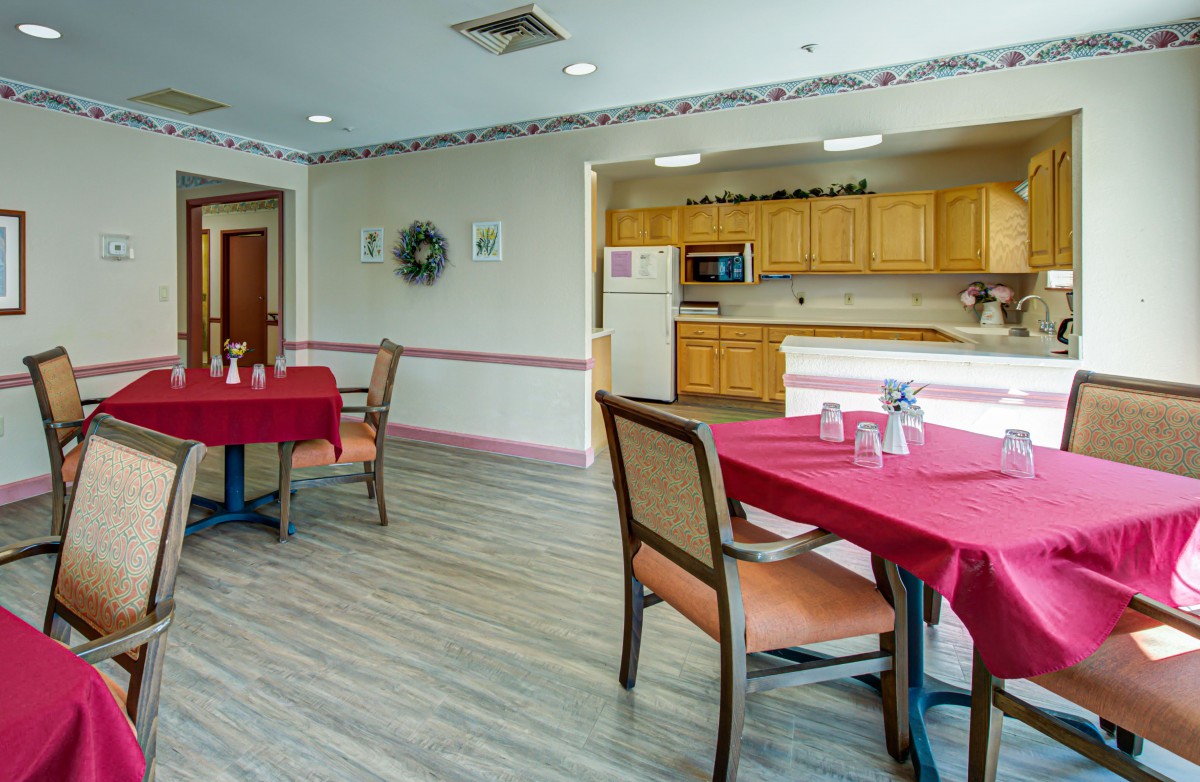
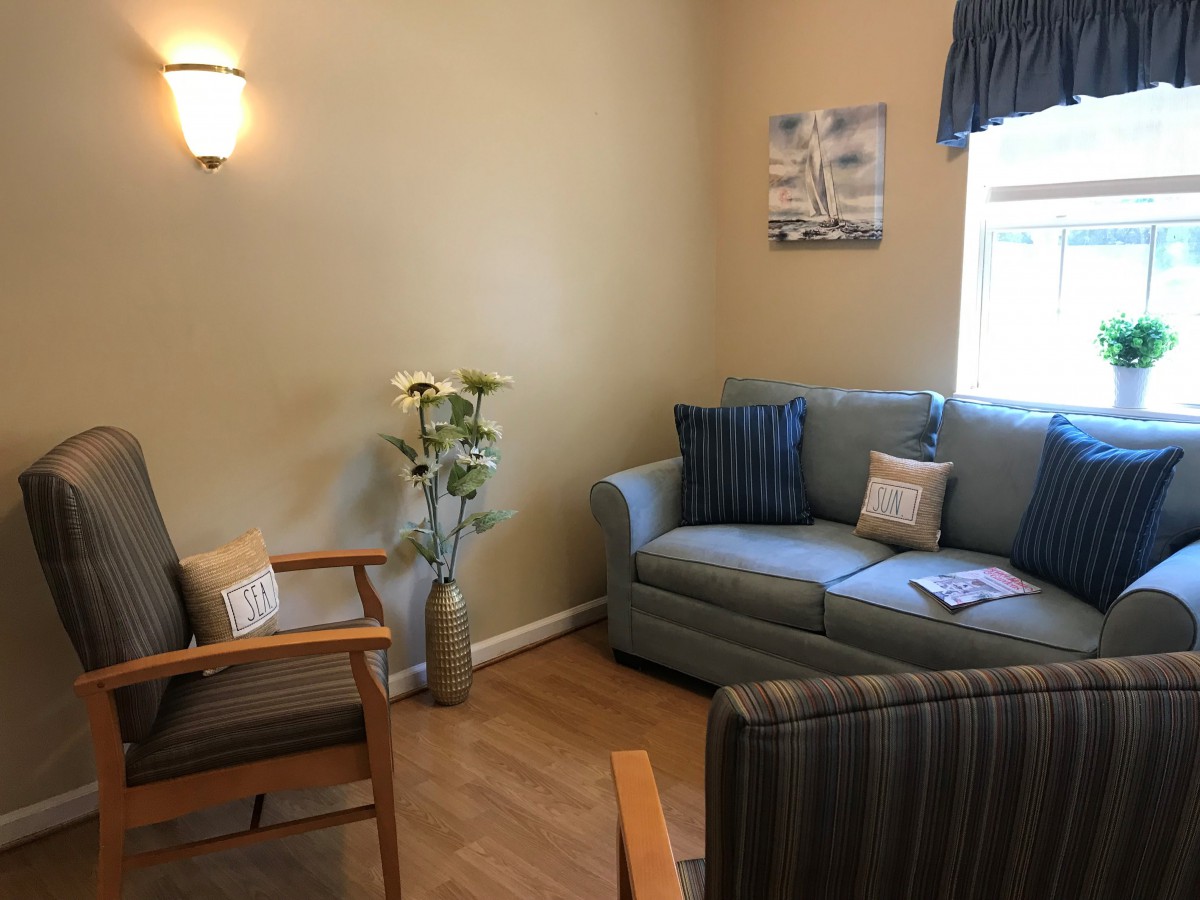
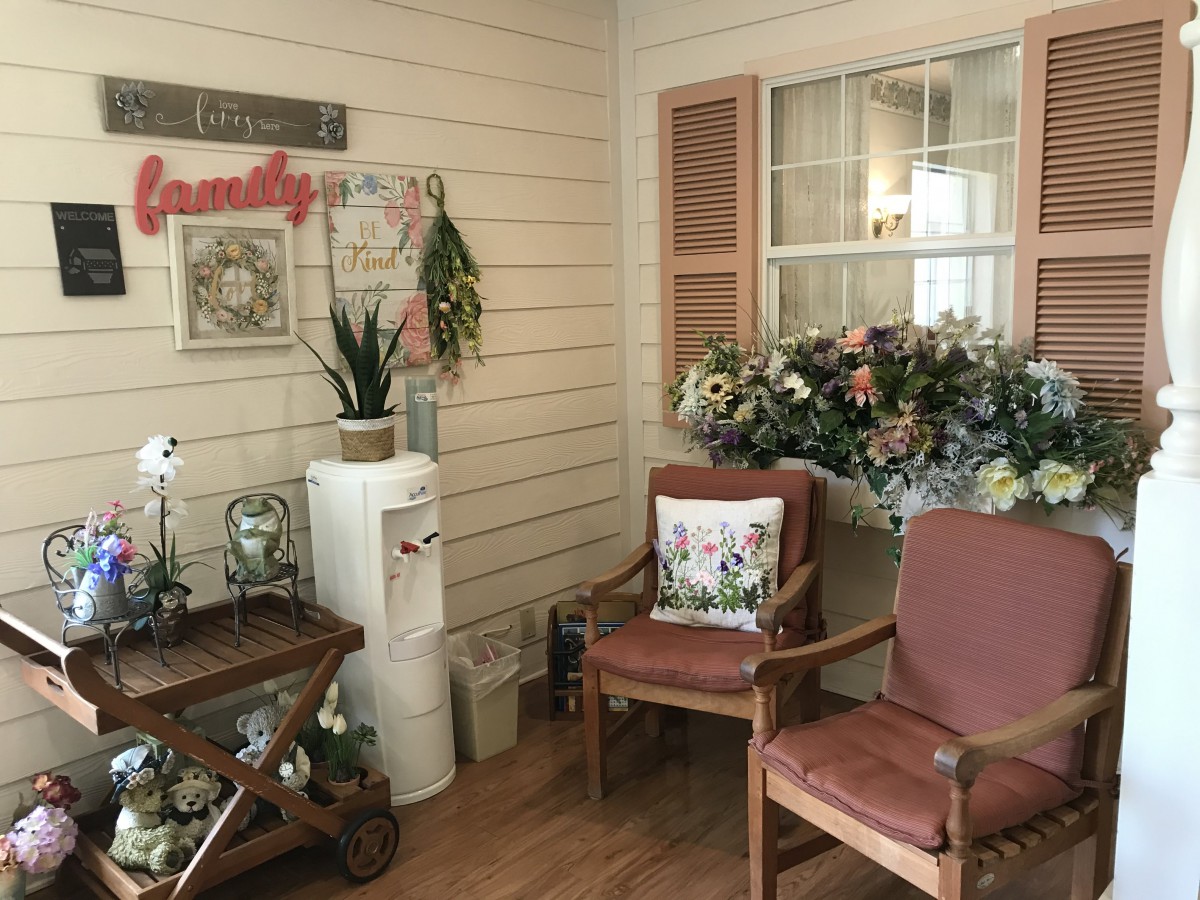
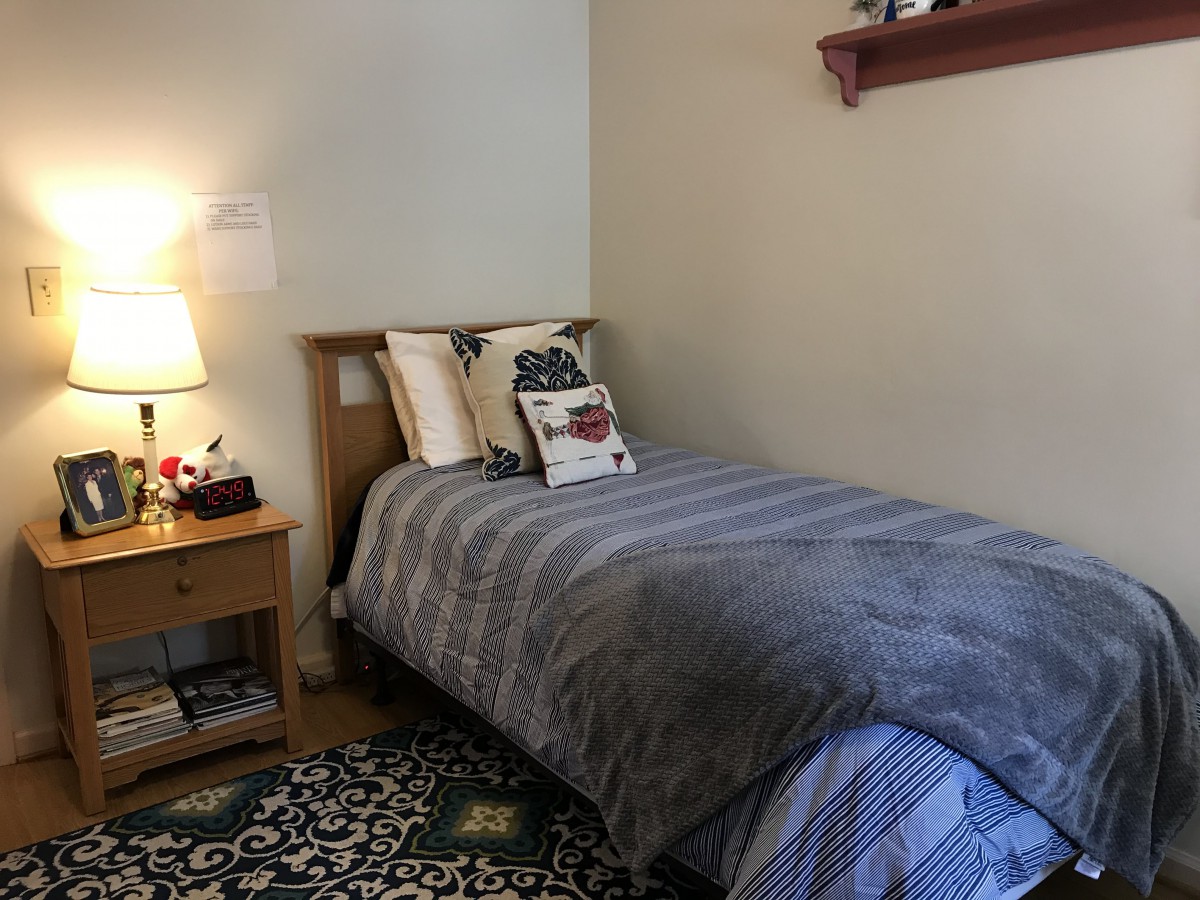
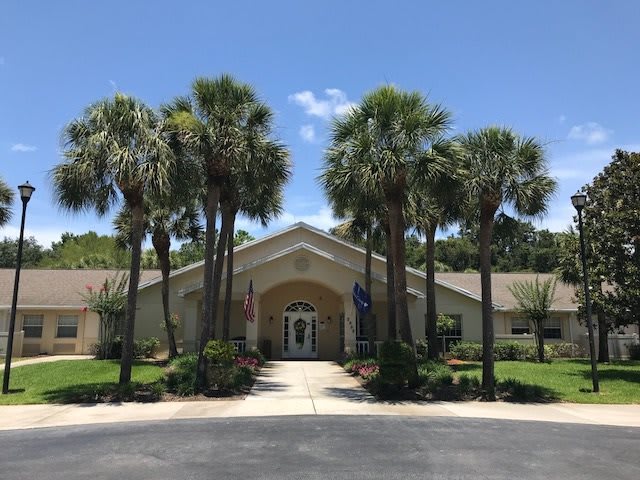
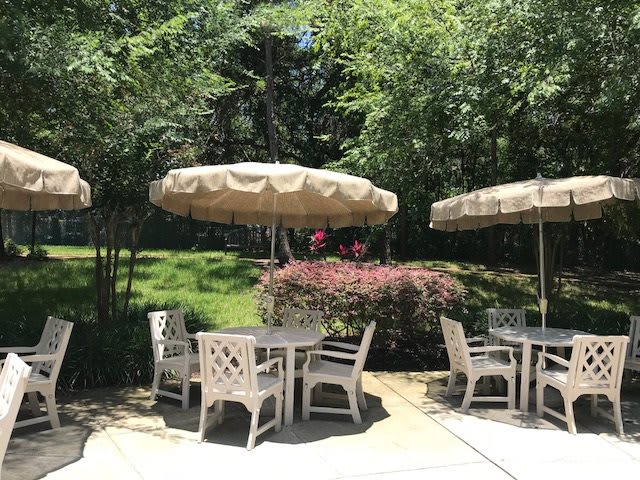
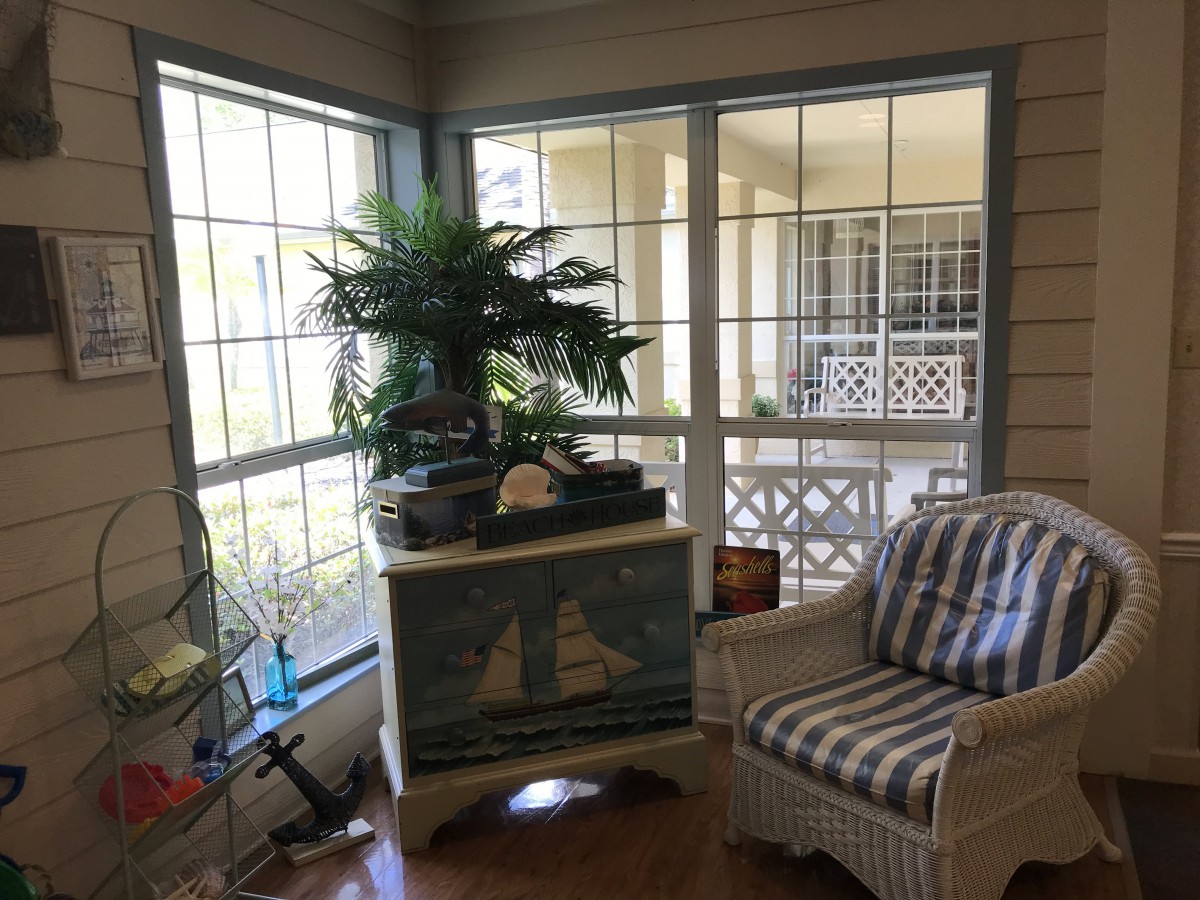
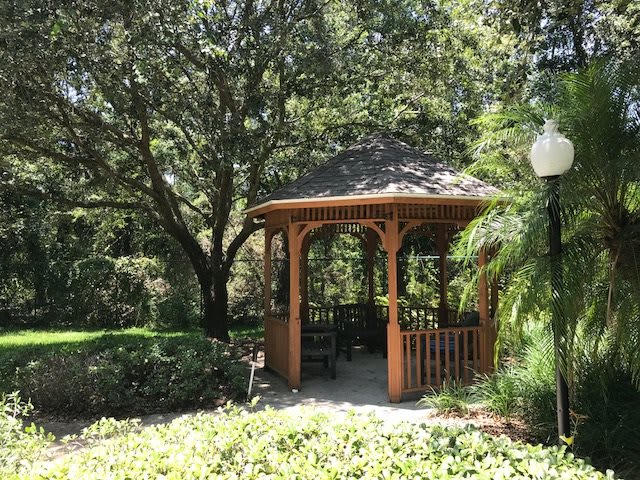
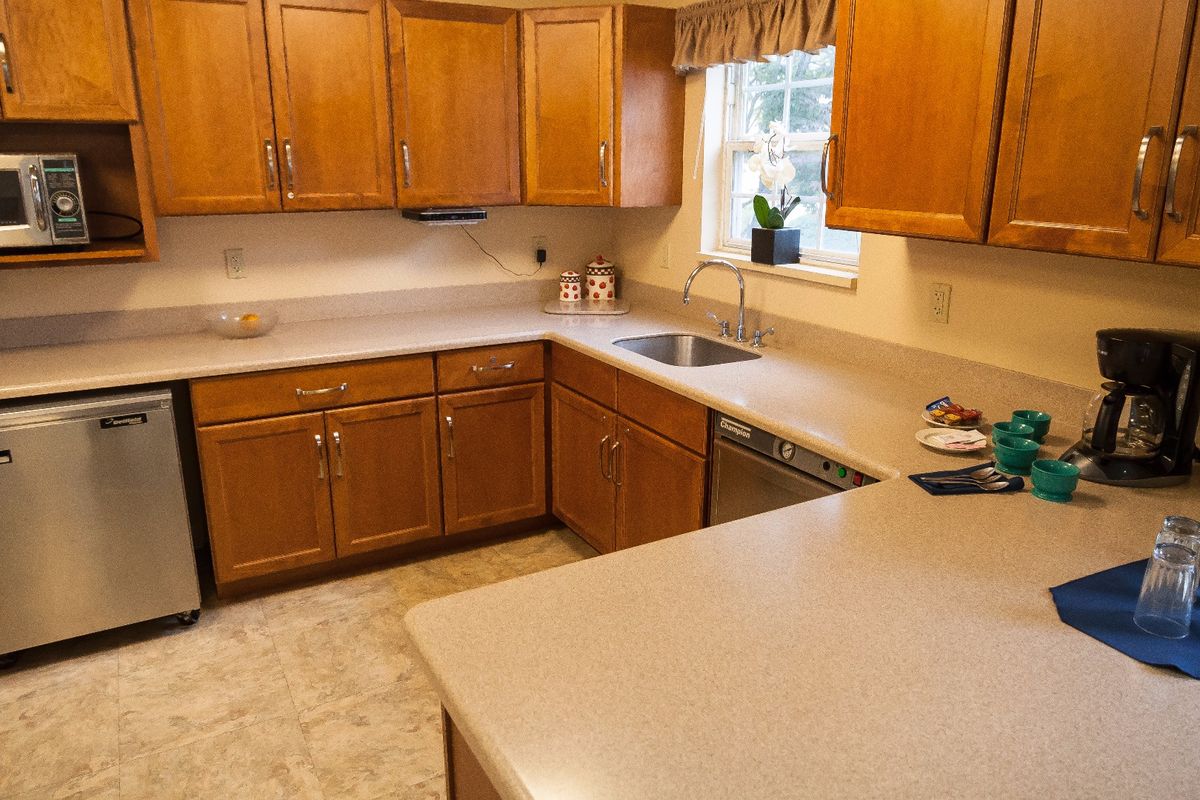
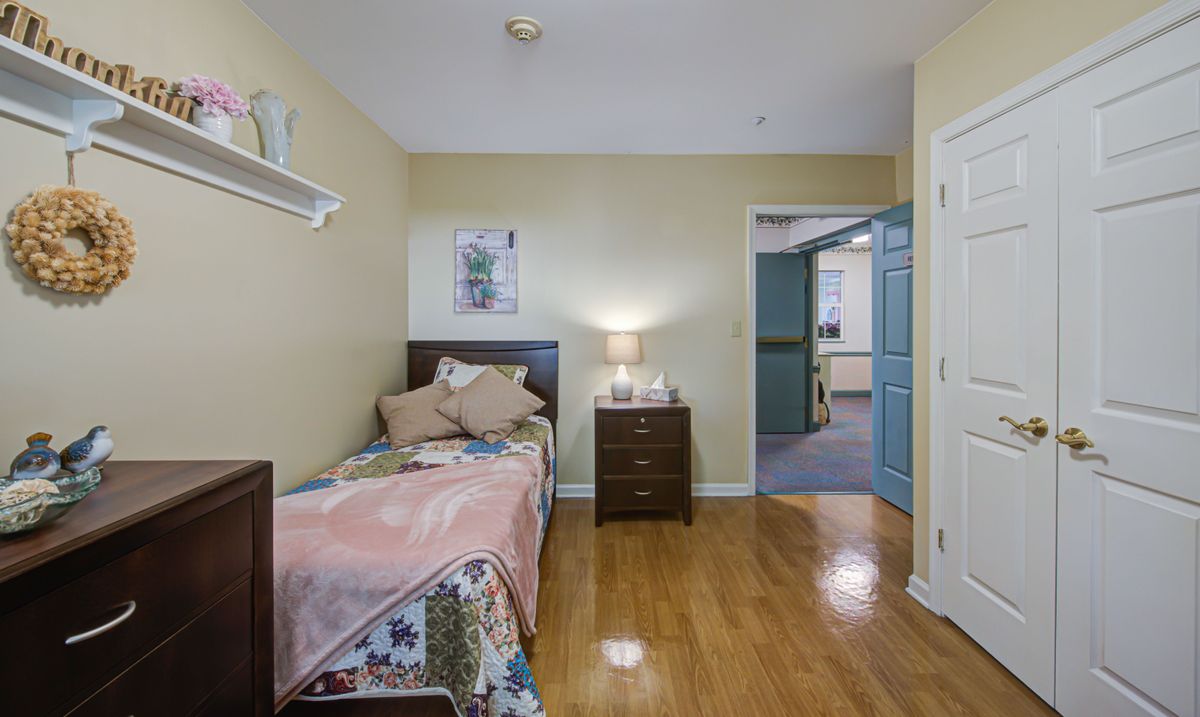
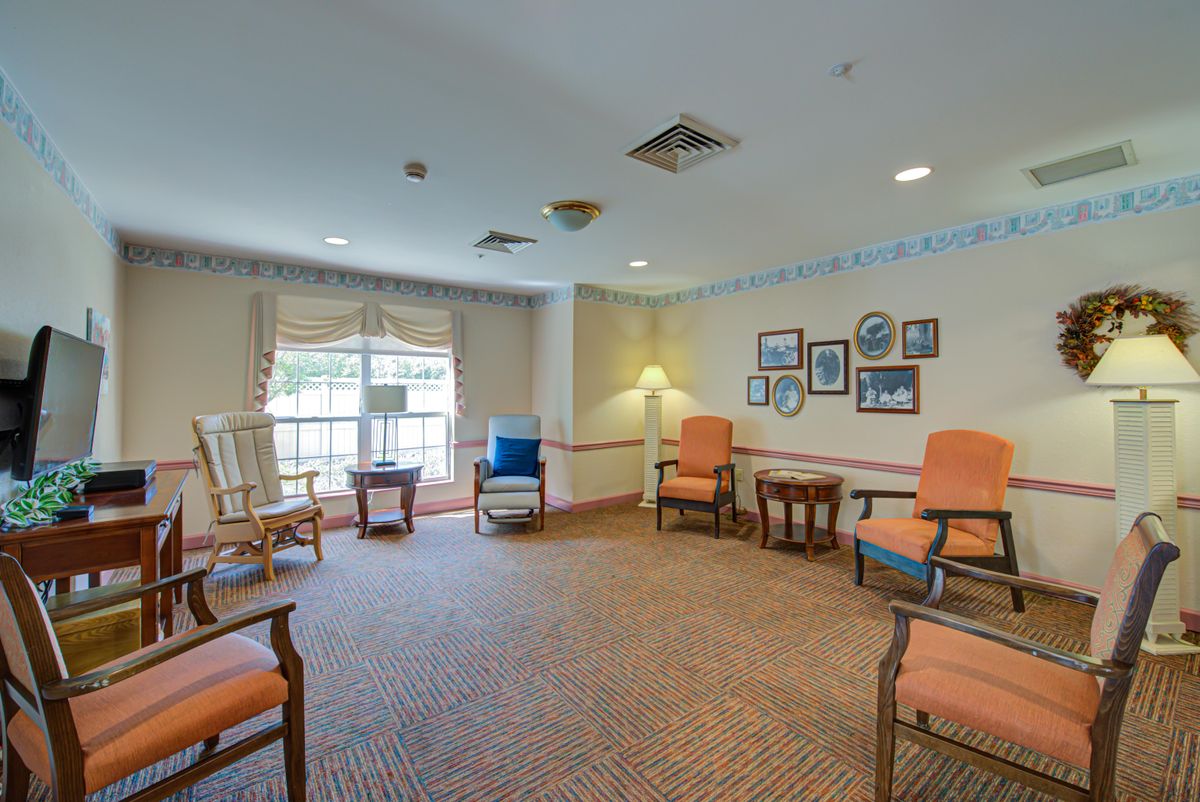
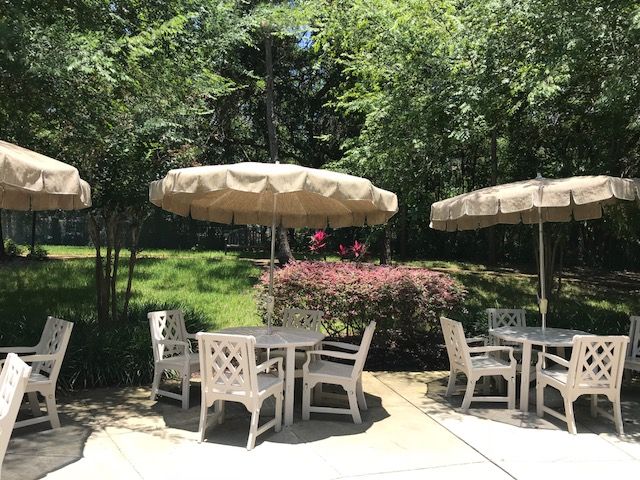
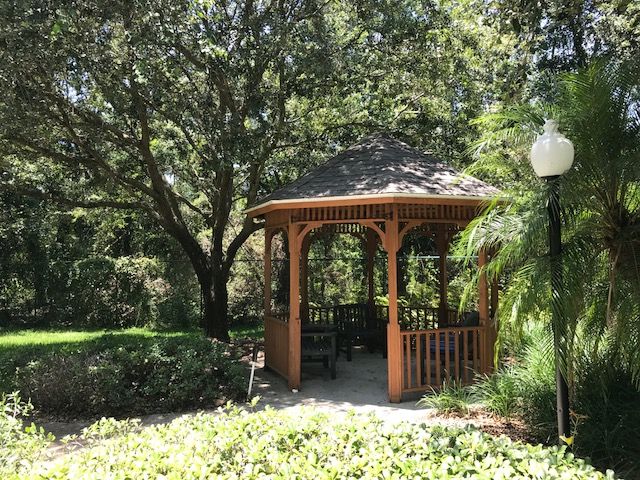
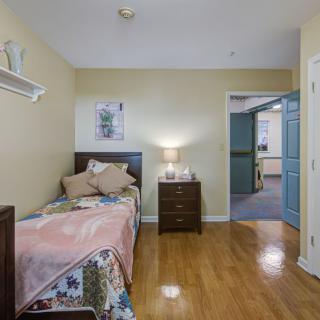
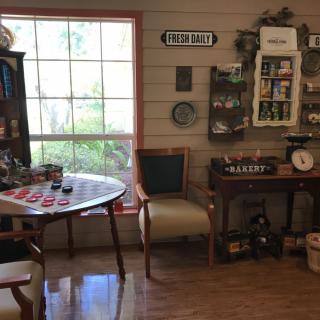
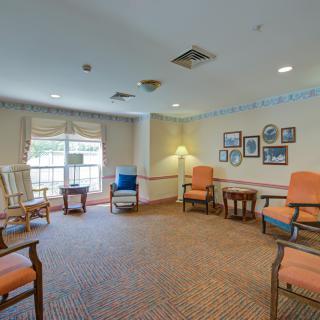
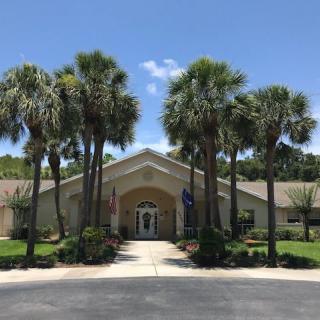
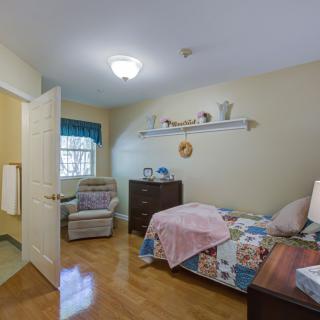
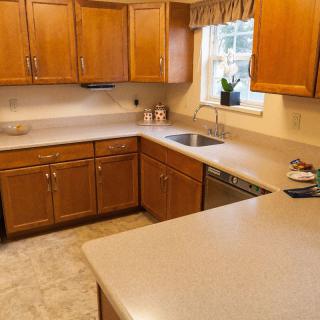
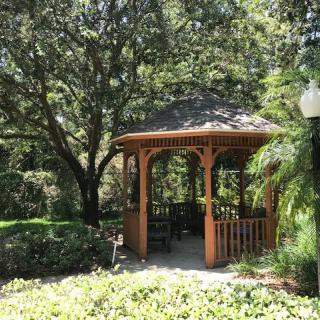
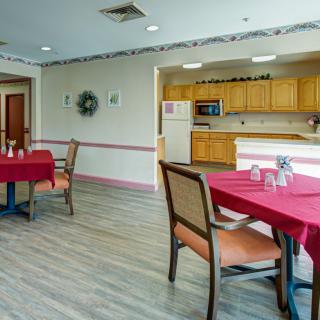
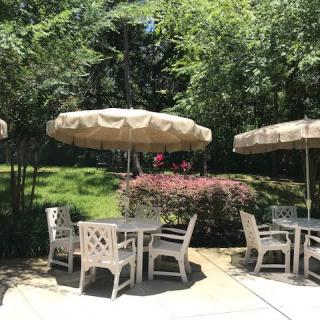
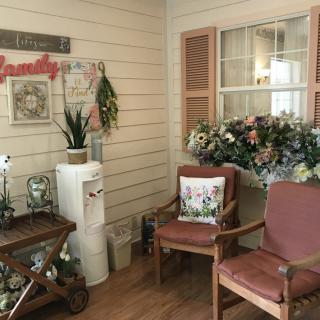
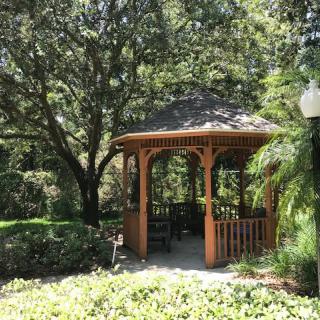
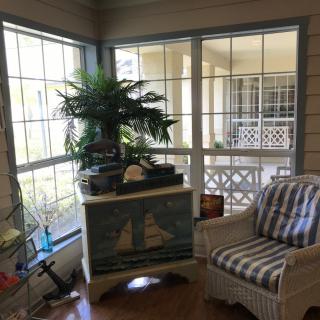
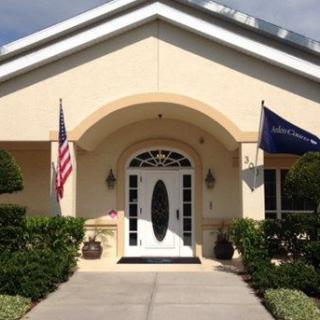
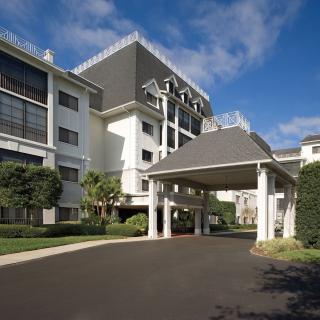
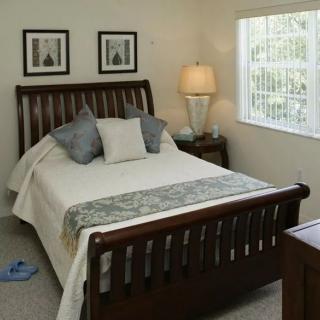
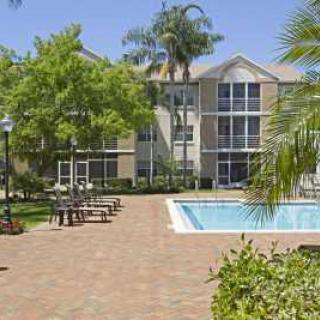
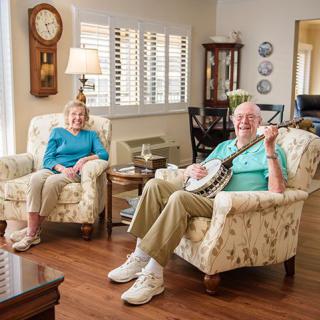
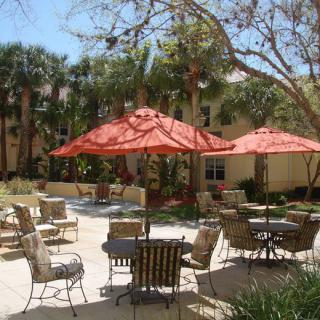
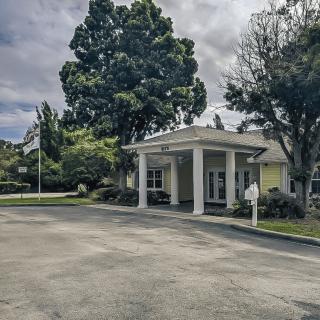
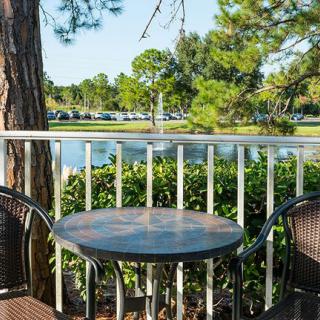
Arden Courts Of Palm Harbor on seniors.fyi includes 25 photos including images showing bedroom, interior, windows, decor, garden, outdoor, dining, trees, and more.
Nearby Communities
Manorcare Health Services Palm Harbor
Palm Harbor, FL
Comprehensive care with 24/7 supervision, medication management, and extensive on-site amenities.
Manor Care Health Svc
Palm Harbor, FL
3 from 30 reviews
Effective physical therapy and attentive staff.
HarborChase of Palm Harbor
Palm Harbor, FL
4.4 from 92 reviews
$4,100 to $6,495 / month
Warm, attentive staff with strong memory-care and engaging activities.
Coral Oaks
Palm Harbor, FL
4.6 from 123 reviews
$2,995 to $5,975 / month
Clean, well-maintained environment with friendly staff, tasty dining, and engaging activities.
St Mark Assisted Living Center
Palm Harbor, FL
Versatile care options with extensive on-site amenities.
Valencia House
Palm Harbor, FL
Small, intimate 6-bed community with personalized care and comprehensive services.
Stratford Court Of Palm Harbor
Palm Harbor, FL
4.5 from 89 reviews
Beautiful canal-side setting with friendly staff and active social life.
Angels Senior Living at Dunedin
Dunedin, FL
4.4 from 52 reviews
$4,025 to $4,600 / month
Caring staff with good communication and engaging activities.
Westchester Gardens Health & Rehabilitation
Clearwater, FL
4.4 from 126 reviews
Dedicated staff with strong therapy contributing to recovery.
Sundown syndrome, or sundowning, is a phenomenon in dementia patients characterized by increased confusion and agitation during late afternoon and evening, influenced by factors like disrupted circadian rhythms and fatigue. Effective caregiver strategies include establishing routines and managing environmental light while addressing caregiver stress through support services.
Delirium is a rapidly onset, reversible cognitive disturbance often caused by acute medical issues, while dementia is a gradual and irreversible decline due to chronic neurodegenerative diseases. Accurate differentiation between the two is essential for appropriate treatment and management in older adults.
Dementia, including Alzheimer’s disease, is often mischaracterized in terms of lethality as it leads to complications that can be fatal rather than being a direct cause of death; it causes a progressive decline in cognitive and physical health, making patients vulnerable to infections and other health crises. Effective management of nutrition, hydration, and communication is crucial in patient care, with palliative care becoming vital in advanced stages to enhance comfort and quality of life while caregivers play a key role amidst the challenges posed by the disease.
Get PricingAsk A QuestionSchedule A TourContact Senior Advisor
By clicking submit, you agree to our Partner's Terms of Use. You
also consent to receive calls and texts, which may be autodialed, from our Partner. Your consent is not a condition to
using our Partner's service. Please visit our Partner's Privacy Policy for information about their privacy practices.

 56 resident community capacity
 Studio apartments
 Memory Care
 Skilled Nursing Facility
 Activities off-site
 Air-conditioning
 Beautician on-site
 Cable or satellite TV
 Computer center
 Devotional services on-site
 Dining room
 Fitness room
 Fully furnished
 Gaming room
 Garden
 Guest parking
 Housekeeping services
 Indoor common areas
 Kitchenette
 Laundry
 Move-in coordination
 Outdoor common areas
 Private bathrooms
 Respite or short term stays offered
 Restaurant-style dining
 Security gate
 Small library
 Telephone
 VA Benefits Consultation
 Wellness center
 Wheelchair accessible showers
 Wi-Fi/high-speed internet available
 St. Petersburg-Clearwater International (11 miles away)
 Community operated transportation
 12-16 hour nursing
 24-hour call system
 Ambulatory care
 Assistance with bathing
 Assistance with dressing
 Assistance with transfers
 Companion care
 Diabetes diet
 Diabetic care
 High acuity care
 Hospice care
 Incontinence care
 Medication management
 Mental wellness program
 Physical therapy
 Psychiatric care
 Special dietary restrictions
 Art classes
 Book club
 Catholic services
 Concierge services
 Cooking classes
 Day trips and outings
 Educational speakers / life long learning
 Games
Games Jewish services
 Karaoke
 Live dance or theater performances
 Live musical performances
 Wii bowling
 Comprehensive care with 24/7 supervision, medication management, and extensive on-site amenities.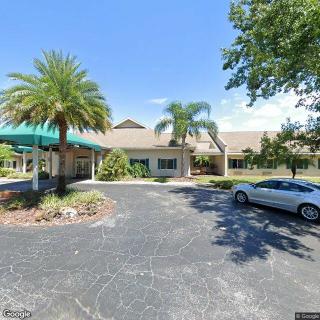

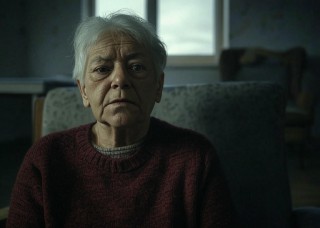 Comprehending Evening Confusion in Dementia: Causes, Manifestations, and Support
 Delirium and Dementia: Unraveling the Key Differences
 Are Dementia and Alzheimer's Disease Lethal? A Comprehensive Exploration