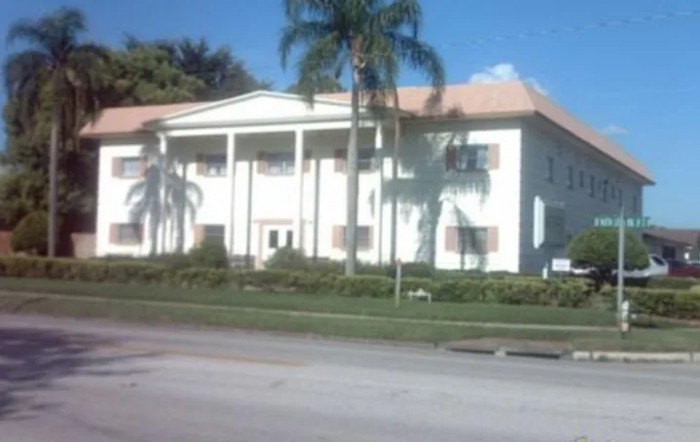
7101 Drive Martin Luther King Jr Street N, Saint Petersburg, FL 33702
For more information about senior living options: (866) 208-4318
3.6 from 76 reviews
5 stars
44
4 stars
5
3 stars
2
2 stars
1
1 stars
24
Overall Review of Abbey Rehabilitation And Nursing Center
common26 reviews mention this
Staff kindness and responsiveness stand out
Residents and families frequently describe staff as kind, helpful, and attentive to concerns.
Across many reviews, residents and families say caregivers are friendly and compassionate, and that staff pay attention to what families share. Several people mention receiving regular updates, timely follow-through, and help coordinating care and paperwork during transitions. Even reviews that were mostly critical still acknowledge that some individual staff members can be helpful, while others complain about rudeness and lack of support.
caveat15 reviews mention this
Facility cleanliness is a mixed story
Reviews describe both a clean, well-kept environment and serious cleanliness concerns.
Some reviewers say the building is clean and well maintained, including comments about it being bright, welcoming, and odor-free. Others describe strong negative cleanliness experiences, including reports of urine smell, dirty conditions, dried blood, and residents left in soiled items for long stretches. Together, the reviews point to inconsistent experiences with upkeep and daily sanitation.
differentiator7 reviews mention this
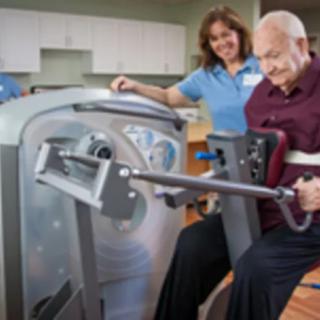
Rehab and therapy help people recover
Therapy services are repeatedly described as a key part of recovery and progress.
Several reviews connect improved outcomes to the therapy department and physical therapy assistance. People describe falls or hospital discharges followed by rehab, then being able to return home or do better than expected. A few reviewers also highlight the staff’s ability to coordinate care around treatments and medications as part of the rehab process.
caveat14 reviews mention this
Call lights and monitoring draw criticism
Multiple reviews raise concerns about staffing, call-light response, and patient monitoring.
A recurring concern in negative reviews is delayed response to call lights, with some describing waits of long periods and difficulty getting basic help. Several reviews also describe falls, medication-related issues, and situations where families felt staff did not notice problems quickly enough. Additional complaints include short staffing, lack of privacy, and residents being left without expected care between checks.
common2 reviews mention this
Engaging activities and daily programs
Residents describe structured day-to-day activities and engagement.
At least a couple of reviews specifically mention engaging activities as part of daily life, alongside a focus on resident well-being. The community also offers scheduled daily activities and planned day trips, which aligns with residents who point to programming as a positive part of their experience.
common
Nearby essentials are close by
Common essentials like clinics and pharmacies are within a few miles.
The area includes nearby options for everyday needs and medical appointments. For example, multiple pharmacies and physician offices are listed at around half a mile to a few miles away, alongside parks and other community destinations.
How we summarize
We summarize when many written reviews mention each theme; a review can touch several themes, and only frequently mentioned themes are displayed.
Features
Housing
132 resident community capacity
Types of Care
Skilled Nursing Facility
Amenities
Air-conditioning
Beauty salon
Cable or satellite TV
Computer center
Dining room
Fitness room
Fully furnished
Gaming room
Garden
Housekeeping services
Kitchenette
Move-in coordination
Outdoor space
Private bathrooms
Restaurant-style dining
Small library
Telephone
Wellness center
Wi-Fi/high-speed internet available
Transportation
St. Petersburg-Clearwater International (6 miles away)
Tampa International (12 miles away)
Community operated transportation
Transportation arrangement
Transportation arrangement (non-medical)
Transportation to doctors appointments
Care Services
12-16 hour nursing
24-hour call system
24-hour supervision
Activities of daily living assistance
Assistance with bathing
Assistance with dressing
Assistance with transfers
Diabetes diet
Meal preparation and service
Medication management
Mental wellness program
Special dietary restrictions
Dining
Diabetes diet
Special dietary restrictions
Activities
Community-sponsored activities
Concierge services
Fitness programs
Planned day trips
Resident-run activities
Scheduled daily activities
Nearby Places of Interest
Parks
Fossil Park (0.5 miles)
Crescent Lake Park (3.2 miles)
Freedom Lake Park (3.6 miles)
North Shore Park (3.9 miles)
Vinoy Park St Petersburg (4.2 miles)
St Pete Pier Playground (4.5 miles)
Northwest Park (5.1 miles)
Pharmacies
Winn-Dixie (0.5 miles)
CVS Pharmacy (0.6 miles)
Walgreens (1 miles)
CVS Pharmacy (1.1 miles)
Walgreens (2.1 miles)
Walgreens (2.1 miles)
CVS Pharmacy (2.2 miles)
Physicians
Ear, Nose and Throat Associates (0.5 miles)
All Florida Orthopaedic Associates (1.6 miles)
Updegraff Laser Vision (2.1 miles)
Northeast Family Practice (3.2 miles)
Carillon Sports & Family Medicine (3.6 miles)
Bay Area Heart Center (3.9 miles)
BayCare Behavioral Health - St. Anthony's Primary Care (4 miles)
Restaurants
Noble Crust (0.9 miles)
Chick-Fil-A (1.8 miles)
Hooters (1.9 miles)
El Cap Restaurant (2.3 miles)
Pollo Tropical (2.5 miles)
Burger King (2.6 miles)
Mercel's Bake Shop (3.4 miles)
Places of Worship
Allendale United Methodist Church (2 miles)
Christ The Cornerstone (3.9 miles)
Cafes
Panera Bread (2.3 miles)
Kristina's Cafe (3 miles)
Panera Bread (3.3 miles)
Mazzaro's Italian Market (3.5 miles)
Starbucks (3.8 miles)
Kahwa Coffee (4.1 miles)
Bula Kafe (4.3 miles)
Theaters
Regal Park Place & RPX (2.4 miles)
AMC Sundial 12 (4.4 miles)
Hospitals
St Anthony's Hospital (4 miles)
All Children's Hospital (5 miles)
Bayfront Health St. Petersburg (5.1 miles)
All Children's Obgyn Specialists (6.1 miles)
Transportation
St Pete-Clearwater International Airport (PIE) (5.6 miles)
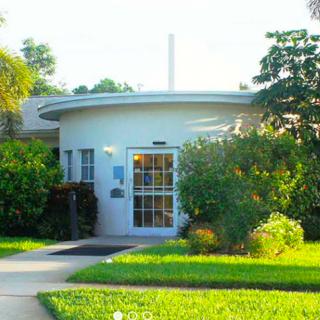
Abbey Rehabilitation And Nursing Center is located at 7101 Drive Martin Luther King Jr Street N, Saint Petersburg, FL 33702 in Pinellas County, Florida
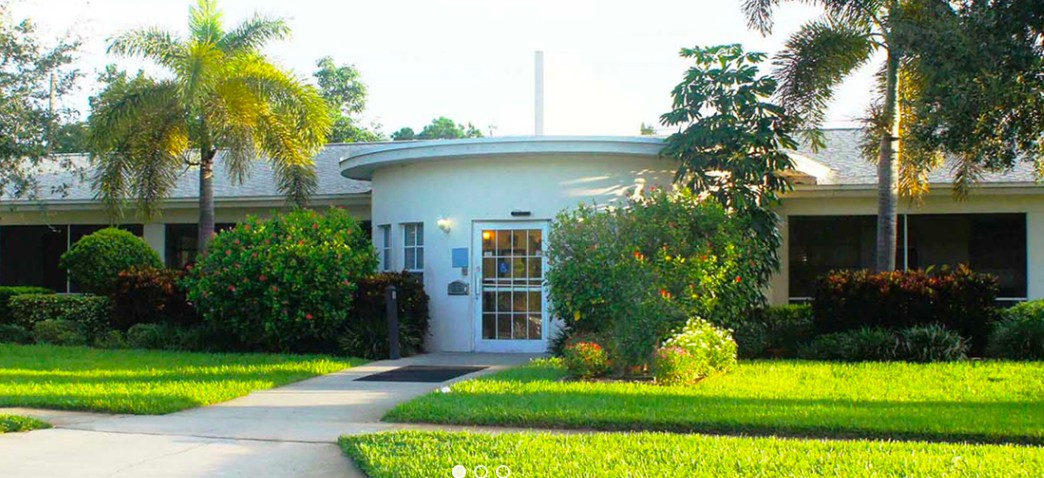
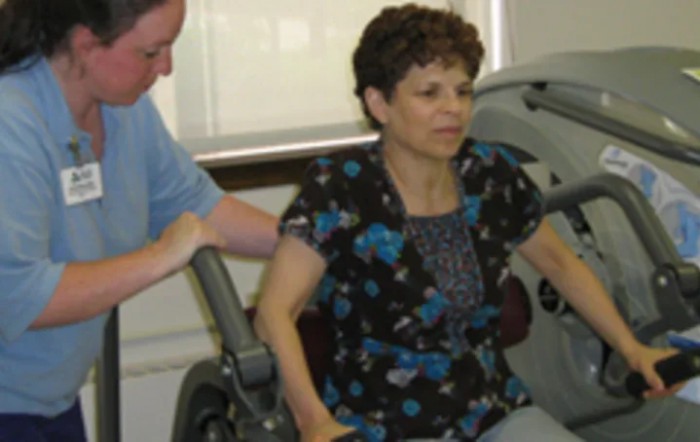
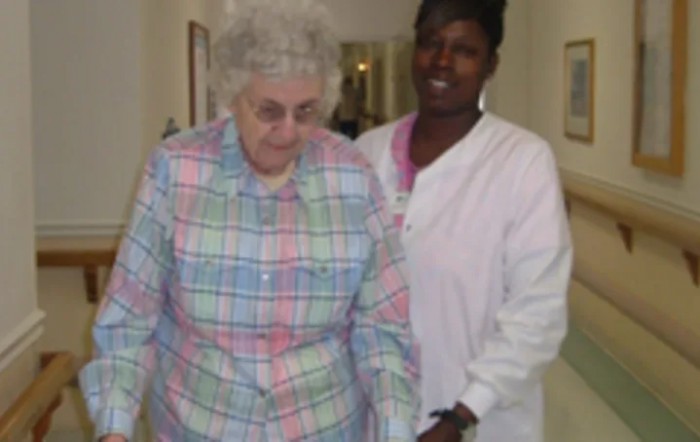
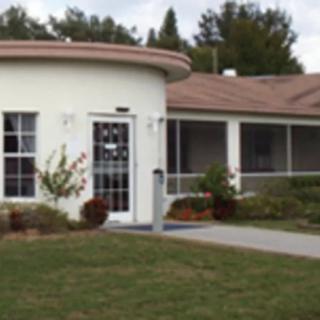
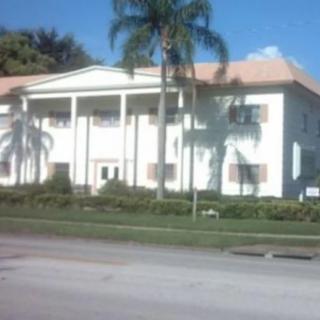
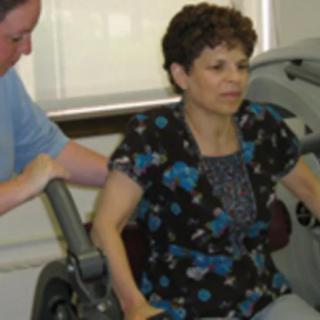
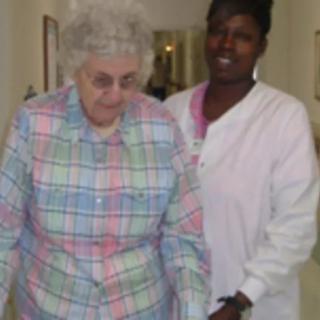
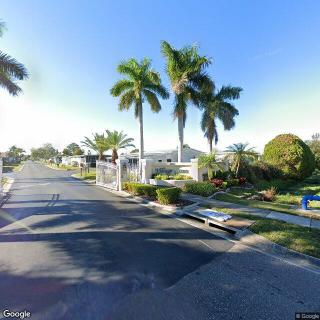
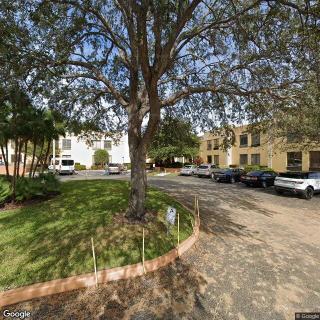
Abbey Rehabilitation And Nursing Center on seniors.fyi includes 6 photos including images showing landscaping, healthcare, physical therapy, rehabilitation, assistance, building, architecture, outdoor, and more.
Nearby Communities
Theratx At Abbey
St. Petersburg, FL
3.5 from 72 reviews
Diabetic-care focused assisted living with on-site meals and ample indoor social spaces.
Patrick Manor
St. Petersburg, FL
3.9 from 27 reviews
$2,650 to $2,950 / month
Exceptional, compassionate care with the owner's personal involvement.
St Petersburg Nursing & Rehabilitation
Saint Petersburg, FL
3.6 from 96 reviews
Wide range of on-site amenities and 24/7 care services.
Mobel Americana
St. Petersburg, FL
Excellent access to healthcare, dining, parks, and cultural venues nearby.
Gateway Manor
St. Petersburg, FL
Prime location with abundant nearby amenities (healthcare, dining, parks, transport).
Golden Life - ALF
Saint Petersburg, FL
5 from 1 review
Small, intimate setting with comprehensive assisted living services
Village Green Mobile Home Park
St. Petersburg, FL
Extensive nearby amenities and healthcare access.
Carrington Place of St. Pete
Saint Petersburg, FL
4 from 57 reviews
Clean, well-maintained facility with friendly staff and improved management.
Sunset Palms Community
Pinellas Park, FL
4.7 from 75 reviews
Comprehensive assisted living with diabetic care and on-site activities.
Senior drivers prioritize comfort, safety, and ease of use in vehicles due to age-related challenges, seeking features like easy entry, clear visibility, and modern driver-assistance technologies. Recommended models include the Subaru Forester, Honda CR-V, and Toyota Camry, with emphasis on test-driving for personal comfort and evaluating crash-test ratings alongside insurance considerations.
Private pay home care offers a flexible caregiving option for older adults and families who don't qualify for government programs, allowing them to directly fund in-home care services that range from daily assistance to specialized support. This model's customization potential enables aging in place while addressing financial considerations through strategic planning options, though clients must navigate marketplace challenges and ensure quality compliance.
Arthritis encompasses over 100 joint disorders affecting people of all ages, leading to symptoms like pain and stiffness that impair mobility and quality of life. Effective management involves early diagnosis, lifestyle changes, medical treatments, emotional support, and ongoing monitoring with healthcare professionals.
Get PricingAsk A QuestionSchedule A TourContact Senior Advisor
By clicking submit, you agree to our Partner's Terms of Use. You
also consent to receive calls and texts, which may be autodialed, from our Partner. Your consent is not a condition to
using our Partner's service. Please visit our Partner's Privacy Policy for information about their privacy practices.

 132 resident community capacity
 Skilled Nursing Facility
 Air-conditioning
 Beauty salon
 Cable or satellite TV
 Computer center
 Dining room
 Fitness room
 Fully furnished
 Gaming room
 Garden
 Housekeeping services
 Kitchenette
 Move-in coordination
 Outdoor space
 Private bathrooms
 Restaurant-style dining
 Small library
 Telephone
 Wellness center
 Wi-Fi/high-speed internet available
 St. Petersburg-Clearwater International (6 miles away)
 Community operated transportation
 12-16 hour nursing
 24-hour call system
 Activities of daily living assistance
 Assistance with bathing
 Assistance with dressing
 Assistance with transfers
 Diabetes diet
 Medication management
 Mental wellness program
 Special dietary restrictions
 Concierge services
 Planned day trips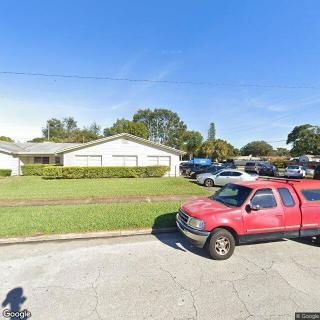
 Diabetic-care focused assisted living with on-site meals and ample indoor social spaces.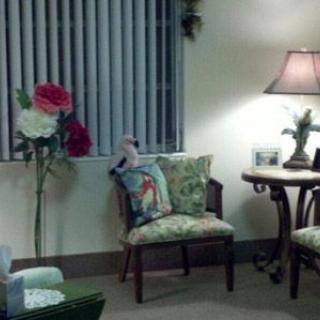


 Top Cars for Senior Drivers and Essential Safety Innovations
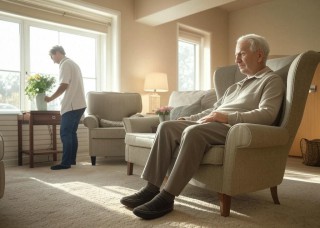 A Closer Look at Private Pay Home Care
 Comprehensive Approaches for Arthritis: A Detailed Guide to Symptoms, Causes, and Care