
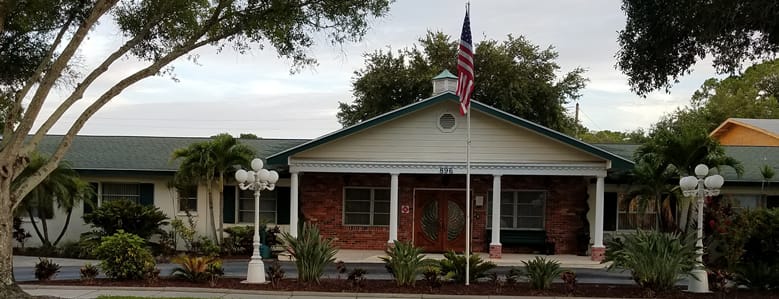



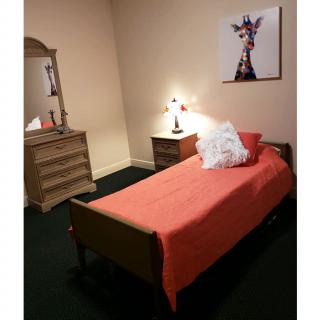








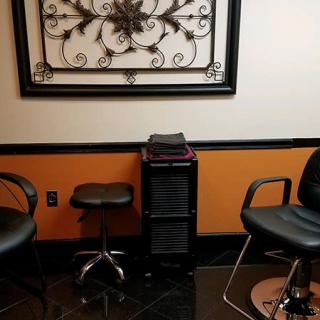
896 73rd Avenue N, St. Petersburg, FL 33702
For more information about senior living options: (866) 208-4318
Patrick Manor Costs & Pricing
Patrick Manor offers competitive pricing for its residents compared to the broader market in Pinellas County and Florida as a whole. For a semi-private room, residents pay $2,650 per month, which is lower than the county average of $2,765 and significantly more affordable than the state average of $3,009. Similarly, the cost for a one-bedroom unit at Patrick Manor is set at $2,950, again undercutting the county's average of $3,638 and the state's average of $3,864. This pricing structure not only reflects a commitment to providing quality care but also positions Patrick Manor as an attractive option for individuals and families seeking value in long-term care solutions.
| Floor plans | Patrick Manor | Pinellas County | Florida |
|---|---|---|---|
| Semi-Private | $2,650 | $2,765 | $3,009 |
| 1 Bedroom | $2,950 | $3,638 | $3,864 |
Memory care communities with a similar price nearby
-
from -$450 / mo
Dorothy Cares Assisted Living Facility
$2,200 to $3,300 / month21.5 miles away -
About the same
Alafia Village
$2,700 to $4,000 / month21.6 miles away -
from +$445 / mo

Homewood At Sun City Center
$3,095 to $6,500 / month19.1 miles away -
from -$450 / mo
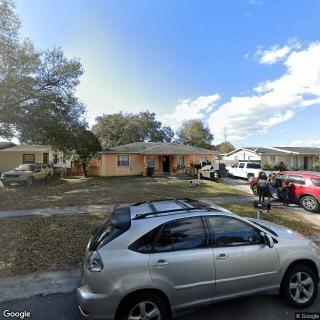
Mary Dunbar Assisted Living Facility
$2,200 to $2,800 / month18.6 miles away -
from -$150 / mo
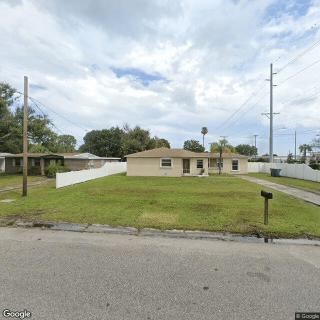
Consuelo's Assisted Living Facility
$2,500 to $4,500 / month8.6 miles away
Overall Review of Patrick Manor
Pros
 They describe Patrick Manor as the most loving and caring place they’ve experienced.
- Patrick Manor treats residents and their families like family.
- The staff are excellent, caring, and go above and beyond to provide quality care.
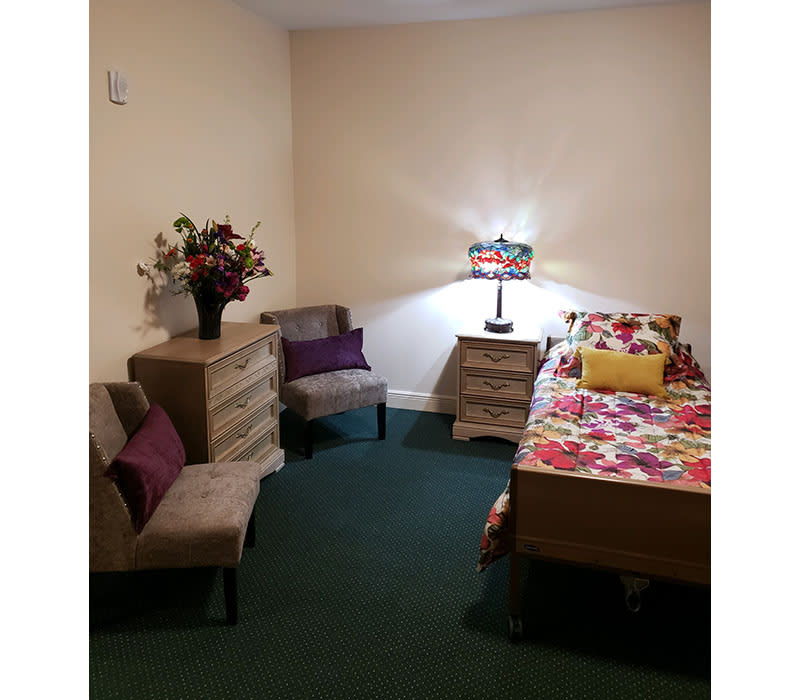
- The facility feels like home, with a warm, homey atmosphere.
- The owner is personally involved in resident care and maintains high standards.
- The staff are friendly, helpful, and maintain a clean, welcoming environment.
- The gardens, rooms, meals, and activities enrich residents’ daily life.
- The meals are home-cooked and well-liked by residents.
Cons
 The family had to move him out after only two days because things didn’t work out.
- They view the $2,800 community fee as unfair since it’s kept even if the resident stays only two days.
- They claim the owners have judgments against them and do not pay their bills for repairs.
- They allege the facility lied about the grandfather’s whereabouts for two years.
- They describe the staff as rude, disrespectful, and secretive, and label the facility sneaky.
- They raise privacy concerns, including tours through a dying loved one’s room and the owner’s husband interfering and insulting the family.
Review
Patrick Manor in St. Petersburg is best suited for families seeking a warm, home-like assisted living and memory care environment where staff visibly treat residents as family. The community shines for seniors who prize personal attention, engaging daily life, and a sense of belonging over pristine corporate polish. It appeals to families who are comfortable with an owner-led operation that emphasizes heart and relationships, often delivering heartfelt care and a garden-like, homelike atmosphere. Those who prioritize formal governance, rigid policy transparency, and a strictly regulated financial structure may want to consider alternatives.
The strongest positives center on the care ethos and day-to-day environment. Reviewers consistently describe loving, compassionate staff who form authentic connections with residents, and they repeatedly note that the owner is personally involved and sets a high standard for care. The facility is praised for a homey feel, clean spaces, and home-cooked meals, along with meaningful activities and a garden that residents enjoy. In many accounts, the staff are seen as the heart of the community, fostering a sense of family for both residents and visiting relatives. For families who want a place that feels like home and where staff members become trusted caregivers, Patrick Manor delivers strongly.
Yet the negatives are not minor and should be weighed with caution. Several reviews flag a $2,800 nonrefundable “community fee” collected at move-in, with concerns that this fee may be kept even if relocation occurs quickly. Beyond financial terms, a subset of families allege governance and communication problems, including claims of misleading information about a resident’s whereabouts, perceived secrecy, and intrusive behavior by nonclinical family members (notably involving a contractor and the owner’s husband). Accusations of neglecting repairs, unpaid bills, and privacy violations, such as objections raised around HIPAA-era intrusions, cast a long shadow over the operational picture. Taken together, these episodes create doubt about reliability and transparency in management decisions.
Those pros and cons interact in meaningful ways depending on what matters most to a given family. For residents who will thrive on attentive, affectionate care and a sense of everyday normalcy, paired with tasty, home-style meals and social programming, the positives can significantly offset a lack of formal corporate structure. However, the same beloved qualities can be undercut by governance concerns about fee policies, transparency, privacy, and how resident and family needs are communicated and respected. In short, the warmth and quality of daily care can be outstanding, but the shadow of administrative disputes and the potential for privacy-related issues may erode confidence over time for some families.
Families should weigh Patrick Manor against alternatives if certain safeguards are non-negotiable. If a clear, upfront fee policy and a straightforward exit/fee refund approach are priorities; if consistent, professional privacy protections and a transparent governance framework are essential; or if there is a preference for a facility without persistent allegations of secretive practices, then exploring other communities is prudent. Prospective buyers should request granular explanations of the community fee, review recent financial disclosures, and talk directly with multiple current residents’ families about how governance and day-to-day operations are actually handled. A candid tour that probes how incidents are resolved and how staff communicate with families will reveal whether Patrick Manor fits or if another option better aligns with expectations.
In the end, Patrick Manor offers a compelling, emotionally resonant caregiving environment where residents often flourish among caring staff and a genuinely home-like climate. It remains hard to ignore the very real concerns raised by some families, issues that touch on financial policies, transparency, and privacy. For families prioritizing heartfelt, hands-on care and a sense of belonging, the positives can outweigh the negatives when due diligence is done and expectations are aligned. For those needing ironclad procedural safeguards and flawless governance, it is wise to look elsewhere and compare closely before committing.
 55 resident community capacity
 Studio apartments
 Assisted Living
 Independent Living
 Memory Care
 Activities off-site
 Air-conditioning
 Bath tubs
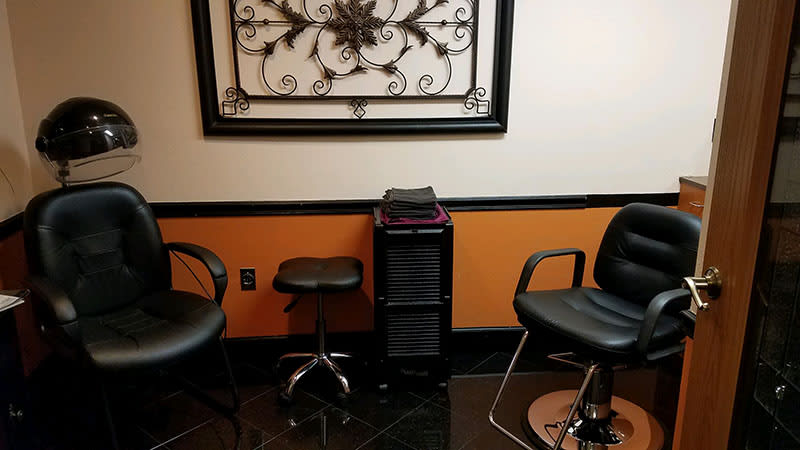
 Beautician on-site
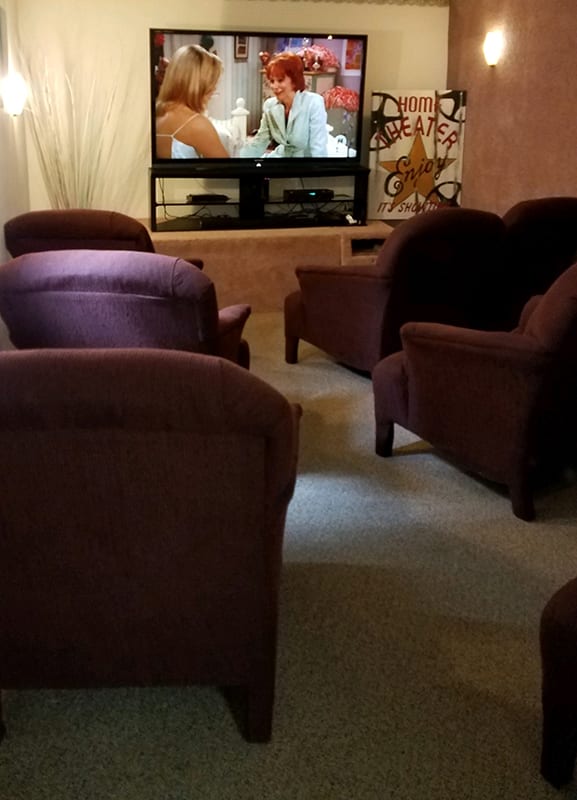
 Cable or satellite TV
 Computer center
 Devotional services off-site
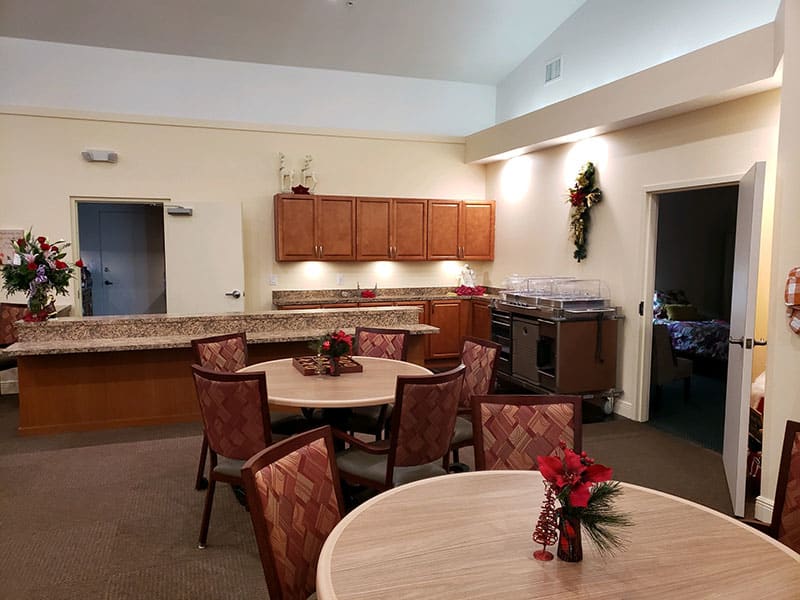
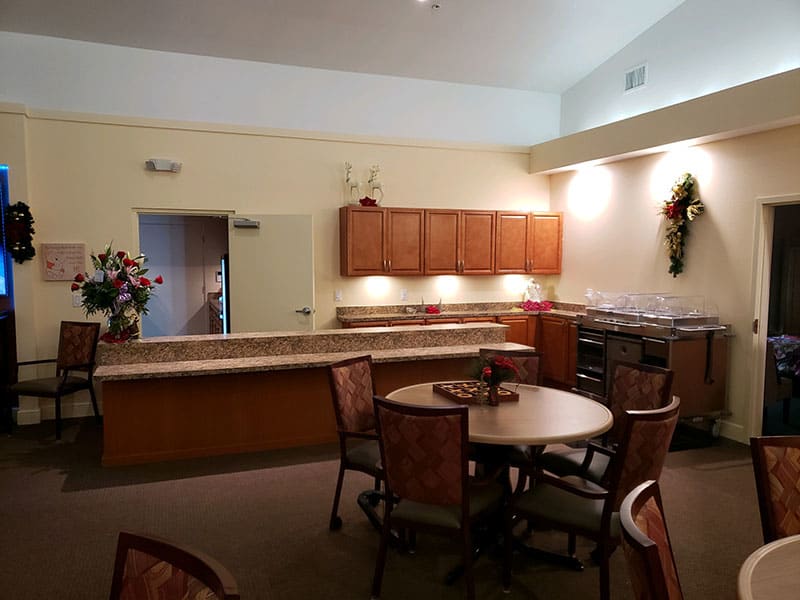
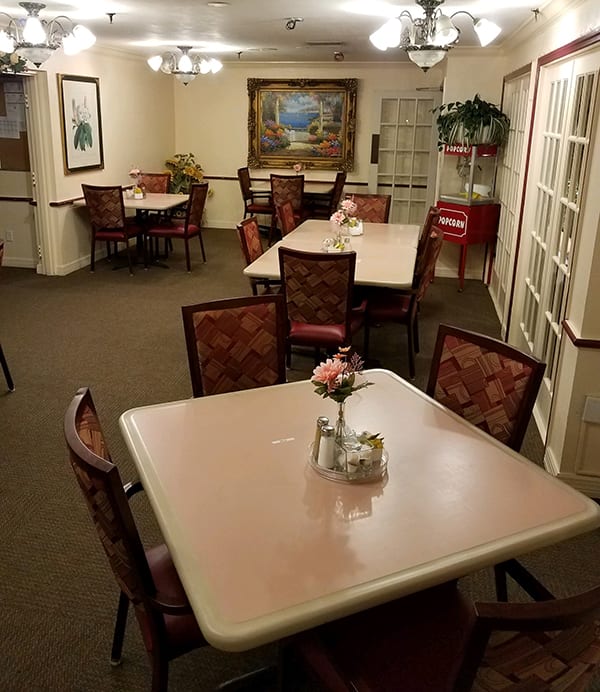
 Dining room
 Fitness room
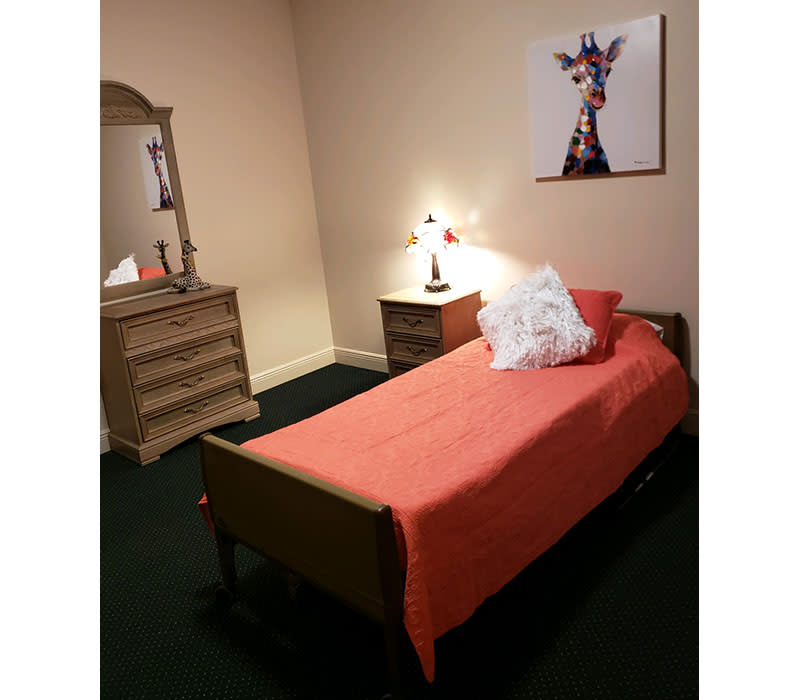
 Fully furnished
 Gaming room
 Garden
 Ground floor units
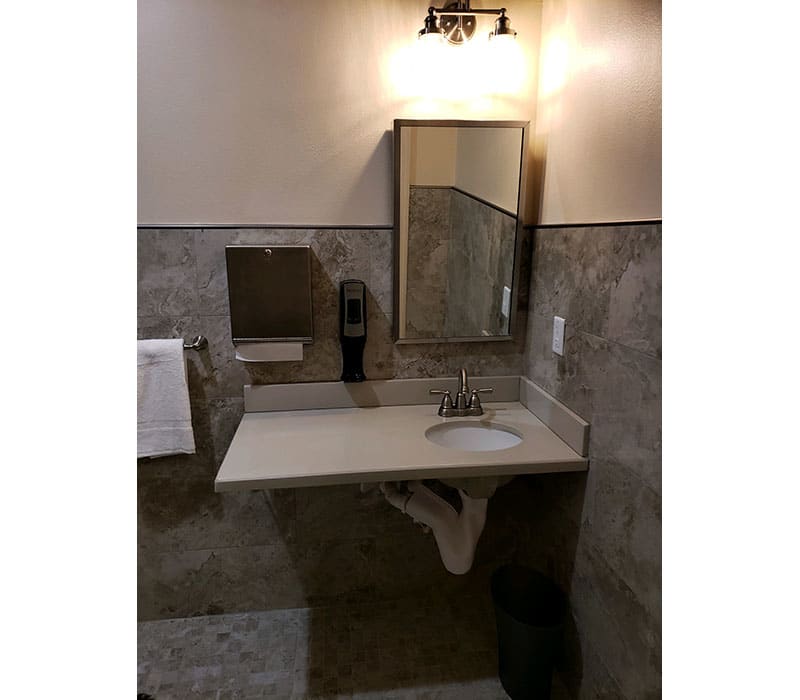
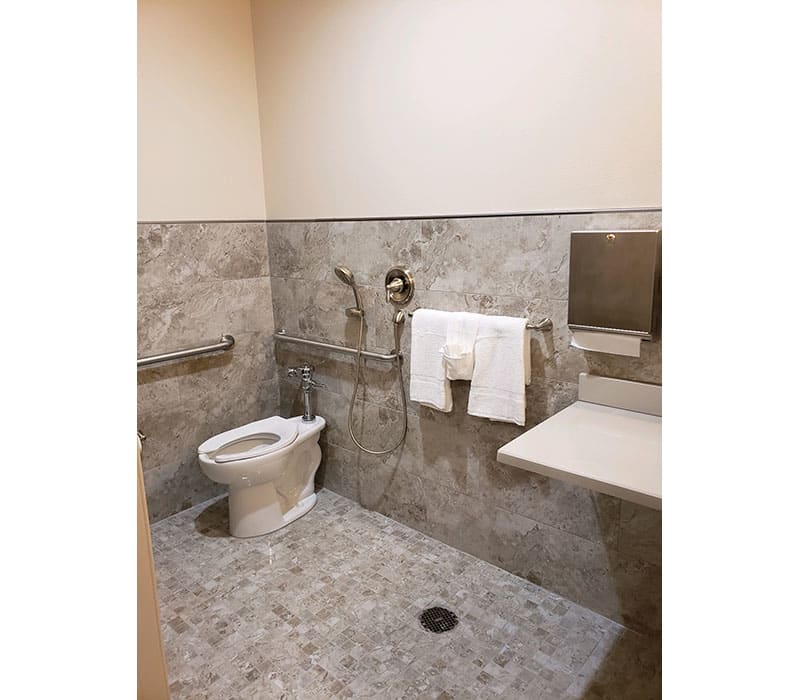
 Handicap accessible
 Housekeeping services
 Indoor common areas
 Kitchenette
 Laundry
 Move-in coordination
 Outdoor common areas
 Private bathrooms
 Respite or short term stays offered
 Restaurant-style dining
 Small library
 Telephone
 VA Benefits Consultation
 Wellness center
 Wheelchair accessible showers
 Wi-Fi/high-speed internet available
 St. Petersburg-Clearwater International (6 miles away)
 Community operated transportation
 24-hour call system
 Ambulatory care
 Assistance with bathing
 Assistance with dressing
 Assistance with transfers
 Diabetes diet
 Diabetic care
 High acuity care
 Hospice care
 Incontinence care
 Medication management
 Special dietary restrictions
 Art classes
 Bible study group
 Concierge services
 Karaoke
 Live dance or theater performances
 Live musical performances
 Planned day trips
 English



 A Thorough Discussion of Medications Potentially Linked to Dementia Risk
 Why Do Dementia Patients Sleep So Much? Understanding Oversleeping, Stages, and Care Approaches
 8 Key Indicators That Suggest It May Be Time to Transition from Assisted Living to Skilled Nursing Care