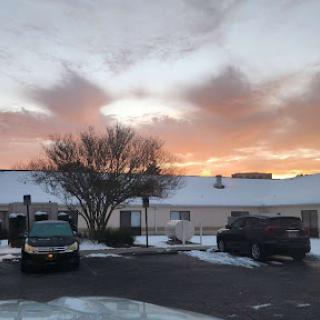
Overall Review of Solaris Healthcare Pensacola
common
24 reviews mention this
Staff compassion and communication
Residents and families frequently describe compassionate, professional staff communication.
Across many reviews, families say staff are kind, respectful, and professional, with caregivers who treat residents with dignity. Multiple reviewers also mention being kept informed and able to ask questions, including updates from nurses, social services, and therapists. Several people credit specific staff members for stepping in during stressful situations and making transitions feel smoother.
differentiator
10 reviews mention this
Therapy and wound care support
Rehabilitation support, including therapy and wound care, stands out in reviews.
Many reviewers talk about rehab progress and consistent therapy involvement, including physical and occupational therapy that helped residents improve mobility, confidence, and daily function. Several also mention wound care being provided and handled as part of their care plan, and families describe it as helpful during transitions. When care goes well, residents and families describe the therapy team as patient, focused on recovery, and engaged in day-to-day progress.
common
10 reviews mention this
Clean rooms and facility upkeep
Many reviewers describe a clean, well-maintained environment.
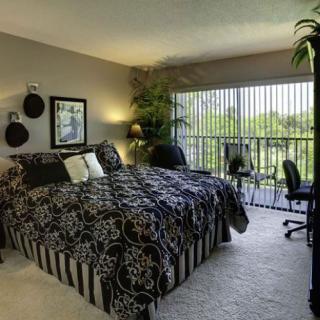
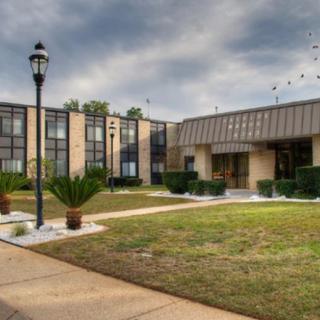
A recurring positive point is that rooms and common areas look clean and maintained, with reviewers often noting it during visits and longer stays. Some describe the facility as fresh-smelling, neat, and welcoming, and connect cleanliness with feeling comfortable about safety. There are also negative cleanliness comments in a smaller set of reviews, including claims about unpleasant odors and mold.
common
7 reviews mention this
Activities and holiday celebrations
Residents are described as having activities and themed celebrations.
Several reviews mention regular activities and day-to-day programming that help keep residents engaged, including organized activities and events. Families describe holiday decorations and special celebrations, with residents participating in events like Easter, Halloween, Christmas, and Mardi Gras. In the most positive accounts, the activities team is credited with making the environment feel more home-like.
common
5 reviews mention this
Meals that families call good
Food quality comes up often, with many families saying meals are good.
Some reviewers describe the meals as delicious or above average, and a number also note flexibility such as eating in the room or using the dining area. Others mention diet-related support as part of care needs, including diabetes-related and special dietary restrictions. A few reviews are less positive about food quality or meal temperature, but overall dining impressions are frequently favorable.
caveat
10 reviews mention this
Concerns about call light response
Some reviewers report delayed help when they needed staff quickly.
While many families praise communication and responsiveness, a substantial set of negative reviews describe call bells not being answered promptly or residents being left waiting for help. Complaints also include situations where staff did not respond quickly enough to address bathroom needs, discomfort, or other urgent requests. Taken together, the reviews suggest response times can be inconsistent, depending on the situation and shift.
caveat
3 reviews mention this
Cleanliness and condition complaints
A smaller group of reviews raises serious cleanliness concerns.
In a few negative reviews, commenters describe unpleasant odors and conditions they characterize as dirty, including claims about mold. These reviews also describe an overall environment that felt unsafe or poorly managed. Because these concerns are not universal in the reviews, they read as pointed exceptions rather than a consistent theme across all accounts.
How we summarize
Counts show how many written reviews mention each theme; a review can touch several themes, and only frequently mentioned themes are displayed.

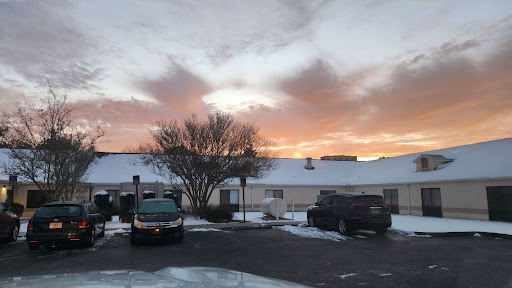
 180 resident community capacity
 Skilled Nursing Facility
 Air-conditioning
 Beauty salon
 Cable or satellite TV
 Computer center
 Dining room
 Fitness room
 Fully furnished
 Gaming room
 Garden
 Housekeeping services
 Kitchenette
 Move-in coordination
 Outdoor space
 Private bathrooms
 Restaurant-style dining
 Small library
 Telephone
 Wellness center
 Wi-Fi/high-speed internet available
 Pensacola Regional (4 miles away)
 Community operated transportation
 12-16 hour nursing
 24-hour call system
 Activities of daily living assistance
 Assistance with bathing
 Assistance with dressing
 Assistance with transfers
 Diabetes diet
 Medication management
 Mental wellness program
 Special dietary restrictions
 Concierge services
 Planned day trips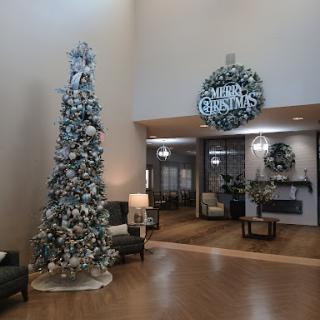
 Comprehensive amenities and around-the-clock care.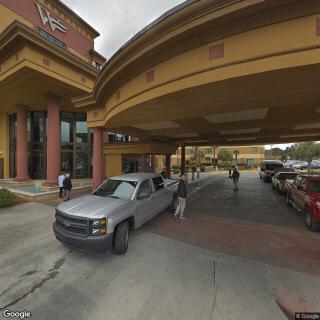
 Weight Training for Seniors: Building Strength and Vitality
 Understanding the Sandwich Generation: Stress and Responsibilities for Multigenerational Caregivers
 8 Essential Assistive Devices for Older Adults