Countryside Rehab And Healthcare Center in Palm Harbor, FL
Countryside Rehab And Healthcare Center is a nursing home community in Palm Harbor, FL.
Information last verified:
3825 Countryside Boulevard N, Palm Harbor, FL 34684
For more information about senior living options: (866) 208-4318
4.2 from 116 reviews
5 stars
83
4 stars
8
3 stars
2
2 stars
6
1 stars
17
Overall Review of Countryside Rehab And Healthcare Center
common2 reviews mention this
Therapy support is a major focus
Physical and occupational therapy repeatedly stand out in residents’ descriptions of recovery.
Many residents point to therapy as the driver of progress, describing therapists who encouraged them and helped them regain function. Several reviews specifically mention both physical and occupational therapy, and families describe therapy teams as engaged and attentive. In the same way, residents also describe a therapy schedule and frequent sessions during rehab stays.
caveat2 reviews mention this
Food is a mix of praise and limits
Food gets both positive mentions and repeated complaints, especially around diabetic options.
Some residents and families say meals are good, satisfying, or adjusted to needs. At the same time, multiple reviews criticize what’s served for diabetic preferences, describing limited healthy alternatives and sugar-heavy options. Those negative accounts also tie food concerns to reduced intake and dissatisfaction during the stay.
caveat2 reviews mention this
Staff responsiveness can vary a lot
Call-button and medication timing issues show up in several negative experiences.
A number of reviews describe delays when asking for help, including long waits for assistance and situations where residents felt they had to manage on their own. Some negative accounts also describe problems with medication timing or missing supplies during the stay. Several families frame this as a need for stronger follow-through when care requests are urgent.
common2 reviews mention this
Cleanliness is frequently mentioned
Residents and families often describe the facility as clean and well kept.
Across reviews, cleanliness is a recurring point, with multiple residents describing the building as tidy and the environment as maintained. Some reviews also connect cleanliness with comfort during rehab. Even among critical reviews, the contrast often centers on whether rooms and hygiene care were handled properly.
How we summarize
Counts show how many written reviews mention each theme; a review can touch several themes, and only frequently mentioned themes are displayed.
Features
Housing
120 resident community capacity
Types of Care
Skilled Nursing Facility
Amenities
Air-conditioning
Beauty salon
Cable or satellite TV
Computer center
Dining room
Fitness room
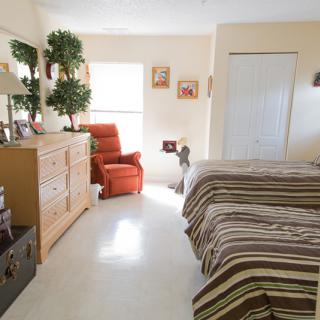
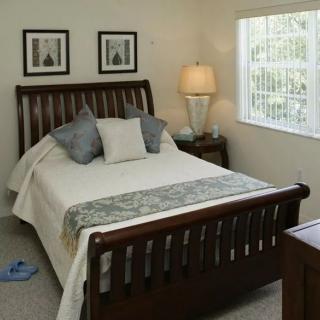
Fully furnished
Gaming room
Garden
Housekeeping services
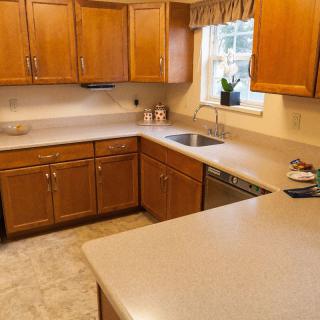
Kitchenette
Move-in coordination
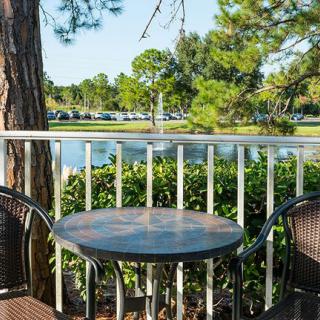
Outdoor space
Private bathrooms
Restaurant-style dining
Small library
Telephone
Wellness center
Wi-Fi/high-speed internet available
Transportation
St. Petersburg-Clearwater International (10 miles away)
Tampa International (12 miles away)
Community operated transportation
Transportation arrangement
Transportation arrangement (non-medical)
Transportation to doctors appointments
Care Services
12-16 hour nursing
24-hour call system
24-hour supervision
Activities of daily living assistance
Assistance with bathing
Assistance with dressing
Assistance with transfers
Diabetes diet
Meal preparation and service
Medication management
Mental wellness program
Special dietary restrictions
Dining
Diabetes diet
Special dietary restrictions
Activities
Community-sponsored activities
Concierge services
Fitness programs
Planned day trips
Resident-run activities
Scheduled daily activities
Nearby Places of Interest
Parks
Canal Park (0.5 miles)
Stirling Park (4.3 miles)
Cooper Bayou Park (5.1 miles)
Kapok Park (5.7 miles)
Anclote Key Preserve State Park (6.9 miles)
McMullen Booth Tennis Center Clearwater FL (7.3 miles)
Northwest County Dog Park (8.1 miles)
Restaurants
McDonald's (0.6 miles)
Craft Street Kitchen (0.9 miles)
Shaker And Peel (1.1 miles)
Burger King (1.7 miles)
Taco Bar (1.8 miles)
McDonald's (1.8 miles)
Chick-Fil-A (1.9 miles)
Physicians
Rose Radiology-Boot Ranch (0.7 miles)
The Reproductive Medicine Group (1.4 miles)
North Pinellas Surgery Center (1.9 miles)
Advanced Gastroenterology Associates (2.2 miles)
Virginia Street Dermatology (5.2 miles)
Dunedin Pediatrics (5.8 miles)
Academic Alliance In Dermatology (6.2 miles)
Theaters
AMC Woodlands Square 20 (0.8 miles)
Hospitals
Mease Countryside Hospital (1.3 miles)
Mease Countryside Hospital-Medical Arts Building (1.3 miles)
Nonmedical home care provides assistance with daily activities and companionship for individuals wishing to maintain independence and quality of life at home, without medical intervention. Its growing popularity is driven by an aging population, the need for supportive environments for recovery, and the emotional benefits of caregiver companionship, while costs vary based on service frequency and location.
Maintaining cognitive fitness through engaging in various brain games, both traditional and digital, is crucial for seniors as it enhances memory retention, problem-solving abilities, and emotional well-being while helping to protect against age-related decline. A holistic approach that includes diverse activities, physical exercise, a balanced diet, and social interaction further supports mental health and cognitive function.
The article outlines strategies for keeping seniors' minds active through brain games and apps, highlighting the importance of cognitive exercises, social engagement, and a healthy lifestyle in combating cognitive decline. It emphasizes the benefits of various types of games and offers practical tips for maintaining mental wellness through enjoyable activities while acknowledging their limitations.
Get PricingAsk A QuestionSchedule A TourContact Senior Advisor
By clicking submit, you agree to our Partner's Terms of Use. You
also consent to receive calls and texts, which may be autodialed, from our Partner. Your consent is not a condition to
using our Partner's service. Please visit our Partner's Privacy Policy for information about their privacy practices.

 120 resident community capacity
 Skilled Nursing Facility
 Air-conditioning
 Beauty salon
 Cable or satellite TV
 Computer center
 Dining room
 Fitness room
 Fully furnished
 Gaming room
 Garden
 Housekeeping services
 Kitchenette
 Move-in coordination
 Outdoor space
 Private bathrooms
 Restaurant-style dining
 Small library
 Telephone
 Wellness center
 Wi-Fi/high-speed internet available
 St. Petersburg-Clearwater International (10 miles away)
 Community operated transportation
 12-16 hour nursing
 24-hour call system
 Activities of daily living assistance
 Assistance with bathing
 Assistance with dressing
 Assistance with transfers
 Diabetes diet
 Medication management
 Mental wellness program
 Special dietary restrictions
 Concierge services
 Planned day trips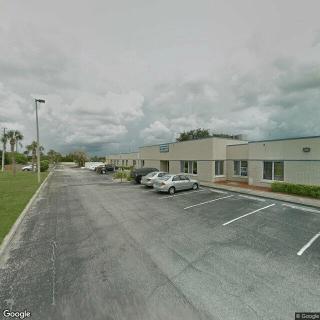
 Friendly, attentive staff in a warm, home-like setting with satisfying meals.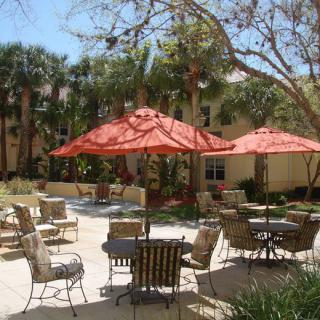

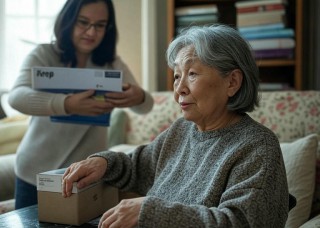 Exploring Nonmedical Home Care: Understanding Services, Costs, and Financial Approaches
 Engaging Brain Games and Innovative Apps to Keep Senior Minds Active
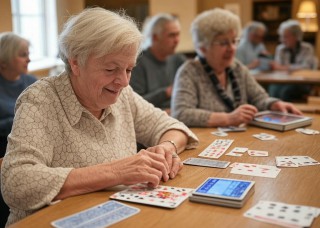 Effective Strategies for Keeping Seniors' Minds Active: A Deep Dive into Brain Games and Apps