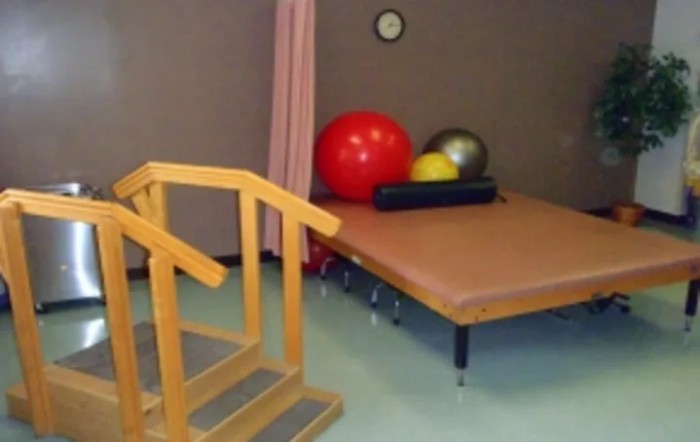
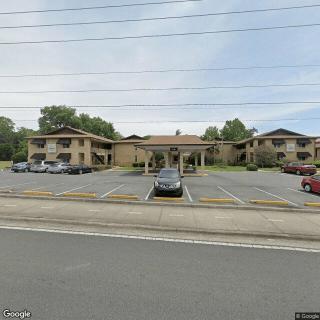
Ocala Oaks Rehabilitation Center in Ocala, FL

Save
Ocala Oaks Rehabilitation Center Ocala Oaks Rehabilitation Center

Ocala Oaks Rehabilitation Center in Ocala, FL

Information last verified:

3930 East Silver Springs Boulevard, Ocala, FL 34470

For more information about senior living options: (844) 490-3973

3.4 from 102 reviews
5 stars
58
4 stars
1
3 stars
4
2 stars
3
1 stars
36

Seniors.FYI Elite Community Awards

Top 5% Senior Living Community in 2020

Add this award to your website

Overall Review of Ocala Oaks Rehabilitation Center

Pros

  • pro The floor 3 nurses and the entire staff are praised for caring for residents better than at any other facility in Ocala.
  • pro Allyson and Leigh in admissions, along with the Ocala Oaks team, are described as absolutely exceptional with professionalism and communication.
  • pro Ocala Oaks is repeatedly described as very clean, with friendly and helpful staff across all departments.
  • pro The therapy team is highlighted as outstanding, with Alysha named as a fantastic therapist.
  • pro The staff are consistently described as attentive, compassionate, and respectful toward residents and families.
  • pro The facility is noted for a warm, welcoming atmosphere where loved ones feel well cared for.
  • pro Christina (liaison) and other staff are recognized for their helpfulness and support in the care process.
  • pro Many reviewers say they would highly recommend Ocala Oaks to others seeking rehab or long-term care.
  • pro The dining and kitchen staff are praised for good meals and attentive service to residents.
  • pro Overall, the care team is described as going above and beyond to help residents recover and stay safe.

Cons

  • pro They would give this place zero stars if they could, expressing extreme dissatisfaction.
  • pro They say the rehab led to infections and bed sores, and their loved one was hospitalized as a result.
  • pro They note the patient sounded drugged at times and that nurses gave no updates.
  • pro They describe a bed sore the size of a dinner plate that could have become septic.
  • pro They could not reach anyone to check on their loved one; only the receptionist answered and calls rang to voicemail.
  • pro They warn not to bring grandparents or loved ones to this facility.
  • pro They report a resident remained dirty and uncared for for hours, with staff failing to change clothing or assist.
  • pro They mention the place smelled, the AC was often down, and some staff smelled like marijuana.
  • pro They allege neglect and even elder abuse, including deaths, and say authorities should be involved.
  • pro They urge others not to use Ocala Oaks and some call for the facility to be shut down.

Review

Ocala Oaks Rehabilitation Center is best suited for families seeking post-acute rehabilitation where a capable therapy program and a generally clean, approachable environment are priorities, and where active family involvement to monitor care and discharge planning is feasible. The community often serves seniors needing skilled nursing care after hospitalization, with therapy designed to restore mobility and function. Visitors frequently note a calm atmosphere on several units, responsive social services, and administrators who appear willing to coordinate admissions and discharge. When therapy momentum is supported by engaged staff and a clear care plan, Ocala Oaks can deliver meaningful progress toward returning home. Those conditions, however, require ongoing oversight; the outcome is far less predictable in the absence of consistent staffing and regular family communication.

Nevertheless, serious caveats accompany the upside. For families prioritizing flawless communication, immediate response to calls, and stable, uninterrupted supervision, alternatives should be considered. Recurrent threads in the feedback describe difficulty reaching frontline staff, sporadic updates, and a pattern of oversight lapses that culminated in infections, bedsores, and hospital transfers. Some residents experienced long stretches without timely assistance, which raises red flags about daily safety and the reliability of care. There are also recurring complaints about disorganization at the administrative level, high staff turnover, and a sense that privacy and quiet can be hard to maintain. In short,Ocala Oaks demands vigilant oversight; without it, risk escalates.

On the positive side, when the therapy and nursing teams are functioning well, Ocala Oaks delivers measurable gains. Multiple families highlight compassionate nurses and aides who respond with genuine care, alongside therapists who push for real progress in mobility and function. The rehab department repeatedly earns praise for its hands-on approach, with patients often leaving with improved ability to perform daily tasks. Cleanliness and a respectful, welcoming dining environment surface repeatedly, as do supportive social services and a sense of community. In environments where therapy wins are the norm and staff maintain a steady rhythm, Ocala Oaks can feel like a well-run, patient-centered operation that keeps residents engaged and progressing.

However, the drawbacks are equally pronounced and cannot be dismissed. A sizable portion of reviews recount infections, wound care concerns, and neglectful episodes that led to hospitalizations or deteriorations in health. The most consequential complaints center on communication gaps, missed updates, unclear who is in charge, and difficulty obtaining timely information about a resident’s status or care plan. Privacy and noise issues, as well as perceptions of overcrowding in some areas, compound fears about daily comfort and safety. Alarmingly, several accounts describe staff turnover, inconsistent medication management, and disputes with leadership that erode trust. Taken together, these experiences create a risk profile that makes Ocala Oaks a facility to be approached with caution and proactive governance.

Whether the positives outweigh the negatives depends largely on specific needs and the willingness to supervise care closely. For rehab-centric care where progress hinges on skilled therapy and attentive bedside support, Ocala Oaks can be effective when there is ongoing family involvement to monitor routines, validate care plans, and ensure timely follow-through. The strong therapy footprint, the clean, welcoming ambiance, and the accessible social services can offset intermittent miscommunications by establishing reliable channels for discharge planning and daily oversight. Yet the weight of negative experiences, especially when safety, medication accuracy, and rapid response fail, rarely dissolves with occasional good days. The facility functions best for families prepared to advocate vigorously and to have contingency plans if shifts prove inconsistent.

For families weighing options, Ocala Oaks is a credible choice when rehabilitation momentum, a clean environment, and engaged social services align with a readiness to actively supervise care. It is not the default pick for anyone who requires ironclad safety, transparent and timely communication, and uninterrupted, high-quality daily care. Prospective residents should demand concrete assurances: meet the therapy team and the director of nursing, tour during multiple shifts to gauge responsiveness, request a sample care plan, and verify that call bells and patient monitoring devices are functional. Ask pointed questions about infection control, wound care practices, and how medication management is documented and audited. Insist on clear, written communication protocols with administration and a defined escalation path for concerns. If these assurances cannot be secured, exploring alternatives with steadier staffing and tighter accountability is strongly advised.

Features

Housing

  • 60 resident community capacity 60 resident community capacity

Types of Care

  • Skilled Nursing Facility Skilled Nursing FacilitySkilled Nursing Facilities are crucial for seniors as they provide round-the-clock medical care, rehabilitation services, and assistance with daily activities. These facilities ensure that seniors receive the specialized care they need to maintain their health and well-being as they age.

Amenities

  • Air-conditioning Air-conditioningAir conditioning is important for seniors as they are more vulnerable to heat-related illnesses and may have underlying health conditions that make it difficult for them to regulate their body temperature. It helps to keep them comfortable, safe, and healthy in hot weather.
  • Beauty salon Beauty salonBeauty salons are important for seniors because they provide a space for them to feel pampered, socialize, and maintain their personal grooming and hygiene. Regular visits to a beauty salon can help boost seniors' self-esteem and overall well-being.
  • Cable or satellite TV Cable or satellite TVCable or satellite TV is important for seniors because it provides entertainment, news, and companionship, helping to combat loneliness and boredom. It also offers a wide range of programming options tailored to different interests and preferences.
  • Computer center Computer centerA computer center is essential for seniors as it provides access to technology, communication tools, and resources that can enhance their daily lives. It allows them to stay connected with loved ones, engage in online activities, and learn new skills, ultimately promoting socialization and mental stimulation.
  • Dining room Dining roomDining rooms are important for seniors as they provide a space for socialization, connection, and nutritious meals. They offer opportunities for residents to bond over shared meals, foster a sense of community, and promote healthy eating habits. Dining rooms also ensure that seniors have access to well-balanced meals tailored to their dietary needs and preferences.
  • Fitness room Fitness roomHaving a fitness room in a senior living community is essential for seniors to stay active, maintain their physical health, and improve their overall well-being. Regular exercise can help prevent falls, reduce the risk of chronic diseases, and promote mental sharpness. It also provides social opportunities for residents to connect with others and enjoy a sense of community.
  • Fully furnished Fully furnishedFully furnished senior living communities are important for seniors because they provide convenience, comfort, and a hassle-free moving experience. Seniors can easily settle into their new living space without the stress of having to buy and move furniture. This allows them to focus on enjoying their new home and community.
  • Gaming room Gaming roomGaming rooms are important for seniors as they provide a fun and engaging environment for socializing, cognitive stimulation, and physical activity. Games can improve memory, problem-solving skills, and overall mental well-being while fostering friendships and reducing feelings of isolation.
  • Garden GardenGardens are important for seniors as they provide a peaceful and therapeutic environment for relaxation, physical activity, and socialization. Being in nature has been shown to reduce stress, improve mood, and promote overall well-being. Gardens also offer opportunities for seniors to engage in gardening activities, which can improve mobility, flexibility, and cognitive function. Additionally, gardens create a sense of community and connection with others who share a passion for plants and outdoor spaces.
  • Housekeeping services Housekeeping servicesHousekeeping services are important for seniors because they help maintain a clean and safe living environment, promote independence, and reduce the risk of accidents or illnesses. Additionally, having assistance with household chores can alleviate physical strain and allow seniors to focus on other aspects of their well-being.
  • Kitchenette KitchenetteKitchenettes are important for seniors living in senior living communities because they provide the convenience and independence of being able to prepare simple meals and snacks in the comfort of their own living space. This can help promote a sense of autonomy and well-being for seniors, allowing them to maintain some level of control over their dietary choices and daily routines.
  • Move-in coordination Move-in coordinationMove-in coordination is important for seniors because it helps ease the transition into their new living environment. It ensures that all logistics, such as packing, organizing movers, and setting up utilities are taken care of, allowing seniors to focus on settling in and adjusting to their new home. Having a smooth move-in process can alleviate stress and anxiety, making the transition smoother and more enjoyable for seniors.
  • Outdoor space Outdoor spaceOutdoor spaces are important for seniors as they provide opportunities for physical activity, social interaction, exposure to natural light and fresh air, and a sense of connection to nature. Having access to outdoor spaces can improve overall well-being and quality of life for older adults living in senior communities.
  • Private bathrooms Private bathroomsPrivate bathrooms are important for seniors in senior living communities because they provide independence, dignity, and comfort. Having a private bathroom allows seniors to maintain their personal hygiene routines without the need for assistance, promoting a sense of autonomy and privacy. Additionally, private bathrooms help prevent the spread of infections and provide a safe and clean environment for seniors to navigate safely.
  • Restaurant-style dining Restaurant-style diningRestaurant-style dining is important for seniors because it allows them to enjoy delicious, nutritious meals in a social and upscale setting. This enhances their dining experience, promotes healthy eating habits, and fosters socialization with fellow residents, ultimately contributing to their overall well-being and quality of life.
  • Small library Small librarySmall libraries are important for seniors as they provide access to a variety of reading materials, including books, newspapers, and magazines. This can help stimulate their minds, keep them engaged, and provide a sense of community through book clubs and other social activities. Additionally, reading has been shown to improve cognitive function and overall mental well-being in older adults.
  • Telephone TelephoneTelephones are important for seniors as they provide a lifeline for communication with loved ones, emergency services, and healthcare providers. They offer a sense of security and independence, enabling seniors to stay connected and access assistance when needed.
  • Wellness center Wellness centerWellness centers are important for seniors because they offer a variety of programs and services that promote physical, mental, and emotional well-being. These centers provide opportunities for exercise, socialization, education, and relaxation, helping seniors maintain their overall health and quality of life.
  • Wi-Fi/high-speed internet available Wi-Fi/high-speed internet availableWi-Fi/high-speed internet is important for seniors to stay connected with loved ones, access online resources, and participate in virtual activities to combat feelings of loneliness and isolation. It also allows them to easily manage healthcare needs, access entertainment, and engage in lifelong learning opportunities.

Transportation

  • Community operated transportation Community operated transportationCommunity operated transportation is crucial for seniors as it provides them with the means to access essential services, social activities, and medical appointments. It allows seniors to maintain their independence and quality of life by ensuring they can participate in activities outside of their homes. Additionally, community-operated transportation services offer a safe and reliable way for seniors to travel without having to rely on family or friends for assistance.
  • Transportation arrangement Transportation arrangementTransportation arrangements are crucial for seniors as they may face challenges with driving, mobility, or access to public transportation. Having reliable transportation services ensures that seniors can easily attend appointments, social activities, and maintain their independence and quality of life.
  • Transportation arrangement (non-medical) Transportation arrangement (non-medical)Transportation arrangements are essential for seniors as they provide access to essential services, activities, and social interactions outside the home. This service helps maintain independence, mobility, and overall well-being for seniors who may have limited transportation options.
  • Transportation to doctors appointments Transportation to doctors appointmentsTransportation to doctors appointments is crucial for seniors as it ensures they have access to necessary medical care and support, promoting their health and well-being. It allows them to receive timely treatment, monitor existing conditions, and address any new health concerns efficiently. Additionally, transportation services can help seniors maintain their independence and quality of life by enabling them to stay connected with their healthcare providers.

Care Services

  • 12-16 hour nursing 12-16 hour nursing12-16 hour nursing care is crucial for seniors in order to ensure around-the-clock monitoring, timely medication administration, and prompt response to any health concerns or emergencies. This level of care helps to promote the overall well-being and safety of seniors living in senior living communities.
  • 24-hour call system 24-hour call system24-hour call systems are important for seniors because they provide peace of mind and immediate assistance in case of emergencies. This technology ensures that help is always available, promoting safety and security for elderly individuals living alone or in assisted living facilities.
  • 24-hour supervision 24-hour supervision24-hour supervision is important for seniors to ensure their safety, well-being, and access to immediate assistance in case of emergencies or health issues. This constant support provides peace of mind for both seniors and their loved ones, allowing them to age in place with dignity and security.
  • Activities of daily living assistance Activities of daily living assistanceActivities of daily living assistance are important for seniors because they provide essential support with tasks such as eating, bathing, dressing, and mobility. This assistance helps seniors maintain their independence, dignity, and overall quality of life as they age.
  • Assistance with bathing Assistance with bathingAssistance with bathing is crucial for seniors as it helps maintain personal hygiene, prevents infections, and ensures their overall well-being and comfort. It also provides a sense of dignity and independence for seniors who may struggle with this task on their own.
  • Assistance with dressing Assistance with dressingAssistance with dressing is important for seniors because it helps maintain their independence, promotes personal hygiene, prevents accidents and injuries, and improves overall quality of life. This service ensures that seniors can continue to dress comfortably and confidently, despite any physical limitations they may have.
  • Assistance with transfers Assistance with transfersAssistance with transfers is crucial for seniors as it helps prevent falls and injuries, maintains their independence, and ensures they can safely navigate their living environment. It also provides peace of mind for both seniors and their loved ones.
  • Diabetes diet Diabetes dietA diabetes diet is crucial for seniors as it helps manage blood sugar levels, reduce risks of complications, and improve overall health and well-being. By following a balanced and nutritious diet tailored to their specific needs, seniors can better control their diabetes and enhance their quality of life.
  • Meal preparation and service Meal preparation and serviceMeal preparation and service are crucial for seniors as they may have limited mobility or energy to cook nutritious meals. Having access to healthy and convenient food options can ensure they are getting the proper nutrition needed to maintain their overall health and well-being.
  • Medication management Medication managementMedication management is crucial for seniors to ensure they are taking the right medications at the correct dosages and times. This helps prevent adverse drug interactions, reduces the risk of medication errors, and promotes overall health and well-being. Proactive management also allows for adjustments as needed based on changing health conditions or new prescriptions.
  • Mental wellness program Mental wellness programMental wellness programs are essential for seniors as they promote cognitive stimulation, emotional support, and social engagement. These programs help prevent isolation, depression, and cognitive decline, ultimately enhancing the overall quality of life for older adults.
  • Special dietary restrictions Special dietary restrictionsSpecial dietary restrictions are important for seniors because age-related changes in metabolism and health conditions can make it difficult for their bodies to process certain foods. By following a diet tailored to their specific needs, seniors can maintain their overall health and well-being, manage chronic conditions, and reduce the risk of complications such as malnutrition or food interactions with medications.

Dining

  • Diabetes diet Diabetes dietA diabetes diet is crucial for seniors as it helps manage blood sugar levels, reduce risks of complications, and improve overall health and well-being. By following a balanced and nutritious diet tailored to their specific needs, seniors can better control their diabetes and enhance their quality of life.
  • Special dietary restrictions Special dietary restrictionsSpecial dietary restrictions are important for seniors because age-related changes in metabolism and health conditions can make it difficult for their bodies to process certain foods. By following a diet tailored to their specific needs, seniors can maintain their overall health and well-being, manage chronic conditions, and reduce the risk of complications such as malnutrition or food interactions with medications.

Activities

  • Community-sponsored activities Community-sponsored activitiesCommunity-sponsored activities are important for seniors as they provide opportunities for social interaction, mental stimulation, and physical activity. These activities can help improve overall well-being, combat loneliness and isolation, and promote a sense of belonging and purpose among older adults.
  • Concierge services Concierge servicesConcierge services are essential for seniors as they provide assistance with daily tasks and errands, enhance their quality of life by offering convenience and personalized care, and promote a sense of safety and security.
  • Fitness programs Fitness programsFitness programs are crucial for seniors as they help improve strength, flexibility, balance, and overall well-being. Staying active can reduce the risk of chronic diseases, improve mental health, and enhance quality of life in older adults.
  • Planned day trips Planned day tripsPlanned day trips are important for seniors because they offer opportunities for socialization, mental stimulation, and physical activity. They provide a change of scenery and help seniors stay engaged and connected to their community, promoting overall well-being and quality of life.
  • Resident-run activities Resident-run activitiesResident-run activities are important for seniors as they encourage social interaction, creativity, and a sense of autonomy. These activities empower seniors to stay engaged and active in their community while fostering meaningful connections with their peers.
  • Scheduled daily activities Scheduled daily activitiesScheduled daily activities are important for seniors because they provide structure, socialization, mental stimulation, and physical activity. Engaging in regular activities can improve overall well-being and quality of life for seniors living in a community setting.

Description

The Ocala Oaks Rehabilitation Center in Ocala, FL provides a comprehensive range of amenities and care services to meet the needs of its residents. The community offers a comfortable and homely environment with fully furnished apartments, private bathrooms, and the convenience of cable or satellite TV and Wi-Fi/high-speed internet.

Residents can enjoy various leisure activities within the community, including a beauty salon, gaming room, small library, fitness room, and outdoor space. They can also partake in resident-run activities and scheduled daily activities coordinated by the center. Additionally, concierge services are available to assist with any personal needs or requests.

Dining at Ocala Oaks is a delightful experience with restaurant-style dining offering an array of delicious meals prepared by professional staff. Special dietary restrictions are accommodated to ensure each resident's unique needs are met.

The well-being of residents is prioritized through 24-hour call systems and supervision, assistance with daily living activities such as bathing and dressing, transfers assistance for mobility support, medication management, and diabetes diet options. Mental wellness programs are also offered to address the emotional well-being of residents.

Transportation services play a significant role at Ocala Oaks Rehabilitation Center. With community-operated transportation arrangements available for non-medical purposes such as shopping or recreational trips, as well as transportation to doctors' appointments facilitated by the center.

In terms of location convenience, there are two nearby cafes providing alternative dining options for residents. Ten pharmacies ensure easy access to medications and healthcare supplies. Forty-four physicians in close proximity ensure that medical care is readily available when needed. Furthermore, 18 nearby restaurants offer opportunities for residents to explore local cuisine options. Two places of worship cater to spiritual needs and two hospitals provide convenient access to medical care if required.

Overall, Ocala Oaks Rehabilitation Center strives to create a nurturing environment where residents can maintain their independence while receiving personalized care and enjoying a variety of amenities and activities that enrich their lives.

Nearby Places of Interest

Restaurants

  • El Toreo (0.2 miles)
  • Mojo’s Food. Music. Soul. (0.7 miles)
  • McDonald's (0.8 miles)
  • Bob Evans (1.2 miles)
  • Burger King (1.8 miles)
  • Ker's Winghouse (2 miles)
  • Terry's Sports Bar & Grill (2 miles)

Physicians

  • Oakbrook Psychotherapy Associates (1.3 miles)
  • Ocala North Oakbrook Professional Plaza (1.3 miles)
  • Ocala Family Physicians (2 miles)
  • Apex Pediatrics (2.3 miles)
  • David M McFaddin, MD - Ocala Breast & General Surgery Services (2.4 miles)
  • Sabal Direct Primary Care (2.4 miles)
  • Pediatric Associates of Ocala (2.4 miles)

Pharmacies

  • Cornerstone Pharmacy (1.4 miles)
  • CVS Pharmacy (1.7 miles)
  • Walgreens (3 miles)
  • Walgreens (3.1 miles)
  • CVS Pharmacy (3.5 miles)
  • Bitting's Pharmacy (3.6 miles)
  • Rebalance Pharmacy (4 miles)

Places of Worship

  • First Christian Church (2.2 miles)
  • Oakcrest Baptist Church (2.8 miles)

Hospitals

  • Heart of Florida Health Center (2.3 miles)
  • Lifeline Personal Emergency Response Service (3.9 miles)

Cafes

  • Starbucks (2.9 miles)
  • Brick & Iron Cafe (3.5 miles)
  • Panera Bread (5.4 miles)
  • The Gathering Cafe Ocala (5.8 miles)

Theaters

  • Regal Hollywood & IMAX - Ocala (5.8 miles)

Frequently Asked Questions

Where is Ocala Oaks Rehabilitation Center?

Nearby Communities

  • Home Instead - Ocala,  FL

    Home Instead - Ocala, FL

    Ocala, FL

    4.9 from 55 reviews
     

    pro Compassionate, engaging caregivers with professional, responsive staff.

  • Second Street Group Home

    Second Street Group Home

    Ocala, FL


    pro Cozy, fully furnished assisted living with 24-hour supervision, ADL support, and diabetes-friendly dining.

  • Experience Works Home Health

    Experience Works Home Health

    Ocala, FL

    5 from 1 review
     

    pro Excellent access to dining, pharmacies, healthcare providers, and social venues nearby.

  • Home Care,  Recharged LLC

    Home Care, Recharged LLC

    Ocala, FL

    4.5 from 11 reviews
     

    pro Kind, effective caregivers with proactive communication and responsive care.

  • Change of Pace Retirement Center

    Change of Pace Retirement Center

    Ocala, FL

    3.6 from 12 reviews
     

    pro Friendly staff and clean, well-maintained rooms with convenient services.

  • Guest House Ocala

    Guest House Ocala

    Silver Springs, FL

    4.4 from 55 reviews
     

    pro Small, intimate assisted living with comprehensive care and supportive services.

  • Hampton Manor at Deerwood

    Hampton Manor at Deerwood

    Ocala, FL

    4.6 from 67 reviews
    $2,800 to $4,700 / month

    pro Homey, clean environment with attentive staff and a variety of engaging activities.

  • Camelot Chateau Assisted Living LLC

    Camelot Chateau Assisted Living LLC

    Ocala, FL

    4 from 45 reviews
    $1,700 to $2,450 / month

    pro Caring staff, excellent meals, engaging activities, and a strong, friendly resident community in a clean, well-maintained setting.

  • The Lodge Health And Rehabilitation Center

    The Lodge Health And Rehabilitation Center

    Ocala, FL

    4 from 109 reviews
     

    pro Extensive amenities and personalized care (private rooms, restaurant-style dining, wellness program, and transport support).

Related Resources

  • geriatric care managerIs a Geriatric Care Manager the Right Choice for Your Family?

    Geriatric care managers create personalized care plans for older adults, addressing their medical, social, financial, and psychological needs while coordinating services and advocating for their well-being. They help families navigate caregiving challenges but may be hindered by high costs and a shortage of qualified professionals.

  • what to say to someone who is grievingCompassionate Conversations: How to Comfort Someone Who Is Grieving

    The article highlights the importance of empathy and open communication when comforting someone who is grieving, noting that grief is unique to each individual and emphasizing the need for sincere expressions of condolence, active listening, and ongoing support. It also addresses cultural differences in mourning practices and encourages tailored approaches to provide effective comfort.

  • home care aideHome Health Care Aides: Understanding Their Role and Supporting Your Family

    Home health care aides provide vital medical and non-medical support to individuals at home, assisting with daily living activities and promoting emotional well-being, while the demand for these services increases due to an aging population. Families benefit from in-home care's flexibility and cost-effectiveness but face challenges like scheduling consistency and caregiver turnover.