Consulate Health Care Of North Fort Myers is a nursing home community in Fort Myers, FL.
Information last verified:
991 Pondella Road, Fort Myers, FL 33903
For more information about senior living options: (866) 208-4318
2.7 from 103 reviews
5 stars
32
4 stars
11
3 stars
4
2 stars
8
1 stars
48
Overall Review of Consulate Health Care Of North Fort Myers
common25 reviews mention this
Staff attitude is a major theme
Residents and families repeatedly describe caring, respectful staff who stay responsive to concerns.
Many reviewers highlight staff members who treat residents with respect and kindness, and who pay attention to individual needs. Several comments also point to particular nurses, CNAs, therapists, or social workers who helped with communication, comfort, and day-to-day support. At the same time, a smaller set of reviews raises concerns about rushed or delayed responses, which suggests experiences can vary by shift and staffing levels.
caveat18 reviews mention this
Care quality mixes praise and reports
Some families report neglectful moments tied to delayed responses or insufficient staffing coverage.
A recurring criticism across multiple reviews is that help did not come quickly enough—such as delayed medication, long waits to be attended to after call button requests, or inadequate night coverage. Other negative reviews describe falls, missed bathing, or concerns about hygiene and basic care being inconsistent. Positive reviews do exist and often credit attentive nurses and therapists, but the complaints about staffing and response times remain a major caveat residents considering rehab or skilled nursing should weigh.
common16 reviews mention this
Food gets both praise and complaints
Dining is a frequent point of discussion, with some residents enjoying meals while others call out cold or poor quality.
Several reviewers say the meals were good or that the kitchen and dining team supported residents’ dietary needs. Others describe food that was cold, bland, or otherwise disappointing, including comments about nutrition and portion size. The community also offers restaurant-style dining and lists specialized diet support such as diabetes diet and special dietary restrictions, which aligns with why some people feel their needs were handled.
differentiator10 reviews mention this
Rehab therapy is often described well
Therapy support is commonly mentioned for helping residents regain movement and comfort.
Many reviews point to physical or rehabilitation therapy as a strength, describing therapists as gentle, persistent, or helpful with modifications. Several comments connect therapy to measurable progress like mobility improvement or recovery after surgery. While a few negative reviews criticize limited rehab or lack of attention, the overall tone suggests the therapy team is a meaningful reason families choose this skilled nursing setting.
caveat12 reviews mention this
Cleanliness is split between clean and filthy
Cleanliness reviews are mixed, with some describing a spotless environment and others citing strong sanitation concerns.
On one end, multiple reviewers describe the building as clean, well-maintained, and odor-free, and they call out a hospitable, well-kept environment. On the other end, several negative reviews report unpleasant odors, dirty rooms, pest or mold concerns, and a lack of consistent hygiene support. Because both experiences appear in the review set, cleanliness may depend on timing, unit conditions, and staffing.
How we summarize
Counts show how many written reviews mention each theme; a review can touch several themes, and only frequently mentioned themes are displayed.
Features
Housing
120 resident community capacity
Types of Care
Skilled Nursing Facility
Amenities
Air-conditioning
Beauty salon
Cable or satellite TV
Computer center
Dining room
Fitness room
Fully furnished
Gaming room
Garden
Housekeeping services
Kitchenette
Move-in coordination
Outdoor space
Private bathrooms
Restaurant-style dining
Small library
Telephone
Wellness center
Wi-Fi/high-speed internet available
Transportation
Southwest Florida International (14 miles away)
Community operated transportation
Transportation arrangement
Transportation arrangement (non-medical)
Transportation to doctors appointments
Care Services
12-16 hour nursing
24-hour call system
24-hour supervision
Activities of daily living assistance
Assistance with bathing
Assistance with dressing
Assistance with transfers
Diabetes diet
Meal preparation and service
Medication management
Mental wellness program
Special dietary restrictions
Dining
Diabetes diet
Special dietary restrictions
Activities
Community-sponsored activities
Concierge services
Fitness programs
Planned day trips
Resident-run activities
Scheduled daily activities
Nearby Places of Interest
Restaurants
Olive Garden (0.8 miles)
Chick-Fil-A (0.9 miles)
Kekes Breakfast Café (0.9 miles)
Steak 'n Shake (1.1 miles)
Pollo Operations (1.1 miles)
Coco Bakery (1.5 miles)
Domino's Pizza (2.5 miles)
Physicians
Florida Cancer Specialists & Research Institute - Cape Coral Cancer Center (0.8 miles)
Andrea - Andrea Cambio Cambio MD (1.3 miles)
Internal Medicine (1.5 miles)
Kim Michael K MD (1.6 miles)
Shari L Skinner MD (1.6 miles)
Southwest Florida Oral-Facial (1.6 miles)
Maternal Fetal Medicine (1.8 miles)
Cafes
Panera Bread (0.9 miles)
Starbucks (4 miles)
Starbucks (5.9 miles)
Pharmacies
CVS Pharmacy (1.2 miles)
Walgreens (1.6 miles)
Caloosa Pharmacy (1.6 miles)
CVS Pharmacy (1.7 miles)
North Fort Myers Prescription Shop (2.6 miles)
Walgreens (3.4 miles)
CVS Pharmacy (3.8 miles)
Hospitals
Lee County VA Healthcare Center (1.3 miles)
Lee Health Asthma/COPD Management - Cape Coral Hospital (2.3 miles)
Linda's caregiving journey for her elderly mother, Joan, is marked by deep love and challenges as she navigates health changes, emotional support, and practical arrangements while learning to prioritize self-care and utilize community resources. Their evolving relationship highlights resilience and the universal themes of empathy and preparedness in caregiver experiences.
The article clarifies common misconceptions about Powers of Attorney (POA), highlighting the necessity of the principal's consent, the limitations on an agent's authority, and the importance of mental capacity when signing. It also distinguishes between various types of POAs, addresses concerns about potential abuse, and emphasizes the need for legal consultation to ensure valid and up-to-date documents.
Get PricingAsk A QuestionSchedule A TourContact Senior Advisor
By clicking submit, you agree to our Partner's Terms of Use. You
also consent to receive calls and texts, which may be autodialed, from our Partner. Your consent is not a condition to
using our Partner's service. Please visit our Partner's Privacy Policy for information about their privacy practices.

 120 resident community capacity
 Skilled Nursing Facility
 Air-conditioning
 Beauty salon
 Cable or satellite TV
 Computer center
 Dining room
 Fitness room
 Fully furnished
 Gaming room
 Garden
 Housekeeping services
 Kitchenette
 Move-in coordination
 Outdoor space
 Private bathrooms
 Restaurant-style dining
 Small library
 Telephone
 Wellness center
 Wi-Fi/high-speed internet available
 Southwest Florida International (14 miles away)
 Community operated transportation
 12-16 hour nursing
 24-hour call system
 Activities of daily living assistance
 Assistance with bathing
 Assistance with dressing
 Assistance with transfers
 Diabetes diet
 Medication management
 Mental wellness program
 Special dietary restrictions
 Concierge services
 Planned day trips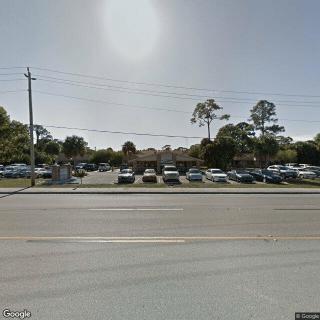
 Staff willing to engage with families.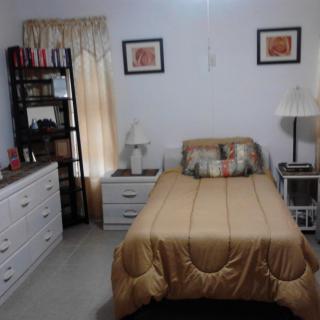


 Nurturing Our Loved Ones: A Daughter's Journey in Caring for Her Mother
 Nurturing Our Elders: Linda's Journey of Supporting Her Mother
 A Comprehensive Exploration of Common Misunderstandings about Powers of Attorney