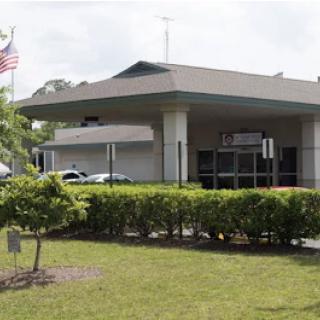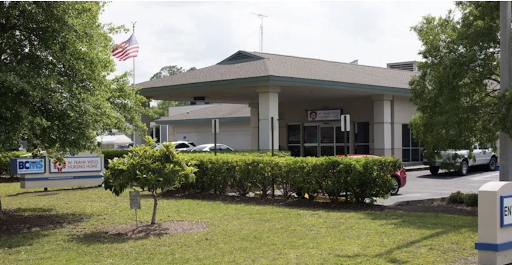
210 North 2Nd Street, Macclenny, FL 32063
For more information about senior living options: (866) 208-4318
Overall Review of W Frank Wells Nursing Home
Pros
 Many of the nurses are good.
- The staff are good with her.
- She is happy at Frank Wells.
- She laughs and enjoys the groups and the nurses.
- She is well taken care of.
Cons
 Some of the nurses are negligent.
- It takes the nurses 30 minutes to respond to her needs.
- Some nurses are terrible.
- She cried all the time at the previous place.
Review
W Frank Wells Nursing Home in Macclenny is best suited for families seeking a socially rich, mid-sized option where the resident benefits from regular activity groups and a generally warm atmosphere, and where perfect consistency in nursing response is not the sole measure of quality. This community tends to deliver a cheerful daytime vibe, with residents who join in activities and seem to enjoy time with nurses and aides. For a resident who thrives on companionship, structured programs, and visible staff engagement, Wells provides tangible everyday livability.
Those weighing alternatives should note that this facility may not be the right fit for residents who require unwavering, rapid assistance or highly specialized medical supervision. If a resident consistently needs immediate help with mobility, bathroom needs, or complex medical tasks, the variability in staff responsiveness could become a meaningful drawback. Families should consider whether a home with higher nurse-to-resident ratios, steadier shift coverage, or memory-care–focused programming would better support daily needs and continuity of care.
The strongest positives center on engagement and mood. Families report that many nurses are capable and caring, with a number of staff members genuinely contributing to residents’ well-being. The presence of regular group activities and social opportunities appears to lift residents’ spirits, with anecdotes of improved happiness, laughter, and reduced anxiety about care. When a resident’s family sees sustained comfort, fewer tearful days, and a sense that the person is well cared for, those qualitative benefits can outweigh rough patches in staffing quality on particular shifts.
However, the main drawbacks are real and consistent enough to shape decision-making. The most frequently cited concern is inconsistency in nursing performance, with some aides praised for quality care and others described as negligent or slow. Delays, such as extended wait times to receive help in routines like using the restroom, highlight a staffing variance that can affect dignity and daily satisfaction. While not universal, these experiences underscore a risk that care quality fluctuates by caregiver and shift, rather than remaining uniformly high across the board.
That tension between strong social programming and uneven caregiving makes Wells a compelling choice for some and a sobering one for others. For families prioritizing emotional well-being and a day-to-day environment where the resident feels connected and supported, the positives, evident happiness, active groups, and overall sense of being well taken care of, often offset the drawbacks, provided expectations are managed and oversight is present. The facility’s ability to improve a resident’s quality of life in practical terms matters more than the absence of occasional care gaps for those whose loved ones crave a lively, engaged setting.
Practical next steps solidify the decision. Prospective families should arrange a firsthand visit to observe activities, meet staff across shifts, and request candid information about staffing patterns and supervisor oversight. Inquire about how response times are tracked, how care plans are individualized, and whether there are established protocols to ensure timely assistance for residents with mobility or continence needs. If those checks reveal consistent, reliable staffing and a culture of accountability, Wells stands as a strong choice for a socially active senior who does not require constant medical redundancy. If not, exploring facilities with stronger staffing consistency or memory-care specialization may prevent ongoing caregiver stress and resident frustration.
 69 resident community capacity
 Skilled Nursing Facility
 Air-conditioning
 Beauty salon
 Cable or satellite TV
 Computer center
 Dining room
 Fitness room
 Fully furnished
 Gaming room
 Garden
 Housekeeping services
 Kitchenette
 Move-in coordination
 Outdoor space
 Private bathrooms
 Restaurant-style dining
 Small library
 Telephone
 Wellness center
 Wi-Fi/high-speed internet available
 Community operated transportation
 12-16 hour nursing
 24-hour call system
 Activities of daily living assistance
 Assistance with bathing
 Assistance with dressing
 Assistance with transfers
 Diabetes diet
 Medication management
 Mental wellness program
 Special dietary restrictions
 Concierge services
 Planned day trips


 In-Home Care Costs in 2025: A Detailed State-by-State Exploration
 Understanding Home Health Care: A Comprehensive Guide
 Home Health Care Demystified: A Comprehensive Guide for Families and Caregivers