At Benton House at Oakleaf, the monthly costs for accommodations reflect a premium experience tailored to the needs of its residents. For a studio unit, the rate is $4,050, which exceeds both the Duval County average of $3,660 and the state average of $3,823. Those opting for a semi-private room will find the cost set at $4,200 - a notable increase from Duval County's typical $3,154 and Florida's average of $3,009. Finally, the one-bedroom units are priced at $4,500, again positioning them above local and state levels of $3,639 and $3,864 respectively. While these rates are higher than those found in the surrounding areas, they reflect Benton House's commitment to providing exceptional care and amenities that enhance quality of life for its residents.
Floor plans
Benton House at Oakleaf
Duval County
Florida
Studio
$4,050
$3,660
$3,823
Semi-Private
$4,200
$3,154
$3,009
1 Bedroom
$4,500
$3,639
$3,864
Memory care communities with a similar price nearby
Residents and families consistently describe staff as kind and responsive.
Many reviews focus on staff treating residents with respect and kindness and keeping families involved. Several people mention easy communication, being told what is happening, and staff members who will help when something comes up. A few reviews also highlight that caregivers and leadership offer patient-centered support and that families feel informed day to day.
common24 reviews mention this
Clean, well-kept environment
Multiple reviews describe the building as clean and well maintained.
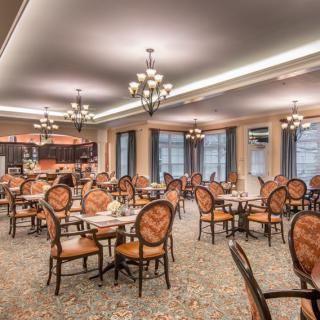
Cleanliness comes up repeatedly, with reviewers describing the facility as immaculate, fresh smelling, and in excellent shape. Several also connect the look and feel of the community—home-like layout and pleasant atmosphere—with happier visits and engaged residents. A couple of reviews mention the experience of touring or visiting and finding the environment inviting and tidy.
differentiator14 reviews mention this
Dining quality with some complaints
Dining is a frequent point of praise, with a smaller share of negative food feedback.
Food quality is mentioned often, including residents who enjoy meals and families who say their loved one is well fed. Reviews also describe a dining room experience and meal service delivered to rooms, and some mention themed occasions like residents having pizza. At the same time, a few reviewers raise concerns about food tastiness or that food was not good, and one mentions food as being “awful.”
common12 reviews mention this
Activities keep residents engaged
Residents commonly describe staying active through community activities.
Many reviews mention activities that help residents stay engaged, including bingo, music or parties, church services, and other scheduled events. Some reviewers also call out exercise routines and day-to-day engagement, and a few mention enjoying visits with walking or social groups. There are also reviews suggesting activities can become more limited over time and that memory care may not always feel included in the broader calendar.
differentiator10 reviews mention this
Care support for memory needs
Memory care residents receive frequent caregiver support and updates.
Several reviews speak directly to memory care, describing staff knowledge and supportive supervision for residents with dementia or Alzheimer’s. Families often mention communication—like being kept informed with updates—and comfort from knowing medical issues are being handled. One review flags a specific concern about medications, while another warns of care shortcomings in a prior period; overall, most feedback on day-to-day care is positive.
caveat2 reviews mention this
Higher prices than local benchmarks
Pricing is positioned above local and state benchmarks.
While some reviews frame the community as good value for cost, the listed pricing range sits above county and state benchmark levels across unit types. That means families comparing affordability may still want to confirm what services are included and how pricing changes over time.
caveat2 reviews mention this
Traffic can make access harder
Some visitors report the area’s traffic can be inconvenient.
A couple of reviews mention that getting to and from the community can be difficult due to congestion and traffic. Other reviewers counter this by saying the drive is manageable or that it’s easier for them to get to than nearby options, so it can depend on where you’re coming from.
How we summarize
Counts show how many written reviews mention each theme; a review can touch several themes, and only frequently mentioned themes are displayed.
Features
Housing
95 resident community capacity
1-bedroom apartments
Studio apartments
Types of Care
Assisted Living
Memory Care
Pets
Cats allowed
Dogs allowed
Amenities
Activities off-site
Activities on-site
Air-conditioning
Beautician on-site
Beauty salon
Cable or satellite TV
Computer center
Devotional services off-site
Devotional services on-site
Dining room
Fitness room
Fully furnished
Gaming room
Garden
Ground floor units
Guasts at mealtime
Handicap accessible
Housekeeping services
Indoor common areas
Kitchenette
Laundry
Move-in coordination
Outdoor common areas
Outdoor space
Party space
Private bathrooms
Respite or short term stays offered
Restaurant-style dining
Security gate
Small library
Telephone
Wellness center
Wheelchair accessible showers
Wi-Fi/high-speed internet available
Transportation
Jacksonville International (23 miles away)
Community operated transportation
Transportation arrangement
Transportation arrangement (non-medical)
Transportation to doctors appointments
Care Services
12-16 hour nursing
24-hour call system
24-hour supervision
Activities of daily living assistance
Ambulatory care
Assistance with bathing
Assistance with dressing
Assistance with transfers
Diabetes diet
Diabetic care
Incontinence care
Meal preparation and service
Medication management
Mental wellness program
Mild cognitive impairment
Special dietary restrictions
Specialized memory care programming
Dining
Anytime dining
Diabetes diet
Gluten-free
Guest meals
Low / no sodium
Meals provided
No Sugar
Professional chef
Restaurant style dining
Room service
Special dietary restrictions
Vegan
Vegetarian
Activities
Activities off-site
Art classes
Community-sponsored activities
Concierge services
Cooking classes
Day trips and outings
Devotional activities offsite
Devotional activities on-site
Educational speakers / life long learning
Fitness programs
Happy hour
Karaoke
Live dance or theater performances
Live musical performances
Live well programs
Planned day trips
Religious services
Resident-run activities
Scheduled daily activities
Wine tasting
Languages Spoken
English
Nearby Places of Interest
This part of Jacksonville, Florida, offers convenient access to various essential amenities for senior living. With several pharmacies located within a short distance, including Walgreens and CVS Pharmacy, residents can easily access their medication needs. In terms of dining options, there are diverse choices such as Gators Dockside Oak Leaf and Chick-Fil-A for enjoyable meals. Additionally, healthcare services are readily available with nearby physicians' offices like Avecina Medical and Southeast Orthopedic Specialists. For entertainment and relaxation, the area features a movie theater, AMC Orange Park 24, and Clarke House Park for outdoor activities. Overall, this neighborhood provides a range of services to support a comfortable and convenient lifestyle for seniors.
At Benton House at Oakleaf, the monthly costs for accommodations reflect a premium experience tailored to the needs of its residents. For a studio unit, the rate is $4,050, which exceeds both the Duval County average of $3,660 and the state average of $3,823. Those opting for a semi-private room will find the cost set at $4,200 - a notable increase from Duval County's typical $3,154 and Florida's average of $3,009. Finally, the one-bedroom units are priced at $4,500, again positioning them above local and state levels of $3,639 and $3,864 respectively. While these rates are higher than those found in the surrounding areas, they reflect Benton House's commitment to providing exceptional care and amenities that enhance quality of life for its residents.
Benton House at Oakleaf offers a comprehensive suite of features designed to support individuals with dementia or Alzheimer's disease, ensuring their safety and enhancing their quality of life. The 24-hour supervision provides constant vigilance, allowing residents to engage in daily activities with reduced risk and promoting a sense of security. Assistance with activities of daily living--such as bathing, dressing, and transfers--facilitates independence while also addressing personal hygiene and comfort needs. Incontinence care is discreetly managed to promote dignity, while meal preparation and service ensure that nutritional requirements are met in an enjoyable manner. Medication management is crucial for maintaining health stability, often requiring careful oversight for those with cognitive impairments. The mental wellness program contributes positively to cognitive engagement, fostering social interactions that can mitigate feelings of isolation. Furthermore, specialized memory care programming tailored to individuals allows for personalized attention and strategies aimed at enhancing memory recall and cognitive function, making the environment both supportive and enriching for each resident's unique journey.
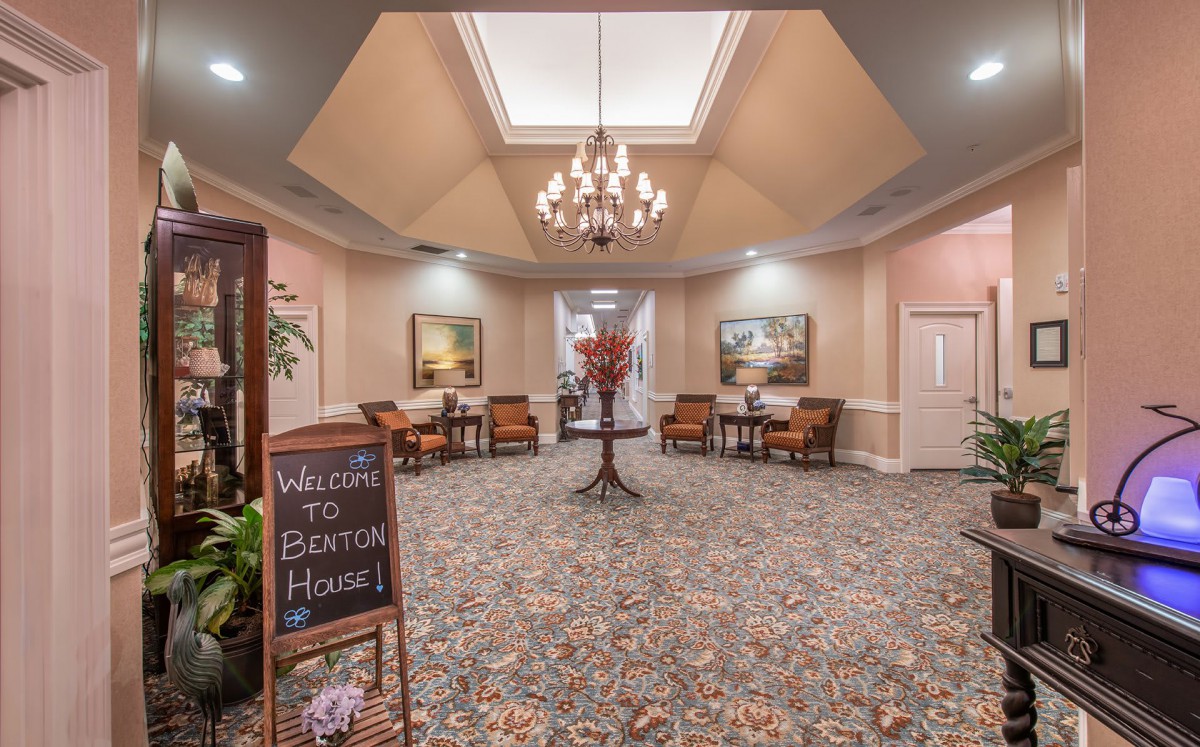
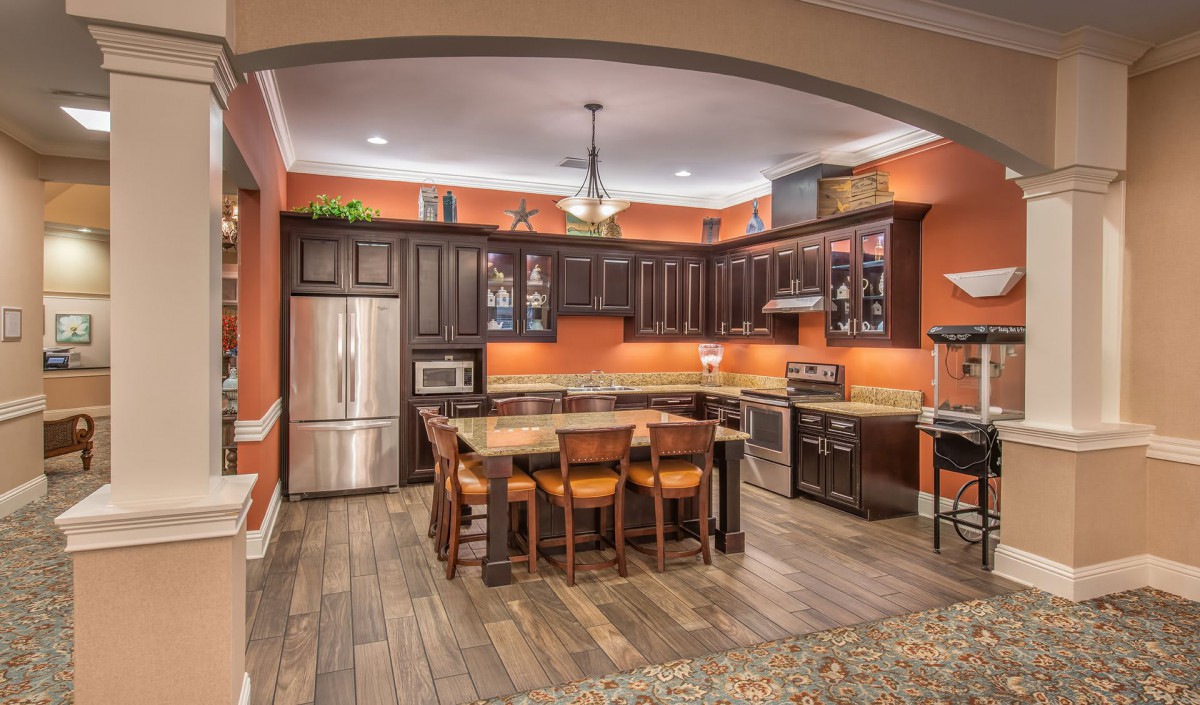
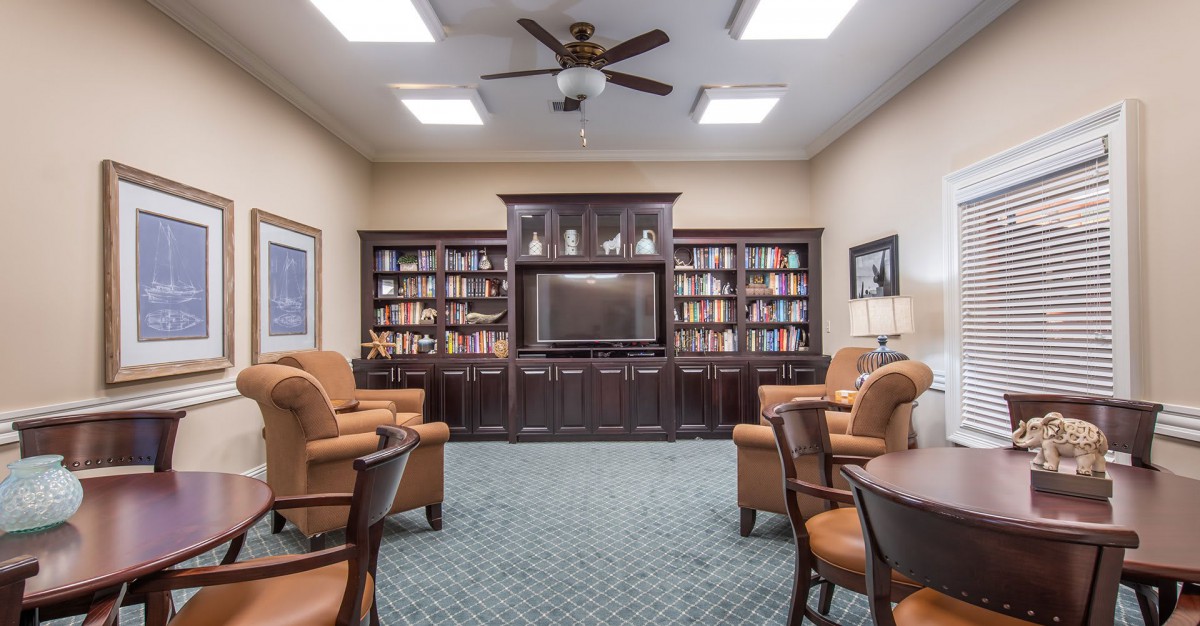
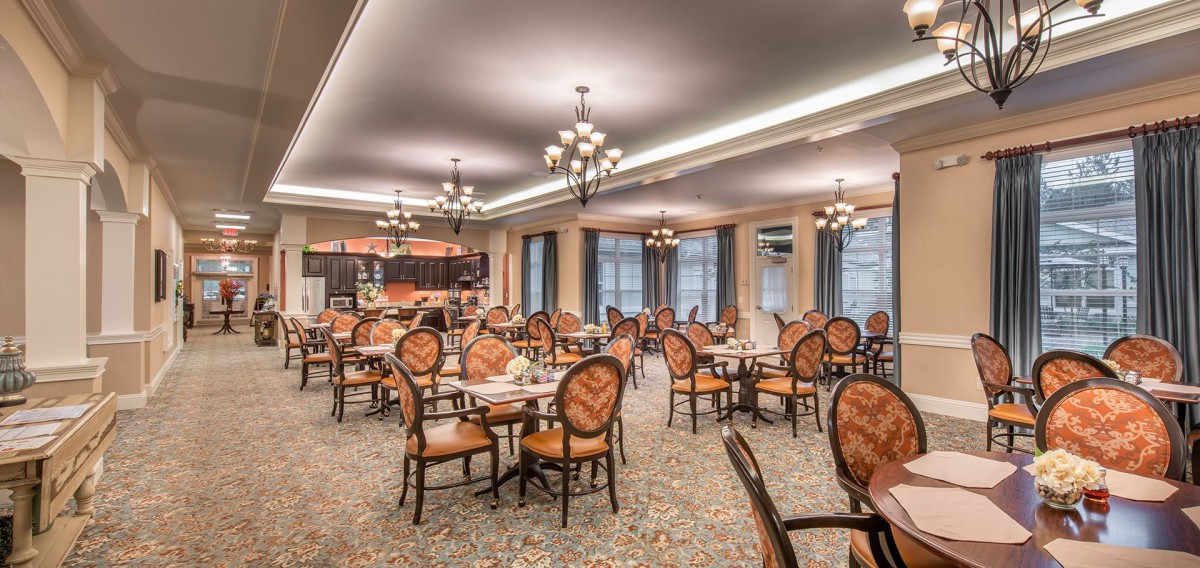
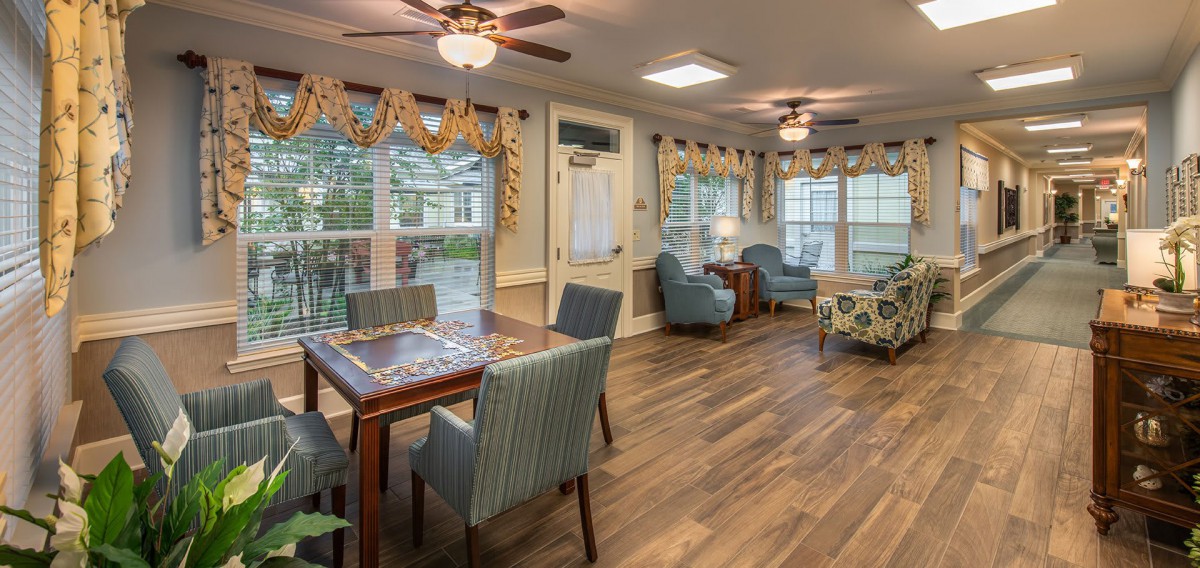
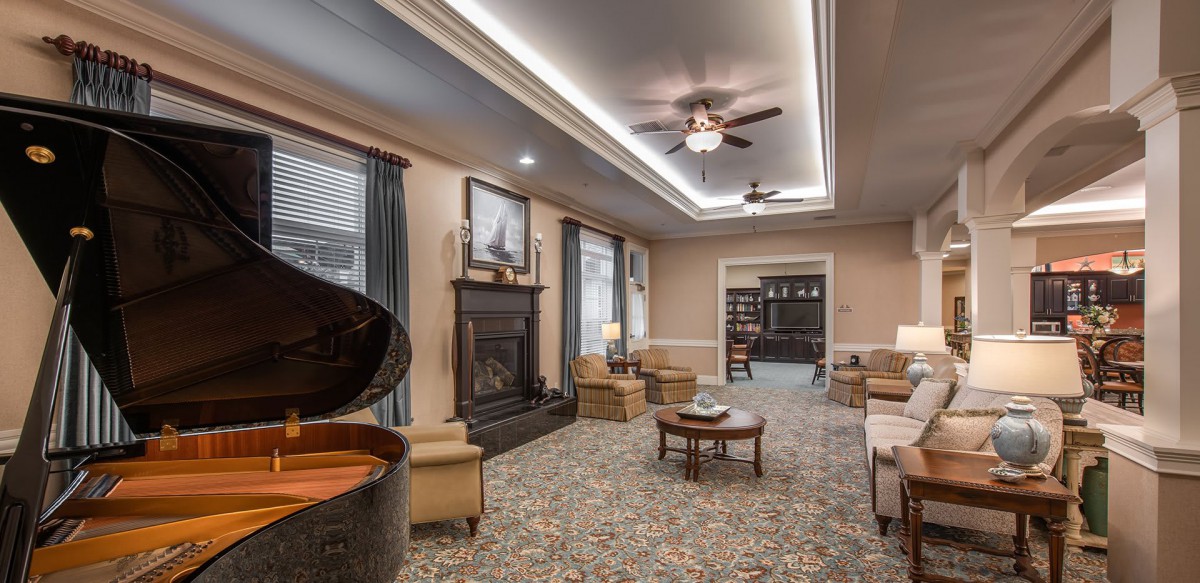
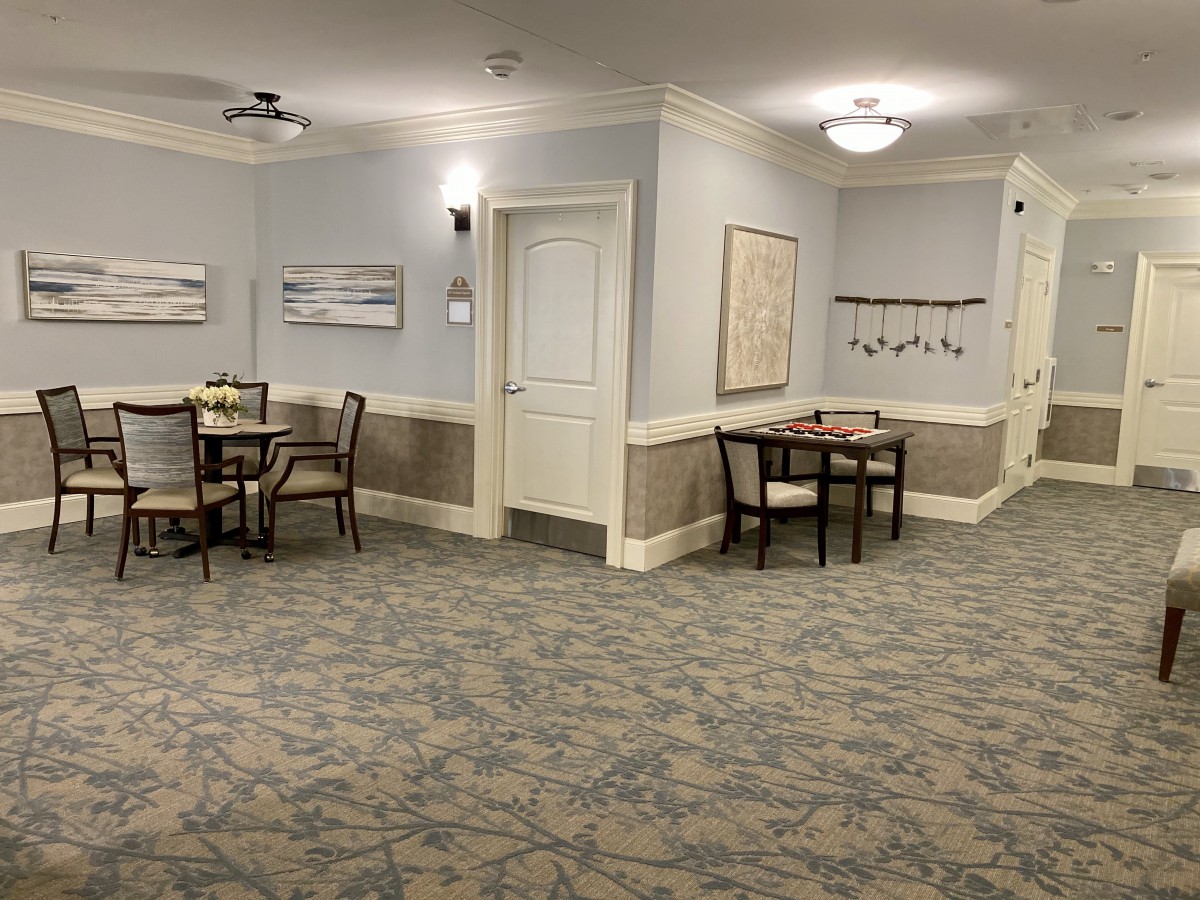
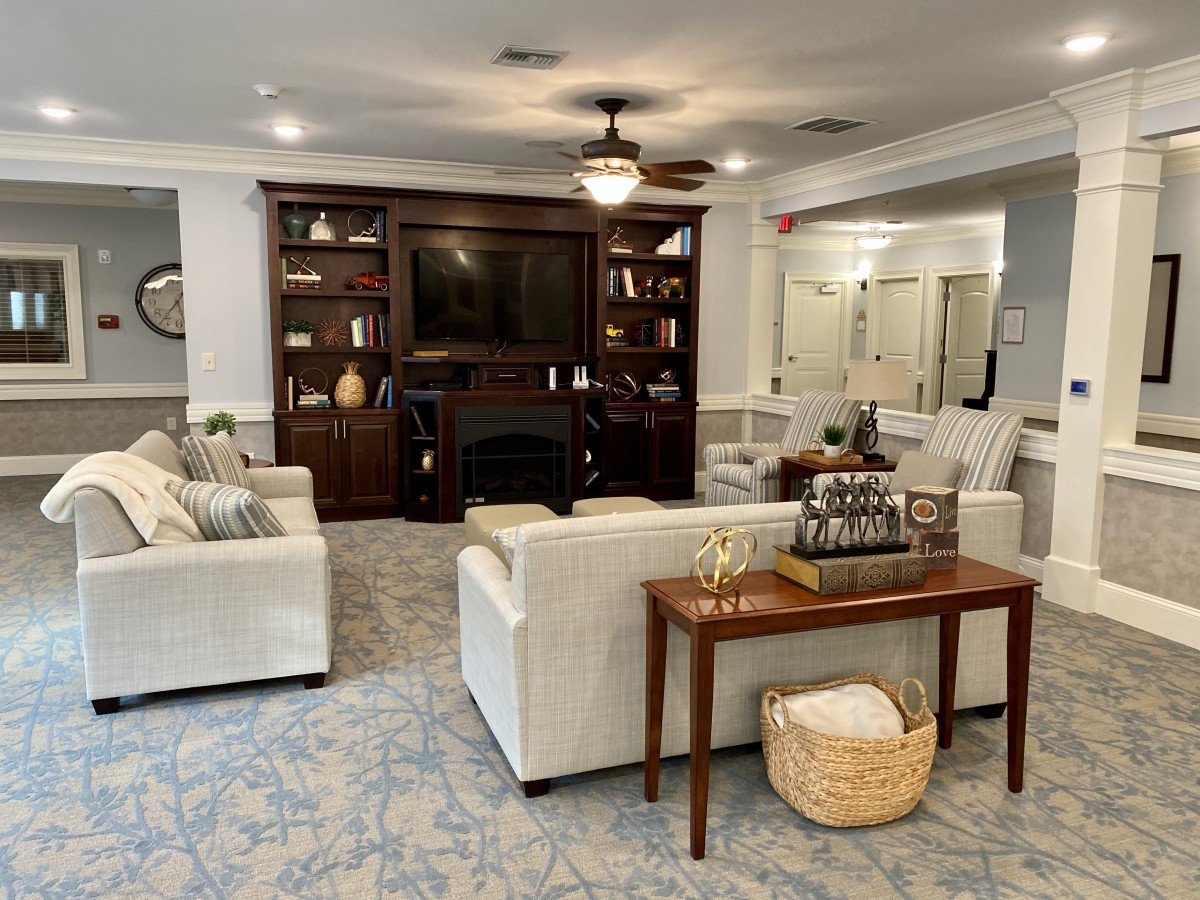
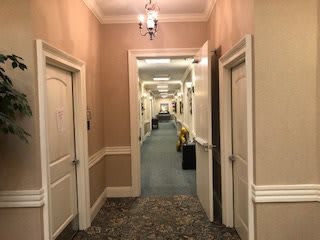
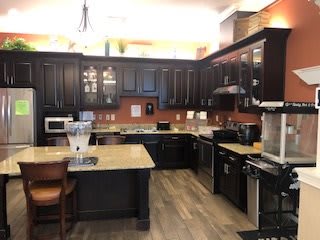
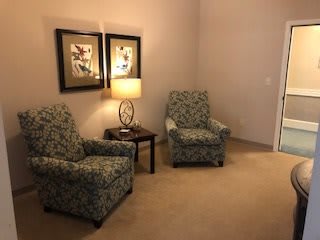
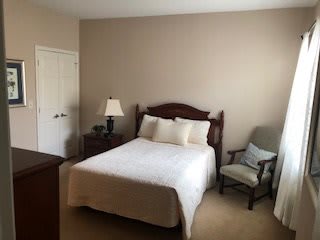
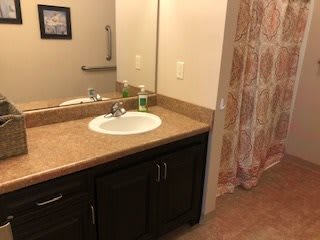
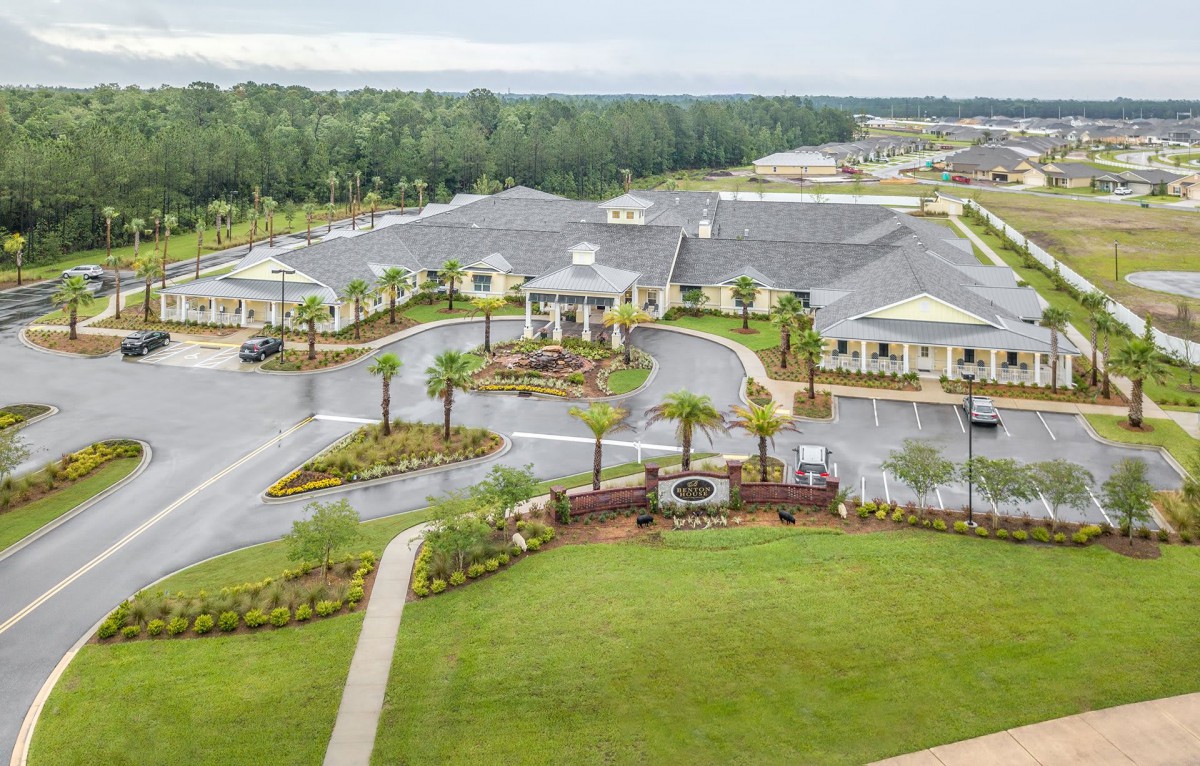
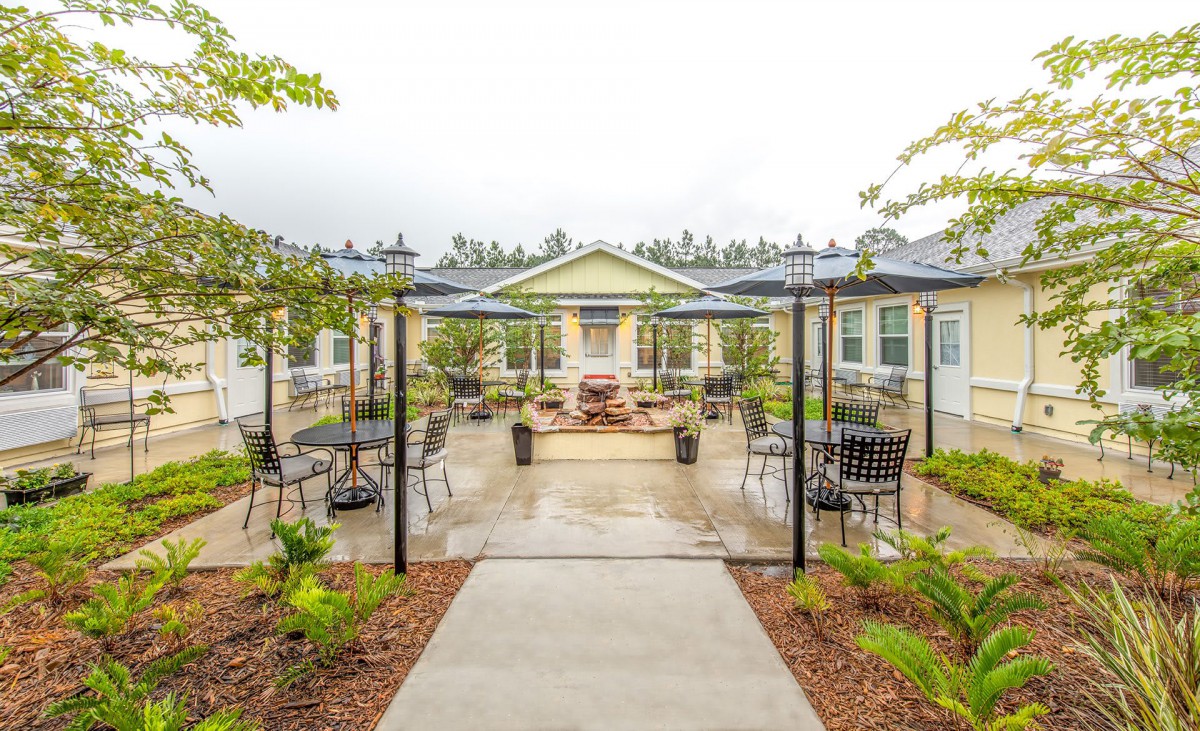
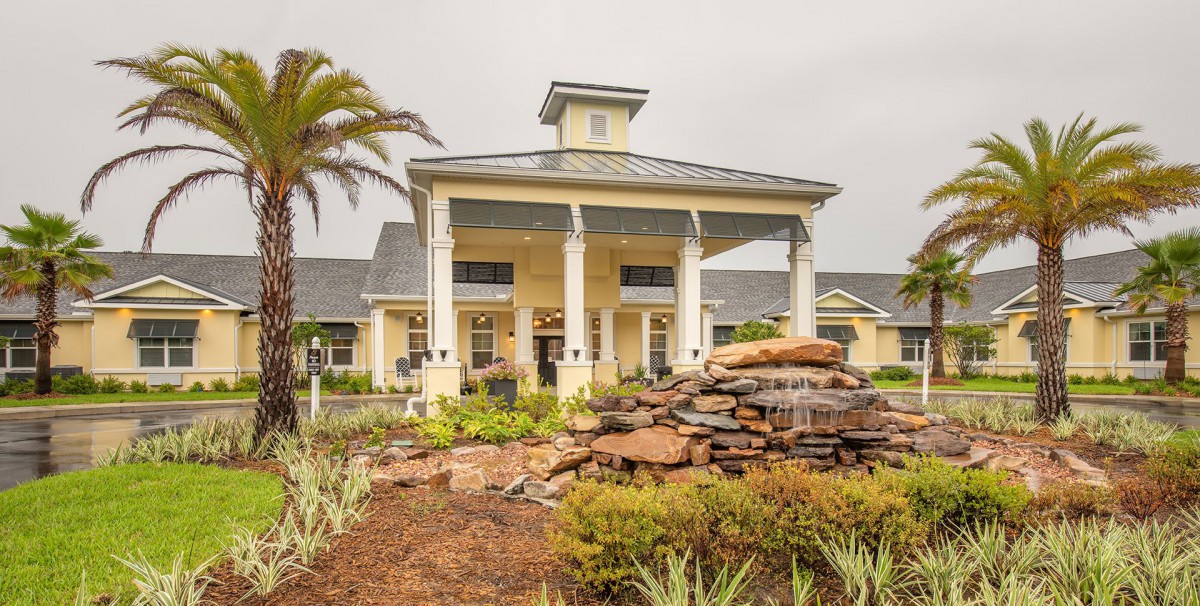
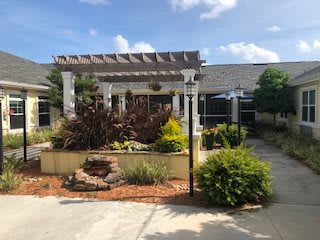
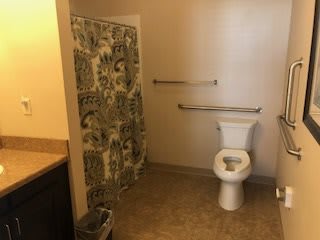
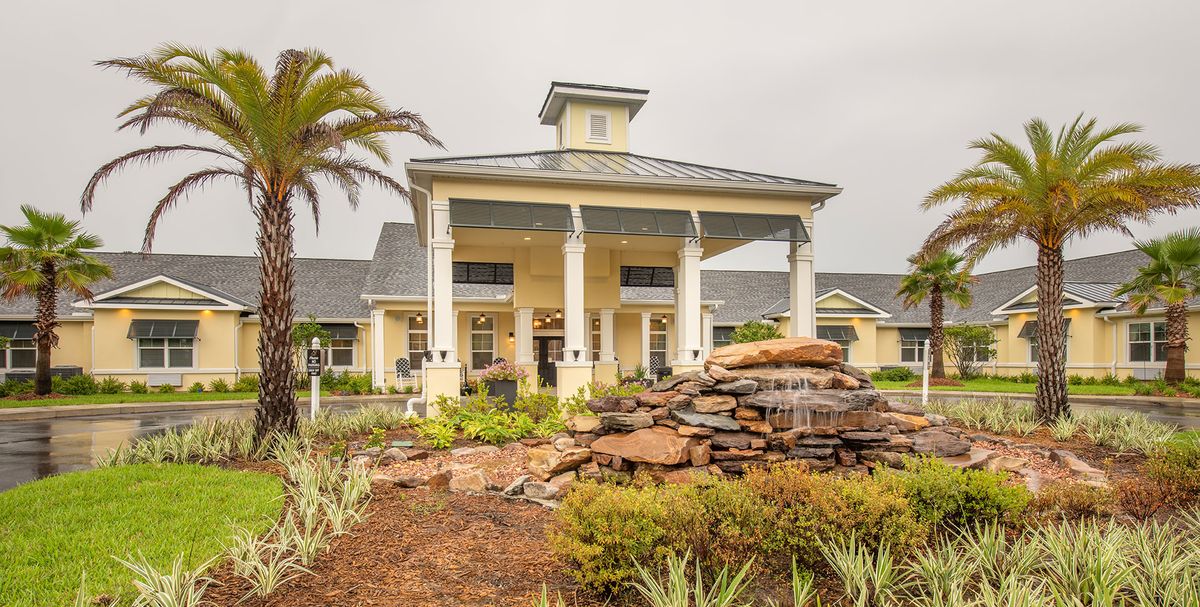
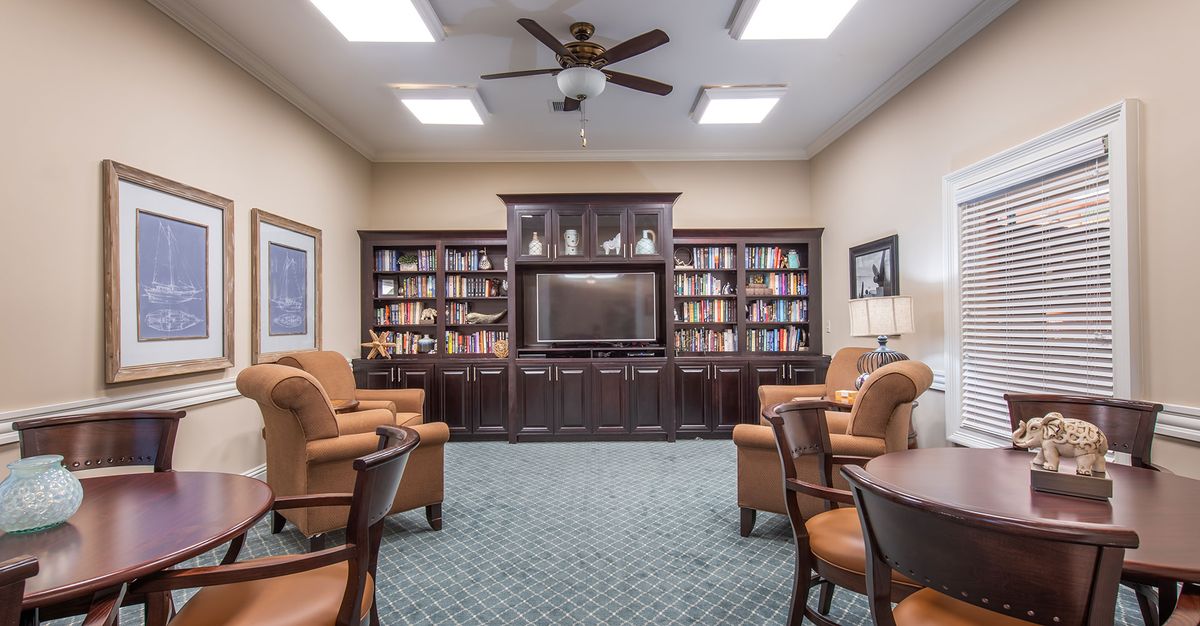
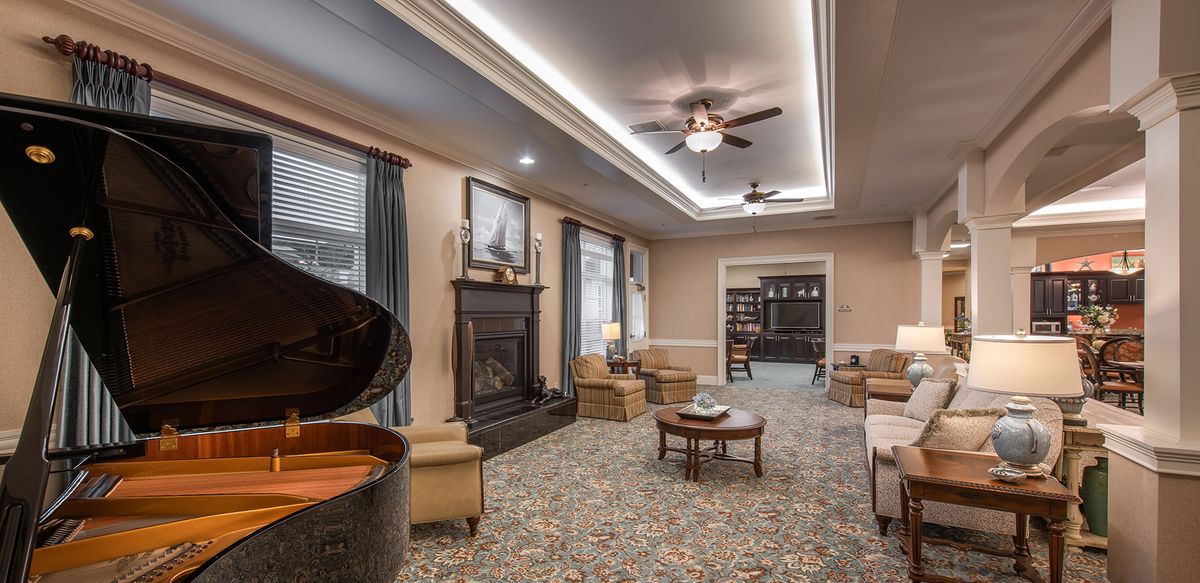
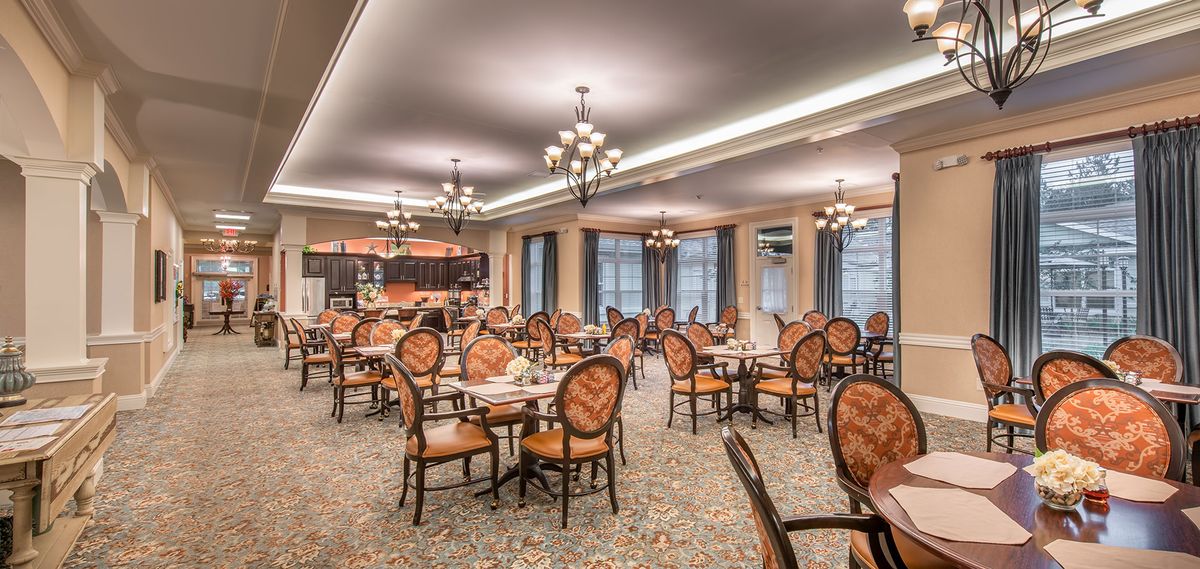
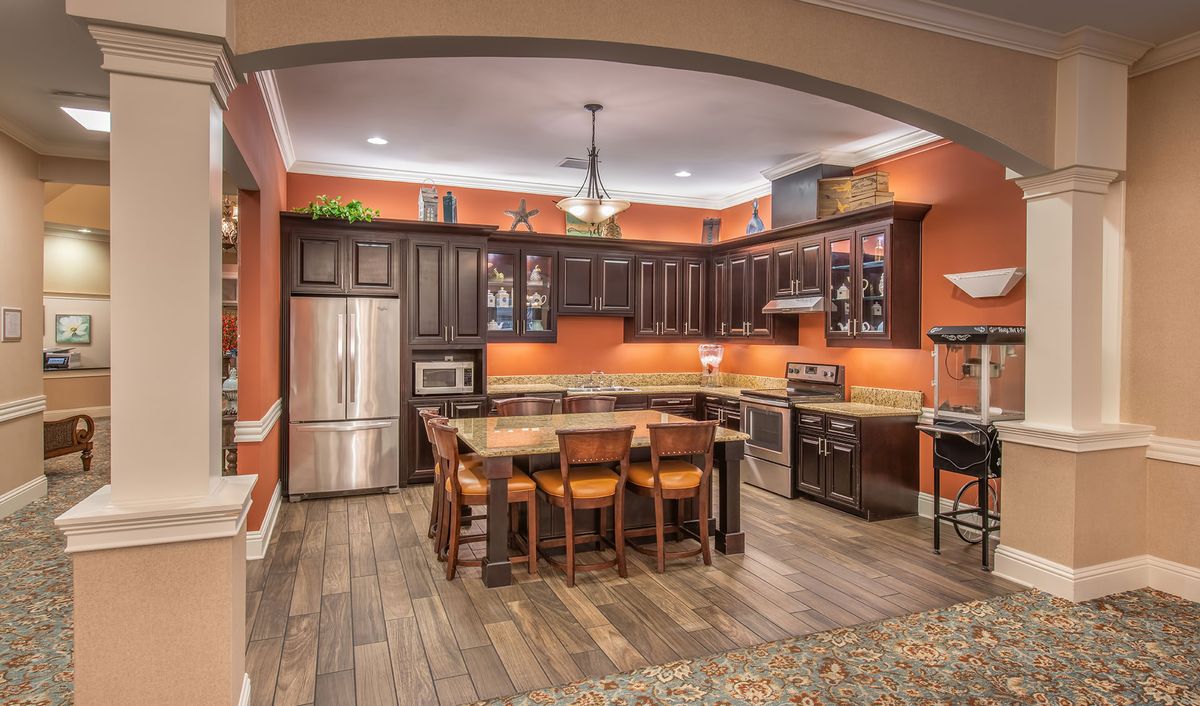
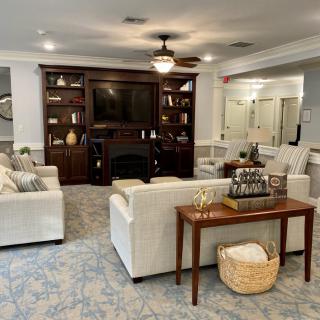
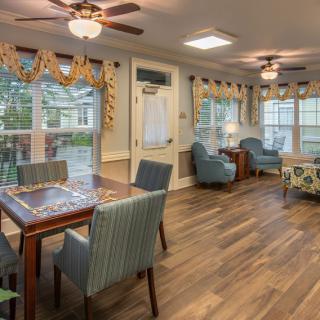
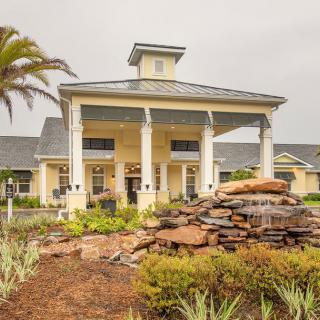
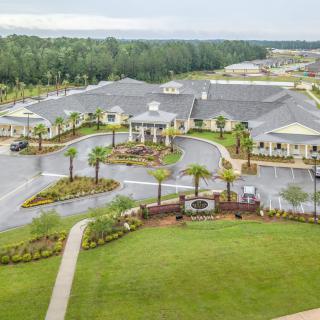
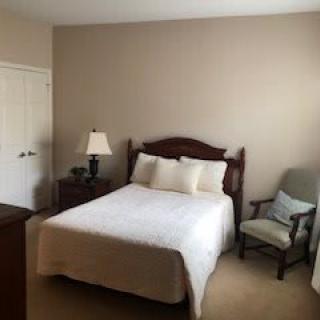
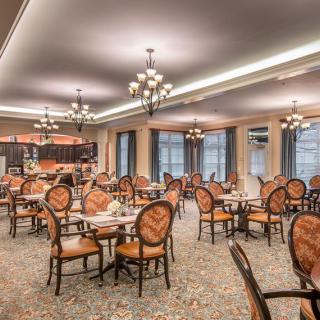
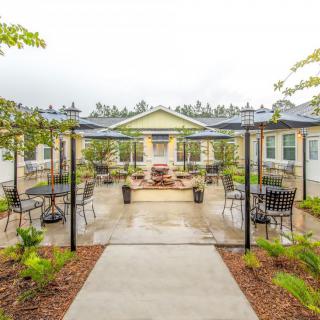
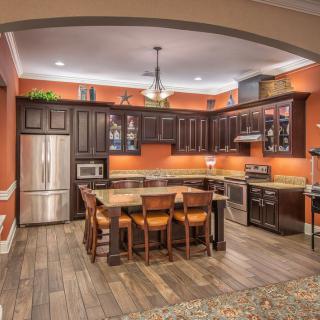
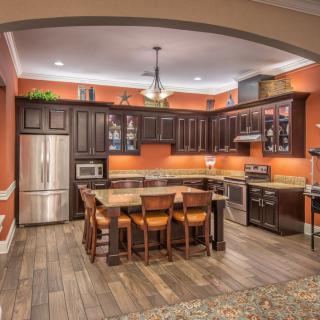
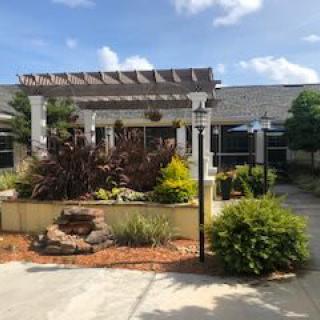
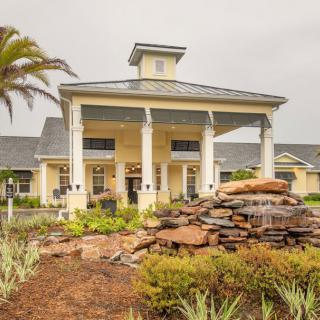
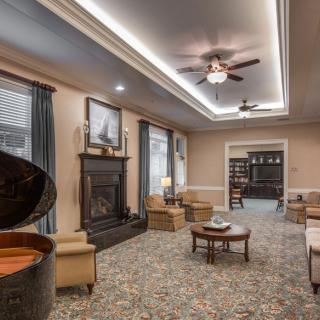
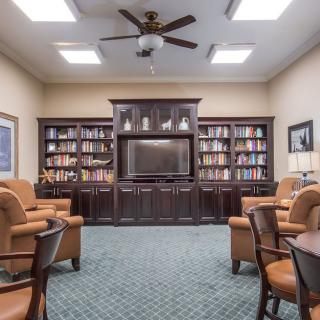
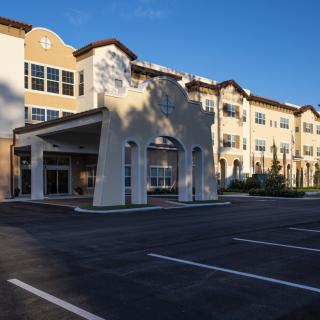
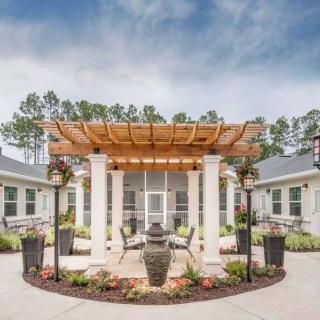
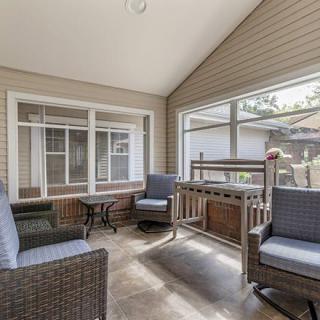
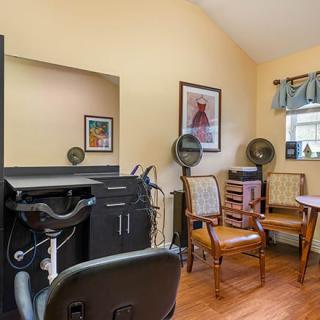
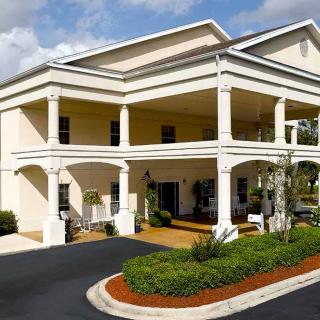
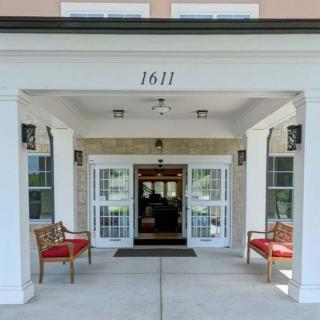
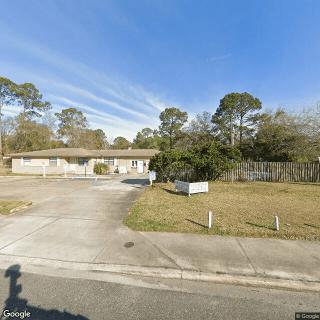
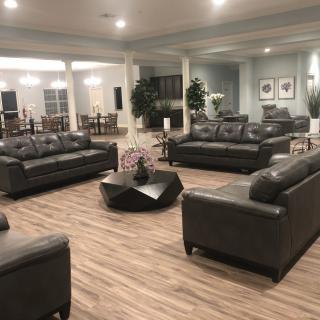
Benton House at Oakleaf on seniors.fyi includes 24 photos including images showing interior, landscaping, bathroom, living room, dining, seating area, lighting, architecture, and more.
Nearby Communities
Freedom at Arbor Mill
Jacksonville, FL
5 from 1 review
Personalized care with meal preparation, medication management, dietary accommodations, and reliable Wi-Fi plus easy access to local amenities.
Classy Living
Jacksonville, FL
5 from 1 review
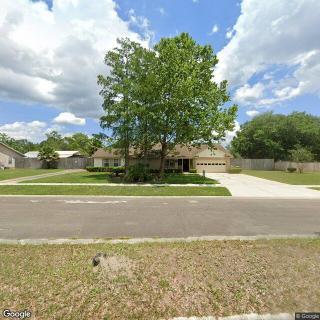
Luxurious setting with personalized care and robust amenities.
The guide on holistic dementia care outlines the complexity of dementia and stresses the need for individualized caregiver strategies that include medical treatment, psychological support, and environmental adaptations, while emphasizing early detection, various therapeutic options, and caregiver support to enhance quality of life and maintain dignity.
"Memory Care Pathways: A Holistic Guide to Dementia Support" outlines the complexities of dementia and its various types, emphasizing early detection, patient-centered care strategies, caregiver support, and long-term care options while addressing legal and financial considerations to enhance the quality of life for individuals with dementia and their families.
Sundown syndrome, or sundowning, is a phenomenon in dementia patients characterized by increased confusion and agitation during late afternoon and evening, influenced by factors like disrupted circadian rhythms and fatigue. Effective caregiver strategies include establishing routines and managing environmental light while addressing caregiver stress through support services.
Get PricingAsk A QuestionSchedule A TourContact Senior Advisor
By clicking submit, you agree to our Partner's Terms of Use. You
also consent to receive calls and texts, which may be autodialed, from our Partner. Your consent is not a condition to
using our Partner's service. Please visit our Partner's Privacy Policy for information about their privacy practices.

 95 resident community capacity
 1-bedroom apartments
 Assisted Living
 Memory Care
 Cats allowed
 Dogs allowed
 Activities off-site
 Air-conditioning
 Beautician on-site
 Cable or satellite TV
 Computer center
 Devotional services off-site
 Dining room
 Fitness room
 Fully furnished
 Gaming room
 Garden
 Ground floor units
 Handicap accessible
 Housekeeping services
 Indoor common areas
 Kitchenette
 Laundry
 Move-in coordination
 Outdoor common areas
 Party space
 Private bathrooms
 Respite or short term stays offered
 Restaurant-style dining
 Security gate
 Small library
 Telephone
 Wellness center
 Wheelchair accessible showers
 Wi-Fi/high-speed internet available
 Jacksonville International (23 miles away)
 Community operated transportation
 12-16 hour nursing
 24-hour call system
 Ambulatory care
 Assistance with bathing
 Assistance with dressing
 Assistance with transfers
 Diabetes diet
 Diabetic care
 Incontinence care
 Medication management
 Mental wellness program
 Special dietary restrictions
 Art classes
 Concierge services
 Cooking classes
 Day trips and outings
 Educational speakers / life long learning
 Happy hour
 Karaoke
 Live dance or theater performances
 Live musical performances
 Wine tasting
 English
 Personalized care with meal preparation, medication management, dietary accommodations, and reliable Wi-Fi plus easy access to local amenities.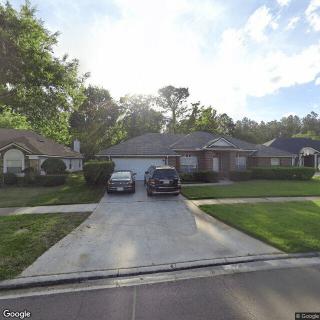
 A Holistic Dementia Care Guide: Effective Strategies for Memory Support
 Memory Care Pathways: A Holistic Guide to Dementia Support
 Comprehending Evening Confusion in Dementia: Causes, Manifestations, and Support