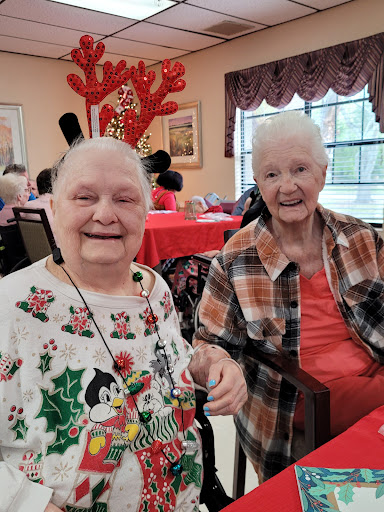
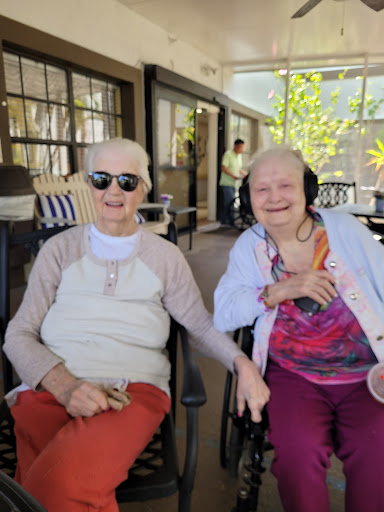
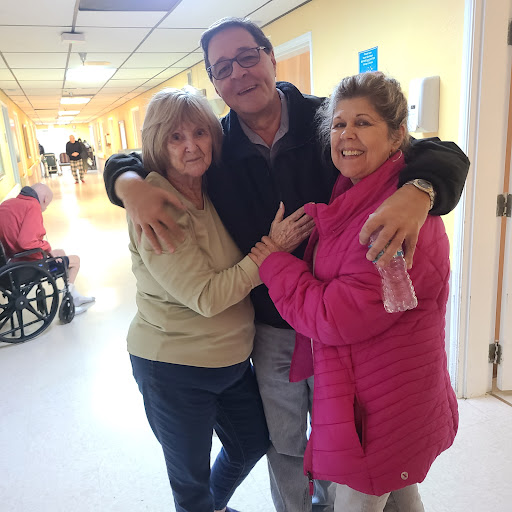
Residents and families frequently describe staff as compassionate and supportive.
Across reviews, families describe feeling helped day-to-day by staff who are kind, professional, and attentive. Multiple reviewers highlight communication and responsiveness when questions come up, and some mention support during difficult transitions. Even where reviews are critical overall, some call out particular staff members for helpfulness and care.
common20 reviews mention this
Clean, well-kept facility
Many reviewers say the building is clean and smells fresh.
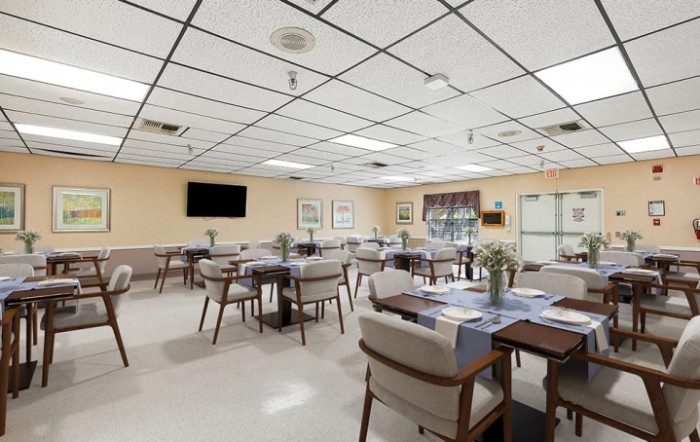
Several reviews praise the facility for being clean, including the lunchroom and common areas, and describe a generally pleasant atmosphere. Some families also emphasize that residents look clean and well groomed. A smaller set of reviews raise cleanliness concerns, including reports of dirty conditions and odors.
differentiator11 reviews mention this
Therapy support drives progress
Reviews often point to physical, occupational, and speech therapy improvements.
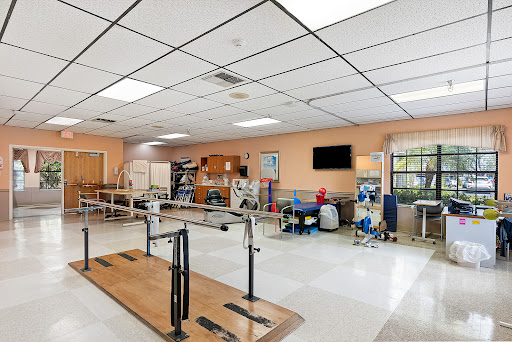
A recurring theme is that therapy staff help residents make progress, including work with physical therapy, occupational therapy, and speech therapy. Families mention confident care during rehab and describe noticeable improvement within a short stay. A few reviews, however, say therapy quality or call-light response was lacking during rehabilitation.
caveat10 reviews mention this
Food quality is mixed
Food is a frequent point of disagreement among reviewers.
Some reviewers report the food was acceptable or even good, and one person specifically mentions lunch being good. Others complain about poor nutrition, cold meals, small portions, or food that did not look appetizing. Where meals are criticized, families also describe knock-on issues like missed appointments or dissatisfaction with overall daily care.
common6 reviews mention this
Memory care needs get attention
Several reviews mention care for residents with dementia.
Some families describe their loved ones with dementia receiving care on a memory care wing and note staff patience and ongoing support. Reviews also highlight communication with families and involvement around diet and services. On the negative side, at least one reviewer reports issues on the memory unit related to safety follow-through and cleanliness concerns in shared spaces.
caveat7 reviews mention this
Safety and communication concerns surface
A handful of reviews describe problems with safety response and follow-through.
While many reviews are positive about care, several critical reviews describe delayed call-light response, medication mismanagement, and communication breakdowns. A few mention falls and missed safety steps, including bed-rail handling and procedures the family believed should be followed. These concerns come up alongside broader complaints about staffing adequacy and responsiveness.
How we summarize
Counts show how many written reviews mention each theme; a review can touch several themes, and only frequently mentioned themes are displayed.
Features
Housing
120 resident community capacity
Types of Care
Skilled Nursing Facility
Amenities
Air-conditioning
Beauty salon
Cable or satellite TV
Computer center
Dining room
Fitness room
Fully furnished
Gaming room
Garden
Housekeeping services
Kitchenette
Move-in coordination
Outdoor space
Private bathrooms
Restaurant-style dining
Small library
Telephone
Wellness center
Wi-Fi/high-speed internet available
Transportation
St. Petersburg-Clearwater International (3 miles away)
Tampa International (14 miles away)
Community operated transportation
Transportation arrangement
Transportation arrangement (non-medical)
Transportation to doctors appointments
Care Services
12-16 hour nursing
24-hour call system
24-hour supervision
Activities of daily living assistance
Assistance with bathing
Assistance with dressing
Assistance with transfers
Diabetes diet
Meal preparation and service
Medication management
Mental wellness program
Special dietary restrictions
Dining
Diabetes diet
Special dietary restrictions
Activities
Community-sponsored activities
Concierge services
Fitness programs
Planned day trips
Resident-run activities
Scheduled daily activities
Videos
Nearby Places of Interest
Pharmacies
CVS Pharmacy (0.4 miles)
Walgreens (0.7 miles)
CVS Pharmacy (1.7 miles)
CVS Pharmacy (1.9 miles)
Walgreens (2.1 miles)
Winn-Dixie (2.2 miles)
Walgreens (2.3 miles)
Physicians
Pinellas County Environmental Health (1.2 miles)
Village Family Practice (1.4 miles)
Premier Miller (2.4 miles)
Skin Wellness Center (2.6 miles)
Bay Dermatology & Cosmetic Surgery (2.8 miles)
Eye Institute of West Florida / LASC (4.1 miles)
The Heart Institute at Largo (4.1 miles)
Restaurants
McDonald's (1.8 miles)
Chick-Fil-A (2.3 miles)
Chili's Grill & Bar (2.8 miles)
Chick-Fil-A (3.6 miles)
Mercel's Bake Shop (3.8 miles)
Hammerstein Brewing Company (4.1 miles)
McDonald's (4.3 miles)
Parks
Largo Central Park (1.9 miles)
Eagle Lake Park (3.2 miles)
Freedom Lake Park (3.3 miles)
Dog Run (3.3 miles)
McMullen Booth Tennis Center Clearwater FL (4.3 miles)
Kapok Park (5.9 miles)
Northwest Park (7 miles)
Theaters
Regal Largo Mall (2.8 miles)
SMG Seminole (4.7 miles)
Regal Park Place & RPX (5.1 miles)
Transportation
St Pete-Clearwater International Airport (PIE) (3.1 miles)
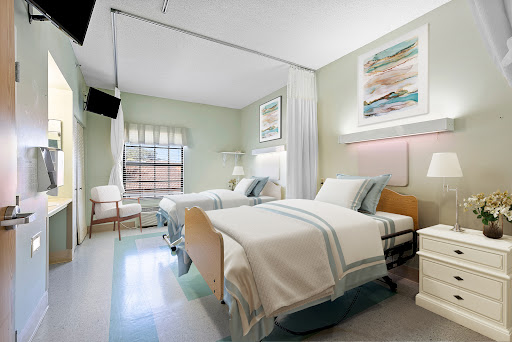
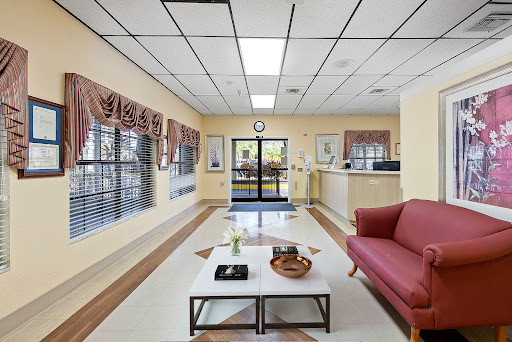
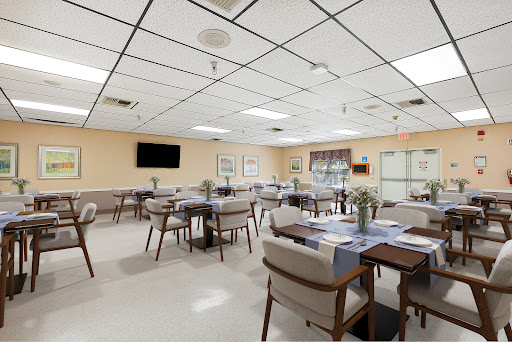
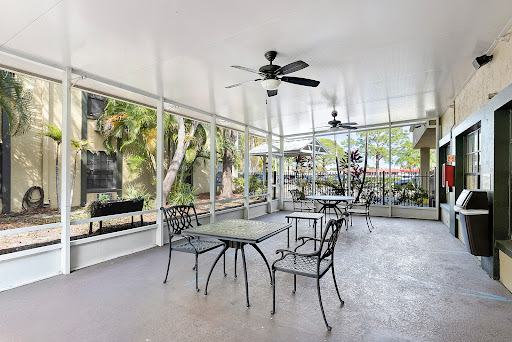
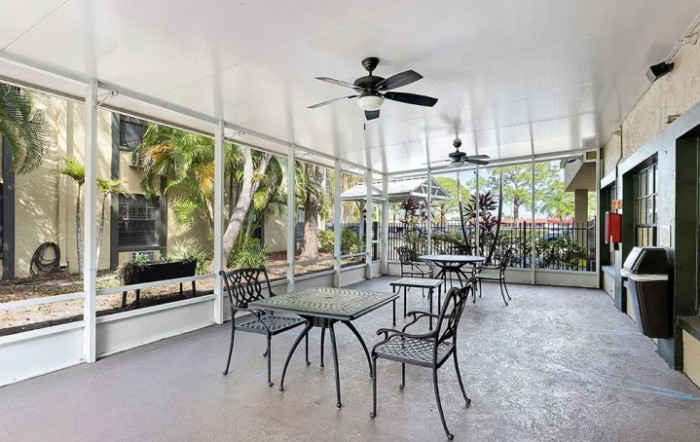
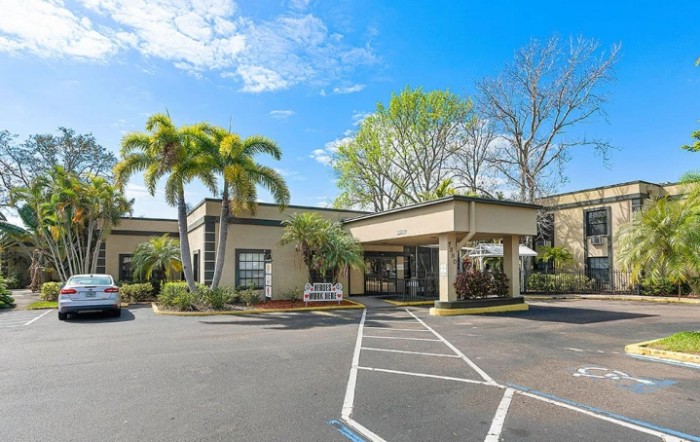
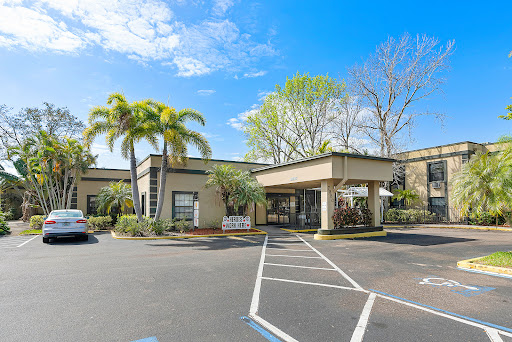
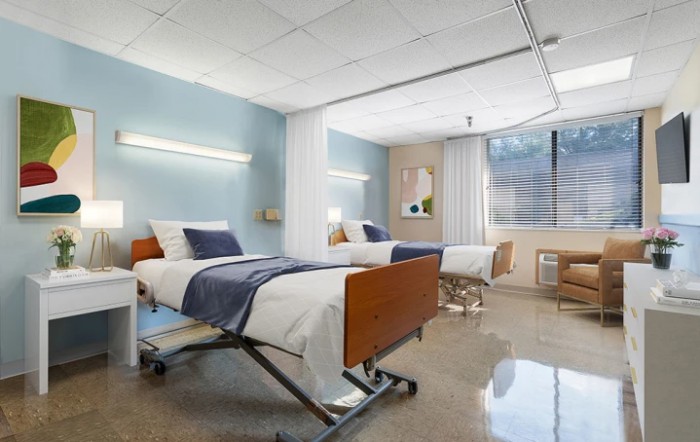
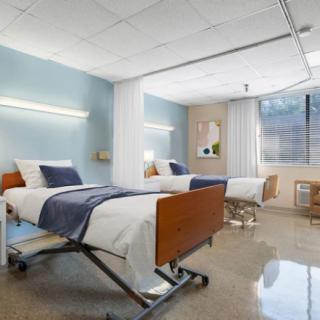
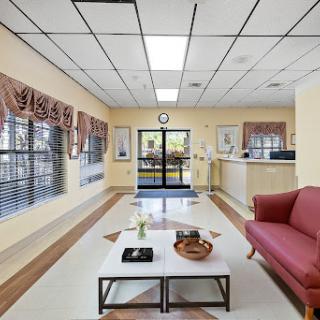
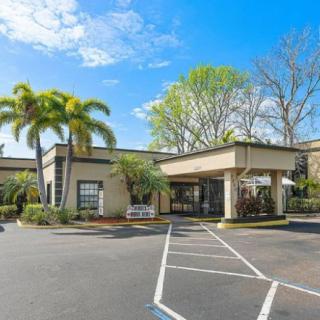
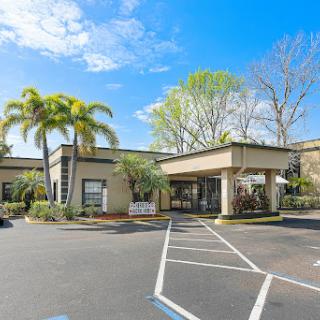
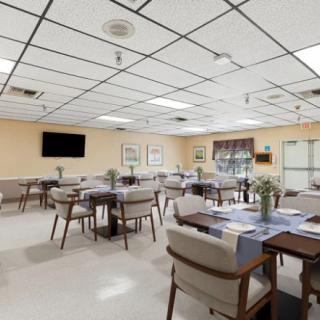
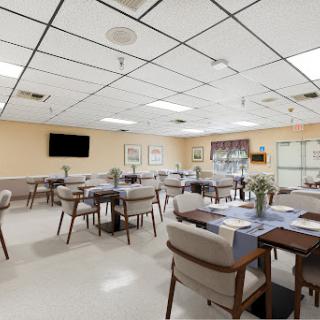
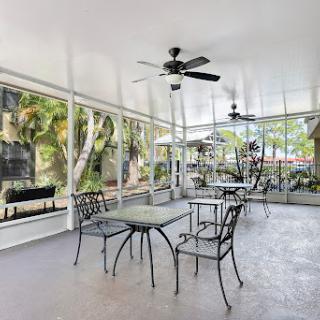
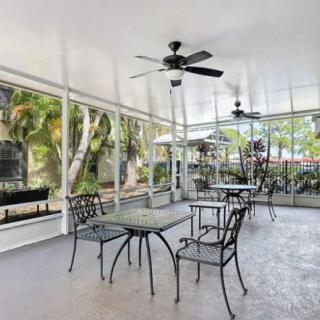
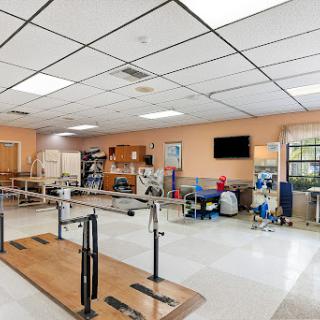
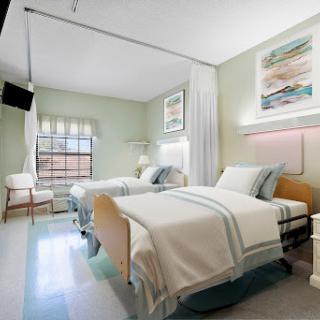
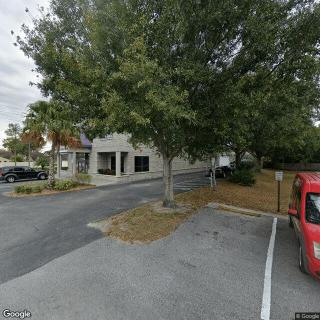
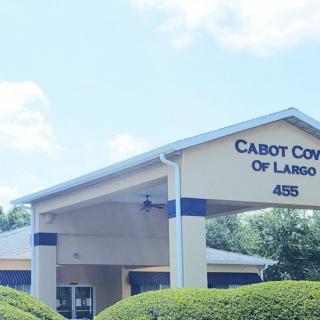
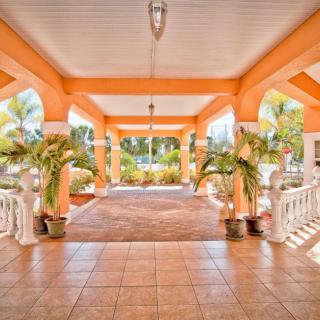
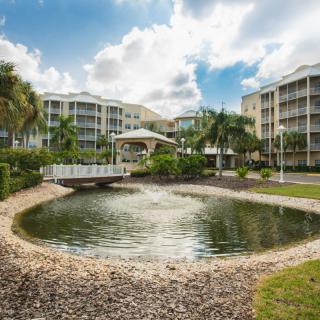
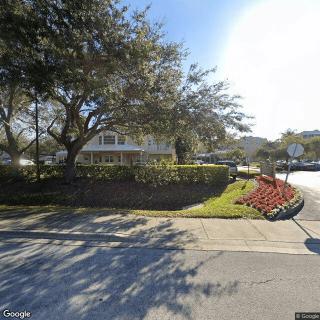
Tierra Pines Center on seniors.fyi includes 13 photos including images showing interior, architecture, palm trees, parking, healthcare, dining, patio, building, and more.
Nearby Communities
The Adult Care Group Inc.
Largo, FL
Nearby parks, pharmacies, doctors, restaurants, and theaters.
Home Health Svc
Largo, FL
3.5 from 11 reviews
Excellent proximity to pharmacies, physicians, dining options, parks, theaters, and transportation.
Eagles
Largo, FL
4.5 from 42 reviews
Specialized diabetic care with on-site activities.
Home Instead Senior Care - Pinellas County
Clearwater, FL
4.3 from 68 reviews
Responsive, reliable caregivers with supportive office staff.
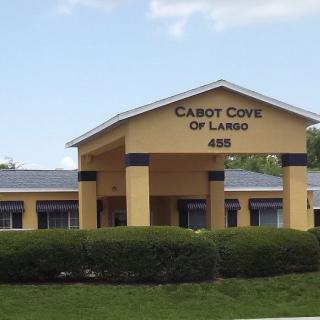
Cabot Cove of Largo
Largo, FL
4.9 from 49 reviews
$3,000 to $7,000 / month
Friendly staff with personalized care and a warm, close-knit community.
Cabot Cove of Largo Assisted Living & Memory Care
Largo, FL
4.9 from 36 reviews
$1,990 to $3,145 / month
Delicious meals and attentive, personalized care in a clean, small-scale setting.
Heron House of Largo
Largo, FL
3.4 from 71 reviews
$1,850 to $3,000 / month
Friendly, responsive staff; engaging activities; all-day dining and on-site amenities.
Regal Palms
Largo, FL
4.7 from 168 reviews
$4,015 to $5,985 / month
Attractive, well-maintained community with active dining and social options.
Nonmedical home care provides assistance with daily activities and companionship for individuals wishing to maintain independence and quality of life at home, without medical intervention. Its growing popularity is driven by an aging population, the need for supportive environments for recovery, and the emotional benefits of caregiver companionship, while costs vary based on service frequency and location.
Maintaining cognitive fitness through engaging in various brain games, both traditional and digital, is crucial for seniors as it enhances memory retention, problem-solving abilities, and emotional well-being while helping to protect against age-related decline. A holistic approach that includes diverse activities, physical exercise, a balanced diet, and social interaction further supports mental health and cognitive function.
The article outlines strategies for keeping seniors' minds active through brain games and apps, highlighting the importance of cognitive exercises, social engagement, and a healthy lifestyle in combating cognitive decline. It emphasizes the benefits of various types of games and offers practical tips for maintaining mental wellness through enjoyable activities while acknowledging their limitations.
Decor, Windows, Lobby, Waiting Area, and Reception
Dining
Landscaping and Outdoor
Building
Architecture, Parking, and Palm Trees
Lighting
Television and Bright Lighting
Entrance
Patio
Exercise Equipment, Rehabilitation, Physical Therapy, and Therapy Room
Outdoor Seating
Healthcare
Outdoor Space
Additional Photos
Get PricingAsk A QuestionSchedule A TourContact Senior Advisor
By clicking submit, you agree to our Partner's Terms of Use. You
also consent to receive calls and texts, which may be autodialed, from our Partner. Your consent is not a condition to
using our Partner's service. Please visit our Partner's Privacy Policy for information about their privacy practices.

 120 resident community capacity
 Skilled Nursing Facility
 Air-conditioning
 Beauty salon
 Cable or satellite TV
 Computer center
 Dining room
 Fitness room
 Fully furnished
 Gaming room
 Garden
 Housekeeping services
 Kitchenette
 Move-in coordination
 Outdoor space
 Private bathrooms
 Restaurant-style dining
 Small library
 Telephone
 Wellness center
 Wi-Fi/high-speed internet available
 St. Petersburg-Clearwater International (3 miles away)
 Community operated transportation
 12-16 hour nursing
 24-hour call system
 Activities of daily living assistance
 Assistance with bathing
 Assistance with dressing
 Assistance with transfers
 Diabetes diet
 Medication management
 Mental wellness program
 Special dietary restrictions
 Concierge services
 Planned day trips
 Nearby parks, pharmacies, doctors, restaurants, and theaters.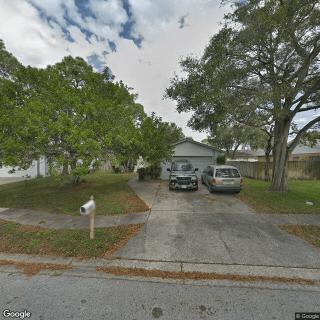
 Exploring Nonmedical Home Care: Understanding Services, Costs, and Financial Approaches
 Engaging Brain Games and Innovative Apps to Keep Senior Minds Active
 Effective Strategies for Keeping Seniors' Minds Active: A Deep Dive into Brain Games and Apps