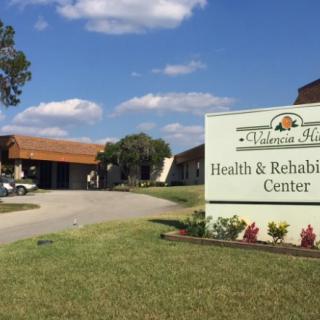
Consulate Health Care Of Lakeland is a nursing home community in Lakeland, FL.
Information last verified:
5245 North Socrum Loop Road, Lakeland, FL 33809
For more information about senior living options: (866) 208-4318
3.7 from 60 reviews
5 stars
34
4 stars
6
3 stars
2
2 stars
1
1 stars
17
Overall Review of Consulate Health Care Of Lakeland
common20 reviews mention this
Social services support stands out
Social services is consistently described as knowledgeable and responsive.
Many residents and families single out social services for helping them navigate care plans, insurance, and discharge steps. Several reviews specifically praise Brenda and her team for being compassionate, prompt, and proactive about arranging what families need. A few reviewers also mention improved communication because calls are returned and updates are provided. Overall, social services shows up as a major reason people feel supported during a stressful time.
differentiator8 reviews mention this
Therapy and rehab help recovery
Physical therapy is repeatedly described as motivating and effective.
Reviews frequently describe physical therapy teams as knowledgeable, encouraging, and focused on helping patients regain strength and mobility. Multiple families say their loved ones made meaningful progress, including being able to walk or regain functional movement with the rehab program. The nursing and rehab experience is also described as coordinated enough to support discharge planning, not just day-to-day therapy sessions. This aligns with the community’s skilled nursing facility care focus and its emphasis on medication management and daily living support.
caveat9 reviews mention this
Facility cleanliness is mixed
Cleanliness gets both strong praise and serious complaints.
Some reviewers describe the facility as consistently clean, well maintained, and free of unpleasant odors. Others raise major concerns about cleanliness and hygiene, including reports of pest or mold issues, soiled conditions, and residents being left in dirty environments for extended periods. Even among generally positive reviews, one mentions housekeeping and laundry as a work in process. Taken together, cleanliness appears to vary enough that it can heavily influence someone’s experience.
common3 reviews mention this
Activities keep residents engaged
Activities are described as structured and involving.
Several reviews mention an activity director and describe efforts to keep residents busy with regularly scheduled programs. One review credits a revamped activity program for reaching residents and increasing engagement. Another notes that residents have opportunities like bingo and church services, not just sitting in rooms. For families looking for day-to-day engagement, activities come through as a recurring point of satisfaction.
caveat3 reviews mention this
Food quality and temperature vary
Food gets mixed feedback, especially on taste and temperature.
Some reviews praise meals as better than typical rehab food, while others criticize specific items and portion choices. A couple reviewers mention food being served cold, including breakfast that did not meet expectations. One review also notes concerns about fresh produce and meal composition. Dining seems to land differently depending on the day and what residents are served.
caveat9 reviews mention this
Communication and staffing can fail
Nursing response and follow-through receive serious criticism.
A number of negative reviews focus on delayed response to call lights, insufficient assistance with hygiene, and concerns about how care is handled when families aren’t present. Several accounts describe residents left in soiled conditions for hours or not receiving timely attention after requests are made. Medication-related issues also appear, including reports of delayed pain meds and problems following doctor instructions. While other reviews describe attentive nurses and good care, these complaints are serious enough to be a recurring caveat.
How we summarize
Counts show how many written reviews mention each theme; a review can touch several themes, and only frequently mentioned themes are displayed.
Features
Housing
120 resident community capacity
Types of Care
Skilled Nursing Facility
Amenities
Air-conditioning
Beauty salon
Cable or satellite TV
Computer center
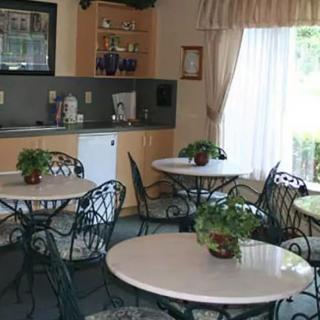
Dining room
Fitness room
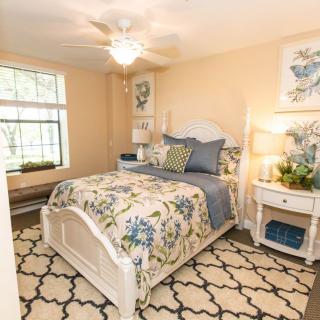
Fully furnished
Gaming room
Garden
Housekeeping services
Kitchenette
Move-in coordination
Outdoor space
Private bathrooms
Restaurant-style dining
Small library
Telephone
Wellness center
Wi-Fi/high-speed internet available
Transportation
Community operated transportation
Transportation arrangement
Transportation arrangement (non-medical)
Transportation to doctors appointments
Care Services
12-16 hour nursing
24-hour call system
24-hour supervision
Activities of daily living assistance
Assistance with bathing
Assistance with dressing
Assistance with transfers
Diabetes diet
Meal preparation and service
Medication management
Mental wellness program
Special dietary restrictions
Dining
Diabetes diet
Special dietary restrictions
Activities
Community-sponsored activities
Concierge services
Fitness programs
Planned day trips
Resident-run activities
Scheduled daily activities
Nearby Places of Interest
Restaurants
King's Wok (0.2 miles)
Five Guys Burgers & Fries (0.5 miles)
Cracker Barrel (0.9 miles)
Wendy's (1.8 miles)
Palace Italian Restaurant (1.9 miles)
Ford's Garage Lakeland (1.9 miles)
Taco Bell (1.9 miles)
Cafes
Starbucks (0.5 miles)
Panera Bread (1.9 miles)
Starbucks (2 miles)
Black & Brew Coffee House & Bistro (4.6 miles)
Physicians
Timothy E Knight (1.2 miles)
Clark And Daughtrey Walk-in (1.6 miles)
Fischer Schemmer & Silbiger (1.7 miles)
Optical Outlets (1.8 miles)
Florida Department of Health, Polk County Health Department, Lakeland Clinic (1.9 miles)
Bedi B S MD (1.9 miles)
Sears Hearing Aid Center by Miracle-Ear (1.9 miles)
The article highlights the importance of empathy and open communication when comforting someone who is grieving, noting that grief is unique to each individual and emphasizing the need for sincere expressions of condolence, active listening, and ongoing support. It also addresses cultural differences in mourning practices and encourages tailored approaches to provide effective comfort.
Home health care aides provide vital medical and non-medical support to individuals at home, assisting with daily living activities and promoting emotional well-being, while the demand for these services increases due to an aging population. Families benefit from in-home care's flexibility and cost-effectiveness but face challenges like scheduling consistency and caregiver turnover.
Older adults with urinary tract infections (UTIs) often present atypical symptoms, complicating diagnosis due to factors like incomplete bladder emptying and chronic health conditions that increase their susceptibility. Effective management involves prompt treatment with antibiotics, hydration, and preventive strategies while minimizing antibiotic resistance and focusing on holistic care approaches.
Get PricingAsk A QuestionSchedule A TourContact Senior Advisor
By clicking submit, you agree to our Partner's Terms of Use. You
also consent to receive calls and texts, which may be autodialed, from our Partner. Your consent is not a condition to
using our Partner's service. Please visit our Partner's Privacy Policy for information about their privacy practices.

 120 resident community capacity
 Skilled Nursing Facility
 Air-conditioning
 Beauty salon
 Cable or satellite TV
 Computer center
 Dining room
 Fitness room
 Fully furnished
 Gaming room
 Garden
 Housekeeping services
 Kitchenette
 Move-in coordination
 Outdoor space
 Private bathrooms
 Restaurant-style dining
 Small library
 Telephone
 Wellness center
 Wi-Fi/high-speed internet available
 Community operated transportation
 12-16 hour nursing
 24-hour call system
 Activities of daily living assistance
 Assistance with bathing
 Assistance with dressing
 Assistance with transfers
 Diabetes diet
 Medication management
 Mental wellness program
 Special dietary restrictions
 Concierge services
 Planned day trips
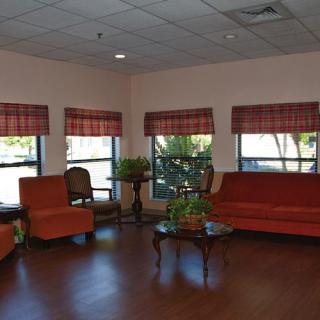
 Family-like atmosphere with caring staff and engaging activities.



 Compassionate Conversations: How to Comfort Someone Who Is Grieving
 Home Health Care Aides: Understanding Their Role and Supporting Your Family
 Urinary Tract Infections in Older Adults: Comprehensive Insights on Symptoms, Treatment, and Prevention