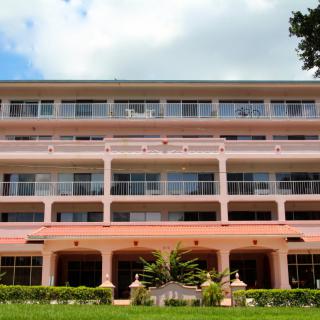
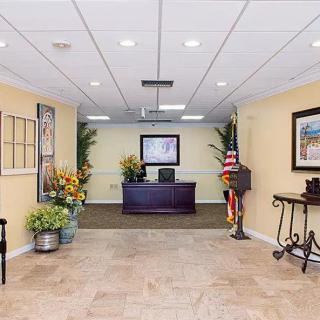
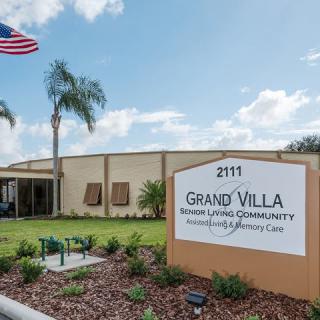
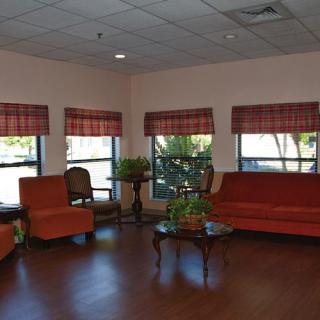
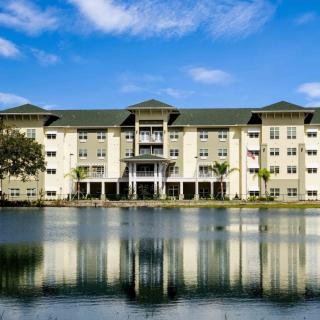
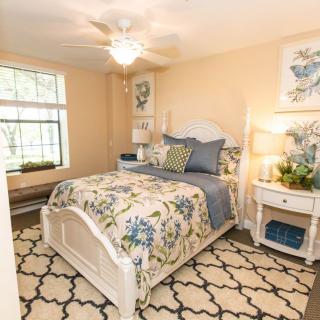
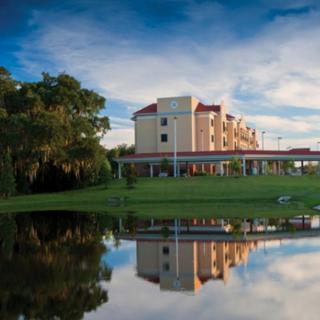
Consulate Health Care Of Lake Parker in Lakeland, FL

2020 West Lake Parker Drive, Lakeland, FL 33805

For more information about senior living options: (844) 490-3973

3.8 from 46 reviews
5 stars
31
4 stars
1
3 stars
1
2 stars
2
1 stars
11

Skilled Nursing Facility

Overall Review of Consulate Health Care Of Lake Parker

Pros

  • pro The staff are wonderful and caring.
  • pro They take very good care of residents.
  • pro The therapists are knowledgeable, patient, and take their time.
  • pro The facility is clean, well-maintained, and comfortable.
  • pro Residents leave with a smile thanks to the friendly staff and quality care.
  • pro The team goes above and beyond to meet residents' needs.
  • pro Admissions and front desk staff are friendly, helpful, and attentive.
  • pro The place is described as trustworthy and dedicated to the health of the patients.

Cons

  • pro The facility has roaches in the bathroom and ants.
  • pro The staff do not follow residents' dietary needs, and the food is always cold.
  • pro Therapists are not up to date on the therapies residents are allowed to do.
  • pro Discharge was delayed by several days even after medical clearance.
  • pro It takes forever to answer the call light and to change a diaper.
  • pro Night staff have been described as abusive and negligent, with daily neglect.
  • pro The place is described as a nightmare with roaches, pests, and a nauseating smell.
  • pro A nurse failed to call in a prescribed blood thinner, risking a stroke.

Review

Consulate Health Care Of Lake Parker is best suited for seniors who are focused on recovering mobility and independence through a robust, active rehabilitation program. This community shines for residents whose families want a connective rehab team, where physical and occupational therapy can begin promptly and progress toward returning home within a relatively short window. The strongest appeal is for those who value a clean, personable environment and a multidisciplinary effort that feels coordinated across therapy, nursing, and activities. However, there is a clear caveat: for families seeking unwavering consistency on every shift - especially around medication management, routine housekeeping, and rapid responsiveness - alternative options may be more reliable. The care picture here is highly capable in the right circumstances but requires accepting substantial day-to-day variability.

The most persuasive asset is the rehabilitation engine. Patients often experience meaningful gains quickly, with therapy teams that seem well-informed, patient, and dedicated. When progress is real, it is tangible: therapy rooms are well equipped, and therapists take time to tailor plans, which translates into better functional outcomes and a smoother transition back to home. Nursing and aides receive widespread praise for kindness and attentiveness, and the overall environment frequently feels orderly and clean. Across multiple reviews, teamwork among disciplines is repeatedly lauded, and staff members who connect on a personal level - providing reassurance, answering questions, and supporting families - help families feel that their loved ones are in good hands. For families prioritizing a rehab-centric plan, these factors can materially offset the less predictable elements of care.

Yet the downsides are far from trivial. Several reviews detail significant safety and quality concerns: pest issues in bathrooms; meals served cold or not aligned with dietary needs; delays in medication administration and failure to call in prescriptions; and therapy boundaries that seemingly conflict with medical restrictions. Communication gaps surface repeatedly - phone calls requiring multiple attempts, difficult coordination with admissions and transport, and occasional phrases that imply important issues may be overlooked or poorly tracked. The most alarming anecdotes describe prolonged neglect in basic care tasks, delayed response to call bells, and, in extreme cases, allegations of abuse or neglect that culminated in formal complaints. Taken together, these experiences underscore a fragile reliability that can jeopardize safety when the resident's needs are urgent or complex.

In weighing the positives against the negatives, the rehab successes and the evident dedication of many staff members do offset a substantial portion of the concerns - so long as the care plan remains firmly centered on a rehab-focused trajectory and strong family oversight. When therapy is the primary goal and the resident can rely on consistent therapists, the benefit is clear: gains reach home readiness faster, and the social atmosphere can feel genuinely supportive. However, the same strengths do not fully compensate for systemic gaps in daily operations, especially on evenings and nights when issues tend to surface more acutely. If the resident's needs span more than skilled rehab - such as complex medical management, high-risk medications, or the requirement for prompt, reliable assistance with toileting, hygiene, and safety - these gaps can become consequential.

Therefore, families should approach this community with a precise checklist. It is essential to verify current staffing patterns on all shifts, particularly nursing and aides, and to ask about recent changes in leadership or process improvements. Investigate how medication protocols are enforced, how quickly call bells are answered, and how dietary plans are implemented in practice. Tour the facility with focus on cleanliness, odor, and general resident dignity; engage directly with admissions, therapy staff, and a few frontline caregivers to gauge consistency and responsiveness. If a loved one carries high risk for infection, requires meticulous medication follow-through, or needs steady, distraction-free management of behavior and nutrition, alternative facilities with more uniform operations will likely deliver greater peace of mind.

In sum, Consulate Health Care Of Lake Parker delivers standout rehab potential embedded in a care team that can feel exceptionally compassionate and capable. The strongest value emerges for residents whose goals are clearly rehab-oriented and who can tolerate - and actively monitor - a degree of variability in daily operations. For families prioritizing predictable, institution-wide reliability - especially around medication management, cleanliness, and timely responsiveness - reevaluating options may be prudent. The facility remains a viable choice for ambitious recovery, provided the care plan is tightly aligned with rehab objectives, oversight remains vigilant, and expectations are calibrated to the realities of day-to-day operations.

Features

Housing

  • 120 resident community capacity 120 resident community capacity

Types of Care

  • Skilled Nursing Facility Skilled Nursing FacilitySkilled Nursing Facilities are crucial for seniors as they provide round-the-clock medical care, rehabilitation services, and assistance with daily activities. These facilities ensure that seniors receive the specialized care they need to maintain their health and well-being as they age.

Amenities

  • Air-conditioning Air-conditioningAir conditioning is important for seniors as they are more vulnerable to heat-related illnesses and may have underlying health conditions that make it difficult for them to regulate their body temperature. It helps to keep them comfortable, safe, and healthy in hot weather.
  • Beauty salon Beauty salonBeauty salons are important for seniors because they provide a space for them to feel pampered, socialize, and maintain their personal grooming and hygiene. Regular visits to a beauty salon can help boost seniors' self-esteem and overall well-being.
  • Cable or satellite TV Cable or satellite TVCable or satellite TV is important for seniors because it provides entertainment, news, and companionship, helping to combat loneliness and boredom. It also offers a wide range of programming options tailored to different interests and preferences.
  • Computer center Computer centerA computer center is essential for seniors as it provides access to technology, communication tools, and resources that can enhance their daily lives. It allows them to stay connected with loved ones, engage in online activities, and learn new skills, ultimately promoting socialization and mental stimulation.
  • Dining room Dining roomDining rooms are important for seniors as they provide a space for socialization, connection, and nutritious meals. They offer opportunities for residents to bond over shared meals, foster a sense of community, and promote healthy eating habits. Dining rooms also ensure that seniors have access to well-balanced meals tailored to their dietary needs and preferences.
  • Fitness room Fitness roomHaving a fitness room in a senior living community is essential for seniors to stay active, maintain their physical health, and improve their overall well-being. Regular exercise can help prevent falls, reduce the risk of chronic diseases, and promote mental sharpness. It also provides social opportunities for residents to connect with others and enjoy a sense of community.
  • Fully furnished Fully furnishedFully furnished senior living communities are important for seniors because they provide convenience, comfort, and a hassle-free moving experience. Seniors can easily settle into their new living space without the stress of having to buy and move furniture. This allows them to focus on enjoying their new home and community.
  • Gaming room Gaming roomGaming rooms are important for seniors as they provide a fun and engaging environment for socializing, cognitive stimulation, and physical activity. Games can improve memory, problem-solving skills, and overall mental well-being while fostering friendships and reducing feelings of isolation.
  • Garden GardenGardens are important for seniors as they provide a peaceful and therapeutic environment for relaxation, physical activity, and socialization. Being in nature has been shown to reduce stress, improve mood, and promote overall well-being. Gardens also offer opportunities for seniors to engage in gardening activities, which can improve mobility, flexibility, and cognitive function. Additionally, gardens create a sense of community and connection with others who share a passion for plants and outdoor spaces.
  • Housekeeping services Housekeeping servicesHousekeeping services are important for seniors because they help maintain a clean and safe living environment, promote independence, and reduce the risk of accidents or illnesses. Additionally, having assistance with household chores can alleviate physical strain and allow seniors to focus on other aspects of their well-being.
  • Kitchenette KitchenetteKitchenettes are important for seniors living in senior living communities because they provide the convenience and independence of being able to prepare simple meals and snacks in the comfort of their own living space. This can help promote a sense of autonomy and well-being for seniors, allowing them to maintain some level of control over their dietary choices and daily routines.
  • Move-in coordination Move-in coordinationMove-in coordination is important for seniors because it helps ease the transition into their new living environment. It ensures that all logistics, such as packing, organizing movers, and setting up utilities are taken care of, allowing seniors to focus on settling in and adjusting to their new home. Having a smooth move-in process can alleviate stress and anxiety, making the transition smoother and more enjoyable for seniors.
  • Outdoor space Outdoor spaceOutdoor spaces are important for seniors as they provide opportunities for physical activity, social interaction, exposure to natural light and fresh air, and a sense of connection to nature. Having access to outdoor spaces can improve overall well-being and quality of life for older adults living in senior communities.
  • Private bathrooms Private bathroomsPrivate bathrooms are important for seniors in senior living communities because they provide independence, dignity, and comfort. Having a private bathroom allows seniors to maintain their personal hygiene routines without the need for assistance, promoting a sense of autonomy and privacy. Additionally, private bathrooms help prevent the spread of infections and provide a safe and clean environment for seniors to navigate safely.
  • Restaurant-style dining Restaurant-style diningRestaurant-style dining is important for seniors because it allows them to enjoy delicious, nutritious meals in a social and upscale setting. This enhances their dining experience, promotes healthy eating habits, and fosters socialization with fellow residents, ultimately contributing to their overall well-being and quality of life.
  • Small library Small librarySmall libraries are important for seniors as they provide access to a variety of reading materials, including books, newspapers, and magazines. This can help stimulate their minds, keep them engaged, and provide a sense of community through book clubs and other social activities. Additionally, reading has been shown to improve cognitive function and overall mental well-being in older adults.
  • Telephone TelephoneTelephones are important for seniors as they provide a lifeline for communication with loved ones, emergency services, and healthcare providers. They offer a sense of security and independence, enabling seniors to stay connected and access assistance when needed.
  • Wellness center Wellness centerWellness centers are important for seniors because they offer a variety of programs and services that promote physical, mental, and emotional well-being. These centers provide opportunities for exercise, socialization, education, and relaxation, helping seniors maintain their overall health and quality of life.
  • Wi-Fi/high-speed internet available Wi-Fi/high-speed internet availableWi-Fi/high-speed internet is important for seniors to stay connected with loved ones, access online resources, and participate in virtual activities to combat feelings of loneliness and isolation. It also allows them to easily manage healthcare needs, access entertainment, and engage in lifelong learning opportunities.

Transportation

  • Community operated transportation Community operated transportationCommunity operated transportation is crucial for seniors as it provides them with the means to access essential services, social activities, and medical appointments. It allows seniors to maintain their independence and quality of life by ensuring they can participate in activities outside of their homes. Additionally, community-operated transportation services offer a safe and reliable way for seniors to travel without having to rely on family or friends for assistance.
  • Transportation arrangement Transportation arrangementTransportation arrangements are crucial for seniors as they may face challenges with driving, mobility, or access to public transportation. Having reliable transportation services ensures that seniors can easily attend appointments, social activities, and maintain their independence and quality of life.
  • Transportation arrangement (non-medical) Transportation arrangement (non-medical)Transportation arrangements are essential for seniors as they provide access to essential services, activities, and social interactions outside the home. This service helps maintain independence, mobility, and overall well-being for seniors who may have limited transportation options.
  • Transportation to doctors appointments Transportation to doctors appointmentsTransportation to doctors appointments is crucial for seniors as it ensures they have access to necessary medical care and support, promoting their health and well-being. It allows them to receive timely treatment, monitor existing conditions, and address any new health concerns efficiently. Additionally, transportation services can help seniors maintain their independence and quality of life by enabling them to stay connected with their healthcare providers.

Care Services

  • 12-16 hour nursing 12-16 hour nursing12-16 hour nursing care is crucial for seniors in order to ensure around-the-clock monitoring, timely medication administration, and prompt response to any health concerns or emergencies. This level of care helps to promote the overall well-being and safety of seniors living in senior living communities.
  • 24-hour call system 24-hour call system24-hour call systems are important for seniors because they provide peace of mind and immediate assistance in case of emergencies. This technology ensures that help is always available, promoting safety and security for elderly individuals living alone or in assisted living facilities.
  • 24-hour supervision 24-hour supervision24-hour supervision is important for seniors to ensure their safety, well-being, and access to immediate assistance in case of emergencies or health issues. This constant support provides peace of mind for both seniors and their loved ones, allowing them to age in place with dignity and security.
  • Activities of daily living assistance Activities of daily living assistanceActivities of daily living assistance are important for seniors because they provide essential support with tasks such as eating, bathing, dressing, and mobility. This assistance helps seniors maintain their independence, dignity, and overall quality of life as they age.
  • Assistance with bathing Assistance with bathingAssistance with bathing is crucial for seniors as it helps maintain personal hygiene, prevents infections, and ensures their overall well-being and comfort. It also provides a sense of dignity and independence for seniors who may struggle with this task on their own.
  • Assistance with dressing Assistance with dressingAssistance with dressing is important for seniors because it helps maintain their independence, promotes personal hygiene, prevents accidents and injuries, and improves overall quality of life. This service ensures that seniors can continue to dress comfortably and confidently, despite any physical limitations they may have.
  • Assistance with transfers Assistance with transfersAssistance with transfers is crucial for seniors as it helps prevent falls and injuries, maintains their independence, and ensures they can safely navigate their living environment. It also provides peace of mind for both seniors and their loved ones.
  • Diabetes diet Diabetes dietA diabetes diet is crucial for seniors as it helps manage blood sugar levels, reduce risks of complications, and improve overall health and well-being. By following a balanced and nutritious diet tailored to their specific needs, seniors can better control their diabetes and enhance their quality of life.
  • Meal preparation and service Meal preparation and serviceMeal preparation and service are crucial for seniors as they may have limited mobility or energy to cook nutritious meals. Having access to healthy and convenient food options can ensure they are getting the proper nutrition needed to maintain their overall health and well-being.
  • Medication management Medication managementMedication management is crucial for seniors to ensure they are taking the right medications at the correct dosages and times. This helps prevent adverse drug interactions, reduces the risk of medication errors, and promotes overall health and well-being. Proactive management also allows for adjustments as needed based on changing health conditions or new prescriptions.
  • Mental wellness program Mental wellness programMental wellness programs are essential for seniors as they promote cognitive stimulation, emotional support, and social engagement. These programs help prevent isolation, depression, and cognitive decline, ultimately enhancing the overall quality of life for older adults.
  • Special dietary restrictions Special dietary restrictionsSpecial dietary restrictions are important for seniors because age-related changes in metabolism and health conditions can make it difficult for their bodies to process certain foods. By following a diet tailored to their specific needs, seniors can maintain their overall health and well-being, manage chronic conditions, and reduce the risk of complications such as malnutrition or food interactions with medications.

Dining

  • Diabetes diet Diabetes dietA diabetes diet is crucial for seniors as it helps manage blood sugar levels, reduce risks of complications, and improve overall health and well-being. By following a balanced and nutritious diet tailored to their specific needs, seniors can better control their diabetes and enhance their quality of life.
  • Special dietary restrictions Special dietary restrictionsSpecial dietary restrictions are important for seniors because age-related changes in metabolism and health conditions can make it difficult for their bodies to process certain foods. By following a diet tailored to their specific needs, seniors can maintain their overall health and well-being, manage chronic conditions, and reduce the risk of complications such as malnutrition or food interactions with medications.

Activities

  • Community-sponsored activities Community-sponsored activitiesCommunity-sponsored activities are important for seniors as they provide opportunities for social interaction, mental stimulation, and physical activity. These activities can help improve overall well-being, combat loneliness and isolation, and promote a sense of belonging and purpose among older adults.
  • Concierge services Concierge servicesConcierge services are essential for seniors as they provide assistance with daily tasks and errands, enhance their quality of life by offering convenience and personalized care, and promote a sense of safety and security.
  • Fitness programs Fitness programsFitness programs are crucial for seniors as they help improve strength, flexibility, balance, and overall well-being. Staying active can reduce the risk of chronic diseases, improve mental health, and enhance quality of life in older adults.
  • Planned day trips Planned day tripsPlanned day trips are important for seniors because they offer opportunities for socialization, mental stimulation, and physical activity. They provide a change of scenery and help seniors stay engaged and connected to their community, promoting overall well-being and quality of life.
  • Resident-run activities Resident-run activitiesResident-run activities are important for seniors as they encourage social interaction, creativity, and a sense of autonomy. These activities empower seniors to stay engaged and active in their community while fostering meaningful connections with their peers.
  • Scheduled daily activities Scheduled daily activitiesScheduled daily activities are important for seniors because they provide structure, socialization, mental stimulation, and physical activity. Engaging in regular activities can improve overall well-being and quality of life for seniors living in a community setting.

Description

Consulate Health Care of Lake Parker in Lakeland, FL is a vibrant and comfortable assisted living community. Residents have access to a wide range of amenities designed for their convenience and enjoyment. A beauty salon is available on-site for residents to pamper themselves. Cable or satellite TV is provided in each room for entertainment. Community-operated transportation is provided for outings and appointments.

For those who enjoy technology, there is a computer center with internet access. The dining room offers restaurant-style meals prepared by skilled chefs. The fitness room allows residents to stay active and maintain their health. The gaming room provides opportunities for socializing and fun.

Outdoor space includes a garden where residents can enjoy nature and fresh air. Housekeeping services ensure that the community remains clean and tidy at all times. Each resident's room is fully furnished and has its own private bathroom. Small library offers a quiet place for reading or studying.

The community also offers move-in coordination services to make the transition as smooth as possible. Wi-Fi/high-speed internet is available throughout the community, allowing residents to stay connected with loved ones.

In terms of care services, there is a 24-hour call system in place to ensure that help is always readily available when needed. Trained staff provide 24-hour supervision to ensure the safety and well-being of residents. Assistance with activities of daily living such as bathing, dressing, and transfers is offered.

A diabetes diet can be accommodated, along with other special dietary restrictions if necessary. Medication management services are provided to assist residents in taking their medications correctly and on time. Mental wellness programs are available to support emotional well-being.

Transportation arrangements can be made for non-medical needs as well as transportation to doctors' appointments. A wellness center offers additional health resources and support.

The community also boasts various amenities nearby, including cafes, parks, pharmacies, physicians' offices, restaurants, places of worship, theaters, and hospitals. Residents have easy access to a range of services and entertainment options in the surrounding area.

Overall, Consulate Health Care of Lake Parker offers a comfortable and supportive environment for seniors, with various amenities and services to enhance their quality of life.

Nearby Places of Interest

Physicians

  • Central Florida Speech & Hearing Center (0.3 miles)
  • Peace River Center Wellness Clinic (0.3 miles)
  • Lakeland Ob-Gyn (0.5 miles)
  • Emilio Francisco Montero (0.5 miles)
  • Kids Neurology (0.5 miles)
  • Florida Retina Consultants (0.5 miles)
  • Lucia Gilling, MD (0.6 miles)

Places of Worship

  • Christ Lutheran Church (0.7 miles)
  • South Florida Baptist Association (3.9 miles)
  • Way Community Church (4.3 miles)

Parks

  • Lake Parker Park (0.7 miles)
  • Adair PARK (1.1 miles)

Hospitals

  • Endoscopy Unit (0.9 miles)
  • Lakeland Regional Heal (0.9 miles)
  • Radiology Department (0.9 miles)
  • Lakeland Regional Medical Center (0.9 miles)
  • Lakeland Regional Health (1.1 miles)
  • Lakeland Regional Medical Center (1.4 miles)
  • Central Florida Surgi-Center (1.5 miles)

Pharmacies

  • Pharmacy LRMC (0.9 miles)
  • Health Mart Pharmacy (1.1 miles)
  • Walgreens (1.3 miles)
  • CVS Pharmacy (2.1 miles)
  • Walgreens (2.6 miles)
  • Epic Pharmacies (2.9 miles)
  • Walgreens (3.1 miles)

Restaurants

  • Bob Evans (1.5 miles)
  • Burger King (1.6 miles)
  • Ford's Garage Lakeland (1.8 miles)
  • Texas Cattle Company (1.9 miles)
  • IHOP (1.9 miles)
  • Cracker Barrel (1.9 miles)
  • Harry's Seafood Bar & Grille (1.9 miles)

Cafes

  • Black & Brew Coffee House & Bistro (2 miles)
  • Starbucks (2.2 miles)
  • Starbucks (2.3 miles)
  • Panera Bread (2.3 miles)

Theaters

  • Cinemark USA (2.4 miles)

Transportation

  • Railroad Tracks (2.7 miles)

Frequently Asked Questions

Where is Consulate Health Care Of Lake Parker?

Nearby Communities

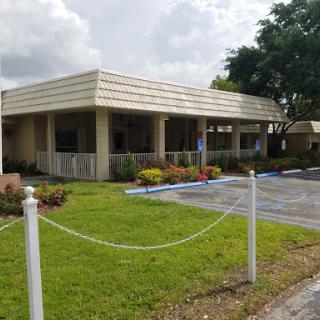
  • Osprey Manor

    Osprey Manor

    Lakeland, FL

    4.3 from 69 reviews
    $1,595 to $2,395 / month

    pro Friendly staff, clean facilities, and affordable independent living with engaging activities.
  • Lakeland Hills Center

    Lakeland Hills Center

    Lakeland, FL

    3.3 from 86 reviews
     

    pro Caring staff and engaging activities.

  • Lakeland Nursing & Rehabilitation

    Lakeland Nursing & Rehabilitation

    Lakeland, FL


    pro Comprehensive care and amenities

  • Grand Villa Lakeland

    Grand Villa Lakeland

    Lakeland, FL

    4.8 from 78 reviews
     

    pro Comprehensive amenities and 24/7 safety support.

  • Grand Villa of Lakeland

    Grand Villa of Lakeland

    Lakeland, FL

    4.7 from 194 reviews
    $1,995 to $2,695 / month

    pro Friendly, attentive staff in a clean, home-like setting with engaging activities.

  • Lakeland Manor Assisted Living Facility

    Lakeland Manor Assisted Living Facility

    Lakeland, FL

    3.6 from 38 reviews
    $1,900 to $2,100 / month

    pro Caring staff, clean environment, and on-site medical services including memory care safety.

  • Arbor Hills

    Arbor Hills

    Lakeland, FL

    4.1 from 38 reviews
    $1,995 to $3,385 / month

    pro Welcoming, bright community with modern apartments, helpful staff, and engaging amenities.

  • Lake Gibson Village

    Lake Gibson Village

    Lakeland, FL

    4.8 from 162 reviews
    $3,250 to $5,000 / month

    pro Dedicated staff, engaging activities, and restaurant-style dining in a well-maintained, on-site care-focused community.

  • The Estates at Carpenters

    The Estates at Carpenters

    Lakeland, FL

    3.7 from 65 reviews
     

    pro Caring staff, engaging activities, and strong amenities (pool, library, fitness) with transportation.

Related Resources

  • palliative care vs hospiceUnderstanding the Nuances of Palliative Care and Hospice: A Comprehensive Exploration

    Palliative care focuses on alleviating distress at any stage of a serious illness and can accompany curative treatments, while hospice care is for those nearing the end of life with a prognosis of six months or less, emphasizing comfort over curative measures. Both prioritize holistic care for patients and families but differ in timing, goals, and scope.

  • is home health care tax deductibleIs In-Home Healthcare Tax Deductible? Your Comprehensive Guide
    The guide details the tax deductibility of in-home healthcare expenses according to IRS guidelines, differentiating between medically necessary services and non-medical assistance, while emphasizing the need for proper documentation and itemization requirements. It also highlights state-level variations, the importance of record-keeping, and encourages seeking professional tax help to understand evolving regulations.

  • gardening for seniorsNurturing Well-Being Through Gardening: A Detailed Guide for Senior Enthusiasts

    Gardening provides seniors with physical exercise, mental and emotional support, and social interaction opportunities, while accommodating their needs through raised beds and ergonomic tools. It promotes health benefits like improved dexterity and cardiovascular health, encourages sustainable practices, and allows for manageable upkeep with low-maintenance plants.