

1600 Matthew Drive, Fort Myers, FL 33907
For more information about senior living options: (866) 208-4318
Overall Review of Heartland Health Care Center Fort Myers
Pros
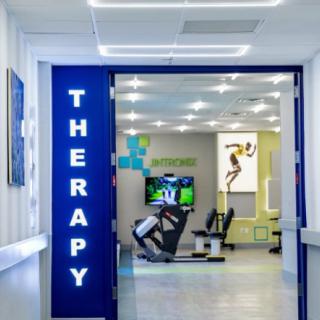
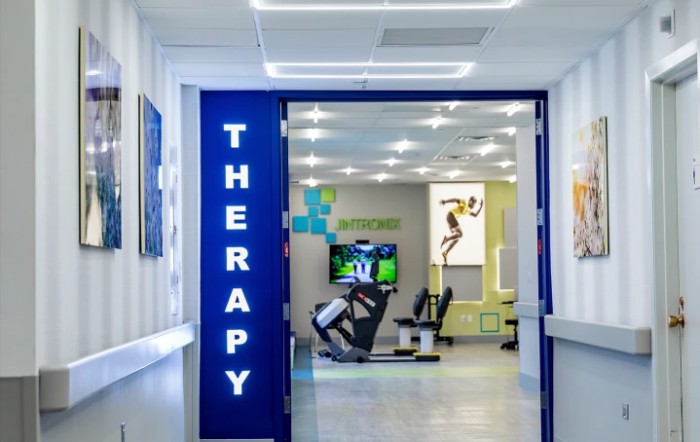
 The rehab technicians were very good and provided caring help, with exercises appropriate to his father's abilities.
- The nursing and ancillary care was excellent, and the therapists were good.
- The staff were cheerful and an asset to the center.
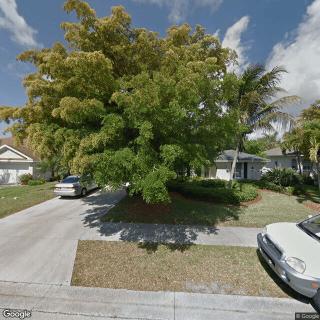
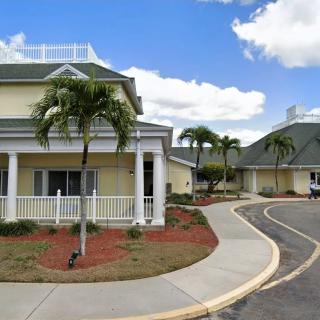
- The facility had an excellent location and was very well kept.
- The facility is nice and clean.
- The staff listened to families and took their input into consideration.
Cons
 The facility was not up to standard.
- They never bathed him and there was no bathing facility in his room.
- He had accidents in the bathroom and on the floor and bed, with no prompt cleaning.
- Housekeeping did not check his room.
- The dismissing nurse walked past without acknowledgement, and staff chased him down the hall to sign papers.
- The facility allowed the patient to leave in a taxi without notice to the family.
- The staff lied, misled, and misinformed, and they did not sign the death certificate.
- The staff were slow to respond and some nurses were nasty; the food was horrible.
- The rooms were outdated, crowded, and the furniture was old and uncomfortable.
- The reviewers would not trust this facility to care for a loved one.
Review
Heartland Health Care Center Fort Myers is best suited for families seeking short-term rehab with a clear emphasis on skilled therapy, and for residents whose families are prepared to supervise care closely. The strongest value shown in reviews is the rehabilitation component: therapists and rehab technicians can drive real movement and progress when engaged, and some staff consistently demonstrate a cooperative, attentive approach. The campus’s location and overall cleanliness are usually noted as positives, and when care teams align with families, residents can make meaningful gains. This is not a hands-off option; its usefulness hinges on active involvement from loved ones and on selecting a profile of resident who can benefit from targeted therapy while tolerating day-to-day care variability.
Those who should consider alternatives include families prioritizing unwavering daily care, dependable 24/7 staffing, and consistently satisfying meals. Across multiple accounts, response times to needs were slow, basic tasks such as bathing were missed, and rooms felt dated or uncomfortable. Serious concerns about safety, discharge handling, and transparency in communications further separate this facility from options with steadier daily support. If a loved one requires constant oversight or if reliable billing clarity is essential, the red flags here outweigh the rehab upside. Location and potential therapy gains do not compensate for recurring gaps in daily care and safety.
On the upside, rehabilitation capabilities and some staff earned praise. When skilled aides and therapists are present, residents can show tangible movement improvements, and families noted receptiveness to listening and adjusting plans. These advantages illustrate that the center can deliver meaningful recovery outcomes in the right circumstances. Yet those gains are not universal; they depend on consistently reliable staffing and proactive safety practices, which do not consistently hold across the board. In essence, the rehab strengths can offset only so much when daily care and oversight remain uneven.
What rings loudest in the troubling categories are safety and dignity concerns that recur in reviews. Delays in basic care, such as bathing, paired with accidents that aren’t promptly addressed create real distress for families and residents and raise infection-control worries. Miscommunications around discharge, care plans, and responsibility further erode trust at a time when clarity is critical. The atmosphere of rooms with older furnishings and limited amenities also undermines recovery comfort and can magnify the sense of a temporary hospital-like feel rather than a nurturing home. Taken together, these patterns chill confidence in long-term placement, even when rehab opportunities exist.
For families who still move forward here, a proactive, planful approach is essential. Demand a comprehensive tour and direct access to the rehab director and nursing leadership. Insist on clear, written daily care protocols, bathe times, toileting assistance, and rapid response to calls. Check that meals meet basic nutritional needs and offer choices, and push for timely room upkeep and a comfortable environment. Nail down a detailed discharge plan, designate a single point of contact for updates, and document all agreements. Regularly review bills and daily notes, and escalate concerns promptly if expectations are not met. This is not a facility to passively evaluate; it rewards vigilance and structured oversight.
Bottom line: Heartland Fort Myers can deliver legitimate rehab progress in the hands of engaged staff, but the care environment requires brisk, ongoing oversight and readiness to intervene when issues arise. It will suit families who can commit to active involvement, leverage the strongest therapists, and tolerate variability in daily care in exchange for potential mobility gains. Those needing reliable daily care, consistent nutrition, and transparent, responsive administration should strongly consider alternatives, where staffing, dignity, and safety are demonstrably consistent and not dependent on relentless advocacy to secure basic needs.
 120 resident community capacity
 Skilled Nursing Facility
 Air-conditioning
 Beauty salon
 Cable or satellite TV
 Computer center
 Dining room
 Fitness room
 Fully furnished
 Gaming room
 Garden
 Housekeeping services
 Kitchenette
 Move-in coordination
 Outdoor space
 Private bathrooms
 Restaurant-style dining
 Small library
 Telephone
 Wellness center
 Wi-Fi/high-speed internet available
 Southwest Florida International (9 miles away)
 Community operated transportation
 12-16 hour nursing
 24-hour call system
 Activities of daily living assistance
 Assistance with bathing
 Assistance with dressing
 Assistance with transfers
 Diabetes diet
 Medication management
 Mental wellness program
 Special dietary restrictions
 Concierge services
 Planned day trips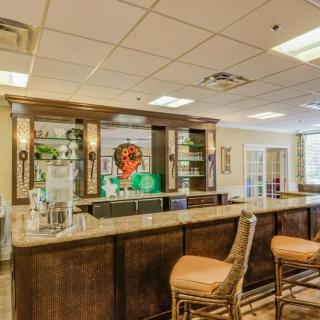





 Exploring the World of Home Health Nurses: Qualifications, Roles, and Hiring Tips
 Navigating Medicare Coverage for In-Home Care Services
 In-Home Care Costs in 2025: A Detailed State-by-State Exploration