
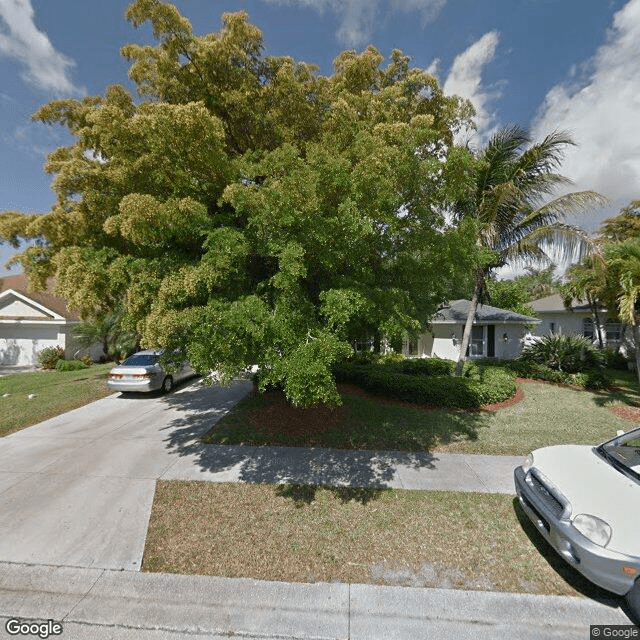
1444 Argyle Drive, Fort Myers, FL 33919
For more information about senior living options: (866) 208-4318
Cairn Park 3 Costs & Pricing
Cairn Park 3 offers competitive pricing for its accommodations when compared to both Lee County and statewide averages. For a semi-private room, residents can expect to pay $4,000 per month, which is higher than the average cost in Lee County at $3,538 but still exceeds the lower state average of $3,009. Similarly, the cost for a private room at Cairn Park 3 is set at $4,500, slightly above Lee County's average of $4,293 while remaining higher than Florida's overall average of $3,699. This pricing structure reflects Cairn Park 3's commitment to providing quality care and amenities that cater to its residents' needs.
| Floor plans | Cairn Park 3 | Lee County | Florida |
|---|---|---|---|
| Semi-Private | $4,000 | $3,538 | $3,009 |
| Private | $4,500 | $4,293 | $3,699 |
Memory care communities with a similar price nearby
-
from -$305 / mo
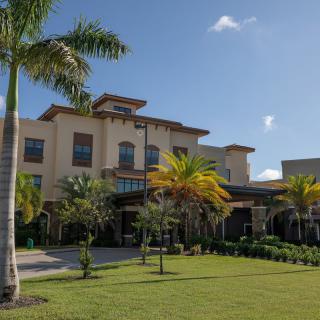
Seaside at Fort Myers
$3,695 to $5,195 / month6.1 miles away -
About the same
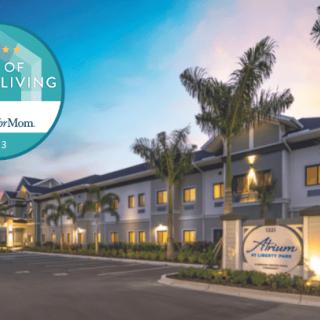
Atrium at Liberty Park
$4,095 to $5,995 / month7.8 miles away -
About the same
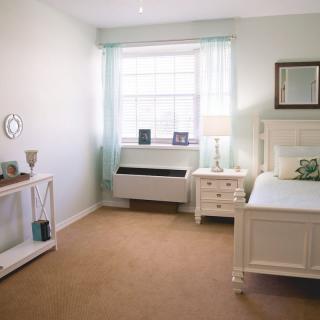
Barrington Terrace of Fort Myers
$3,950 to $6,290 / month6.3 miles away -
from +$445 / mo

All Seasons Naples
$4,445 to $6,345 / month19.9 miles away -
About the same

Naples Green Village
$3,950 to $4,350 / month22.9 miles away
Overall Review of Cairn Park 3
Pros
 The Argyle Care Home provides excellent care.
- The caregivers are caring and competent and meet residents' physical and emotional needs daily.
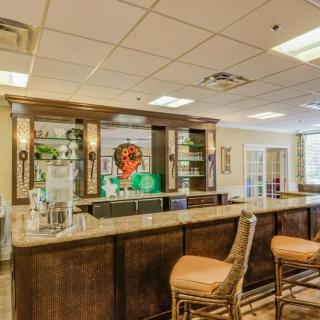
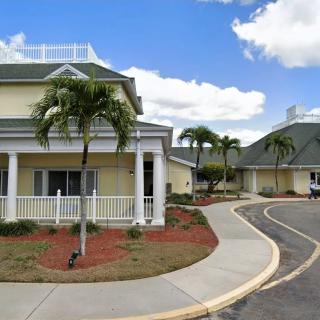
- The home is friendly, clean, and comfortable.
- Access to quality medical professionals is a great advantage.
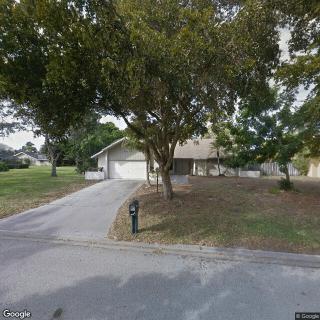
- The facility is small, clean, and homelike.
- The facility is a great placement for respite care.
Review
Cairn Park 3 in Fort Myers is best suited for families seeking a small, intimate, homelike setting where daily care is hands-on and personalized. The community shines in delivering consistent daily attention to both physical and emotional needs, with a cadre of caregivers described as caring and competent. The house feels friendly, clean, and comfortable, which matters when a loved one transitions from independent living to assisted routines. Importantly, access to quality medical professionals is highlighted as a practical and reliable advantage, reducing one more source of stress for families navigating changes in care. For residents who value routine and a warm, family-like atmosphere, this setting checks many essential boxes.
This community is a strong match for seniors who want respite care or short stays that feel like a temporary, well-supported home. The reviews repeatedly emphasize that small, clean, homelike spaces with attentive caregivers create the sense of relief families seek when relief is needed from caregiving burdens. However, for families facing long-term needs that include extensive medical oversight, memory care specialization, or a wide array of on-site activities and services, alternatives with larger campuses may prove more suitable. In short, Cairn Park 3 delivers intimacy and reliability, but it naturally operates with a more focused service footprint than bigger facilities.
Key strengths offset potential limits by elevating everyday experience above generic supervision. The small size means residents receive closer supervision and quicker responsiveness from staff, with activity and care plans that feel tailored rather than procedural. Cleanliness and a homelike feel reduce the clinical stiffness that can accompany larger facilities, making daily routines smoother for both residents and families. The presence of caring, steady caregivers, paired with ready access to medical professionals, creates a practical ecosystem where medical needs are addressed without the chaos that can accompany larger campuses. For families prioritizing heart and hands-on support, these advantages carry real weight.
That said, the inherent trade-off of a smaller home is a narrower service spectrum. While the reviews praise care and warmth, it’s reasonable to anticipate that a compact setting may offer fewer on-site specialists, fewer highly structured activities, and less breadth in therapy and programming. This isn’t a failing so much as a reality of scale: the same attentiveness that makes staff feel close may constrain the facility’s ability to absorb sudden spikes in medical complexity or offer extensive dementia-specific programming. Families should weigh the value of stable, personal attention against the comfort of a broader service menu.
In practice, the strongest argument for Cairn Park 3 rests on the daily lived experience: calm routines, predictable care, and a sense of belonging reinforce safety and emotional well-being. The ability to place a loved one in a setting where caregivers notice subtle shifts in mood or mobility and coordinate with medical contacts reduces uncertainty for families. The respite care niche is a proven fit, delivering relief without sacrificing the dignity and comfort residents expect. When these elements align with the resident’s needs and family goals, the pros materially outweigh the cons.
Decision-makers should schedule a direct tour focused on three questions: can the staff-to-resident ratio accommodate changing needs, what is the process for medication management and physician access, and how flexible are the care plans if medical conditions evolve? Ask about memory care pathways or referrals if dementia becomes a factor. If the priority is intimate, home-like care with dependable caregivers who can coordinate medical attention efficiently, Cairn Park 3 is a compelling choice. If a broader ecosystem of services, specialized memory care, or robust programming is non-negotiable, alternatives deserve serious consideration.
 6 resident community capacity
 Assisted Living
 Board and Care Home
 Memory Care
 Activities off-site
 Beautician on-site
 Cable or satellite TV
 Dining room
 Fully furnished
 Garden
 Housekeeping services
 Indoor common areas
 Move-in coordination
 Outdoor common areas
 Private
 Private bathrooms
 Telephone
 Wi-Fi/high-speed internet available
 Southwest Florida International (9 miles away)
 24-hour supervision
 Assistance with bathing
 Assistance with dressing
 Assistance with transfers
 Diabetes diet
 Diabetic care
 High acuity care
 Incontinence care
 Meal preparation and service
 Medication management
 Special dietary restrictions
 Transportation arrangement (medical)
 Transportation to doctors appointments

 Dementia-Related Hallucinations: Causes, Experiences, and Practical Approaches
 Illuminating Insights About Alzheimer's Disease: Ten Crucial Realities
 A Thorough Discussion of Medications Potentially Linked to Dementia Risk