For more information about senior living options: (866) 208-4318
4.4 from 119 reviews
5 stars
91
4 stars
13
3 stars
1
2 stars
2
1 stars
12
Overall Review of Fort Myers Rehabilitation And Nursing Center
common
Staff is welcoming and attentive
Residents and families consistently describe staff as friendly, attentive, and responsive to needs.
Many reviews highlight a welcoming reception and staff who take time to explain what’s happening and respond to concerns. Several people also mention that communication was strong, including sharing plan updates and following up with medication or care changes. Even when reviews include complaints about the facility, some still describe parts of the care team as hardworking and proud of their work.
common
Cleanliness stands out
Reviews frequently mention the facility is clean and well kept.
A large share of reviewers say the building is clean, fresh, and not unpleasant to be in, including hallways and rooms. Some also mention there were no screaming or noticeable chaos during their visits. There are also a few negative comments about odor or hygiene, but cleanliness is otherwise one of the most repeated positives in the feedback.
caveat
Meals are a mixed point
Dining gets both praise and complaints in residents’ and families’ reviews.
Several reviews say meals and the dining experience were good, including breakfast and food that residents were pleased with. Others mention the dining setup included a set menu, with requests handled for alternatives. At the same time, a few reviewers criticize the food, and one notes an alternative wasn’t always satisfactory.
common
Rehab therapy draws strong feedback
Physical therapy and rehab progress are repeatedly called out by reviewers.
Many reviews describe therapy as a key reason the experience was positive, including physical therapy going beyond expectations and sessions that helped with strength and recovery. Some families also note gradual improvement over a stay. A few reviews raise concerns about specific care needs, but overall rehab therapy is one of the clearest recurring themes.
caveat
Some maintenance and equipment issues
A recurring complaint involves outdated rooms or maintenance items not working properly.
Some reviews mention broken or outdated items such as TVs, phones, and equipment, along with an overall dated appearance. A few also describe interruptions or problems that were addressed after the fact. There are also occasional concerns about room size and the experience during arrival or admission when things were not ready.
How we summarize
We summarize when many written reviews mention each theme; a review can touch several themes, and only frequently mentioned themes are displayed.
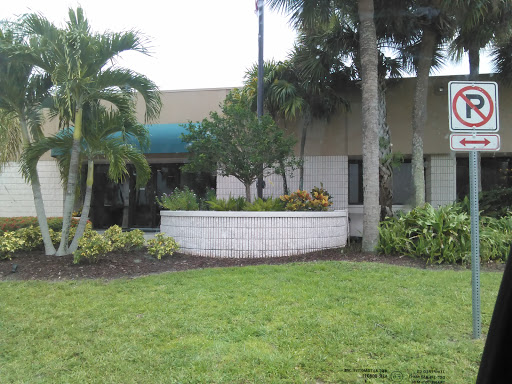
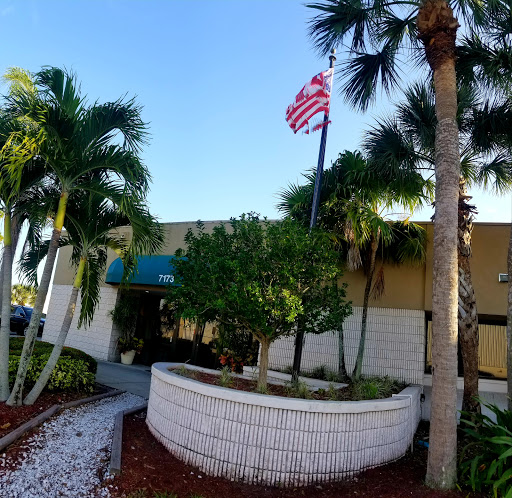
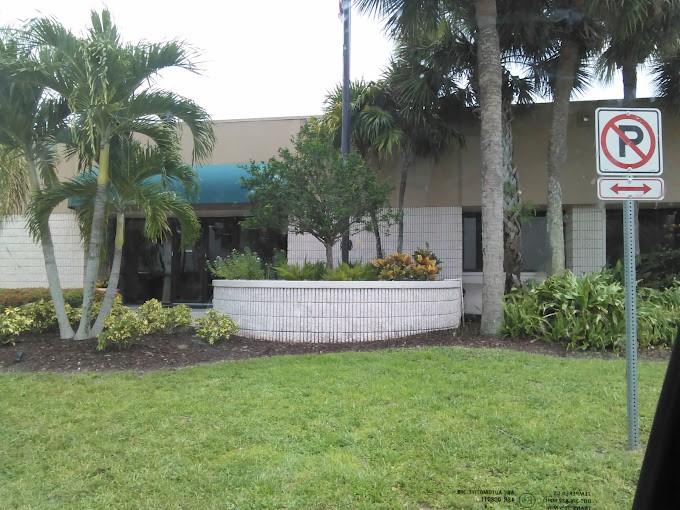
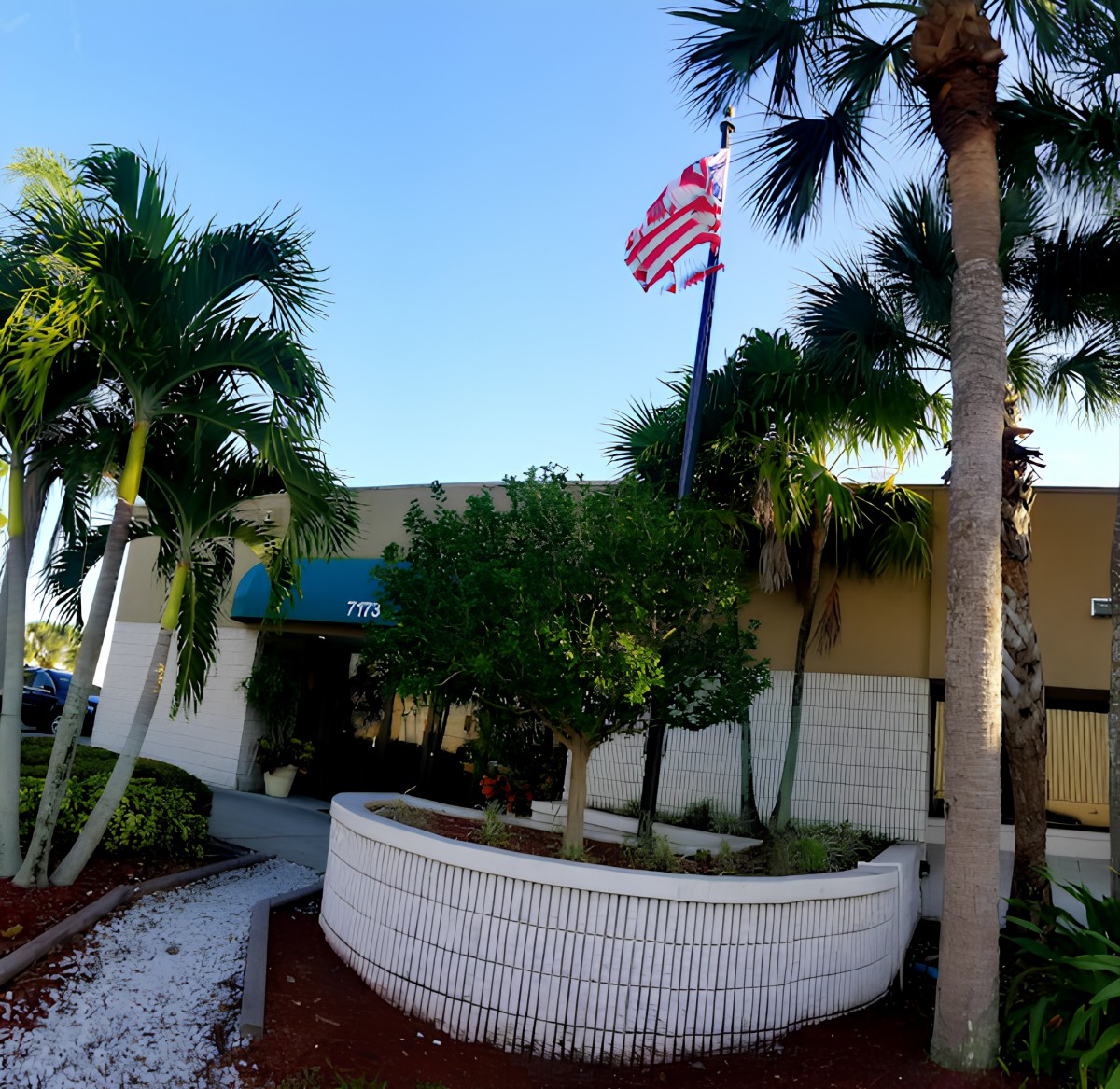
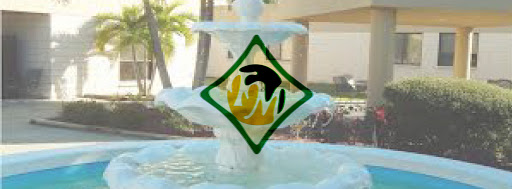
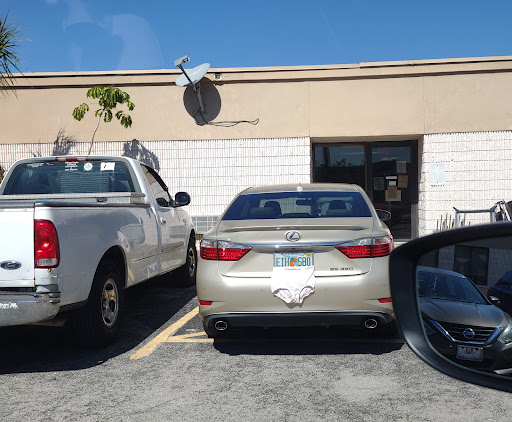
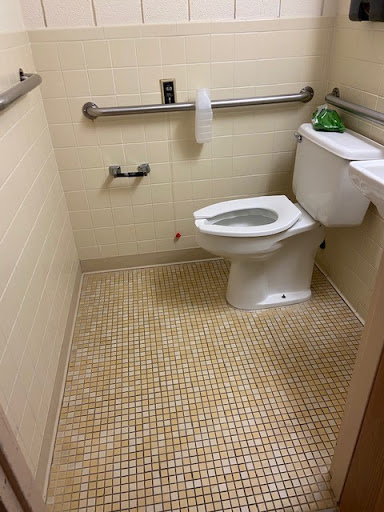
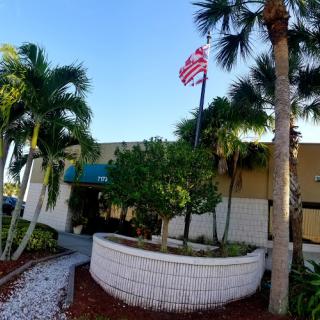
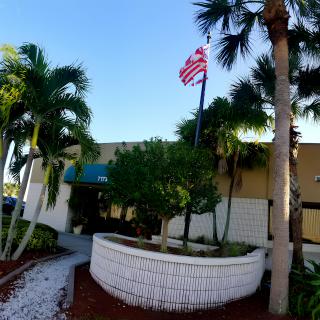
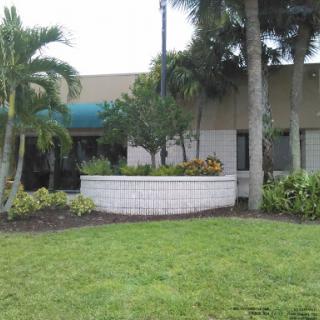
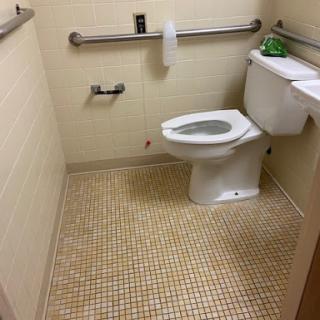
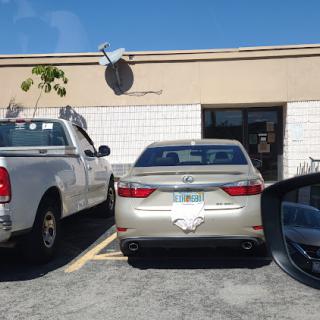
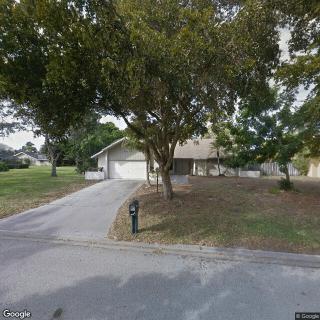
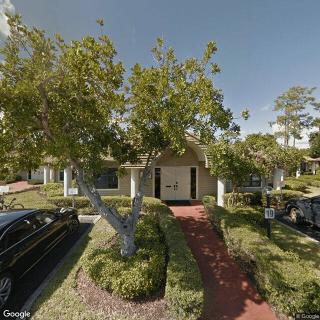
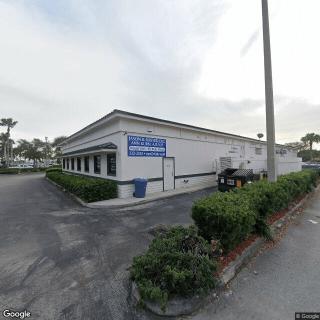
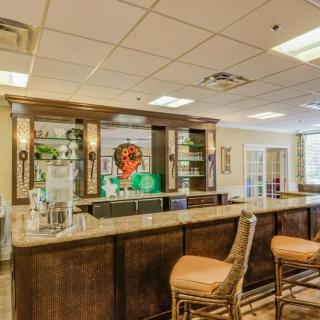
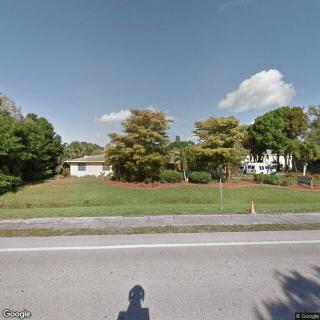
Fort Myers Rehabilitation And Nursing Center on seniors.fyi includes 7 photos including images showing building, landscaping, palm trees, outdoor, garden, flag, bathroom, architecture, and more.
Nearby Communities
Cypress Square
Fort Myers, FL
Specialized diabetic care and devotional services with meals provided.
Noble Senior Living at Fort Myers
Fort Myers, FL
4.9 from 110 reviews
$2,300 to $3,800 / month
Memory care focus with 24/7 staff and comprehensive support.
Millbrook Homes - Whiskey Creek
Fort Myers, FL
Memory care available; located near abundant Fort Myers amenities.
Sunbelt Home Health Care
Fort Myers, FL
5 from 4 reviews
Convenient Fort Myers location with nearby dining, pharmacies, doctors, and hospitals.
FirstLight HomeCare - Fort Myers, FL
Fort Myers, FL
5 from 6 reviews
Excellent access to nearby amenities and healthcare.
Maxim Healthcare
Fort Myers, FL
4.2 from 10 reviews
Excellent nearby access to healthcare, dining, parks, transportation, and entertainment.
Merrill Gardens At Barkley Place
Fort Myers, FL
4.5 from 103 reviews
$1,900 to $2,950 / month
Friendly, attentive staff and engaging activities.
Villa Palms Assisted Living
Fort Myers, FL
4.8 from 12 reviews
$2,400 to $2,600 / month
Friendly, caring staff in a small, personal setting.
The Palms Of Fort Myers
Fort Myers, FL
4.7 from 178 reviews
Clean, welcoming environment with friendly staff and an active community.
The guide on blood pressure charts for older adults stresses the importance of understanding normal and high blood pressure readings influenced by age, genetics, and lifestyle, while emphasizing regular monitoring and lifestyle modifications to prevent serious health issues. It provides insights into blood pressure categories, dietary recommendations, medication considerations, and the role of caregivers in supporting healthy habits.
The article explores the complexities of using Social Security to finance long-term nursing home care in the U.S., detailing eligibility requirements and misconceptions, while emphasizing that these benefits often do not cover full costs and highlighting the need for strategic financial planning and professional guidance.
Pneumonia significantly affects older adults due to weakened immune systems and atypical symptoms that complicate diagnosis, necessitating early detection and tailored treatment. Risk factors include chronic diseases and cognitive impairments, with preventive measures like vaccinations and healthy lifestyles being crucial for reducing risk.
Fort Myers Rehabilitation And Nursing Center photos
×
Building
Architecture
Landscaping
Garden
Outdoor
Bathroom
Parking
Landscaping and Palm Trees
Building
Architecture
Bathroom
Garden
Outdoor
Entrance
Exterior
Flag
Nature and Fountain
Parking
Get PricingAsk A QuestionSchedule A TourContact Senior Advisor
By clicking submit, you agree to our Partner's Terms of Use. You
also consent to receive calls and texts, which may be autodialed, from our Partner. Your consent is not a condition to
using our Partner's service. Please visit our Partner's Privacy Policy for information about their privacy practices.

 120 resident community capacity
 Skilled Nursing Facility
 Air-conditioning
 Beauty salon
 Cable or satellite TV
 Computer center
 Dining room
 Fitness room
 Fully furnished
 Gaming room
 Garden
 Housekeeping services
 Kitchenette
 Move-in coordination
 Outdoor space
 Private bathrooms
 Restaurant-style dining
 Small library
 Telephone
 Wellness center
 Wi-Fi/high-speed internet available
 Southwest Florida International (8 miles away)
 Community operated transportation
 12-16 hour nursing
 24-hour call system
 Activities of daily living assistance
 Assistance with bathing
 Assistance with dressing
 Assistance with transfers
 Diabetes diet
 Medication management
 Mental wellness program
 Special dietary restrictions
 Concierge services
 Planned day trips
 Specialized diabetic care and devotional services with meals provided.

 Comprehensive Guide to Blood Pressure Charts for Older Adults: Understanding Normal and High Readings by Age
 Financing Long-Term Nursing Home Care Through Social Security: A Thorough Exploration
 Essential Knowledge on Pneumonia in Older Adults