
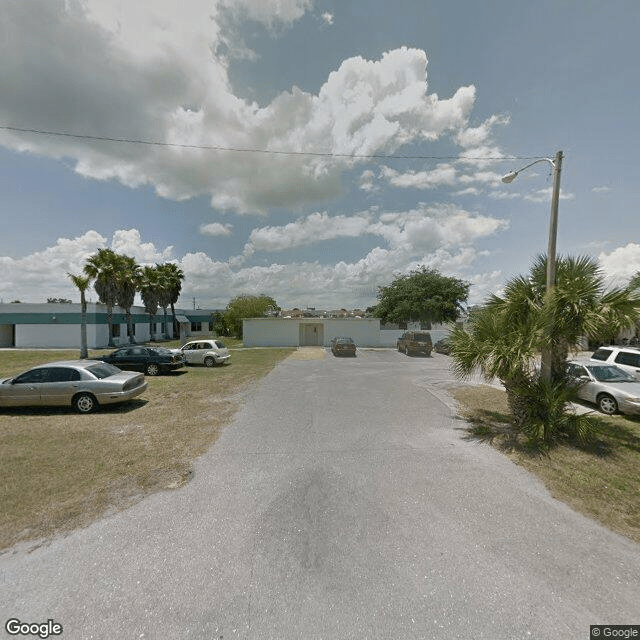
301 Gloria St, Clewiston, FL 33440
To contact a resident: (863) 983-5123
For more information about senior living options: (866) 208-4318
Overall Review of Palm Terrace of Clewiston
Pros
 The nurses and staff take good care of the residents.
- The residents are loved and cared for properly.
- The staff are energetic and very helpful.
- The food is cooked in-house.
- The place looks clean.
- The administrator is very nice.
- The staff are friendly, courteous, and conscientious toward residents.
- The meals look appetizing.
Cons
 There was nothing to like about Palm Terrace of Clewiston.
- The facility had an odor.
- The staff did not go above and beyond.
- There were no amenities.
- It wasn't very pretty.
- There was nobody who stood out.
- The people did not seem to be enjoying their jobs.
- The staff seemed underwhelming.
- The place smelled of urine.
- The visiting room was outdated.
- The bedroom had bugs and smelled.
- The staff appeared to be working only for a paycheck.
Review
Palm Terrace of Clewiston is best suited for families anchored in Clewiston who want a budget-conscious option with easy in-and-out visits. The community can work for residents with moderate care needs who rely on caregiving teams more than on resort-like amenities. When staff are engaged, residents report real warmth and attentive care, and meals cooked in-house can simplify daily routines. The environment, however, is plainly old-school and lacks the polish of newer facilities. Families should approach with realistic expectations: a clean but plain setting where daily life hinges on the reliability and demeanor of the caregiving staff rather than on upscale features.
Those who may want to consider alternatives include families seeking highly proactive communication and consistent responsiveness, or residents who require around-the-clock supervision and a robust enrichment program. Reviews repeatedly flag maintenance gaps, cleanliness in private spaces, and a limited activity slate, suggesting a facility where morale and staffing consistency drive much of the resident experience. For memory-care needs, high medical oversight, or a strong emphasis on social programming, Palm Terrace may fall short. Financial or operational stability also matters; signs of instability can compound daily uncertainties and risk over time.
On the upside, several accounts describe caregivers who truly take good care of residents, with energy and attentiveness that can mitigate rougher surroundings. In-house cooking is a practical perk, and when meals are appetizing, nutrition and routine become easier to sustain for residents who are sensitive to food quality. Proximity to a hospital adds a tangible convenience for families seeking ready access to medical services or easy on-site coordination with clinicians. These caregiving strengths can anchor a reasonable, dignified living arrangement if expectations are aligned with what the facility can reliably deliver.
The cons carry undeniable weight. Persistent odors, reports of urine smells in hallways, and occasional pests undermine comfort and dignity. Understaffing and perceptions of rude or inattentive interactions erode trust and heighten daily stress. A sparse activities calendar, limited opportunities for meaningful engagement, and low staff morale translate into a quieter, less stimulating environment, especially challenging for residents who thrive on routine and social contact. Adding to the risk, chatter about bankruptcy or financial instability introduces a quality-of-care uncertainty that families must weigh against affordability. Taken together, these factors often overwhelm the appeal of the setting for anyone with higher care or engagement expectations.
Families evaluating Palm Terrace should verify current staffing levels, seek a clear understanding of how shifts are covered, and request a realistic view of day-to-day operations. It’s essential to tour during peak activity periods to observe odor, cleanliness, and how staff interact with residents across routine tasks. Compare with nearby options that offer stronger enrichment calendars, better-maintained rooms, more transparent communication, and firmer assurances around continuity of care. If budget constraints and proximity are non-negotiable, insist on a detailed service plan with measurable expectations and a formal trial period to prevent drift.
Bottom line: Palm Terrace serves as a feasible choice for families willing to accept a basic, no-frills environment with dependable caregiving when staff are present, coupled with proximity advantages. For most families seeking predictable, comprehensive care, or who prize cleanliness, consistent communication, and an engaging social milieu, exploring alternatives is prudent. Approach the decision with a practical checklist: current resident satisfaction by shift, staffing consistency, maintenance responsiveness, food quality, activity offerings, and the facility’s financial health, then choose the option that best aligns with the loved one’s needs and the family’s ability to manage risk.
 Skilled Nursing Facility

 Top Canine Companions for Older Adults
 Comprehensive Guide to Blood Pressure Charts for Older Adults: Understanding Normal and High Readings by Age
 Financing Long-Term Nursing Home Care Through Social Security: A Thorough Exploration