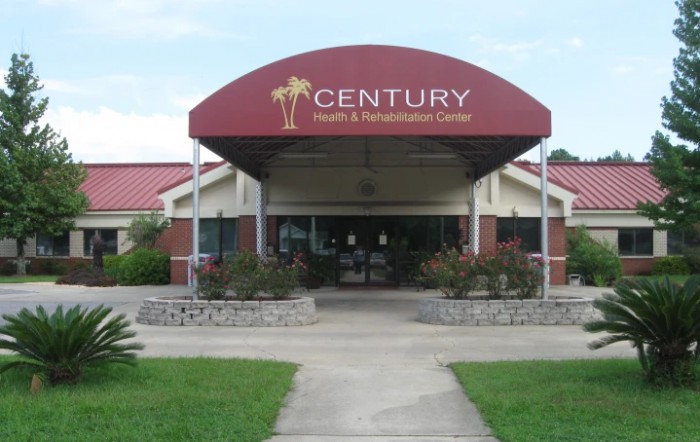
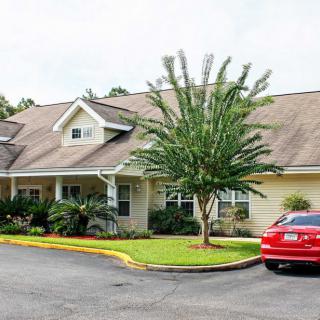
Century Health And Rehabilitation Center

Save

Century Health And Rehabilitation Center

6020 Industrial Boulevard, Century, FL 32535

For more information about senior living options: (844) 490-3973

4.1 from 34 reviews
5 stars
24
4 stars
2
3 stars
1
2 stars
0
1 stars
7

Skilled Nursing Facility

Century Health And Rehabilitation Center Costs & Pricing

Century Health and Rehabilitation Center offers private rooms at a cost of $4,400 per month, which is notably competitive compared to both Escambia County and the broader state of Florida. Within Escambia County, the average cost for similar private accommodations is $4,881, reflecting a slight premium over what Century provides. In contrast, across the state of Florida, the average monthly rate for private rooms dips to $3,699, indicating that while Century's pricing aligns more closely with local county costs, it remains higher than the statewide average. This positioning suggests that Century may offer specific amenities or care services that justify their rates within the regional market.

Floor plansCentury Health And Rehabilitation CenterEscambia CountyFlorida
Private$4,400$4,881$3,699

Overall Review of Century Health And Rehabilitation Center

Pros

  • pro The staff are very friendly.
  • pro The facility is very clean.
  • pro The staff socialize with residents in the day room.
  • pro The reviewer would recommend the facility to others.
  • pro The environment is clean and nice with friendly staff.
  • pro The place has great people and a great work environment.
  • pro The staff are great to work with and care about the residents.
  • pro It is an awesome place for a loved one to heal.
  • pro The facility is welcoming with a home-like environment and helpful staff.
  • pro The administrator goes above and beyond to ensure residents and families are happy.

Cons

  • pro The staff allegedly gave ham to a patient who was on a liquid diet, causing lung aspiration, and the head nurse laughed when questioned.
  • pro The reviewers state the facility does not care about residents, with nurses described as lazy and patients left suffering.
  • pro A family member's belongings reportedly disappeared and he was left in bed all day, with legs wrapped tightly enough to cut off circulation.
  • pro They note there is no doctor available to check residents despite illness.
  • pro The kitchen is described as unable to provide meals appropriate for residents' conditions, with pork served daily despite dietary restrictions, and armed guards watching pain meds; a resident screams from improper dosing.
  • pro The facility is not secure: only one door locks automatically, others do not, and there are claims about keys or alarms being disabled; intake paperwork took weeks.
  • pro Catheterization was performed against hospital guidance, with multiple catheter changes in a short period, resulting in injury and poor biohazard cleanup.
  • pro Residents can leave the facility unsupervised; the building allows outsiders to enter without checks.
  • pro Staff are blamed for falls, bed alarms are not used, safety rounds are inconsistent, aides are poorly trained, and management is described as inadequate.

Review

The collection of reviews paints a picture of a facility that elicits wildly different experiences from families and residents. On one end, several reviewers praise cleanliness, a home-like atmosphere, and exceptionally caring staff. They describe a bright, tidy environment where employees are friendly, supportive, and attentive to residents' needs. Some notes highlight a strong sense of family involvement, good communication with families, and a management team that goes out of its way to keep residents comfortable and satisfied. In these remarks, the place is described as spotless, well-maintained, and a solid choice for loved ones who want a nurturing setting, with phrases like "very clean environment," "great staff," "excellent customer service," and "home-like environment" recurring throughout.

However, a substantial portion of the comments leans starkly negative, focusing on serious concerns about safety, medical oversight, dignity, and overall quality of care. One thread recounts a dementia patient being served ham on a strict liquid-diet regimen, which led to lung aspiration, followed by a nurse's dismissive reaction when confronted about the incident. Another reviewer laments that a family member died or was left in distress after experiences that included delays in doctor visits, lack of timely medical attention, and a perception that staff were indifferent or disengaged. These accounts frequently include accusations of neglect, unresponsiveness, and a lack of basic safety measures - such as alarms not being used appropriately, doors that should be secure not being reliably secured, and residents left unattended or inadequately supervised.

Security and procedural failures surface repeatedly in the negative narratives. There are claims that secure-entry protocols were not consistently in place, with references to doors that lock sporadically and alarms that were either disabled or not properly monitored. A number of reviews describe invasive medical practices performed without clear justification or proper orders, multiple catheter changes, and blood on floors or in trashcans that suggest lapses in housekeeping and biohazard handling. The sentiment in these reviews is that such issues point to a facility-wide lack of appropriate oversight and proper medical judgment, with families feeling that their loved ones were exposed to unnecessary risk and discomfort.

The negative experiences also extend to day-to-day care and daily living activities. Several accounts describe long waits for basic assistance - getting help to the bathroom, having basic hygiene needs tended to, or receiving assistance with meals. There are complaints about the pace of care, with some residents left waiting far longer than acceptable, and about aides who appear poorly trained or inconsistent in assisting patients with eating and feeding. In one particularly vivid set of details, a reviewer describes frustration with a hospital-to-rehab transfer that devolved into several basic comfort failures, from a lack of appropriate equipment to difficulty obtaining essential items like a recliner, and a general sense that the facility did not prioritize patient comfort or timely discharge planning.

Yet another thread in the reviews centers on the emotional toll and the perception of compassion or its absence. Several reviewers describe "compassion lacking," insufficient rounds by charge nurses, and a sense that staff may be overwhelmed or inadequately supervised. These observations underscore a common concern: that even when staff members are capable, the facility's management and structure may fail to ensure consistent, high-quality care for vulnerable residents, particularly those with dementia or complex medical needs. The repeated emphasis is that while a subset of staff members shows genuine care, the environment as a whole can feel unsafe or unresponsive to urgent needs, leaving families worried about long-term outcomes.

Amidst the negative experiences, the reviews also reveal a parallel thread of genuine praise for the same facility in other contexts. Some reviewers commend the organization's leadership, noting that administrators go "above and beyond" to engage with residents and families, and that teamwork and a sense of community are strong in certain wings or shifts. Positive comments highlight the facility's cleanliness, the warmth of the environment, and the sense that residents are valued and treated with respect. A number of statements describe employees who are enthusiastic about their work, expressing pride in their roles and in contributing to residents' well-being. Several reviewers even establish a sense of loyalty, describing it as a place where they would want their own loved ones to receive care under the right circumstances.

Taken together, these reviews illustrate a facility with notable strengths in some areas - cleanliness, a welcoming, family-centric atmosphere, and staff who are kind, dedicated, and motivated - yet plagued by serious concerns in other areas - inconsistent medical oversight, safety protocol gaps, and reports of neglect or distressing experiences for residents with dementia or complex medical needs. The contrast is pronounced enough that readers would be right to approach the facility with caution, to seek out multiple perspectives, and to conduct thorough, in-person due diligence before making any decisions. Prospective families are encouraged to ask pointed questions about medical coverage, safety procedures, staffing levels, and how the facility handles emergencies, as well as to arrange in-person visits to observe how staff interact with residents and how quickly care is delivered in real-world scenarios.

In summary, the facility emerges as a place with dual identities: it can be a clean, welcoming, and supportive environment where families feel confident in the care their loved ones receive, and it can also be a site of significant concerns related to medical oversight, safety, and compassionate care. The most prudent takeaway is to recognize both narratives as part of a broader reality, and to corroborate them with firsthand visits, conversations with current residents and their families, and a careful review of the facility's policies, staffing patterns, and recent inspection findings.

Features

Housing

  • 88 resident community capacity 88 resident community capacity

Types of Care

  • Skilled Nursing Facility Skilled Nursing FacilitySkilled Nursing Facilities are crucial for seniors as they provide round-the-clock medical care, rehabilitation services, and assistance with daily activities. These facilities ensure that seniors receive the specialized care they need to maintain their health and well-being as they age.

Amenities

  • Air-conditioning Air-conditioningAir conditioning is important for seniors as they are more vulnerable to heat-related illnesses and may have underlying health conditions that make it difficult for them to regulate their body temperature. It helps to keep them comfortable, safe, and healthy in hot weather.
  • Beauty salon Beauty salonBeauty salons are important for seniors because they provide a space for them to feel pampered, socialize, and maintain their personal grooming and hygiene. Regular visits to a beauty salon can help boost seniors' self-esteem and overall well-being.
  • Cable or satellite TV Cable or satellite TVCable or satellite TV is important for seniors because it provides entertainment, news, and companionship, helping to combat loneliness and boredom. It also offers a wide range of programming options tailored to different interests and preferences.
  • Computer center Computer centerA computer center is essential for seniors as it provides access to technology, communication tools, and resources that can enhance their daily lives. It allows them to stay connected with loved ones, engage in online activities, and learn new skills, ultimately promoting socialization and mental stimulation.
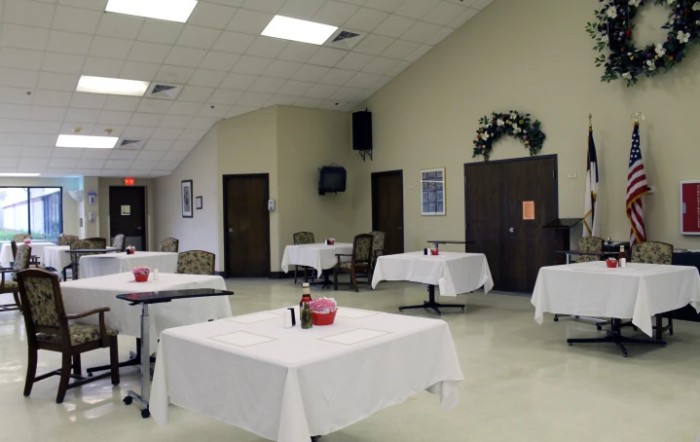
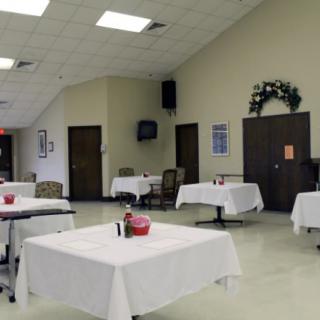
  • Dining room Dining roomDining rooms are important for seniors as they provide a space for socialization, connection, and nutritious meals. They offer opportunities for residents to bond over shared meals, foster a sense of community, and promote healthy eating habits. Dining rooms also ensure that seniors have access to well-balanced meals tailored to their dietary needs and preferences.
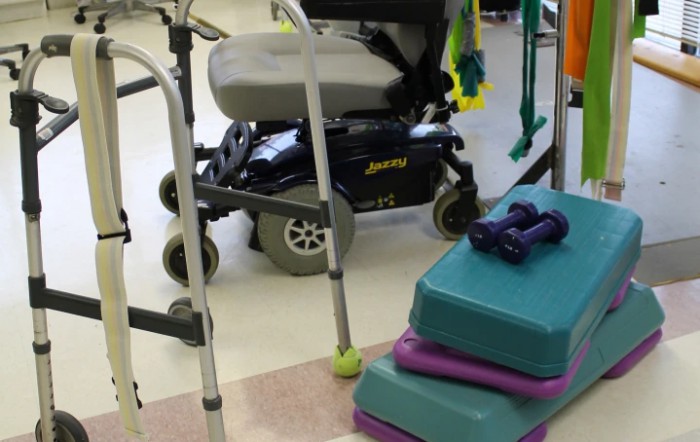
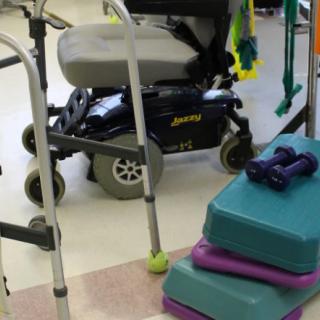
  • Fitness room Fitness roomHaving a fitness room in a senior living community is essential for seniors to stay active, maintain their physical health, and improve their overall well-being. Regular exercise can help prevent falls, reduce the risk of chronic diseases, and promote mental sharpness. It also provides social opportunities for residents to connect with others and enjoy a sense of community.
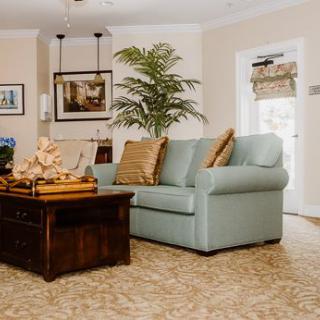
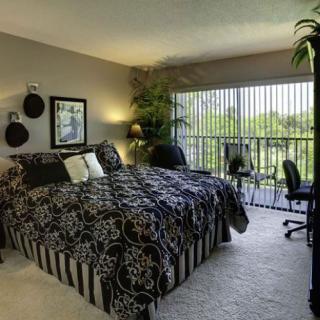
  • Fully furnished Fully furnishedFully furnished senior living communities are important for seniors because they provide convenience, comfort, and a hassle-free moving experience. Seniors can easily settle into their new living space without the stress of having to buy and move furniture. This allows them to focus on enjoying their new home and community.
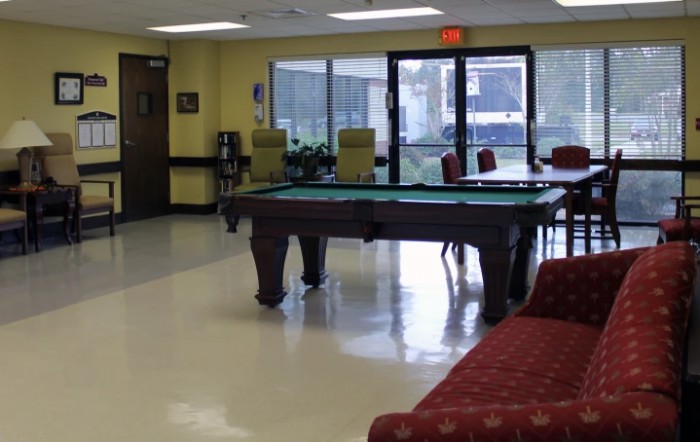
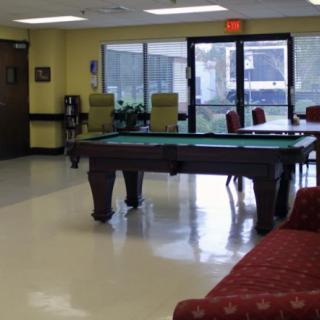
  • Gaming room Gaming roomGaming rooms are important for seniors as they provide a fun and engaging environment for socializing, cognitive stimulation, and physical activity. Games can improve memory, problem-solving skills, and overall mental well-being while fostering friendships and reducing feelings of isolation.
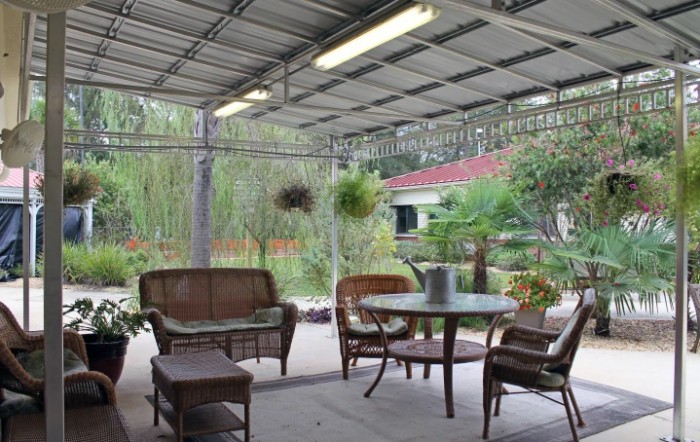
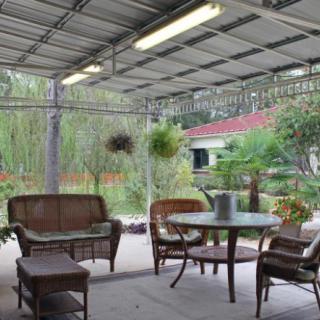
  • Garden GardenGardens are important for seniors as they provide a peaceful and therapeutic environment for relaxation, physical activity, and socialization. Being in nature has been shown to reduce stress, improve mood, and promote overall well-being. Gardens also offer opportunities for seniors to engage in gardening activities, which can improve mobility, flexibility, and cognitive function. Additionally, gardens create a sense of community and connection with others who share a passion for plants and outdoor spaces.
  • Housekeeping services Housekeeping servicesHousekeeping services are important for seniors because they help maintain a clean and safe living environment, promote independence, and reduce the risk of accidents or illnesses. Additionally, having assistance with household chores can alleviate physical strain and allow seniors to focus on other aspects of their well-being.
  • Kitchenette KitchenetteKitchenettes are important for seniors living in senior living communities because they provide the convenience and independence of being able to prepare simple meals and snacks in the comfort of their own living space. This can help promote a sense of autonomy and well-being for seniors, allowing them to maintain some level of control over their dietary choices and daily routines.
  • Move-in coordination Move-in coordinationMove-in coordination is important for seniors because it helps ease the transition into their new living environment. It ensures that all logistics, such as packing, organizing movers, and setting up utilities are taken care of, allowing seniors to focus on settling in and adjusting to their new home. Having a smooth move-in process can alleviate stress and anxiety, making the transition smoother and more enjoyable for seniors.
  • Outdoor space Outdoor spaceOutdoor spaces are important for seniors as they provide opportunities for physical activity, social interaction, exposure to natural light and fresh air, and a sense of connection to nature. Having access to outdoor spaces can improve overall well-being and quality of life for older adults living in senior communities.
  • Private bathrooms Private bathroomsPrivate bathrooms are important for seniors in senior living communities because they provide independence, dignity, and comfort. Having a private bathroom allows seniors to maintain their personal hygiene routines without the need for assistance, promoting a sense of autonomy and privacy. Additionally, private bathrooms help prevent the spread of infections and provide a safe and clean environment for seniors to navigate safely.
  • Restaurant-style dining Restaurant-style diningRestaurant-style dining is important for seniors because it allows them to enjoy delicious, nutritious meals in a social and upscale setting. This enhances their dining experience, promotes healthy eating habits, and fosters socialization with fellow residents, ultimately contributing to their overall well-being and quality of life.
  • Small library Small librarySmall libraries are important for seniors as they provide access to a variety of reading materials, including books, newspapers, and magazines. This can help stimulate their minds, keep them engaged, and provide a sense of community through book clubs and other social activities. Additionally, reading has been shown to improve cognitive function and overall mental well-being in older adults.
  • Telephone TelephoneTelephones are important for seniors as they provide a lifeline for communication with loved ones, emergency services, and healthcare providers. They offer a sense of security and independence, enabling seniors to stay connected and access assistance when needed.
  • Wellness center Wellness centerWellness centers are important for seniors because they offer a variety of programs and services that promote physical, mental, and emotional well-being. These centers provide opportunities for exercise, socialization, education, and relaxation, helping seniors maintain their overall health and quality of life.
  • Wi-Fi/high-speed internet available Wi-Fi/high-speed internet availableWi-Fi/high-speed internet is important for seniors to stay connected with loved ones, access online resources, and participate in virtual activities to combat feelings of loneliness and isolation. It also allows them to easily manage healthcare needs, access entertainment, and engage in lifelong learning opportunities.

Transportation

  • Community operated transportation Community operated transportationCommunity operated transportation is crucial for seniors as it provides them with the means to access essential services, social activities, and medical appointments. It allows seniors to maintain their independence and quality of life by ensuring they can participate in activities outside of their homes. Additionally, community-operated transportation services offer a safe and reliable way for seniors to travel without having to rely on family or friends for assistance.
  • Transportation arrangement Transportation arrangementTransportation arrangements are crucial for seniors as they may face challenges with driving, mobility, or access to public transportation. Having reliable transportation services ensures that seniors can easily attend appointments, social activities, and maintain their independence and quality of life.
  • Transportation arrangement (non-medical) Transportation arrangement (non-medical)Transportation arrangements are essential for seniors as they provide access to essential services, activities, and social interactions outside the home. This service helps maintain independence, mobility, and overall well-being for seniors who may have limited transportation options.
  • Transportation to doctors appointments Transportation to doctors appointmentsTransportation to doctors appointments is crucial for seniors as it ensures they have access to necessary medical care and support, promoting their health and well-being. It allows them to receive timely treatment, monitor existing conditions, and address any new health concerns efficiently. Additionally, transportation services can help seniors maintain their independence and quality of life by enabling them to stay connected with their healthcare providers.

Care Services

  • 12-16 hour nursing 12-16 hour nursing12-16 hour nursing care is crucial for seniors in order to ensure around-the-clock monitoring, timely medication administration, and prompt response to any health concerns or emergencies. This level of care helps to promote the overall well-being and safety of seniors living in senior living communities.
  • 24-hour call system 24-hour call system24-hour call systems are important for seniors because they provide peace of mind and immediate assistance in case of emergencies. This technology ensures that help is always available, promoting safety and security for elderly individuals living alone or in assisted living facilities.
  • 24-hour supervision 24-hour supervision24-hour supervision is important for seniors to ensure their safety, well-being, and access to immediate assistance in case of emergencies or health issues. This constant support provides peace of mind for both seniors and their loved ones, allowing them to age in place with dignity and security.
  • Activities of daily living assistance Activities of daily living assistanceActivities of daily living assistance are important for seniors because they provide essential support with tasks such as eating, bathing, dressing, and mobility. This assistance helps seniors maintain their independence, dignity, and overall quality of life as they age.
  • Assistance with bathing Assistance with bathingAssistance with bathing is crucial for seniors as it helps maintain personal hygiene, prevents infections, and ensures their overall well-being and comfort. It also provides a sense of dignity and independence for seniors who may struggle with this task on their own.
  • Assistance with dressing Assistance with dressingAssistance with dressing is important for seniors because it helps maintain their independence, promotes personal hygiene, prevents accidents and injuries, and improves overall quality of life. This service ensures that seniors can continue to dress comfortably and confidently, despite any physical limitations they may have.
  • Assistance with transfers Assistance with transfersAssistance with transfers is crucial for seniors as it helps prevent falls and injuries, maintains their independence, and ensures they can safely navigate their living environment. It also provides peace of mind for both seniors and their loved ones.
  • Diabetes diet Diabetes dietA diabetes diet is crucial for seniors as it helps manage blood sugar levels, reduce risks of complications, and improve overall health and well-being. By following a balanced and nutritious diet tailored to their specific needs, seniors can better control their diabetes and enhance their quality of life.
  • Meal preparation and service Meal preparation and serviceMeal preparation and service are crucial for seniors as they may have limited mobility or energy to cook nutritious meals. Having access to healthy and convenient food options can ensure they are getting the proper nutrition needed to maintain their overall health and well-being.
  • Medication management Medication managementMedication management is crucial for seniors to ensure they are taking the right medications at the correct dosages and times. This helps prevent adverse drug interactions, reduces the risk of medication errors, and promotes overall health and well-being. Proactive management also allows for adjustments as needed based on changing health conditions or new prescriptions.
  • Mental wellness program Mental wellness programMental wellness programs are essential for seniors as they promote cognitive stimulation, emotional support, and social engagement. These programs help prevent isolation, depression, and cognitive decline, ultimately enhancing the overall quality of life for older adults.
  • Special dietary restrictions Special dietary restrictionsSpecial dietary restrictions are important for seniors because age-related changes in metabolism and health conditions can make it difficult for their bodies to process certain foods. By following a diet tailored to their specific needs, seniors can maintain their overall health and well-being, manage chronic conditions, and reduce the risk of complications such as malnutrition or food interactions with medications.

Dining

  • Diabetes diet Diabetes dietA diabetes diet is crucial for seniors as it helps manage blood sugar levels, reduce risks of complications, and improve overall health and well-being. By following a balanced and nutritious diet tailored to their specific needs, seniors can better control their diabetes and enhance their quality of life.
  • Special dietary restrictions Special dietary restrictionsSpecial dietary restrictions are important for seniors because age-related changes in metabolism and health conditions can make it difficult for their bodies to process certain foods. By following a diet tailored to their specific needs, seniors can maintain their overall health and well-being, manage chronic conditions, and reduce the risk of complications such as malnutrition or food interactions with medications.

Activities

  • Community-sponsored activities Community-sponsored activitiesCommunity-sponsored activities are important for seniors as they provide opportunities for social interaction, mental stimulation, and physical activity. These activities can help improve overall well-being, combat loneliness and isolation, and promote a sense of belonging and purpose among older adults.
  • Concierge services Concierge servicesConcierge services are essential for seniors as they provide assistance with daily tasks and errands, enhance their quality of life by offering convenience and personalized care, and promote a sense of safety and security.
  • Fitness programs Fitness programsFitness programs are crucial for seniors as they help improve strength, flexibility, balance, and overall well-being. Staying active can reduce the risk of chronic diseases, improve mental health, and enhance quality of life in older adults.
  • Planned day trips Planned day tripsPlanned day trips are important for seniors because they offer opportunities for socialization, mental stimulation, and physical activity. They provide a change of scenery and help seniors stay engaged and connected to their community, promoting overall well-being and quality of life.
  • Resident-run activities Resident-run activitiesResident-run activities are important for seniors as they encourage social interaction, creativity, and a sense of autonomy. These activities empower seniors to stay engaged and active in their community while fostering meaningful connections with their peers.
  • Scheduled daily activities Scheduled daily activitiesScheduled daily activities are important for seniors because they provide structure, socialization, mental stimulation, and physical activity. Engaging in regular activities can improve overall well-being and quality of life for seniors living in a community setting.

Description

The Century Health And Rehabilitation Center is a comprehensive assisted living community located in Century, FL. Designed to provide exceptional care and support for seniors, this facility offers a wide range of amenities and services to enhance the quality of life for its residents.

Residents at Century Health And Rehabilitation Center can enjoy the convenience of on-site beauty salon services, ensuring that they always look and feel their best. They can also relax in their fully furnished living spaces equipped with cable or satellite TV for entertainment.

This community also provides community-operated transportation, making it easy for residents to access nearby amenities and services. A computer center is available for those who want to stay connected with loved ones or engage in online activities. Housekeeping services are provided to maintain a clean and comfortable environment.

For dining, residents can indulge in restaurant-style meals served in a pleasant dining room atmosphere. Special dietary restrictions are accommodated, including diabetes diets. Meal preparation and service are taken care of by the staff, relieving residents of any cooking responsibilities.

To promote physical well-being, Century Health And Rehabilitation Center features a fitness room and outdoor spaces where residents can engage in exercise or enjoy some fresh air. A wellness center is also available to support overall health.

Engaging activities are offered daily, ranging from fitness programs to planned day trips. Residents can participate in resident-run activities or join scheduled daily activities that cater to their interests and preferences. Concierge services are also provided for added convenience.

In terms of care services, Century Health And Rehabilitation Center ensures round-the-clock supervision and assistance with daily tasks such as bathing, dressing, and transfers. Medication management is handled by qualified staff members, ensuring that residents receive their medications according to their prescribed schedule.

Mental wellness programs are available to support emotional well-being among residents. Transportation arrangements are made not only for non-medical purposes but also for doctor's appointments when needed.

Surrounding the community are various amenities including cafes, parks, pharmacies, restaurants, and places of worship. This allows residents to easily access necessary services and establishments within the nearby area.

With its comprehensive amenities, compassionate care services, and convenient location, Century Health And Rehabilitation Center offers a warm and inviting environment for seniors seeking assisted living in Century, FL.

Nearby Places of Interest

Physicians

  • Lakeview Center (0.1 miles)
  • Renal Care Group of Century (0.1 miles)
  • Century Medical Center (1.2 miles)
  • Jay Medical Center (7.4 miles)
  • Durand-Mitchell Priscilla (12.7 miles)
  • Bruley Brian Ach Medplus (12.7 miles)

Places of Worship

  • Antioch Apostolic Ministries (0.2 miles)
  • My Fathers Vineyard North (0.5 miles)
  • Century United Methodist Church (0.9 miles)
  • Southern Baptist Convention (1 miles)
  • First Baptist Church (1 miles)
  • Century Church of Christ (1.5 miles)
  • Flomaton United Methodist Church (2.3 miles)

Restaurants

  • Krispy Krunchy Chicken (0.9 miles)
  • Whataburger (1.1 miles)
  • Sandwich Deli (1.3 miles)
  • Odom's Bar & Package (2 miles)
  • Willards (2.2 miles)
  • Subway (2.4 miles)
  • Pizza Hut (2.6 miles)

Parks

  • Showalter Park Century (1 miles)
  • Travis Nelson Park (8.5 miles)
  • Tom Bryne Park (12.6 miles)

Pharmacies

  • CVS Pharmacy (1.1 miles)
  • Flomaton Pharmacy (3.8 miles)
  • Sheppard Apothecary (7.1 miles)
  • Dura-Med Pharmacy & Soda Shop (7.3 miles)
  • Jay Pharmacy (7.4 miles)
  • Buy-Rite Drugs (12.8 miles)
  • Fred's Pharmacy (13.2 miles)

Transportation

  • CSX Technology (2.2 miles)
  • Cooper's Taxidermy (10.3 miles)
  • U-Haul (12.4 miles)
  • Enterprise Rent-A-Car (12.4 miles)
  • Alamo (12.4 miles)
  • U-Haul (13.2 miles)

Cafes

  • American Coffee House & Company (3.3 miles)
  • The Coffee House (13.7 miles)
  • Anchor Cafe (13.7 miles)

Hospitals

  • Medical Center Clinic (7.4 miles)
  • Jay Hospital (7.4 miles)
  • Ach Family Physicians (12.8 miles)

Frequently Asked Questions

How much does it cost to live at Century Health And Rehabilitation Center in Century, FL?
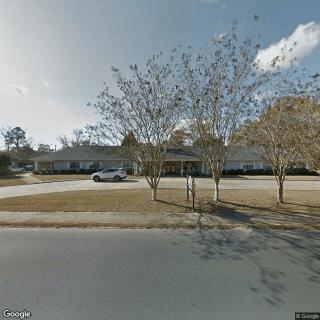
Where is Century Health And Rehabilitation Center?
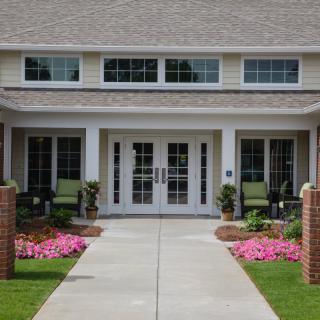
What photos are available for Century Health And Rehabilitation Center in Century, Florida?

Nearby Communities

Skilled Nursing Facility in Nearby Cities

Related Resources

  • elderly blood pressure chartComprehensive Guide to Blood Pressure Charts for Older Adults: Understanding Normal and High Readings by Age

    The guide on blood pressure charts for older adults stresses the importance of understanding normal and high blood pressure readings influenced by age, genetics, and lifestyle, while emphasizing regular monitoring and lifestyle modifications to prevent serious health issues. It provides insights into blood pressure categories, dietary recommendations, medication considerations, and the role of caregivers in supporting healthy habits.

  • how to pay for nursing home care with social securityFinancing Long-Term Nursing Home Care Through Social Security: A Thorough Exploration

    The article explores the complexities of using Social Security to finance long-term nursing home care in the U.S., detailing eligibility requirements and misconceptions, while emphasizing that these benefits often do not cover full costs and highlighting the need for strategic financial planning and professional guidance.

  • pneumonia in elderlyEssential Knowledge on Pneumonia in Older Adults
    Pneumonia significantly affects older adults due to weakened immune systems and atypical symptoms that complicate diagnosis, necessitating early detection and tailored treatment. Risk factors include chronic diseases and cognitive impairments, with preventive measures like vaccinations and healthy lifestyles being crucial for reducing risk.