Atmore Nursing Center

Save

Atmore Nursing Center

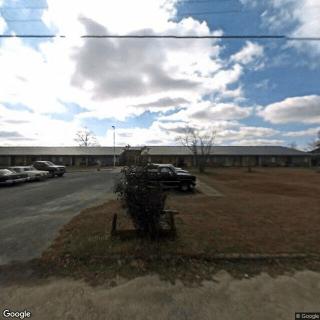
715 East Laurel Street, Atmore, AL 36502

For more information about senior living options: (844) 490-3973

3.9 from 9 reviews
5 stars
6
4 stars
0
3 stars
1
2 stars
0
1 stars
2

Skilled Nursing Facility

Overall Review of Atmore Nursing Center

Pros

  • pro Dennis and Robby were extremely helpful when moving the reviewer's father to memory care.
  • pro The nurses in the memory ward are absolutely wonderful.
  • pro The nurses are genuinely kind and care for their residents.
  • pro The reviewer's father has not asked to leave, which speaks volumes about the care.
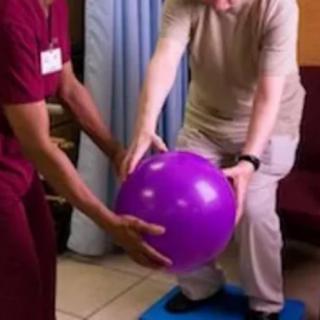
  • pro The staff was very nice and provided very helpful speech and physical therapy.
  • pro The reviewer's mother received very helpful speech and physical therapy, aiding her rehab and return home.

Cons

  • pro Some of the nurses were among the most uncaring people the reviewer had ever met.
  • pro The staff were described as very unprofessional and lazy.
  • pro The reviewer witnessed a patient out of bed, rolling around in her own fecal matter, while four staff members stood in the doorway laughing.
  • pro The reviewer called the facility a zoo and said they would not let their dog stay there.
  • pro There were obstructions in hallways and emergency exits due to wheelchairs and lifts, hindering timely evacuation.
  • pro The reviewer noted that staff did not monitor a patient who could get out of bed, suggesting inadequate supervision.

Review

The notes about Atmore Nursing Center reveal a wide range of experiences, with many families expressing gratitude for the care their loved ones received, alongside others raising serious concerns about professionalism and safety. Across the board, there is a sense that the staff can be caring and effective, especially in specific units like memory care, rehab, and therapy, but the overall picture is uneven, leaving some families confident in the facility and others alarmed by what they witnessed or suspect. Several reviews highlight a strong sense of relief and appreciation for the people who were directly responsible for day-to-day care. One reviewer says the staff are "awesome" and notes that they were particularly helpful when assisting with a brother-in-law, asking to be kept informed about his status, and suggesting a quarterly meeting to stay updated. This comment captures a common theme: when staff communicate clearly and demonstrate attentiveness, families feel supported and connected to their loved ones' progress. The sentiment is echoed by others who stress the importance of ongoing updates and proactive communication as part of a positive care experience. Memory care stands out as a bright spot in many accounts. Dennis and Robby are singled out as especially helpful during the transition to memory care for a loved one. The memory ward is described as populated by nurses who are "absolutely wonderful" and genuinely caring for residents. The reviewers emphasize that the kindness and commitment of the staff feel authentic - viewed not as merely a paycheck but as a true calling. The impression is reinforced by the outcome: one father has not asked to leave, which the reviewer interprets as a meaningful sign of comfort and stability. These positive memories highlight how a skilled, compassionate team in memory care can markedly improve a family's sense of security during a challenging transition. Beyond memory care, some reviewers report that the center can work well for those who need it, provided that families remain engaged. The message to others is practical and hopeful: it will work if you need it to work, but you should check on the facility often. This recommendation captures a pragmatic approach - visiting, asking questions, and watching closely for consistency in daily routines and responsiveness. It suggests that the care experience can be steady and effective when families stay involved and attentive to how their loved ones are treated on a regular basis. Other accounts center on the experiences of relatives whose loved ones received care while hospitalized or in rehab. One reviewer describes a mom who spent seven days at the center for IV antibiotics and later stayed on for rehab. The overall tone here is positive: the staff were friendly, and the patient benefited from speech and physical therapy that helped her regain independence enough to return home. The account underscores the value of rehab services in conjunction with medical care and highlights how a coordinated team approach can facilitate a successful transition back to daily life. Similarly, another reviewer recounts a father receiving "amazing care" from the nurses, staff, and physical therapy team across two separate stays after illness. The repeated praise suggests that, when the team remains consistent and dedicated, families can feel confident in the level of support and skill available to their loved ones. These remarks help illustrate how a facility's strengths - excellent nurses, collaborative therapists, and a patient-centered approach - can translate into meaningful, tangible outcomes for residents and reassurance for families. Yet, not all experiences at the center are positive. A different voice offers a stark counterpoint, describing some nurses as among "the most uncaring people" the reviewer has encountered and stating that they would not wish the place on their worst enemy. Another reviewer goes further, labeling the staff as "very unprofessional and lazy." These harsher appraisals reflect a real and troubling frustration with perceived lapses in care, attention, or attitude, and they serve as a cautionary reminder that positive experiences are not universal. The most alarming account portrays a sequence of urgent safety and care failures. The reviewer describes a patient who was out of bed and rolling in fecal matter, with several staff in the doorway not intervening in a respectful or timely manner. The incident is described as happening in a way that seemed to involve indifference, with staff reportedly standing by while the situation deteriorated. The reviewer also claims that a resident crawled in the hallway after falling from bed on more than one occasion, and that there were ongoing concerns about fire safety and emergency egress - blocked hallways, wheelchairs, and lifts obstructing pathways. The account ends with an assertion that, after visiting hours, conditions deteriorate further. Taken together, these details create a troubling picture of potential neglect and safety hazards, raising serious questions about supervision, responsiveness, and facility design during emergencies. Taken as a whole, the collection of reviews paints a facility with real strengths and real weaknesses. On the one hand, families repeatedly point to compassionate, capable staff - especially in memory care and rehab - whose dedication can make a difficult transition smoother, and who help residents regain independence and dignity. On the other hand, there are pointed warnings about inconsistent professionalism, neglectful attitudes, and critical safety concerns that cannot be ignored. The stories emphasize that the quality of care can vary significantly by unit, by staff on shift, and by the level of oversight and follow-through families experience. For anyone considering this center, the takeaway is clear: the care environment can be excellent when nurses and therapists are engaged, communicative, and patient-centered, and when families stay involved and informed. However, potential residents and their families should also approach with due diligence - plan visits, ask pointed questions about staffing ratios, supervision, response times, and safety protocols, and seek direct feedback from current residents and their families. The best care emerges from a sustained, collaborative effort among residents, families, and a conscientious, well-supervised team that values both clinical skill and the dignity and safety of every resident.

Features

Housing

  • 100 resident community capacity 100 resident community capacity

Types of Care

  • Skilled Nursing Facility Skilled Nursing FacilitySkilled Nursing Facilities are crucial for seniors as they provide round-the-clock medical care, rehabilitation services, and assistance with daily activities. These facilities ensure that seniors receive the specialized care they need to maintain their health and well-being as they age.

Amenities

  • Air-conditioning Air-conditioningAir conditioning is important for seniors as they are more vulnerable to heat-related illnesses and may have underlying health conditions that make it difficult for them to regulate their body temperature. It helps to keep them comfortable, safe, and healthy in hot weather.
  • Beauty salon Beauty salonBeauty salons are important for seniors because they provide a space for them to feel pampered, socialize, and maintain their personal grooming and hygiene. Regular visits to a beauty salon can help boost seniors' self-esteem and overall well-being.
  • Cable or satellite TV Cable or satellite TVCable or satellite TV is important for seniors because it provides entertainment, news, and companionship, helping to combat loneliness and boredom. It also offers a wide range of programming options tailored to different interests and preferences.
  • Computer center Computer centerA computer center is essential for seniors as it provides access to technology, communication tools, and resources that can enhance their daily lives. It allows them to stay connected with loved ones, engage in online activities, and learn new skills, ultimately promoting socialization and mental stimulation.
  • Dining room Dining roomDining rooms are important for seniors as they provide a space for socialization, connection, and nutritious meals. They offer opportunities for residents to bond over shared meals, foster a sense of community, and promote healthy eating habits. Dining rooms also ensure that seniors have access to well-balanced meals tailored to their dietary needs and preferences.
  • Fitness room Fitness roomHaving a fitness room in a senior living community is essential for seniors to stay active, maintain their physical health, and improve their overall well-being. Regular exercise can help prevent falls, reduce the risk of chronic diseases, and promote mental sharpness. It also provides social opportunities for residents to connect with others and enjoy a sense of community.
  • Fully furnished Fully furnishedFully furnished senior living communities are important for seniors because they provide convenience, comfort, and a hassle-free moving experience. Seniors can easily settle into their new living space without the stress of having to buy and move furniture. This allows them to focus on enjoying their new home and community.
  • Gaming room Gaming roomGaming rooms are important for seniors as they provide a fun and engaging environment for socializing, cognitive stimulation, and physical activity. Games can improve memory, problem-solving skills, and overall mental well-being while fostering friendships and reducing feelings of isolation.
  • Garden GardenGardens are important for seniors as they provide a peaceful and therapeutic environment for relaxation, physical activity, and socialization. Being in nature has been shown to reduce stress, improve mood, and promote overall well-being. Gardens also offer opportunities for seniors to engage in gardening activities, which can improve mobility, flexibility, and cognitive function. Additionally, gardens create a sense of community and connection with others who share a passion for plants and outdoor spaces.
  • Housekeeping services Housekeeping servicesHousekeeping services are important for seniors because they help maintain a clean and safe living environment, promote independence, and reduce the risk of accidents or illnesses. Additionally, having assistance with household chores can alleviate physical strain and allow seniors to focus on other aspects of their well-being.
  • Kitchenette KitchenetteKitchenettes are important for seniors living in senior living communities because they provide the convenience and independence of being able to prepare simple meals and snacks in the comfort of their own living space. This can help promote a sense of autonomy and well-being for seniors, allowing them to maintain some level of control over their dietary choices and daily routines.
  • Move-in coordination Move-in coordinationMove-in coordination is important for seniors because it helps ease the transition into their new living environment. It ensures that all logistics, such as packing, organizing movers, and setting up utilities are taken care of, allowing seniors to focus on settling in and adjusting to their new home. Having a smooth move-in process can alleviate stress and anxiety, making the transition smoother and more enjoyable for seniors.
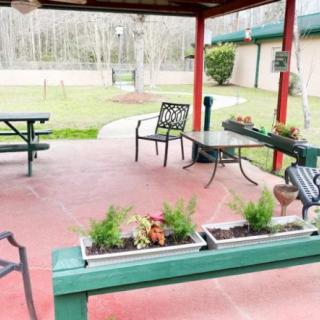
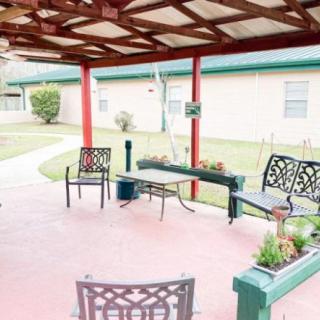
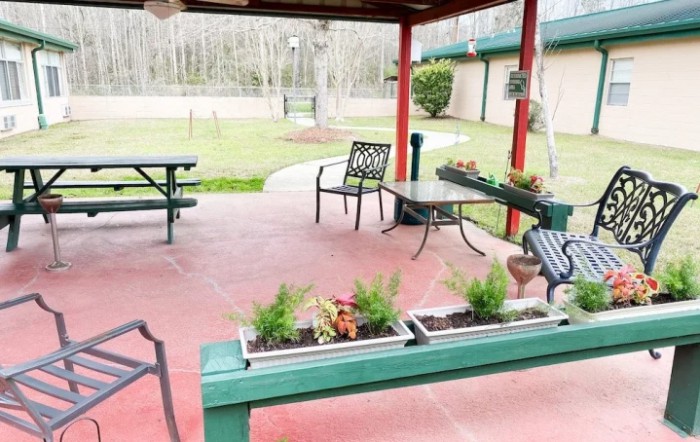
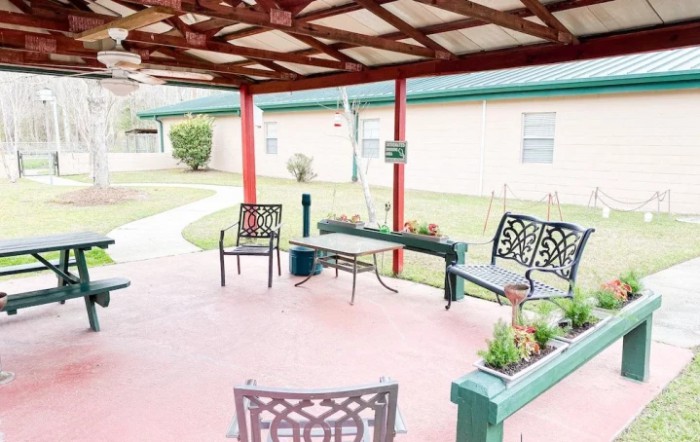
  • Outdoor space Outdoor spaceOutdoor spaces are important for seniors as they provide opportunities for physical activity, social interaction, exposure to natural light and fresh air, and a sense of connection to nature. Having access to outdoor spaces can improve overall well-being and quality of life for older adults living in senior communities.
  • Private bathrooms Private bathroomsPrivate bathrooms are important for seniors in senior living communities because they provide independence, dignity, and comfort. Having a private bathroom allows seniors to maintain their personal hygiene routines without the need for assistance, promoting a sense of autonomy and privacy. Additionally, private bathrooms help prevent the spread of infections and provide a safe and clean environment for seniors to navigate safely.
  • Restaurant-style dining Restaurant-style diningRestaurant-style dining is important for seniors because it allows them to enjoy delicious, nutritious meals in a social and upscale setting. This enhances their dining experience, promotes healthy eating habits, and fosters socialization with fellow residents, ultimately contributing to their overall well-being and quality of life.
  • Small library Small librarySmall libraries are important for seniors as they provide access to a variety of reading materials, including books, newspapers, and magazines. This can help stimulate their minds, keep them engaged, and provide a sense of community through book clubs and other social activities. Additionally, reading has been shown to improve cognitive function and overall mental well-being in older adults.
  • Telephone TelephoneTelephones are important for seniors as they provide a lifeline for communication with loved ones, emergency services, and healthcare providers. They offer a sense of security and independence, enabling seniors to stay connected and access assistance when needed.
  • Wellness center Wellness centerWellness centers are important for seniors because they offer a variety of programs and services that promote physical, mental, and emotional well-being. These centers provide opportunities for exercise, socialization, education, and relaxation, helping seniors maintain their overall health and quality of life.
  • Wi-Fi/high-speed internet available Wi-Fi/high-speed internet availableWi-Fi/high-speed internet is important for seniors to stay connected with loved ones, access online resources, and participate in virtual activities to combat feelings of loneliness and isolation. It also allows them to easily manage healthcare needs, access entertainment, and engage in lifelong learning opportunities.

Transportation

  • Community operated transportation Community operated transportationCommunity operated transportation is crucial for seniors as it provides them with the means to access essential services, social activities, and medical appointments. It allows seniors to maintain their independence and quality of life by ensuring they can participate in activities outside of their homes. Additionally, community-operated transportation services offer a safe and reliable way for seniors to travel without having to rely on family or friends for assistance.
  • Transportation arrangement Transportation arrangementTransportation arrangements are crucial for seniors as they may face challenges with driving, mobility, or access to public transportation. Having reliable transportation services ensures that seniors can easily attend appointments, social activities, and maintain their independence and quality of life.
  • Transportation arrangement (non-medical) Transportation arrangement (non-medical)Transportation arrangements are essential for seniors as they provide access to essential services, activities, and social interactions outside the home. This service helps maintain independence, mobility, and overall well-being for seniors who may have limited transportation options.
  • Transportation to doctors appointments Transportation to doctors appointmentsTransportation to doctors appointments is crucial for seniors as it ensures they have access to necessary medical care and support, promoting their health and well-being. It allows them to receive timely treatment, monitor existing conditions, and address any new health concerns efficiently. Additionally, transportation services can help seniors maintain their independence and quality of life by enabling them to stay connected with their healthcare providers.

Care Services

  • 12-16 hour nursing 12-16 hour nursing12-16 hour nursing care is crucial for seniors in order to ensure around-the-clock monitoring, timely medication administration, and prompt response to any health concerns or emergencies. This level of care helps to promote the overall well-being and safety of seniors living in senior living communities.
  • 24-hour call system 24-hour call system24-hour call systems are important for seniors because they provide peace of mind and immediate assistance in case of emergencies. This technology ensures that help is always available, promoting safety and security for elderly individuals living alone or in assisted living facilities.
  • 24-hour supervision 24-hour supervision24-hour supervision is important for seniors to ensure their safety, well-being, and access to immediate assistance in case of emergencies or health issues. This constant support provides peace of mind for both seniors and their loved ones, allowing them to age in place with dignity and security.
  • Activities of daily living assistance Activities of daily living assistanceActivities of daily living assistance are important for seniors because they provide essential support with tasks such as eating, bathing, dressing, and mobility. This assistance helps seniors maintain their independence, dignity, and overall quality of life as they age.
  • Assistance with bathing Assistance with bathingAssistance with bathing is crucial for seniors as it helps maintain personal hygiene, prevents infections, and ensures their overall well-being and comfort. It also provides a sense of dignity and independence for seniors who may struggle with this task on their own.
  • Assistance with dressing Assistance with dressingAssistance with dressing is important for seniors because it helps maintain their independence, promotes personal hygiene, prevents accidents and injuries, and improves overall quality of life. This service ensures that seniors can continue to dress comfortably and confidently, despite any physical limitations they may have.
  • Assistance with transfers Assistance with transfersAssistance with transfers is crucial for seniors as it helps prevent falls and injuries, maintains their independence, and ensures they can safely navigate their living environment. It also provides peace of mind for both seniors and their loved ones.
  • Diabetes diet Diabetes dietA diabetes diet is crucial for seniors as it helps manage blood sugar levels, reduce risks of complications, and improve overall health and well-being. By following a balanced and nutritious diet tailored to their specific needs, seniors can better control their diabetes and enhance their quality of life.
  • Meal preparation and service Meal preparation and serviceMeal preparation and service are crucial for seniors as they may have limited mobility or energy to cook nutritious meals. Having access to healthy and convenient food options can ensure they are getting the proper nutrition needed to maintain their overall health and well-being.
  • Medication management Medication managementMedication management is crucial for seniors to ensure they are taking the right medications at the correct dosages and times. This helps prevent adverse drug interactions, reduces the risk of medication errors, and promotes overall health and well-being. Proactive management also allows for adjustments as needed based on changing health conditions or new prescriptions.
  • Mental wellness program Mental wellness programMental wellness programs are essential for seniors as they promote cognitive stimulation, emotional support, and social engagement. These programs help prevent isolation, depression, and cognitive decline, ultimately enhancing the overall quality of life for older adults.
  • Special dietary restrictions Special dietary restrictionsSpecial dietary restrictions are important for seniors because age-related changes in metabolism and health conditions can make it difficult for their bodies to process certain foods. By following a diet tailored to their specific needs, seniors can maintain their overall health and well-being, manage chronic conditions, and reduce the risk of complications such as malnutrition or food interactions with medications.

Dining

  • Diabetes diet Diabetes dietA diabetes diet is crucial for seniors as it helps manage blood sugar levels, reduce risks of complications, and improve overall health and well-being. By following a balanced and nutritious diet tailored to their specific needs, seniors can better control their diabetes and enhance their quality of life.
  • Special dietary restrictions Special dietary restrictionsSpecial dietary restrictions are important for seniors because age-related changes in metabolism and health conditions can make it difficult for their bodies to process certain foods. By following a diet tailored to their specific needs, seniors can maintain their overall health and well-being, manage chronic conditions, and reduce the risk of complications such as malnutrition or food interactions with medications.

Activities

  • Community-sponsored activities Community-sponsored activitiesCommunity-sponsored activities are important for seniors as they provide opportunities for social interaction, mental stimulation, and physical activity. These activities can help improve overall well-being, combat loneliness and isolation, and promote a sense of belonging and purpose among older adults.
  • Concierge services Concierge servicesConcierge services are essential for seniors as they provide assistance with daily tasks and errands, enhance their quality of life by offering convenience and personalized care, and promote a sense of safety and security.
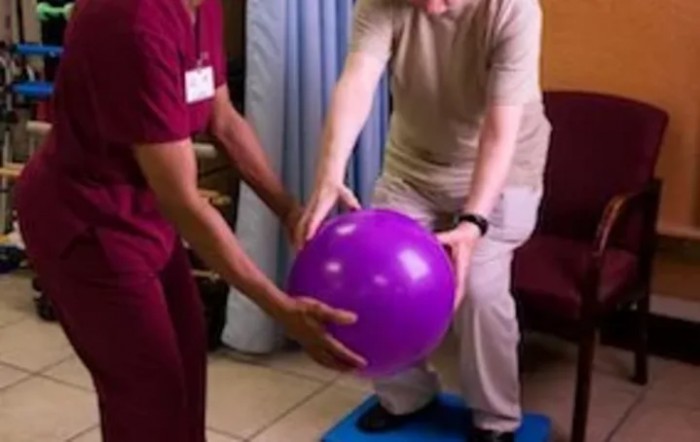
  • Fitness programs Fitness programsFitness programs are crucial for seniors as they help improve strength, flexibility, balance, and overall well-being. Staying active can reduce the risk of chronic diseases, improve mental health, and enhance quality of life in older adults.
  • Planned day trips Planned day tripsPlanned day trips are important for seniors because they offer opportunities for socialization, mental stimulation, and physical activity. They provide a change of scenery and help seniors stay engaged and connected to their community, promoting overall well-being and quality of life.
  • Resident-run activities Resident-run activitiesResident-run activities are important for seniors as they encourage social interaction, creativity, and a sense of autonomy. These activities empower seniors to stay engaged and active in their community while fostering meaningful connections with their peers.
  • Scheduled daily activities Scheduled daily activitiesScheduled daily activities are important for seniors because they provide structure, socialization, mental stimulation, and physical activity. Engaging in regular activities can improve overall well-being and quality of life for seniors living in a community setting.

Description

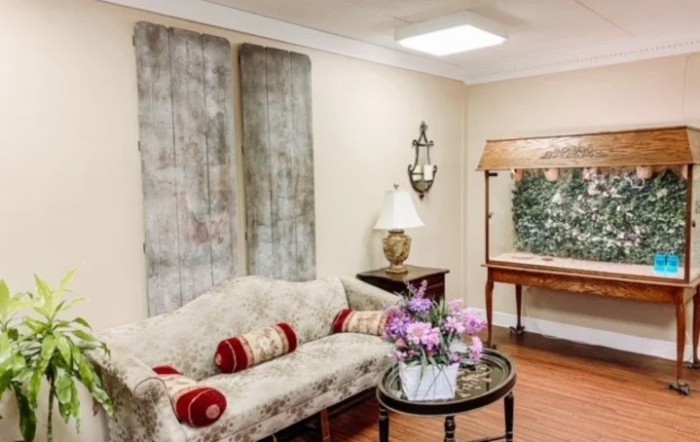
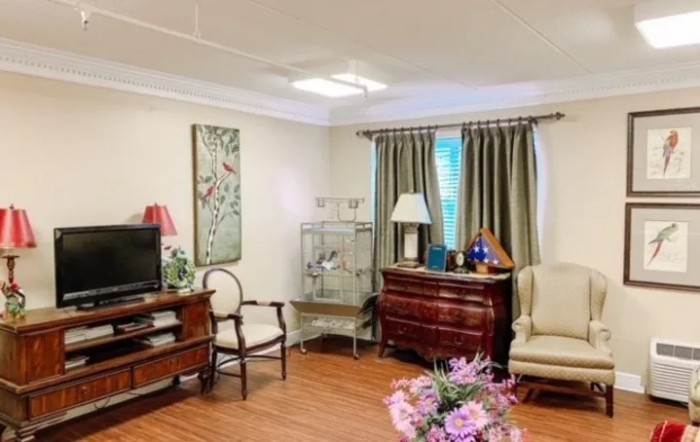
Atmore Nursing Center is a well-equipped assisted living community located in Atmore, AL. Our residents enjoy a wide range of amenities and care services designed to enhance their comfort and overall quality of life.

Our community boasts a beauty salon where residents can receive professional haircuts and styling. We provide cable or satellite TV in each resident's room for entertainment purposes. Community-operated transportation is available for residents who need to run errands or attend appointments. We also have a computer center for those who wish to stay connected with loved ones online.

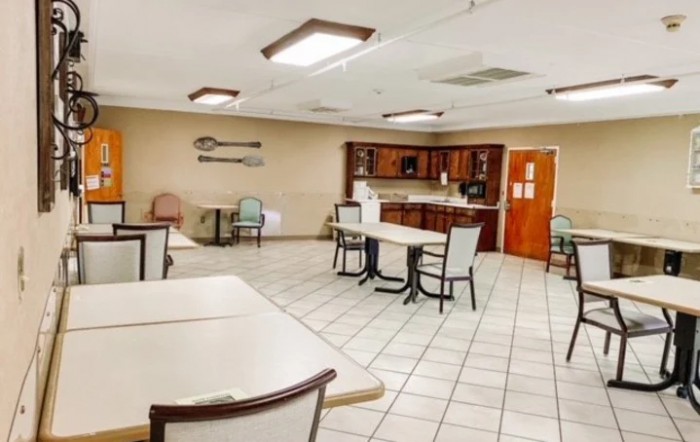
Residents dine in our spacious dining room, enjoying delicious meals prepared by our skilled kitchen staff. The restaurant-style dining experience creates a pleasant atmosphere for socializing with fellow residents. Special dietary restrictions are accommodated to ensure that everyone's nutritional needs are met.

For recreation and leisure, we offer various facilities such as a fitness room, gaming room, small library, and beautiful outdoor spaces including a garden. Daily activities are scheduled to keep residents engaged and entertained. Residents can also take advantage of our wellness center which promotes mental well-being.

In terms of care services, our 24-hour call system ensures that assistance is readily available whenever needed. Our staff provides around-the-clock supervision and assistance with activities of daily living such as bathing, dressing, and transfers. Medication management is offered to ensure the proper administration of medications. We also have specialized dietary plans for residents with diabetes or other dietary restrictions.

Outside the community, there are numerous amenities conveniently located nearby including cafes, parks, pharmacies, physicians' offices, restaurants, transportation options, places of worship, and hospitals. This makes it easy for residents to access essential services and enjoy outings in the local area.

At Atmore Nursing Center, we strive to create a warm and inviting environment where residents receive personalized care while maintaining their independence. With our comprehensive amenities and care services, we provide everything necessary for a comfortable and fulfilling lifestyle for our beloved residents.

Nearby Places of Interest

Located in Atmore, Alabama, this area offers a variety of amenities that cater to the needs of seniors. With several places of worship nearby, such as the Church of Jesus Christ of Latter Day Saints and Pleasant Hill Baptist Church, residents can easily access spiritual support and community engagement. The proximity of Physicians like Durand-Mitchell Priscilla and Bruley Brian Ach Medplus ensures convenient medical care. Additionally, there are pharmacies like Buy-Rite Drugs and Fred's Pharmacy in close vicinity for easy access to medications. For leisurely activities, seniors can enjoy parks like Tom Bryne Park or indulge in a meal at local restaurants like Krispy Krunchy Chicken or Pintolis of Atmore. Transportation options like U-Haul are available for convenience, while entertainment can be found at Wind Creek Cinema just a short drive away. Overall, this neighborhood provides a comfortable and supportive environment for senior living in Atmore.

Places of Worship

  • Church of Jesus Christ of Latter Day Saints (0.1 miles)
  • Pleasant Hill Baptist Church (0.4 miles)
  • McRae Street Methodist Church (0.5 miles)
  • Grace Fellowship Church (0.5 miles)
  • Southern Baptist Convention (0.6 miles)
  • Full of Life Ministries (0.6 miles)
  • Johnny Mothershed Rev (0.8 miles)

Physicians

  • Durand-Mitchell Priscilla (0.3 miles)
  • Bruley Brian Ach Medplus (0.3 miles)
  • Renal Care Group of Century (12.3 miles)
  • Lakeview Center (12.3 miles)
  • Century Medical Center (13.1 miles)

Hospitals

  • Ach Family Physicians (0.4 miles)

Pharmacies

  • Buy-Rite Drugs (0.5 miles)
  • Fred's Pharmacy (1.2 miles)
  • Walgreens (1.3 miles)
  • CVS Pharmacy (13.1 miles)
  • Flomaton Pharmacy (13.2 miles)

Restaurants

  • Krispy Krunchy Chicken (0.6 miles)
  • Subway (1 miles)
  • Irresistibly Burrito (1.1 miles)
  • Pintolis of Atmore (1.2 miles)
  • 30 Below Ice Cream (1.2 miles)
  • KFC (1.3 miles)
  • Arby's (1.3 miles)

Parks

  • Tom Bryne Park (0.9 miles)
  • Travis Nelson Park (5 miles)
  • Splinter Hill Bog Alabama (13.1 miles)
  • Showalter Park Century (13.2 miles)

Cafes

  • The Coffee House (1.3 miles)
  • Anchor Cafe (1.3 miles)
  • Starbucks (6.1 miles)
  • American Coffee House & Company (12.9 miles)

Transportation

  • U-Haul (1.3 miles)
  • U-Haul Neighborhood Dealer (3.3 miles)
  • CSX Technology (12.9 miles)

Theaters

  • Wind Creek Cinema (5.9 miles)

Frequently Asked Questions

Where is Atmore Nursing Center?
What photos are available for Atmore Nursing Center in Atmore, Alabama?

Nearby Communities

Related Resources

  • does medicare cover hospiceComprehensive Guide to Medicare Coverage for Hospice Care

    Hospice care focuses on providing comfort and support for individuals nearing the end of life, with Medicare Part A covering services like nursing care and counseling for patients with a terminal illness and a life expectancy of six months or less. While most hospice services are low-cost for eligible patients, families should be aware that certain expenses, such as room and board, may not be covered.

  • caregiver burnoutCaring for Those Who Care: Recognizing, Understanding, and Overcoming Caregiver Burnout

    Caregiver burnout is a common issue resulting from the intense physical, emotional, and mental demands of caregiving, leading to symptoms like fatigue and social withdrawal. To prevent burnout, caregivers should recognize early warning signs and implement self-care strategies, seek support, and prioritize their own well-being alongside that of those they care for.

  • caregiver burnoutCaregiver Exhaustion: Recognizing the Signs and Restoring Your Well-Being

    Caregiver exhaustion, or burnout, stems from the relentless demands of caregiving, leading to emotional and physical depletion characterized by stress, frustration, and neglect of personal needs. Addressing this burden is essential to prevent long-term consequences, with early recognition and support being crucial for caregivers to maintain balance and implement self-care.