

75 Point Escambia Cir, Atmore, AL 36502
To contact a resident: (334) 368-4658
For more information about senior living options: (866) 208-4318
Overall Review of Point Escambia Apartments
Pros
 The property is quiet.
- The property is clean.
Cons
 The reviewer would not recommend the place, citing that tenants cannot get help when repairs are needed.
- Amanda, the property manager, is described as unprofessional and possibly unaware of her duties.
- Customer service is claimed to be a major priority for this type of business, but it is lacking for senior citizens and disabled people.
- An application filed for three months was never acknowledged with a letter, despite three direct phone calls; responses referenced the manager's personal life.
- The waiting list status was not communicated, and the reviewer was told nothing about their position or whether they would be removed after three months.
- The owner is suggested to beware of how renters are treated, with some perceiving favoritism in who gets apartments.
Review
Point Escambia Apartments in Atmore, Alabama is best suited for seniors or disabled residents who prize a quiet, clean living environment and can tolerate uneven management responsiveness. The property presents a straightforward, low-stress setting where routines can stay predictable if external support is arranged. Families evaluating care for an older loved one should understand this community does not promise proactive advocacy or rapid repairs, and those needs may fall outside its service model. For households that can rely on family or outside caregivers to handle maintenance and coordination, and who prize a calm, no-fruss environment over bells and whistles, Point Escambia can be a reasonable choice. Those seeking transparent application processes and consistent on-site management, however, should seriously consider alternatives.
On the upside, the environment tends to be quiet and the spaces appear clean. This matters to residents whose daily rhythms revolve around appointments, rest, and medication schedules. Yet those benefits are hollow if repairs stall or become entangled in opaque procedures. The positive impression of a tidy, serene place is undercut by the practical reality that when something breaks, there is little assurance of timely assistance. In an environment where safety and comfort depend on reliable maintenance, such gaps become the defining drawback. What looks like a calm retreat can quickly feel like a trap when problems linger and expectations go unmet.
The management dynamic is the fulcrum of overall satisfaction, and here the scales tilt toward risk. The property manager, Amanda, is described as unprofessional and difficult to deal with, with questions about job responsibilities and communication never fully resolved. Prospective tenants complain about promises unmet, letters or qualification confirmations that never arrive, even after repeat calls. The waiting process for apartments is opaque, and details about placement are inconsistent. The impression left is that customer service is not prioritized, and the owner’s leadership may be inadvertently enabling a culture where fairness and responsiveness are not guaranteed. This is not a minor flaw; it directly shapes trust and ongoing residency decisions.
That management posture collides head-on with the realities faced by elderly or disabled residents who depend on straightforward processes and prompt attention to repairs. The most salient complaint, tenants not receiving help when repairs are needed, translates into tangible safety and comfort risks. The combination of delayed maintenance, unclear timelines, and a perception of favoritism in choosing renters exacerbates anxiety for families trying to safeguard a loved one’s wellbeing. In short, the operational gaps are not minor irritants; they shape daily life and retirement security. When support is unreliable, even a clean, quiet unit cannot justify dependence on care that may not arrive in time.
This is not a community for those who require a high level of transparency, consistent communication, and dependable maintenance support as a baseline expectation. Families should consider alternatives that offer clear intake procedures, regular updates on application status, and on-site staff who can coordinate repairs promptly. Opportunities to interview current residents, review maintenance log response times, and verify any standing waitlists would be prudent steps. In markets with stronger resident advocacy and more proactive management, a more predictable experience is likely to reduce stress and risk for a loved one. The right choice will align with needs for accountability and speed in addressing basic living concerns.
Bottom line: Point Escambia Apartments can serve as a quiet, tidy option for those who can live with irregular management and external maintenance support. For anyone where timely repairs, clear communication, and fair, consistent treatment are non-negotiable, alternatives should be pursued aggressively. The rating signals a meaningful concern about management reliability; the one positive note on quietness and cleanliness is outweighed by the two robust red flags around responsiveness and customer service. Decisions should pivot toward communities with proven on-site leadership, transparent processes, and a commitment to advocating for residents’ needs. That approach best protects seniors and disabled residents from avoidable frustration and risk.
 Independent Living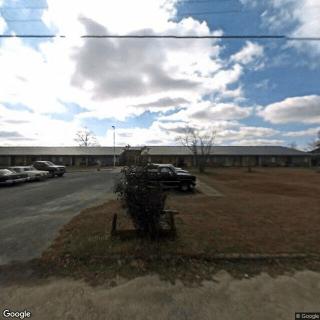


 Essential Knowledge on Pneumonia in Older Adults
 Exploring Palliative Care in the Home: A Comprehensive Overview
 Comprehensive Insights into Palliative Home Care: What It Is and What to Expect