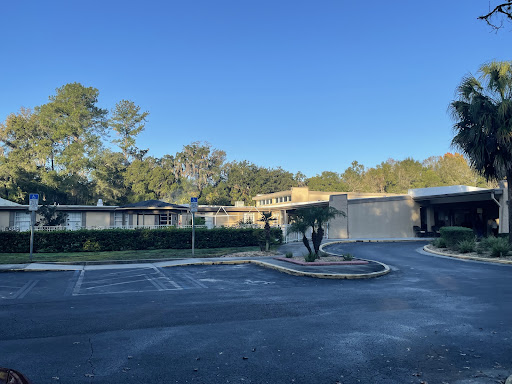




1445 Howell Ave, Brooksville, FL 34601
To contact a resident: (352) 799-1451
For more information about senior living options: (866) 208-4318
Overall Review of Eastbrooke Health Care Ctr
Pros
 The staff and administration were very professional, friendly, and caring.
- Residents were kept clean and attended, with care and concern demonstrated for their welfare.
- Families felt comfortable with their loved ones' welfare during their stay.
- The staff called residents by name and provided personalized, attentive care.
- The administrator met with families and clearly cared about residents' goals and quality of care.
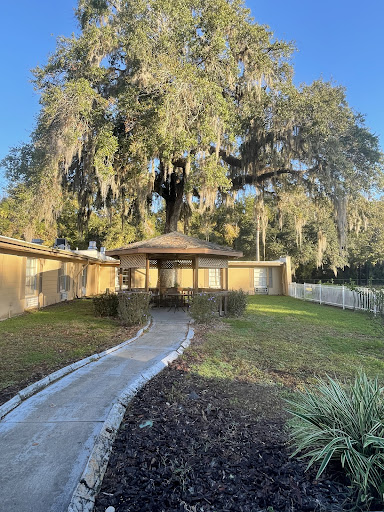
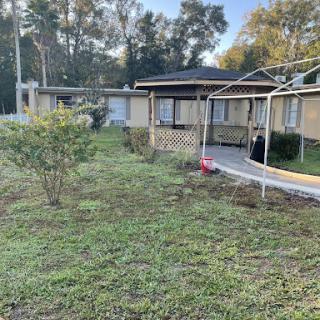
- The facility offered a beautiful view and staff treated patients well, with smiles and warmth.
Cons
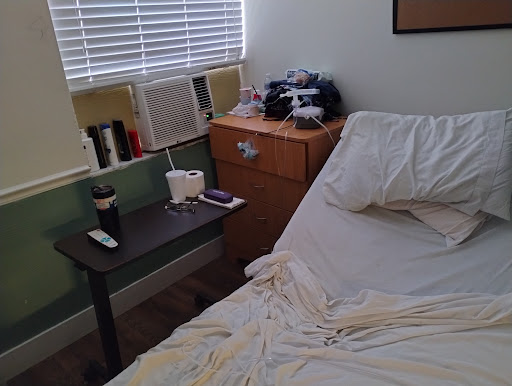
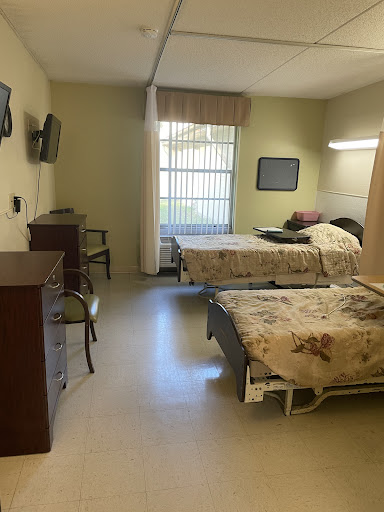
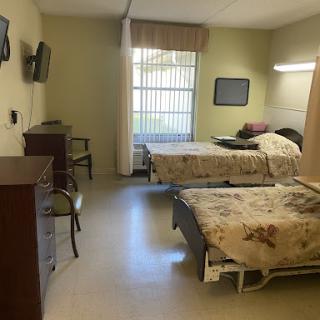
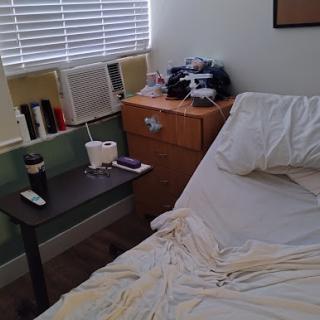
 The facility is dirty and smells, with small, dingy rooms.
 - The staff are unfriendly and fail to acknowledge or greet residents.
- Residents are left sitting in hallways for hours, indicating severe understaffing.
- The director of nursing is described as manipulating families to avoid late-night visits.
- Staff are often on cell phones or otherwise distracted instead of providing care.
- Nutrition and hydration are neglected, leading to dehydration and weight loss.
- The food is hard, unappetizing, and poorly prepared.
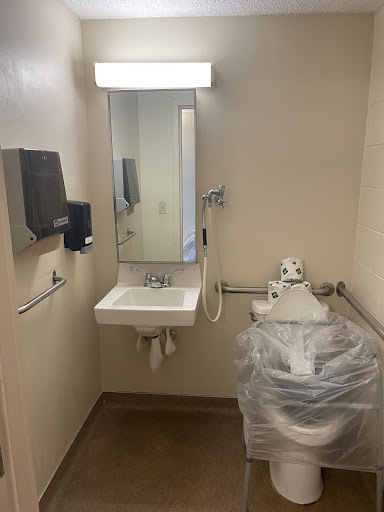
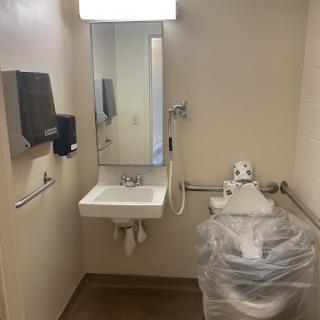
- Cleaning is poorly done, with dirty floors and bathrooms not adequately cleaned.
Review
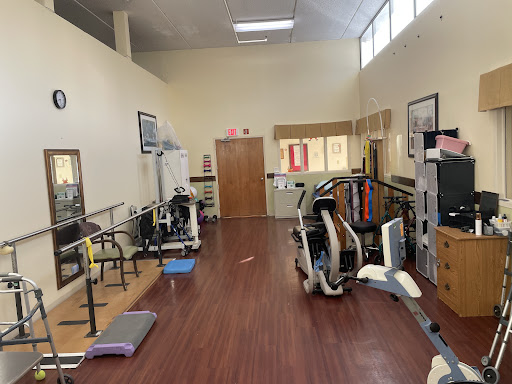
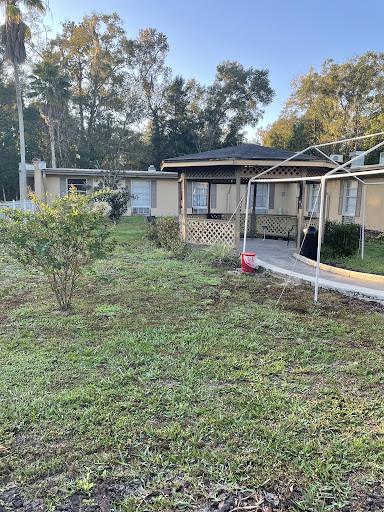
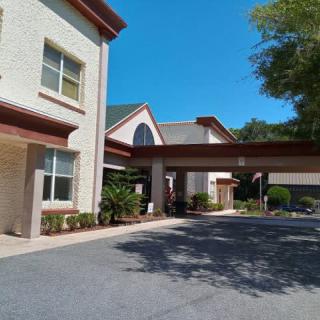
Eastbrooke Health Care Center in Brooksville, FL is best suited for families seeking a smaller, more intimate environment where care can feel personal and hands-on, especially for short-term rehab or post-acute needs. The strongest case for this community rests on attentive staff who know residents by name, a generally clean facility, and rehabilitation services that can help a patient regain independence. When operations run smoothly, families report compassionate nursing, engaging therapy programs, and a sense that the staff truly cares about individual welfare. The building may be older, but for some families that translates into a homey, uncomplicated setting where staff warmth and consistent routines can matter more than cutting-edge amenities.
Yet this is a community where expectations must be managed. Several families warn that staffing gaps and inconsistent attention create real risk for delayed assistance or basic comfort lapses. Reports include long waits for help, limited nursing oversight, and resident neglect in some instances, including observations of residents left unattended or not properly hydrated. Food quality is described as variable, with some meals deemed acceptable and others criticized as bland or unappealing. These concerns are not minor misgivings; they strike at daily quality of life and can undermine progress, especially for residents who require dependable hydration, nutrition, and timely assistance.
The key pros do not automatically erase the cons, but they do shape the decision. On the positive side, there are accounts of staff who are dedicated, friendly, and capable, especially in rehab contexts where personal training and goal-focused therapy helped some residents regain strength and function. Administrators who engage with families and show genuine interest in outcomes appear in several reviews as a stabilizing force. When these strengths align with consistent daily routines and adequate supervision, the facility can deliver meaningful rehab progress and provide a reassuring, monitored environment. Conversely, when staffing is thin or morale flags, even the most well-intentioned care plans unravel, leaving families scrambling for explanations and caregivers stretched too thin.
For families evaluating this community, practical diligence during site visits is essential. Probe night and weekend staffing levels, ask to observe the cadence of aides and nurses with residents, and request current care plans and incident logs. Taste the meals or review sample menus, and ask how dietary restrictions and hydration are monitored and enforced. Inspect the rooms and common areas for cleanliness and odor, and assess the responsiveness of front-line staff during a plain, unscripted check-in. Speak with current residents and family members about communication from the administration, and seek clear, measurable goals for rehab outcomes or long-term care, including how substitutes or contingencies are handled when a preferred staff member is absent.
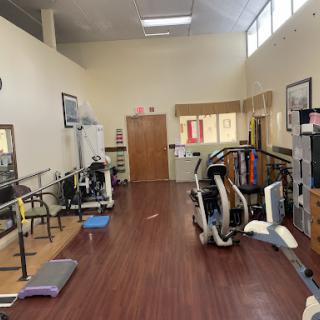
Rehabilitation stays can be a bright spot here, provided the environment is consistently well-staffed and closely supervised. Some families report prompt therapy, warm interactions, and visible progress, with therapists who tailor routines and teach patients to carry improvements home. Others recount frustration when care lapses occur, especially regarding hydration, nutrition, and timely medication administration. The mixed track record means Eastbrooke may serve well for temporary rehabilitation or short-term stabilization, but long-term residency requires careful monitoring and ongoing family involvement to prevent the slide into the problem areas that several reviews flag.
In the end, Eastbrooke presents as a practical choice with clear potential for high-quality, person-centered rehab and daily care when it operates at full strength. It is not a universal fit; the spectrum of reviews makes one thing explicit: this community rewards engaged families who are willing to stay vigilant, ask pointed questions, and insist on transparency. For those prioritizing consistent staffing, reliable hydration and nutrition, and uniformly clean, well-maintained surroundings, it is prudent to compare alternatives in Brooksville where feedback is consistently favorable. A decisive choice will hinge on a candid tour, direct conversations with staff about accountability, and a clear plan for ongoing oversight once the resident is admitted.
 Skilled Nursing Facility




 Exploring the World of Home Health Nurses: Qualifications, Roles, and Hiring Tips
 Navigating Medicare Coverage for In-Home Care Services
 In-Home Care Costs in 2025: A Detailed State-by-State Exploration