

100 Delaware Veterans Boulevard, Milford, DE 19963
For more information about senior living options: (866) 208-4318
Overall Review of Delaware Veterans Home
Pros
 The move to the Veterans Home was the best decision.
- The Veterans Home provides therapy and social opportunities, and keeps residents clean and well cared for.
- The Veterans Home is amazing.
- An aide showed kindness and expert care to a resident with dementia; Vernessa is praised for her work.
- The trip with the Boys and Girls Club was fun.
- The dad has been there for several years, has a great room, loves the musical activities, and staff are prompt in meeting his needs.
Cons
 The administrative team is horrible; many staff aren’t qualified for their positions, the staff are treated like modern-day slaves under 24-hour surveillance, and they lie to people.
- The administrator lies and manipulates his bosses to keep his job, showing no real interest in residents or staff.
- The facility is a mess and is rated 1 star by CMS; the administration is inadequate and focused on image.
- The other facility left the resident in bed 24 hours a day, offered no therapy, and left him in soiled clothes.
- He was kept on high doses of medication, and the doctor accused the family of overmedicating.
Review
Delaware Veterans Home in Milford is best suited for veterans and their families who want a rehabilitation-forward environment with structured therapy, social programming, and a setting that can keep residents active and engaged. When everything comes together, the program can move a resident from bedridden routines toward mobility, social interaction, and a cleaner, more dignified daily life. The strongest appeal lies in therapy availability, social activities, and staff who demonstrate genuine care in moments of direct contact, as reflected by residents who thrive on musical programs, outings, and prompt attention to basic needs.
Those considering alternatives should note that heavy emphasis on administration and governance matters may tilt the balance away from fit. Several reviews raise serious red flags about leadership and accountability, including claims that administrative staff are underqualified, that misrepresentation occurs, and that oversight gaps can allow harmful patterns to emerge. A pervasive concern about the facility’s overall management is reinforced by a 1-star CMS rating and repeated assertions that leadership focuses on image rather than resident welfare. For families prioritizing transparent, consistently reliable administration and rigorous safeguards, other options may deliver greater peace of mind.
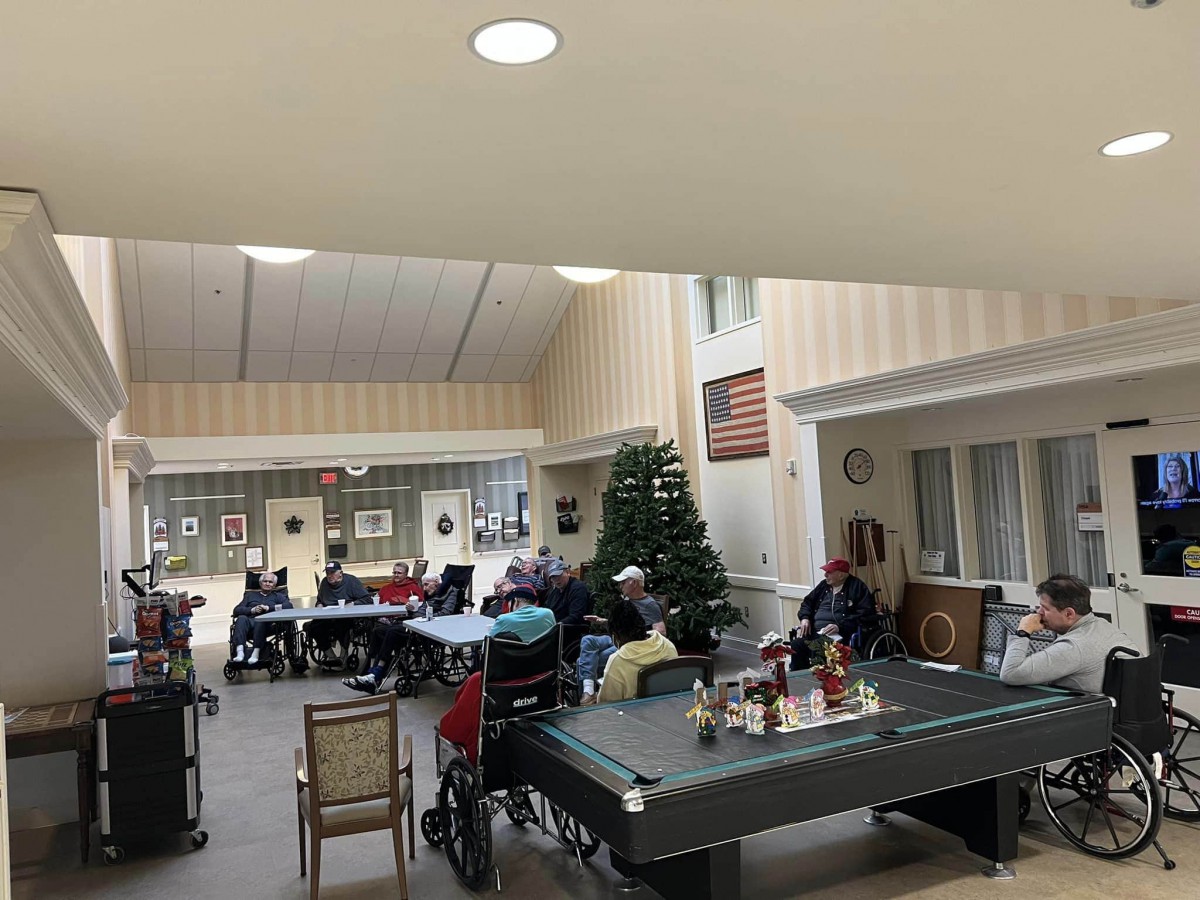
The positive aspects are tangible and meaningful when they occur. Therapy services and a program designed to restore function and encourage movement appear to produce real gains for residents who participate, with reports of residents being up and socializing rather than confined to beds. Aides noted for kindness, such as those who personally attend to grooming and personal care, show that compassionate care can be delivered in this setting. In at least one long-term resident scenario, the environment supports enjoyable activities and attentive fulfillment of needs, underscoring that the community can be a welcoming home when staffing and supervision align, and when the right caregivers are present.
Yet the most troubling themes run deeper than daily mood or activity options. Multiple accounts describe adverse outcomes tied to care quality, including significant weight loss, poor grooming, and reliance on diapers, coupled with accusations of overmedication and a lack of appropriate medical oversight. Reports of administrative obstruction, alleged lying, and punitive tactics toward families deepen distrust. The combination of accusations of harming residents, financial penalties, and halted admissions paints a picture of a facility where governance issues can translate into real risk for vulnerable residents. These elements make the environment highly variablesensitive to shifts in leadership and staffing.
For families moving forward, informed due diligence is essential. Seek a direct conversation with the administrator and the nursing and therapy directors to understand staffing ratios, turnover, and how care plans are created and updated. Request current care plans, daily schedules for therapy and activities, and a detailed approach to weight monitoring, medication management, and incident reporting. Tour during different shifts to observe how aides interact with residents, how grooming and hygiene are handled, and whether dining and social programming feel consistent and respectful. Require access to recent state and CMS findings and insist on clear escalation pathways if concerns arise.
Ultimately, this community offers a compelling match for a veteran who can benefit from rehab, meaningful activity, and attentive aides within a clean, respectful setting, provided there is strong family advocacy and a proactive administrative environment. If a family cannot tolerate potential gaps in governance, inconsistent care, or the risk of overmedication and neglect, it is prudent to explore alternatives with more transparent leadership and demonstrably reliable outcomes. In the right circumstances, Delaware Veterans Home can be a home run; in others, it is a place where careful comparison against higher-rated options is essential.
 150 resident community capacity
 Skilled Nursing Facility
 Air-conditioning
 Beauty salon
 Cable or satellite TV
 Computer center
 Dining room
 Fitness room
 Fully furnished
 Gaming room
 Garden
 Housekeeping services
 Kitchenette
 Move-in coordination
 Outdoor space
 Private bathrooms
 Restaurant-style dining
 Small library
 Telephone
 Wellness center
 Wi-Fi/high-speed internet available
 Community operated transportation
 12-16 hour nursing
 24-hour call system
 Activities of daily living assistance
 Assistance with bathing
 Assistance with dressing
 Assistance with transfers
 Diabetes diet
 Medication management
 Mental wellness program
 Special dietary restrictions
 Concierge services
 Planned day trips



 Ten Vital Duties of a Senior Caregiver: A Comprehensive Guide
 9 Stimulating Memory Activities for Seniors: Puzzles, Cards, and Much More
 Managing Nursing Home Expenses After Medicare Coverage Ends