
5255 Loughboro Road Nw, Washington, DC 20016
For more information about senior living options: (866) 208-4318
Overall Review of Sibley Mem Hosp Renaissance
Pros
 The therapist is helpful and patient and has helped the shoulder improve.
- The overnight stay was great.
- The fall-prevention therapy significantly improved posture, stability, and strength after a few lessons.
- The PTs are caring and encouraging, including Christopher Marrow and Megan.
- The outpatient clinic is highly recommended.
- The hospital is great after the JHU acquisition, with polite and friendly staff and a clean, beautiful facility.
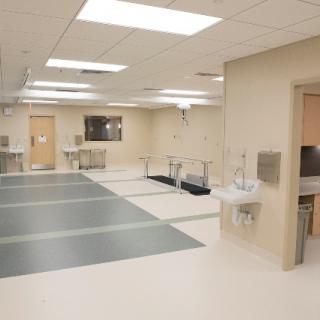
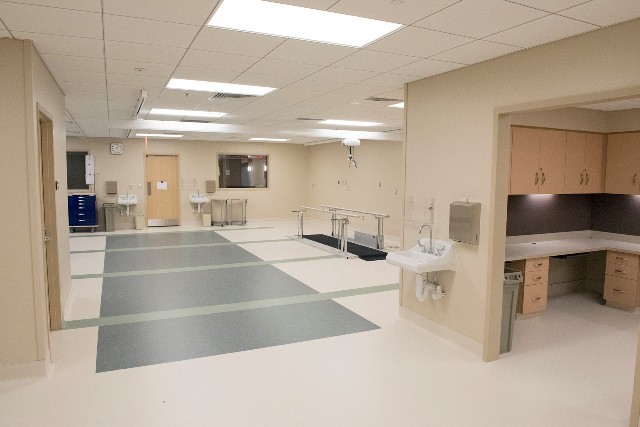
- The facility has an upscale feel with modern, nicely decorated rooms and pleasant common areas.
- The rooms are nicely furnished and the staff are interactive, assisting with meals; there are daily activities.
- The food served is appealing and there are many daily options.
Cons
 The staff and social workers are not supportive and very disrespectful.
 - They told her to buy a bed and a shower chair on Amazon; this is unacceptable in any rehab hospital.
- Dinner did not arrive; the kitchen was closed; no food was served.
- The CNA was rude, unprofessional, and confrontational, with colleagues not intervening.
- Nurses had no idea how to find the old pain patch and gave up after a cursory search.
- The facility’s location near Georgetown makes it hectic to navigate and get through.
Review
This community is best suited for seniors who are transitioning from a hospital stay into skilled nursing and rehabilitation, and who want the reassurance of a hospital-affiliated setting with broad therapy options. It appeals to residents who value proximity to doctors, seamless access to hospital resources, and an environment that feels upscale and organized rather than purely clinical. Located on the Sibley Memorial Hospital campus in northwest Washington, DC, the facility can offer easier coordination with physicians and specialists, plus a range of post-acute services that support recovery and return to independence. The setting and therapy focus are well suited for those with medical complexity who need hands-on rehabilitation integrated with acute-care oversight.
Those who may want to consider alternatives are families prioritizing consistently respectful front-line service and flawless daily operations. If reliable daily routines, predictable meal service, and uniformly positive interactions with CNAs, aides, and nurses are non-negotiables, this community may not meet expectations. Budget-conscious families or those seeking a quieter, less hospital-like atmosphere might find other skilled-nursing options that cost less and feel less urban-energized more appealing. Finally, families who demand a flawless, issue-free live-in experience with immediate administrative responsiveness should evaluate other providers where leadership culture emphasizes zero tolerance for dissatisfactory staff conduct and routine complaints.
On the upside, the environment is notably modern and inviting: well-maintained, with attractive rooms that can be private or shared, plus accessible common areas and a separate dining space that supports residents who prefer dining out of their rooms. The campus setting promotes easy access to a wide array of services and specialists, which matters for ongoing medical needs. Food options and daily activities are highlighted as positives, contributing to a livelier daily life than some traditional skilled-nursing settings. Crucially, therapy teams can deliver meaningful gains: outpatient and inpatient therapists are often described as patient, encouraging, and skilled, with fall-prevention and strength exercises producing observable improvement. The integration with the hospital ecosystem also translates into a smoother transition from acute care back into a residential rehabilitation plan for many residents.
Yet the cons are real and should not be minimized. Several reviews recount situations where staff behavior fell short of expectations, including a highly negative interaction involving a CNA who behaved disrespectfully and a lack of timely follow-up from leadership after concerns were raised. Service gaps recur in practical daily operations, such as meals that do not arrive on time or are unavailable because the kitchen is closed, which undermines nutrition, an essential component of rehab. Navigating within the hospital to reach the skilled-nursing area can be confusing, and some families report inconsistent experiences across shifts, with certain staff members appearing overwhelmed or unresponsive. These patterns matter because daily consistency and respectful treatment directly impact mood, motivation, and adherence to therapy.
For families weighing this option, the practical playbook is straightforward. Before moving in, request a candid meeting with the rehab director and tour the unit during peak activity to observe staff coverage and how disruptions are handled. Secure a concrete therapy schedule and a plan for equipment supply, confirming that essential items such as a bed or shower chair will be provided if home discharge needs to be staged. Ask for a single point of contact for concerns, and verify meal service timing, menu structure, and contingency plans when the kitchen is unevenly staffed. If a private room is preferred, insist on it and confirm any incremental costs. In parallel, probe how the facility handles complaints and escalations, including expected response times and remedial steps when issues arise. For families who require precise consistency and zero tolerance for the kinds of service gaps documented in some reviews, considering alternatives, either different skilled-nursing providers or hospital-affiliated programs with stronger customer-service track records, can be a prudent precaution.
The verdict is nuanced. This community stands out for seniors who need post-acute rehab with hospital-backed supervision, a refined, contemporary setting, and a built-in ecosystem of therapists who can translate therapy into tangible functional gains. The strengths, integrated medical oversight, accessible therapy teams, a pleasant environment, and a campus-based flow, offer clear advantages for recovery and transition. However, the downside is equally concrete: episodes of disrespect, inconsistent day-to-day service, and navigation and responsiveness challenges that can erode confidence in the care experience. The decision hinges on whether the family can tolerate, or proactively manage, these risks. For residents whose priority is strong rehab outcomes delivered in a high-end milieu with convenient hospital access, this is a compelling option. For those who demand unwavering front-line courtesy and flawless daily operations, it may be wiser to explore alternatives or insist on explicit assurances and safeguards before committing.
 45 resident community capacity
 Skilled Nursing Facility
 Beauty salon
 Cable or satellite TV
 Dining room
 Fully furnished
 Garden
 Housekeeping services
 Kitchenette
 Move-in coordination
 Outdoor space
 Restaurant-style dining
 Small library
 Telephone
 Wi-Fi/high-speed internet available
 Ronald Reagan Washington National (7 miles away)
 24-hour call system
 Activities of daily living assistance
 Assistance with bathing
 Assistance with dressing
 Assistance with transfers
 Diabetes diet
 Medication management
 Mental wellness program
 Special dietary restrictions







 Recognizing the Journey: Understanding and Navigating Anticipatory Grief
 Encouraging Participation in Adult Day Care: A Guide to Supporting a Hesitant Parent
 Comprehensive Exploration of Living Wills and Other Advance Directives