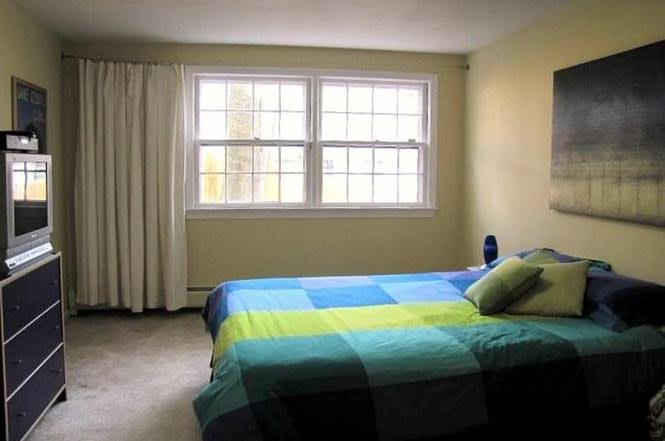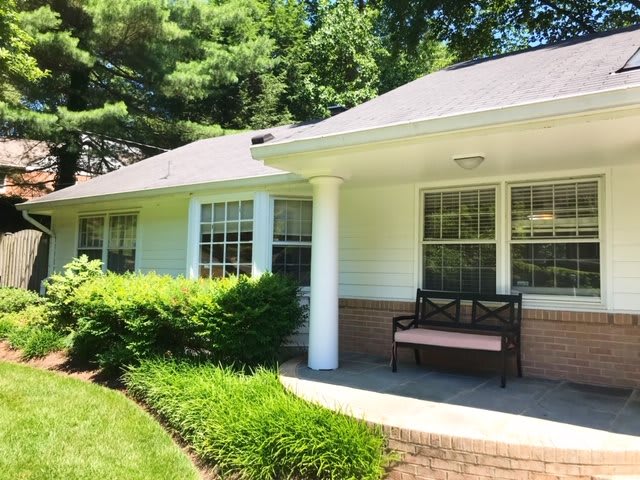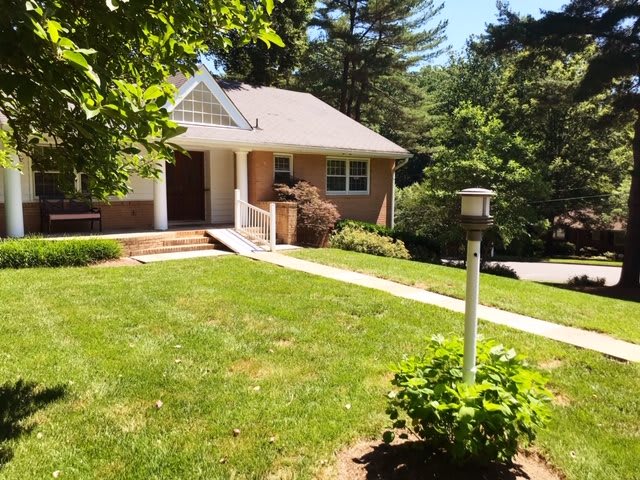
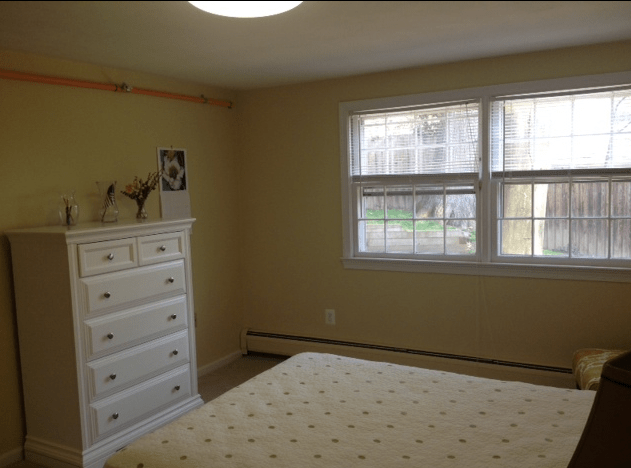
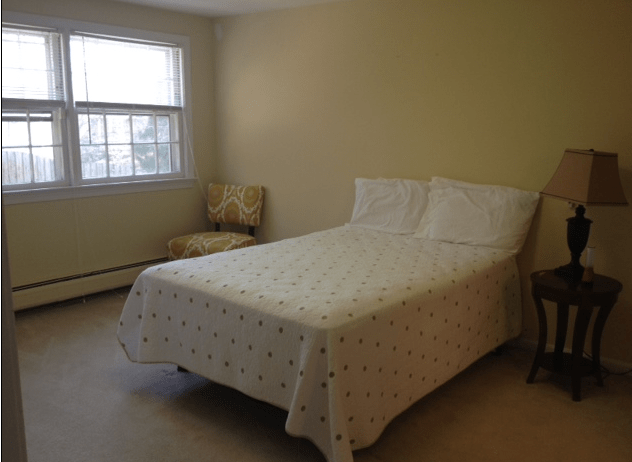
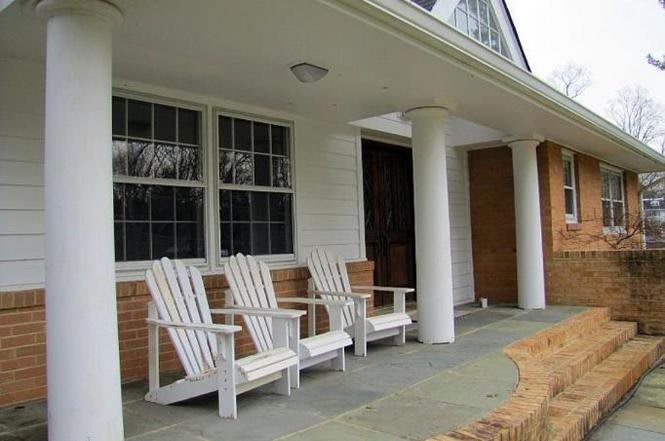
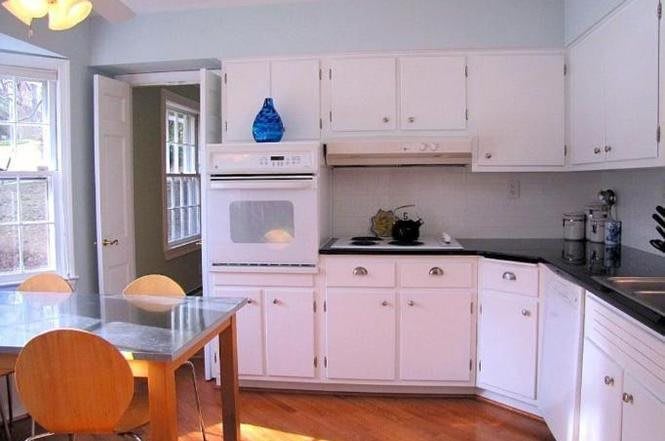
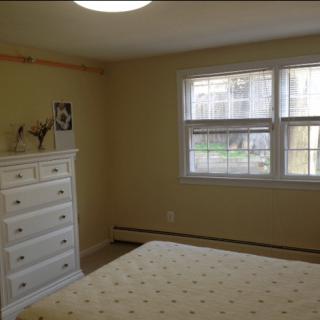
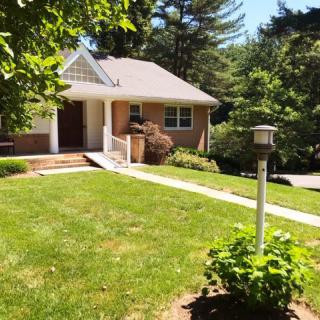
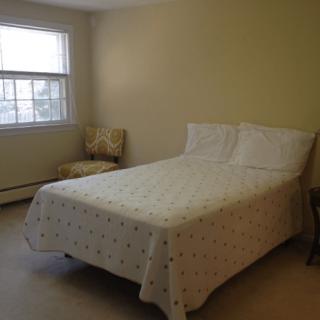
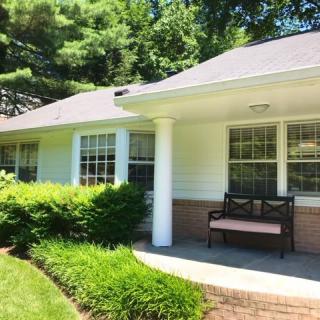


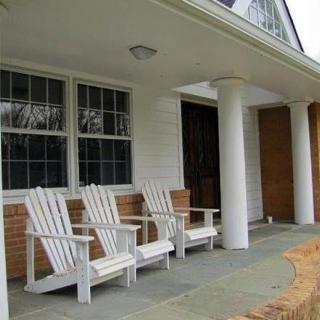
1453 Laburnum Street, Mc Lean, VA 22101
For more information about senior living options: (866) 208-4318
Avalon House On Laburnum Street Costs & Pricing
Avalon House on Laburnum Street presents a competitive pricing structure for its accommodations, particularly when compared to both Fairfax County and the broader state of Virginia. For a one-bedroom unit, residents can expect to pay $5,200 monthly, which exceeds the average in Fairfax County at $4,884 and stands significantly higher than the statewide average of $4,257. Similarly, the cost of private rooms at Avalon matches this premium price point at $5,200 as well; while it is slightly lower than the county average of $5,449, it remains above Virginia's average of $4,684. These figures indicate that while Avalon House offers amenities and services that may justify its cost, prospective residents should carefully consider their budget relative to other options available in the region.
| Floor plans | Avalon House On Laburnum Street | Fairfax County | Virginia |
|---|---|---|---|
| 1 Bedroom | $5,200 | $4,884 | $4,257 |
| Private | $5,200 | $5,449 | $4,684 |
Memory care communities with a similar price nearby
-
from -$250 / mo
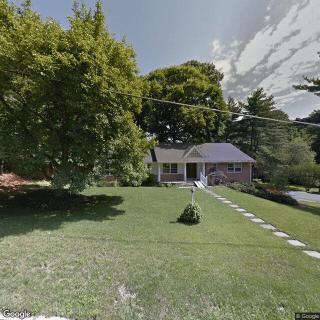
Avalon House on Laburnum Street
$4,950 / month0.0 miles away -
from -$700 / mo

Olney Memory Care
$4,500 / month14.5 miles away -
from +$300 / mo
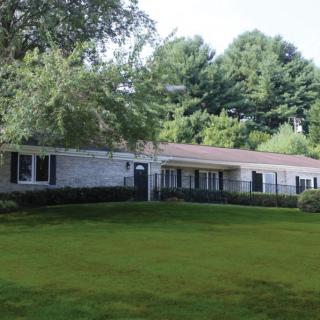
Glen Hill
$5,500 / month21.5 miles away -
from -$200 / mo
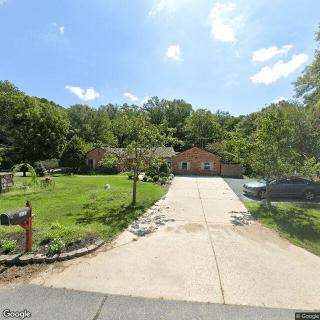
Necitas
$5,000 to $5,500 / month12.5 miles away -
from +$300 / mo
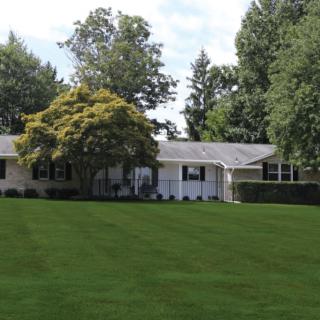
Autumn Hill
$5,500 / month18.2 miles away
Overall Review of Avalon House On Laburnum Street
Pros
 The staff provided incredible care and created a sense of safety that made families feel at ease.
- Avalon on Laburnum became a home away from home with Sharon leading the care, delivering the best level of care.
- They ensured residents stayed safe and comfortable, and were never bored, scared, or lonely.
- The meals were wonderful and home-cooked, prepared by an amazing cook.
- The caregivers are engaging, friendly, and appear happy to work with residents, creating a positive atmosphere.
- The staff-to-resident ratio allows personalized care and attention, with residents well cared for.
- The homes are clean, cozy, bright, and feel like a family environment, with low staff turnover meaning residents see the same caregivers daily.
- Families feel well informed and supported by the staff, who communicate effectively and handle sensitive end-of-life needs with care.
Cons
 It was too expensive for what they were looking for.
- It was not the loved one's taste.
- It was too posh for her.
- It was basically a glorified hospital but with poor care.
Review
Avalon House on Laburnum Street is best suited for families seeking an intimate, memory-care–focused assisted living experience where a loved one can live as part of a small, home-like household. This community excels for residents who benefit from a steady, caregiver-led environment, highly personalized attention, and daily routines that feel like a calm, domestic setting rather than a hospital corridor. For families prioritizing steady communication, safety, and warmth over luxury amenities, Avalon Laburnum stands out as a specialized, hands-on option that keeps a lid on chaos while preserving dignity and daily purpose.
Those who may want to consider alternatives are typically looking for a larger campus with more structured programming, a broader slate of activities, or a price point that emphasizes different trade-offs. If a resident craves a busier calendar, a glossy, hotel-like atmosphere, or scalable medical services beyond what a small home can provide, other communities may fit better. Distance from family, desire for a more corporate feel, or the need for hospital-level acuity care are also practical reasons to explore other options.
The core strengths of Avalon Laburnum, its small-house model, attentive caregivers, and rigorous family communication, almost invariably outweigh the main drawbacks for the intended resident. The intimate setting fosters a remarkable caregiver-to-resident ratio, which translates to vigilant daily supervision, prompt medication oversight, and a level of personalization that larger facilities struggle to sustain. Meals are reliably home-cooked and shared in a social, table-centered manner, reinforcing a sense of belonging and normalcy. The staff’s ability to learn each resident’s preferences, coupled with low turnover, means familiar faces, predictable routines, and a consistent approach to activities of daily living, bathing, and mobility support. For families managing dementia or advanced age-related needs, this is not merely care, it is continuity and reassurance.
Where the model presents potential friction, pricing and pace stand out. A subset of reviews notes that the cost can feel high relative to what is expected from a small, private home, while others describe it as a more affordable alternative to larger assisted-living campuses. The contrast is important: families must quantify value against what is gained, personalized attention, safer supervision, and a homey atmosphere, versus the perception of paying for “extras” that a bigger facility markets. Additionally, the pace is deliberately calm and family-centered rather than bustling with structured programming, which may disappoint residents who thrived on a busy schedule or who crave a more expansive array of onsite activities.
Yet the positives frequently offset these considerations. The small-house format cultivates safety, calm, and genuine companionship; residents are less likely to feel overwhelmed or anonymous, and families often report feeling welcomed as part of a larger “family” in residence. The leadership of the head caregiver and the ongoing, transparent communication with families help families stay informed without chasing information, a real relief during times of health change. End-of-life care support, honest discussions about prognosis, and a willingness to adapt care plans in real time are hallmarks that make Avalon Laburnum a practical choice for dementia care and progressive needs.
In deciding, families should prioritize memory-care capability, consistency of staffing, and the daily lived experience of residents. If a loved one values a homey, sugar-light environment with on-site cooking and close-knit social interactions, Avalon Laburnum delivers. If, instead, the decision hinges on a grand amenities footprint, a robust daily activity calendar, or lower upfront cost with greater institutional scale, alternatives should be benchmarked carefully. A thoughtful visit, focusing on caregiver interactions, the rhythm of daily life, and how care plans are communicated, will reveal how well the community aligns with the senior’s personality, health needs, and the family’s involvement preferences.
 8 resident community capacity
 Assisted Living
 Board and Care Home
 Memory Care
 Respite Care
 Activities on-site
 Air-conditioning
 Cable or satellite TV
 Devotional services off-site
 Dining room
 Fully furnished
 Garden
 Housekeeping services
 Indoor common areas
 Move-in coordination
 Outdoor common areas
 Private
 Private bathrooms
 Telephone
 Wheelchair accessible showers
 Wi-Fi/high-speed internet available
 Ronald Reagan Washington National (8 miles away)
 24-hour supervision
 Assistance with bathing
 Assistance with dressing
 Assistance with transfers
 Diabetes diet
 Diabetic care
 High acuity care
 Incontinence care
 Meal preparation and service
 Medication management
 Special dietary restrictions
 Transportation arrangement (medical)
 Transportation to doctors appointments
 Birthday parties



 5 Early Indicators of Dementia and What You Can Do
 8 Important Indicators That Memory Care May Be Necessary
 Delving into the Inner World of Dementia: Insights into Thoughts and Awareness