Residents and families repeatedly describe staff as kind and attentive.
Many reviews emphasize friendly, professional interactions, including nurses, aides, and front desk staff. Several families say their loved ones felt reassured, comfortable, and “taken care of,” with clear responsiveness when questions came up. A few reviewers also mention staff helping with transitions and coordinating communication during rehab stays.
common
Facility stays clean
Reviews consistently highlight a clean, well-kept environment.
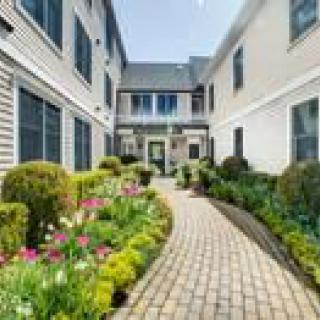
Cleanliness shows up across both visiting and resident experiences, including rooms, hallways, and the overall look of the building. Multiple reviewers contrast their expectations with how updated and odor-free the facility felt. Some also mention health precautions at the entrance, reinforcing the sense of an orderly environment.
differentiator
Rehab therapy feels structured
Therapy staff are described as hardworking and organized during rehab.
Residents and families describe physical therapy and occupational therapy support as a key part of the rehab experience. Several reviews mention progress with mobility or recovery, alongside therapy teams that take the work seriously. A few also describe admissions and early steps—like prompt triage and organized scheduling—framing the rehab start as smooth.
common
Food earns positive mentions
Food quality is mentioned positively more than once in reviews.
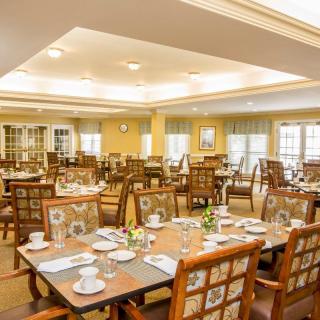
Some reviewers specifically call out that meals were good and that snacks or popsicles were brought around during their stay. Others include food as part of an overall positive experience alongside care and cleanliness. While not every review discusses dining, the ones that do tend to be favorable.
common
Security and health precautions noted
Safety practices such as security and precautions are mentioned.
A number of reviews point to security and health-related precautions as part of what made them feel comfortable. Some describe temperature checks at the door and separation or special attention during visits. Others mention advanced precautions and a general sense that the facility is monitoring safety as patients are cared for.
How we summarize
We summarize when many written reviews mention each theme; a review can touch several themes, and only frequently mentioned themes are displayed.
Features
Types of Care
Skilled Nursing Facility
Nearby Places of Interest
This part of Milford, Connecticut, offers a convenient and diverse range of amenities suitable for senior living. With several restaurants, cafes, pharmacies, transportation options, hospitals, parks, physicians' offices, and places of worship within close proximity, residents can easily access essential services and recreational activities. The Village Bistro At Beach House and Stonebridge Restaurant provide upscale dining options, while Cracker Barrel offers a more casual atmosphere. The availability of multiple pharmacies like Walgreens and CVS ensures easy access to medication and healthcare supplies. Additionally, the presence of hospitals such as Milford Campus Bridgeport Hospital and Veterans Affairs CT Healthcare System: West Haven Medical Center ensures quality medical care nearby. Parks like Silver Sands State Park offer opportunities for outdoor recreation and relaxation. Overall, this area provides a well-rounded community that caters to the needs and interests of seniors looking to enjoy a vibrant lifestyle in Milford.
Restaurants
Village Bistro At Beach House (1.5 miles)
Dave & Buster's (2.1 miles)
Stonebridge Restaurant (2.1 miles)
Cracker Barrel (2.1 miles)
Scratch Baking (2.2 miles)
McDonald's (2.4 miles)
Taco Bell (2.5 miles)
Pharmacies
Walgreens (2.1 miles)
CVS Pharmacy (2.1 miles)
Rite Aid (2.4 miles)
Costco Bakery (3 miles)
CVS Pharmacy (3.2 miles)
Walgreens (3.5 miles)
CVS Pharmacy (4.2 miles)
Cafes
Starbucks (2.1 miles)
Panera Bread (2.7 miles)
Starbucks (3.1 miles)
Starbucks (5.1 miles)
Doughnut Inn (5.9 miles)
Starbucks (7.2 miles)
Kaiydens Coffee (8.5 miles)
Transportation
Metro North - Milford Train Station (2.3 miles)
U-Haul Moving & Storage of Orange (4.6 miles)
Metro North West Haven Train Station (5.3 miles)
Metro-North BPT Rail Yard (7.7 miles)
New Haven Union Station (NHV) - Metro North/Amtrak/Shore Line East (7.9 miles)
Tweed-New Haven Regional Airport (8 miles)
Robinson Aviation (8.2 miles)
Hospitals
Milford Campus Bridgeport Hospital (2.4 miles)
Milford Hospital Walk In (2.4 miles)
Veterans Affairs CT Healthcare System: West Haven Medical Center (6 miles)
Hill Health Center Grant Street Partnership (7.1 miles)
Bridgeport Hospital (7.7 miles)
Bridgeport Hospital (7.7 miles)
Yale New Haven Hospital Saint Raphael Campus (8.2 miles)
Parks
Silver Sands State Park (2.4 miles)
Boothe Memorial Park Hawkwatch (5 miles)
Edgewood Park (8.3 miles)
Wooster Square Park (8.6 miles)
Physicians
Associated Neurologists of Southern Connecticut PC (2.7 miles)
Skilled nursing facilities (SNFs) provide high-level medical care and rehabilitation for short-term recovery, typically covered by Medicare after hospitalization, while nursing homes focus on ongoing custodial care for chronic conditions, mainly funded by Medicaid or private payments. The staffing and regulatory structures differ significantly between the two, necessitating clarity for families in choosing appropriate long-term care options.
Nursing home care costs in the U.S. vary significantly based on location, level of care, and amenities, with private room prices ranging from approximately $6,700 to over $30,000 monthly. Families need to explore various payment options and conduct thorough research to manage these expenses effectively.
Nonmedical home care provides assistance with daily activities and companionship for individuals wishing to maintain independence and quality of life at home, without medical intervention. Its growing popularity is driven by an aging population, the need for supportive environments for recovery, and the emotional benefits of caregiver companionship, while costs vary based on service frequency and location.
Get PricingAsk A QuestionSchedule A TourContact Senior Advisor
By clicking submit, you agree to our Partner's Terms of Use. You
also consent to receive calls and texts, which may be autodialed, from our Partner. Your consent is not a condition to
using our Partner's service. Please visit our Partner's Privacy Policy for information about their privacy practices.

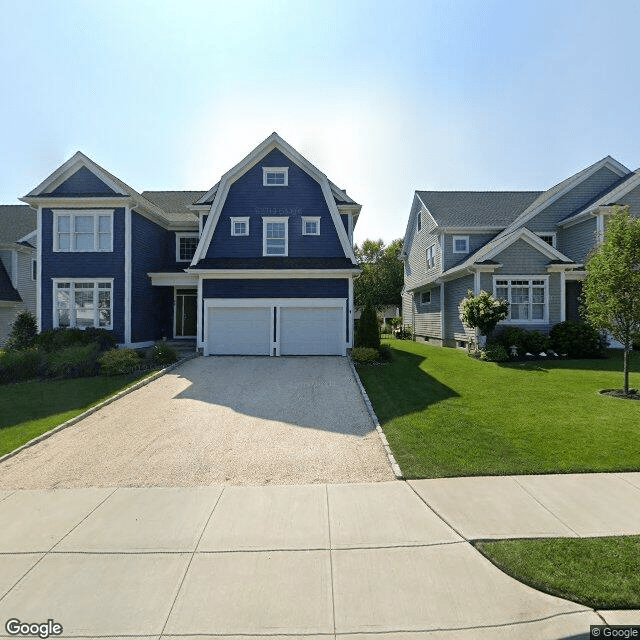
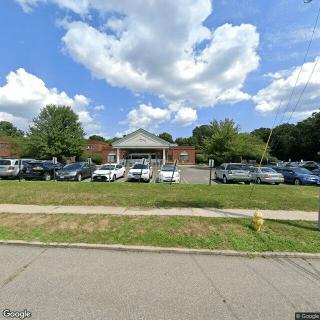
 Skilled Nursing Facility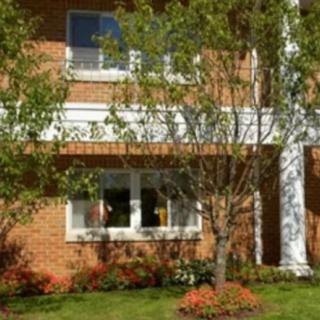
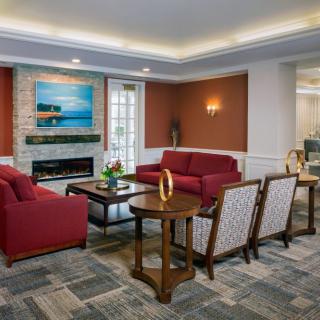
 Friendly staff and a pleasant layout with accessible amenities and dining options.



 Skilled Nursing Facilities vs. Nursing Homes: Making Sense of the Differences
 A Detailed Examination of Nursing Home Costs Across the U.S.
 Exploring Nonmedical Home Care: Understanding Services, Costs, and Financial Approaches