Fowler Health Care in Fowler, CO

Save
Fowler Health Care

Fowler Health Care in Fowler, CO

Information last verified:

221 2Nd Street, Fowler, CO 81039

For more information about senior living options: (844) 490-3973

3.7 from 7 reviews
5 stars
4
4 stars
1
3 stars
0
2 stars
0
1 stars
2

Overall Review of Fowler Health Care

Pros

  • pro Fowler Health Care has an excellent staff that meets the care needs of elderly patients, including a 101-year-old mother.
  • pro They provided the therapy sessions that were needed during the stay.
  • pro The staff are excellent, with Daniella in charge of receiving and other duties earning utmost respect.
  • pro From admission until the patient's passing, the staff showed nothing but compassion and concern.
  • pro The facility is a great place for handling uncomfortable situations, and caring for the elderly is managed well there.
  • pro Long-time affiliates consider Fowler Health Care one of the best in elderly care.

Cons

  • pro The staff does not care about residents and spends no time with them.
  • pro The staff's attitude toward visitors and residents is horrid.
  • pro They have no respect for anyone, including their own staff members.
  • pro They charge thousands of dollars a month for less than a one-star service.
  • pro This place is a joke.
  • pro For legal reasons, one reviewer cannot state why they dislike the establishment.

Review

Fowler Health Care in Fowler, CO is best suited for families seeking intimate, relationship-driven elder care with ready access to rehabilitation services for residents who value consistent staff attention and compassionate day-to-day support. The community resonates with families who have trusted caregivers for years, and the strongest testimonials center on staff who listen, respond, and deliver practical therapy during a stay. It tends to appeal to families managing long-term caregiving needs who want a hands-on approach, where staff can become familiar with a resident’s history and preferences and where therapy services are integrated into the care plan. This is a setting where the human connection and ongoing rehab can feel like a real asset for a senior who is transitioning from hospital care or who requires steady assistance but not intensive medical escalation.

Those who may want to consider alternatives are families prioritizing medical acuity, highly predictable budgeting, or uniform daily engagement across all shifts. A particularly cautious takeaway comes from a single negative review that allege[d] neglectful attitudes and a disengaged staff demeanor, paired with concerns about value for money. While most feedback is complimentary, this outlier highlights that staffing morale and consistency can swing, and for families with high anxiety about staffing continuity or who need around-the-clock, high-intensity supervision, it is wise to explore other options with more transparent staffing benchmarks and a track record of uniform service levels.

The major positives, dedicated staff, compassionate care, and accessible therapy, tend to offset many of the common complaints in this segment when the facility is properly resourced and managed. The reviews repeatedly praise staff quality and the willingness to facilitate therapy sessions during a resident’s stay, which can translate into meaningful improvements for those needing rehab after a hospital or skilled-nursing stay. The presence of thoughtful staff leadership and sustained caregiver engagement can make routine days smoother, reduce anxiety for families, and support a resident’s dignity during challenging moments. When these elements are in place, Fowler Health Care demonstrates a credible pathway to steady, person-centered care that many families are seeking.

However, the risk embedded in the available feedback is real enough to warrant disciplined due diligence. The divergent experiences suggest that while caregivers can be excellent, there may be days when engagement or morale dips, and costs can appear opaque or substantial to families financing ongoing care. Prospective residents should insist on concrete, up-front clarity about pricing, what is included, and what triggers additional charges. It is essential to request a tour that includes live demonstrations of staff-resident interactions, to observe how aides and nurses allocate time across residents, and to spoken with current families about communication patterns, responsiveness, and the perceived consistency of care across shifts.

To make an informed choice, families should pair visits with targeted questions: what is the staff-to-resident ratio on different shifts, how are aides trained in dementia or mobility support, and how is therapy integrated into daily routines? Ask for a detailed care plan tailored to the resident’s needs, and request recent examples of how therapy progress influenced discharge planning or ongoing daily living support. Review the escalation path for concerns, and obtain a clear, itemized bill that breaks out room, board, care, and therapy charges. Speak to multiple residents or families if possible to triangulate the experience, and ask whether the leadership team has recently implemented changes in staffing or training.

In the end, Fowler Health Care presents a solid option for families prioritizing devoted caregiving and rehabilitative support in a smaller-to-mid-sized setting. It is not a universal fit: the best-case scenarios hinge on stable, engaged staffing and transparent, reasonable pricing. For families who can verify consistent, attentive care and who value integrated therapy as part of daily life, Fowler offers a credible, practical path to ongoing senior support. For those who need rock-solid guarantees around cost, or who require uniformly high engagement every shift, exploring comparable communities with explicit staffing metrics and broader medical oversight will be prudent. The recommended approach is clear: schedule comprehensive visits, probe pricing and care planning, and verify that the positive factors highlighted in the favorable reviews are reflected in the day-to-day operation before making a commitment.

Features

Housing

  • 45 resident community capacity 45 resident community capacity

Types of Care

  • Skilled Nursing Facility Skilled Nursing FacilitySkilled Nursing Facilities are crucial for seniors as they provide round-the-clock medical care, rehabilitation services, and assistance with daily activities. These facilities ensure that seniors receive the specialized care they need to maintain their health and well-being as they age.

Amenities

  • Beauty salon Beauty salonBeauty salons are important for seniors because they provide a space for them to feel pampered, socialize, and maintain their personal grooming and hygiene. Regular visits to a beauty salon can help boost seniors' self-esteem and overall well-being.
  • Cable or satellite TV Cable or satellite TVCable or satellite TV is important for seniors because it provides entertainment, news, and companionship, helping to combat loneliness and boredom. It also offers a wide range of programming options tailored to different interests and preferences.
  • Dining room Dining roomDining rooms are important for seniors as they provide a space for socialization, connection, and nutritious meals. They offer opportunities for residents to bond over shared meals, foster a sense of community, and promote healthy eating habits. Dining rooms also ensure that seniors have access to well-balanced meals tailored to their dietary needs and preferences.
  • Fully furnished Fully furnishedFully furnished senior living communities are important for seniors because they provide convenience, comfort, and a hassle-free moving experience. Seniors can easily settle into their new living space without the stress of having to buy and move furniture. This allows them to focus on enjoying their new home and community.
  • Garden GardenGardens are important for seniors as they provide a peaceful and therapeutic environment for relaxation, physical activity, and socialization. Being in nature has been shown to reduce stress, improve mood, and promote overall well-being. Gardens also offer opportunities for seniors to engage in gardening activities, which can improve mobility, flexibility, and cognitive function. Additionally, gardens create a sense of community and connection with others who share a passion for plants and outdoor spaces.
  • Housekeeping services Housekeeping servicesHousekeeping services are important for seniors because they help maintain a clean and safe living environment, promote independence, and reduce the risk of accidents or illnesses. Additionally, having assistance with household chores can alleviate physical strain and allow seniors to focus on other aspects of their well-being.
  • Kitchenette KitchenetteKitchenettes are important for seniors living in senior living communities because they provide the convenience and independence of being able to prepare simple meals and snacks in the comfort of their own living space. This can help promote a sense of autonomy and well-being for seniors, allowing them to maintain some level of control over their dietary choices and daily routines.
  • Move-in coordination Move-in coordinationMove-in coordination is important for seniors because it helps ease the transition into their new living environment. It ensures that all logistics, such as packing, organizing movers, and setting up utilities are taken care of, allowing seniors to focus on settling in and adjusting to their new home. Having a smooth move-in process can alleviate stress and anxiety, making the transition smoother and more enjoyable for seniors.
  • Outdoor space Outdoor spaceOutdoor spaces are important for seniors as they provide opportunities for physical activity, social interaction, exposure to natural light and fresh air, and a sense of connection to nature. Having access to outdoor spaces can improve overall well-being and quality of life for older adults living in senior communities.
  • Restaurant-style dining Restaurant-style diningRestaurant-style dining is important for seniors because it allows them to enjoy delicious, nutritious meals in a social and upscale setting. This enhances their dining experience, promotes healthy eating habits, and fosters socialization with fellow residents, ultimately contributing to their overall well-being and quality of life.
  • Small library Small librarySmall libraries are important for seniors as they provide access to a variety of reading materials, including books, newspapers, and magazines. This can help stimulate their minds, keep them engaged, and provide a sense of community through book clubs and other social activities. Additionally, reading has been shown to improve cognitive function and overall mental well-being in older adults.
  • Telephone TelephoneTelephones are important for seniors as they provide a lifeline for communication with loved ones, emergency services, and healthcare providers. They offer a sense of security and independence, enabling seniors to stay connected and access assistance when needed.
  • Wi-Fi/high-speed internet available Wi-Fi/high-speed internet availableWi-Fi/high-speed internet is important for seniors to stay connected with loved ones, access online resources, and participate in virtual activities to combat feelings of loneliness and isolation. It also allows them to easily manage healthcare needs, access entertainment, and engage in lifelong learning opportunities.

Care Services

  • 24-hour call system 24-hour call system24-hour call systems are important for seniors because they provide peace of mind and immediate assistance in case of emergencies. This technology ensures that help is always available, promoting safety and security for elderly individuals living alone or in assisted living facilities.
  • 24-hour supervision 24-hour supervision24-hour supervision is important for seniors to ensure their safety, well-being, and access to immediate assistance in case of emergencies or health issues. This constant support provides peace of mind for both seniors and their loved ones, allowing them to age in place with dignity and security.
  • Activities of daily living assistance Activities of daily living assistanceActivities of daily living assistance are important for seniors because they provide essential support with tasks such as eating, bathing, dressing, and mobility. This assistance helps seniors maintain their independence, dignity, and overall quality of life as they age.
  • Assistance with bathing Assistance with bathingAssistance with bathing is crucial for seniors as it helps maintain personal hygiene, prevents infections, and ensures their overall well-being and comfort. It also provides a sense of dignity and independence for seniors who may struggle with this task on their own.
  • Assistance with dressing Assistance with dressingAssistance with dressing is important for seniors because it helps maintain their independence, promotes personal hygiene, prevents accidents and injuries, and improves overall quality of life. This service ensures that seniors can continue to dress comfortably and confidently, despite any physical limitations they may have.
  • Assistance with transfers Assistance with transfersAssistance with transfers is crucial for seniors as it helps prevent falls and injuries, maintains their independence, and ensures they can safely navigate their living environment. It also provides peace of mind for both seniors and their loved ones.
  • Diabetes diet Diabetes dietA diabetes diet is crucial for seniors as it helps manage blood sugar levels, reduce risks of complications, and improve overall health and well-being. By following a balanced and nutritious diet tailored to their specific needs, seniors can better control their diabetes and enhance their quality of life.
  • Meal preparation and service Meal preparation and serviceMeal preparation and service are crucial for seniors as they may have limited mobility or energy to cook nutritious meals. Having access to healthy and convenient food options can ensure they are getting the proper nutrition needed to maintain their overall health and well-being.
  • Medication management Medication managementMedication management is crucial for seniors to ensure they are taking the right medications at the correct dosages and times. This helps prevent adverse drug interactions, reduces the risk of medication errors, and promotes overall health and well-being. Proactive management also allows for adjustments as needed based on changing health conditions or new prescriptions.
  • Mental wellness program Mental wellness programMental wellness programs are essential for seniors as they promote cognitive stimulation, emotional support, and social engagement. These programs help prevent isolation, depression, and cognitive decline, ultimately enhancing the overall quality of life for older adults.
  • Special dietary restrictions Special dietary restrictionsSpecial dietary restrictions are important for seniors because age-related changes in metabolism and health conditions can make it difficult for their bodies to process certain foods. By following a diet tailored to their specific needs, seniors can maintain their overall health and well-being, manage chronic conditions, and reduce the risk of complications such as malnutrition or food interactions with medications.
Dining

  • Diabetes diet Diabetes dietA diabetes diet is crucial for seniors as it helps manage blood sugar levels, reduce risks of complications, and improve overall health and well-being. By following a balanced and nutritious diet tailored to their specific needs, seniors can better control their diabetes and enhance their quality of life.
  • Special dietary restrictions Special dietary restrictionsSpecial dietary restrictions are important for seniors because age-related changes in metabolism and health conditions can make it difficult for their bodies to process certain foods. By following a diet tailored to their specific needs, seniors can maintain their overall health and well-being, manage chronic conditions, and reduce the risk of complications such as malnutrition or food interactions with medications.

Activities

  • Community-sponsored activities Community-sponsored activitiesCommunity-sponsored activities are important for seniors as they provide opportunities for social interaction, mental stimulation, and physical activity. These activities can help improve overall well-being, combat loneliness and isolation, and promote a sense of belonging and purpose among older adults.
  • Resident-run activities Resident-run activitiesResident-run activities are important for seniors as they encourage social interaction, creativity, and a sense of autonomy. These activities empower seniors to stay engaged and active in their community while fostering meaningful connections with their peers.
  • Scheduled daily activities Scheduled daily activitiesScheduled daily activities are important for seniors because they provide structure, socialization, mental stimulation, and physical activity. Engaging in regular activities can improve overall well-being and quality of life for seniors living in a community setting.

Description

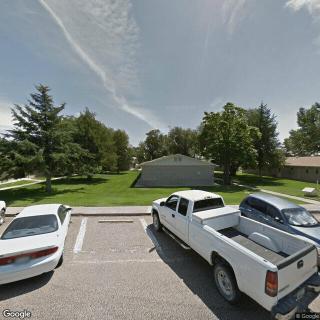
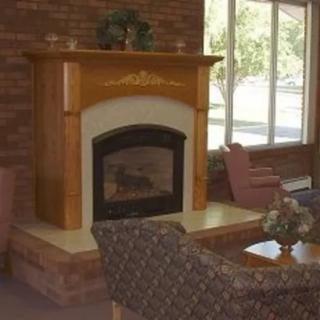
Fowler Health Care in Fowler, CO is an assisted living community that offers a range of amenities and care services to meet the needs of its residents. The community provides a comfortable and homelike environment with fully furnished accommodations, including cable or satellite TV, Wi-Fi/high-speed internet, and a small library for residents to enjoy.

The dining experience at Fowler Health Care is restaurant-style, offering delicious meals prepared by the community's staff. Special dietary restrictions are accommodated to ensure that all residents can enjoy their meals comfortably.

Residents at Fowler Health Care can engage in various activities throughout the day. The community offers scheduled daily activities as well as resident-run activities. These opportunities allow residents to socialize, stay active, and pursue hobbies and interests.

The care services provided include 24-hour supervision by trained staff who assist with activities of daily living, such as bathing, dressing, and transfers. Medication management is available to ensure that residents receive their medications on time and in the correct dosage. A mental wellness program is also offered to support the emotional well-being of residents.

Move-in coordination is provided to help new residents transition smoothly into their new home at Fowler Health Care. Housekeeping services are available to maintain a clean and organized living environment for all residents.

Outdoor spaces such as gardens are available for residents to relax and enjoy nature. Additionally, there are cafes, restaurants, and places of worship located nearby for convenience and ease of access.

Overall, Fowler Health Care strives to provide a comfortable and supportive environment where seniors can thrive while receiving the assistance they need with daily tasks.

Nearby Places of Interest

Places of Worship

  • Faith Baptist Church (0.1 miles)
  • Trinity Lutheran Church (0.3 miles)
  • Fowler Congregation of Jehovah's Witnesses (0.3 miles)
  • Fowler United Methodist Church (0.4 miles)
  • Christian Church of Fowler (0.4 miles)
  • First Baptist Church (0.4 miles)
  • Mary Queen of Heaven (0.5 miles)

Restaurants

  • Tamarack Grill (0.2 miles)
  • Habaneros Taco Shop (0.5 miles)
  • Marcelina's Mexican Food (0.5 miles)
  • Phat Willy's (0.7 miles)
  • Earl's Diner (8.3 miles)
  • Rancher's Restaurants (8.3 miles)
  • Christines Fine Dining (16.4 miles)

Cafes

  • Kc Cafe + Brew (1.1 miles)
  • Boomers Cafe (15.3 miles)
  • The Coffea Shop (17 miles)
  • Lynette's Sugar City Cafe (20.5 miles)
  • Peet's Coffee and Tea (24.8 miles)

Transportation

  • U-Haul Neighborhood Dealer (8.3 miles)
  • U-Haul Neighborhood Dealer (15.5 miles)

Parks

  • Conastoga Park Ordway (15.4 miles)
  • Rocky Ford Railroad Park (17 miles)

Pharmacies

  • Arkansas Valley Accumed (15.4 miles)
  • Health Mart Pharmacy (17 miles)
  • Harris Pharmacy (17 miles)
  • Walmart Pharmacy (24.8 miles)

Theaters

  • The Grand Theater of Rocky Ford (16.9 miles)
  • Grand Theatre (17 miles)

Physicians

  • Rocky Ford Family Health Center (17.1 miles)

Frequently Asked Questions

Where is Fowler Health Care?

Nearby Communities

  • Fowler Manor

    Fowler Manor

    Fowler, CO


    pro Specialized diabetic care with on-site activities and meals.

  • Country Manor Inc

    Country Manor Inc

    Ordway, CO

    4.8 from 4 reviews
     

    pro Serene setting with convenient access to cafes, a park, pharmacy, transportation, and places of worship to support an active lifestyle.

  • Crowley County Nursing Center

    Crowley County Nursing Center

    Ordway, CO

    4.2 from 50 reviews
     

    pro Fully furnished assisted living with 24/7 supervision and medication management.

  • Pioneer Health Care Center

    Pioneer Health Care Center

    Rocky Ford, CO

    2.8 from 29 reviews
     

    pro Active family advocacy and community willingness to push for improvements.

  • Cottonwood Ridge

    Cottonwood Ridge

    Rocky Ford, CO

    4.3 from 6 reviews
    $3,850 / month

    pro Friendly, knowledgeable staff in a welcoming, engaging environment.

  • Casa Del Sol

    Casa Del Sol

    La Junta, CO

     
    $765 to $900 / month

    pro Affordable, county-aligned pricing with abundant nearby amenities.

  • Oakshire Gardens

    Oakshire Gardens

    Pueblo, CO


    pro Small, personalized assisted living with comprehensive care and on-site amenities.

  • Villa Pueblo Senior Living Community

    Villa Pueblo Senior Living Community

    Pueblo, CO

    4 from 114 reviews
    $2,050 to $2,950 / month

    pro Friendly staff, good meals, and spacious, affordable apartments with engaging activities.

  • Azteca Apartments

    Azteca Apartments

    Pueblo, CO

    3.4 from 16 reviews
     

    pro Excellent access to dining, parks, and healthcare.

Related Resources

  • what to say to someone who is grievingCompassionate Conversations: How to Comfort Someone Who Is Grieving

    The article highlights the importance of empathy and open communication when comforting someone who is grieving, noting that grief is unique to each individual and emphasizing the need for sincere expressions of condolence, active listening, and ongoing support. It also addresses cultural differences in mourning practices and encourages tailored approaches to provide effective comfort.

  • home care aideHome Health Care Aides: Understanding Their Role and Supporting Your Family

    Home health care aides provide vital medical and non-medical support to individuals at home, assisting with daily living activities and promoting emotional well-being, while the demand for these services increases due to an aging population. Families benefit from in-home care's flexibility and cost-effectiveness but face challenges like scheduling consistency and caregiver turnover.

  • uti in elderlyUrinary Tract Infections in Older Adults: Comprehensive Insights on Symptoms, Treatment, and Prevention
    Older adults with urinary tract infections (UTIs) often present atypical symptoms, complicating diagnosis due to factors like incomplete bladder emptying and chronic health conditions that increase their susceptibility. Effective management involves prompt treatment with antibiotics, hydration, and preventive strategies while minimizing antibiotic resistance and focusing on holistic care approaches.