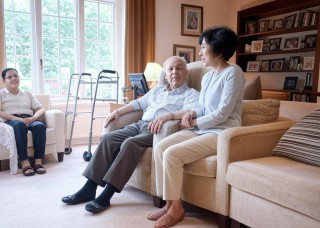
Pioneer Health Care Center in Rocky Ford, CO

Save

  • Interior

    A corridor adorned with vibrant murals, showcasing artistic landscapes and captivating colors.
  • Outdoors

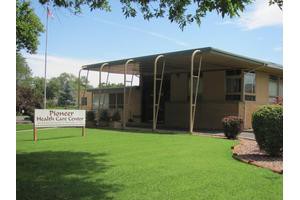
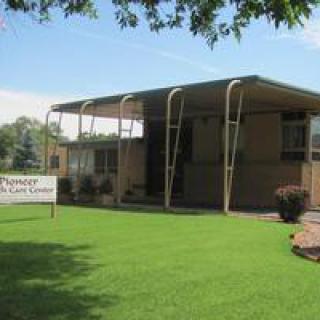
    A small commercial building with a well-maintained lawn and a business sign out front on a sunny day.
  • Building

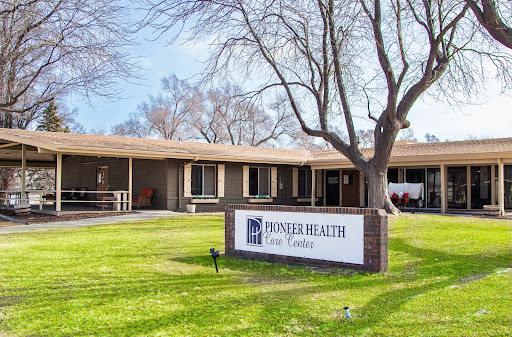
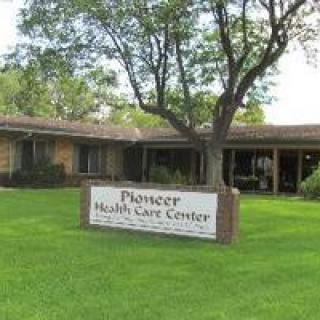
    Pioneer Health facility, showcasing a welcoming exterior surrounded by greenery.
  • Trees

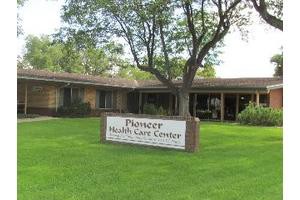
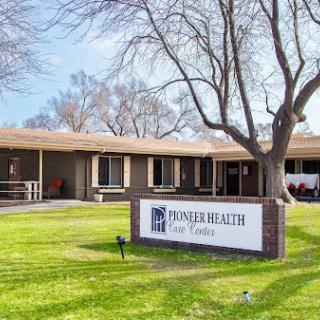
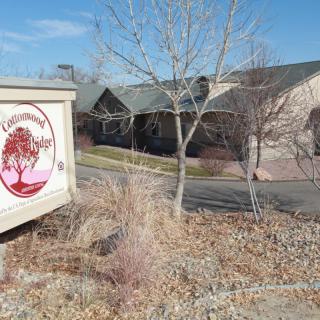
    A view of the Pioneer Health Care Center with a sign in front and surrounding greenery.
  • Lighting

    A corridor adorned with vibrant murals, illuminated by overhead lighting.
  • Healthcare

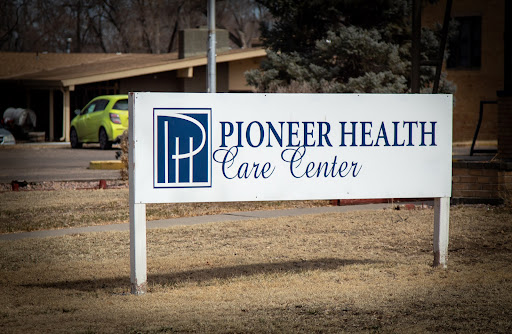
    Entrance sign for Pioneer Health Care Center.
  • Brick Wall

    Interior view of a church featuring a wooden cross on a brick wall.

Pioneer Health Care Center in Rocky Ford, CO

Information last verified:

900 South 12Th Street, Rocky Ford, CO 81067

For more information about senior living options: (844) 490-3973

2.8 from 29 reviews
5 stars
12
4 stars
0
3 stars
2
2 stars
0
1 stars
15

Overall Review of Pioneer Health Care Center

Pros

  • pro Julie and Cayman are among the finest therapists the family has encountered.
  • pro Pioneer has transformed over the past five years, with caring, committed staff delivering excellent care across the board.
  • pro The staff are kind, knowledgeable, and genuinely care about residents, treating them with respect, patience, and compassion.
  • pro Pioneer actively participates in the community, keeping residents connected to the town they’ve spent their lives in.
  • pro The specialty unit provides a higher level of care for the most vulnerable patients, filling a vital community need.
  • pro The facility has extended the lives of residents and comes highly recommended.

Cons

  • pro The reviewer notes cockroaches in the beds and patients sleeping in wheelchairs because of roaches.
  • pro A resident was neglected and deteriorated quickly, requiring ambulance care.
  • pro The staff are described as rude and frequently do not answer the phone.
  • pro The facility is portrayed as understaffed, with gossiping staff, abominable food, and lifeless rooms.
  • pro A CNA is accused of violating state law by operating lifts alone and not providing complete care, making him dangerous.
  • pro A patient is said to scream all night unrestrained.
  • pro The building is described as smelling of urine, dark and dreary, with outdated equipment and safety concerns (e.g., no air conditioning, broken blinds).

Review

Pioneer Health Care Center in Rocky Ford is best suited for families seeking a facility with strong rehabilitation-oriented care and a community-centered vibe, particularly for residents who struggle with cognitive impairment or limited mobility and can benefit from hands-on, professional therapy teams. The setting tends to appeal to guardians who want a place that shows genuine commitment from therapists and nursing staff, a facility that remains connected to its town, and a program that emphasizes structured activity and safety within a specialized care framework. For families prioritizing high-touch therapy, consistent engagement, and a home-like atmosphere near familiar surroundings, Pioneer can be a workable match, provided expectations align with documented capabilities and constraints.

Those who should consider alternatives are families placing the utmost emphasis on flawless day-to-day safety, spotless upkeep, reliable communication, and modern facilities. Several reviews highlight persistent red flags: under-staffing, slow or absent responses to calls for help, front-desk or administrative communication gaps, and maintenance issues that undermine daily comfort and dignity. For residents whose needs extend beyond skilled nursing into consistently dependable care, predictable routines, or pristine surroundings, Pioneer’s inconsistencies in housekeeping, room amenities, and transportation logistics may tip the balance toward other options. In short, when reliability and a corrosion-resistant environment are nonnegotiable, alternatives merit serious consideration.

The most persuasive positives at Pioneer center on rehabilitation excellence and engaged caregiving, and they do offer meaningful counterweights to the downsides in specific contexts. Several reviews praise the occupational and speech therapy teams as highly capable, enthusiastic, and dedicated, with Julie and Cayman singled out for exceptional professionalism. The facility is also described as having a caring, engaged staff across nursing, dietary, housekeeping, and management roles, with a sense of community involvement that keeps residents connected to the town. For a resident whose trajectory depends on meaningful cognitive-stimulation, targeted therapy, and a stable, supportive environment, these strengths can meaningfully offset some day-to-day gaps, so long as safety and basic comforts remain intact.

However, the dominant concerns in the record cannot be discounted. Episodes described as neglectful, including emaciation and dehydration, have been reported, along with accusations of delayed or inadequate responsiveness, and even direct safety hazards such as infestations and aging infrastructure. Complaints about bed quality, outdated hospital beds, limited safety siderails, and a lack of air conditioning point to physical environment risks that undermine dignity and comfort. Communication failures, missed phone calls, unanswered requests, and frustrating front-desk interactions, compound the risk, especially for families relying on timely updates and coordinated care plans. When such issues recur, the clinical advantages of strong therapy teams are often not sufficient to justify the overall risk profile.

Taken together, the key calculus rests on alignment of needs with capabilities. If a resident demands high-intensity rehabilitation, relentless monitoring, and guardianship-level advocacy, Pioneer’s therapy program and a dedicated staff can deliver meaningful progress and a sense of stability, provided the environment supports safety and cleanliness and the operation maintains dependable communication. Conversely, for anyone whose priority is consistently pristine facilities, flawless housekeeping, transparent front-office operations, and reliable transport without recurring mechanical or responsiveness problems, the current mix of strengths and flaws suggests exploring other options first. The contrast is stark enough that a decision should hinge on whether the anticipated gains in therapy and community connection justify the plausible risks in daily care.

For families actively vetting Pioneer, a disciplined, action-focused approach is prudent: tour at different times to observe staff availability, request meetings with nursing leadership and the therapy team, and review the most recent state inspection reports and any corrective action plans. Ask hard questions about staffing ratios on each shift, the cadence of housekeeping, pest control, and bed maintenance, and the status of the transportation fleet. Seek specifics on how resident complaints are tracked and resolved, and request a transparent outline of safety protocols for cognitive and behavioral care. Most importantly, verify that a resident’s individual plan of care is current, detailed, and revisited regularly with family input reflected in concrete updates.

In the end, Pioneer Health Care Center offers a compelling upside for families who prize and fund robust rehabilitation and a community-oriented culture, tempered by notable concerns about day-to-day safety, cleanliness, and administrative responsiveness. The facility can be a strong fit when therapy outcomes and a supportive, engaged staff are the decisive factors, and when guardianship and advocacy needs can be met without compromise. However, for residents whose well-being hinges on consistently spotless surroundings, unwavering staffing reliability, and frictionless communication, Pioneer demands a careful, possibly proactive remediation plan. The prudent path is to weigh the therapy-led potential against the facility’s risk profile, and to pursue a definitive, evidenced-based checklist before placing a loved one in its care.

Features

Housing

  • 101 resident community capacity 101 resident community capacity

Types of Care

  • Skilled Nursing Facility Skilled Nursing FacilitySkilled Nursing Facilities are crucial for seniors as they provide round-the-clock medical care, rehabilitation services, and assistance with daily activities. These facilities ensure that seniors receive the specialized care they need to maintain their health and well-being as they age.

Amenities

  • Air-conditioning Air-conditioningAir conditioning is important for seniors as they are more vulnerable to heat-related illnesses and may have underlying health conditions that make it difficult for them to regulate their body temperature. It helps to keep them comfortable, safe, and healthy in hot weather.
  • Beauty salon Beauty salonBeauty salons are important for seniors because they provide a space for them to feel pampered, socialize, and maintain their personal grooming and hygiene. Regular visits to a beauty salon can help boost seniors' self-esteem and overall well-being.
  • Cable or satellite TV Cable or satellite TVCable or satellite TV is important for seniors because it provides entertainment, news, and companionship, helping to combat loneliness and boredom. It also offers a wide range of programming options tailored to different interests and preferences.
  • Computer center Computer centerA computer center is essential for seniors as it provides access to technology, communication tools, and resources that can enhance their daily lives. It allows them to stay connected with loved ones, engage in online activities, and learn new skills, ultimately promoting socialization and mental stimulation.
  • Dining room Dining roomDining rooms are important for seniors as they provide a space for socialization, connection, and nutritious meals. They offer opportunities for residents to bond over shared meals, foster a sense of community, and promote healthy eating habits. Dining rooms also ensure that seniors have access to well-balanced meals tailored to their dietary needs and preferences.
  • Fitness room Fitness roomHaving a fitness room in a senior living community is essential for seniors to stay active, maintain their physical health, and improve their overall well-being. Regular exercise can help prevent falls, reduce the risk of chronic diseases, and promote mental sharpness. It also provides social opportunities for residents to connect with others and enjoy a sense of community.
  • Fully furnished Fully furnishedFully furnished senior living communities are important for seniors because they provide convenience, comfort, and a hassle-free moving experience. Seniors can easily settle into their new living space without the stress of having to buy and move furniture. This allows them to focus on enjoying their new home and community.
  • Gaming room Gaming roomGaming rooms are important for seniors as they provide a fun and engaging environment for socializing, cognitive stimulation, and physical activity. Games can improve memory, problem-solving skills, and overall mental well-being while fostering friendships and reducing feelings of isolation.
  • Garden GardenGardens are important for seniors as they provide a peaceful and therapeutic environment for relaxation, physical activity, and socialization. Being in nature has been shown to reduce stress, improve mood, and promote overall well-being. Gardens also offer opportunities for seniors to engage in gardening activities, which can improve mobility, flexibility, and cognitive function. Additionally, gardens create a sense of community and connection with others who share a passion for plants and outdoor spaces.
  • Housekeeping services Housekeeping servicesHousekeeping services are important for seniors because they help maintain a clean and safe living environment, promote independence, and reduce the risk of accidents or illnesses. Additionally, having assistance with household chores can alleviate physical strain and allow seniors to focus on other aspects of their well-being.
  • Kitchenette KitchenetteKitchenettes are important for seniors living in senior living communities because they provide the convenience and independence of being able to prepare simple meals and snacks in the comfort of their own living space. This can help promote a sense of autonomy and well-being for seniors, allowing them to maintain some level of control over their dietary choices and daily routines.
  • Move-in coordination Move-in coordinationMove-in coordination is important for seniors because it helps ease the transition into their new living environment. It ensures that all logistics, such as packing, organizing movers, and setting up utilities are taken care of, allowing seniors to focus on settling in and adjusting to their new home. Having a smooth move-in process can alleviate stress and anxiety, making the transition smoother and more enjoyable for seniors.
  • Outdoor space Outdoor spaceOutdoor spaces are important for seniors as they provide opportunities for physical activity, social interaction, exposure to natural light and fresh air, and a sense of connection to nature. Having access to outdoor spaces can improve overall well-being and quality of life for older adults living in senior communities.
  • Private bathrooms Private bathroomsPrivate bathrooms are important for seniors in senior living communities because they provide independence, dignity, and comfort. Having a private bathroom allows seniors to maintain their personal hygiene routines without the need for assistance, promoting a sense of autonomy and privacy. Additionally, private bathrooms help prevent the spread of infections and provide a safe and clean environment for seniors to navigate safely.
  • Restaurant-style dining Restaurant-style diningRestaurant-style dining is important for seniors because it allows them to enjoy delicious, nutritious meals in a social and upscale setting. This enhances their dining experience, promotes healthy eating habits, and fosters socialization with fellow residents, ultimately contributing to their overall well-being and quality of life.
  • Small library Small librarySmall libraries are important for seniors as they provide access to a variety of reading materials, including books, newspapers, and magazines. This can help stimulate their minds, keep them engaged, and provide a sense of community through book clubs and other social activities. Additionally, reading has been shown to improve cognitive function and overall mental well-being in older adults.
  • Telephone TelephoneTelephones are important for seniors as they provide a lifeline for communication with loved ones, emergency services, and healthcare providers. They offer a sense of security and independence, enabling seniors to stay connected and access assistance when needed.
  • Wellness center Wellness centerWellness centers are important for seniors because they offer a variety of programs and services that promote physical, mental, and emotional well-being. These centers provide opportunities for exercise, socialization, education, and relaxation, helping seniors maintain their overall health and quality of life.
  • Wi-Fi/high-speed internet available Wi-Fi/high-speed internet availableWi-Fi/high-speed internet is important for seniors to stay connected with loved ones, access online resources, and participate in virtual activities to combat feelings of loneliness and isolation. It also allows them to easily manage healthcare needs, access entertainment, and engage in lifelong learning opportunities.

Transportation

  • Community operated transportation Community operated transportationCommunity operated transportation is crucial for seniors as it provides them with the means to access essential services, social activities, and medical appointments. It allows seniors to maintain their independence and quality of life by ensuring they can participate in activities outside of their homes. Additionally, community-operated transportation services offer a safe and reliable way for seniors to travel without having to rely on family or friends for assistance.
  • Transportation arrangement Transportation arrangementTransportation arrangements are crucial for seniors as they may face challenges with driving, mobility, or access to public transportation. Having reliable transportation services ensures that seniors can easily attend appointments, social activities, and maintain their independence and quality of life.
  • Transportation arrangement (non-medical) Transportation arrangement (non-medical)Transportation arrangements are essential for seniors as they provide access to essential services, activities, and social interactions outside the home. This service helps maintain independence, mobility, and overall well-being for seniors who may have limited transportation options.
  • Transportation to doctors appointments Transportation to doctors appointmentsTransportation to doctors appointments is crucial for seniors as it ensures they have access to necessary medical care and support, promoting their health and well-being. It allows them to receive timely treatment, monitor existing conditions, and address any new health concerns efficiently. Additionally, transportation services can help seniors maintain their independence and quality of life by enabling them to stay connected with their healthcare providers.

Care Services

  • 12-16 hour nursing 12-16 hour nursing12-16 hour nursing care is crucial for seniors in order to ensure around-the-clock monitoring, timely medication administration, and prompt response to any health concerns or emergencies. This level of care helps to promote the overall well-being and safety of seniors living in senior living communities.
  • 24-hour call system 24-hour call system24-hour call systems are important for seniors because they provide peace of mind and immediate assistance in case of emergencies. This technology ensures that help is always available, promoting safety and security for elderly individuals living alone or in assisted living facilities.
  • 24-hour supervision 24-hour supervision24-hour supervision is important for seniors to ensure their safety, well-being, and access to immediate assistance in case of emergencies or health issues. This constant support provides peace of mind for both seniors and their loved ones, allowing them to age in place with dignity and security.
  • Activities of daily living assistance Activities of daily living assistanceActivities of daily living assistance are important for seniors because they provide essential support with tasks such as eating, bathing, dressing, and mobility. This assistance helps seniors maintain their independence, dignity, and overall quality of life as they age.
  • Assistance with bathing Assistance with bathingAssistance with bathing is crucial for seniors as it helps maintain personal hygiene, prevents infections, and ensures their overall well-being and comfort. It also provides a sense of dignity and independence for seniors who may struggle with this task on their own.
  • Assistance with dressing Assistance with dressingAssistance with dressing is important for seniors because it helps maintain their independence, promotes personal hygiene, prevents accidents and injuries, and improves overall quality of life. This service ensures that seniors can continue to dress comfortably and confidently, despite any physical limitations they may have.
  • Assistance with transfers Assistance with transfersAssistance with transfers is crucial for seniors as it helps prevent falls and injuries, maintains their independence, and ensures they can safely navigate their living environment. It also provides peace of mind for both seniors and their loved ones.
  • Diabetes diet Diabetes dietA diabetes diet is crucial for seniors as it helps manage blood sugar levels, reduce risks of complications, and improve overall health and well-being. By following a balanced and nutritious diet tailored to their specific needs, seniors can better control their diabetes and enhance their quality of life.
  • Meal preparation and service Meal preparation and serviceMeal preparation and service are crucial for seniors as they may have limited mobility or energy to cook nutritious meals. Having access to healthy and convenient food options can ensure they are getting the proper nutrition needed to maintain their overall health and well-being.
  • Medication management Medication managementMedication management is crucial for seniors to ensure they are taking the right medications at the correct dosages and times. This helps prevent adverse drug interactions, reduces the risk of medication errors, and promotes overall health and well-being. Proactive management also allows for adjustments as needed based on changing health conditions or new prescriptions.
  • Mental wellness program Mental wellness programMental wellness programs are essential for seniors as they promote cognitive stimulation, emotional support, and social engagement. These programs help prevent isolation, depression, and cognitive decline, ultimately enhancing the overall quality of life for older adults.
  • Special dietary restrictions Special dietary restrictionsSpecial dietary restrictions are important for seniors because age-related changes in metabolism and health conditions can make it difficult for their bodies to process certain foods. By following a diet tailored to their specific needs, seniors can maintain their overall health and well-being, manage chronic conditions, and reduce the risk of complications such as malnutrition or food interactions with medications.

Dining

  • Diabetes diet Diabetes dietA diabetes diet is crucial for seniors as it helps manage blood sugar levels, reduce risks of complications, and improve overall health and well-being. By following a balanced and nutritious diet tailored to their specific needs, seniors can better control their diabetes and enhance their quality of life.
  • Special dietary restrictions Special dietary restrictionsSpecial dietary restrictions are important for seniors because age-related changes in metabolism and health conditions can make it difficult for their bodies to process certain foods. By following a diet tailored to their specific needs, seniors can maintain their overall health and well-being, manage chronic conditions, and reduce the risk of complications such as malnutrition or food interactions with medications.

Activities

  • Community-sponsored activities Community-sponsored activitiesCommunity-sponsored activities are important for seniors as they provide opportunities for social interaction, mental stimulation, and physical activity. These activities can help improve overall well-being, combat loneliness and isolation, and promote a sense of belonging and purpose among older adults.
  • Concierge services Concierge servicesConcierge services are essential for seniors as they provide assistance with daily tasks and errands, enhance their quality of life by offering convenience and personalized care, and promote a sense of safety and security.
  • Fitness programs Fitness programsFitness programs are crucial for seniors as they help improve strength, flexibility, balance, and overall well-being. Staying active can reduce the risk of chronic diseases, improve mental health, and enhance quality of life in older adults.
  • Planned day trips Planned day tripsPlanned day trips are important for seniors because they offer opportunities for socialization, mental stimulation, and physical activity. They provide a change of scenery and help seniors stay engaged and connected to their community, promoting overall well-being and quality of life.
  • Resident-run activities Resident-run activitiesResident-run activities are important for seniors as they encourage social interaction, creativity, and a sense of autonomy. These activities empower seniors to stay engaged and active in their community while fostering meaningful connections with their peers.
  • Scheduled daily activities Scheduled daily activitiesScheduled daily activities are important for seniors because they provide structure, socialization, mental stimulation, and physical activity. Engaging in regular activities can improve overall well-being and quality of life for seniors living in a community setting.

Description

The Pioneer Health Care Center in Rocky Ford, CO offers a wide range of amenities and care services to meet the needs of its residents. The community features a beauty salon, allowing residents to easily maintain their personal grooming needs. Residents can also enjoy their favorite TV shows and programs with the cable or satellite TV provided.

Transportation is made easy with community-operated transportation and transportation arrangements for non-medical purposes, as well as transportation to doctors appointments. A computer center is available for residents to access the internet and stay connected with loved ones.

Meals are served in a dining room with restaurant-style dining, catering to special dietary restrictions and featuring delicious meal preparation and service. Housekeeping services ensure that the living environment is clean and comfortable at all times.

For recreational activities, residents can engage in fitness routines in the on-site fitness room or participate in planned day trips and daily scheduled activities. There is also a gaming room where residents can enjoy friendly competition. Additionally, there is a small library available for reading enthusiasts.

Residents have access to outdoor spaces including gardens where they can enjoy nature and fresh air. The Wellness Center provides opportunities for mental wellness programs to support overall well-being.

In terms of care services, there is 24-hour call system and supervision to ensure safety at all times. Trained staff are available to assist with activities of daily living such as bathing, dressing, transfers, and medication management. Special dietary restrictions are accommodated for those who require specific diets.

The Pioneer Health Care Center prioritizes convenience by providing move-in coordination services for new residents. Wi-Fi/high-speed internet is available throughout the community.

Additionally, the community benefits from being located near various amenities including cafes, parks, pharmacies, physicians' offices, restaurants, places of worship, and theaters. Residents have easy access to these establishments when they desire a change of scenery or require any additional services.

Overall, the Pioneer Health Care Center offers an inviting assisted living community with a range of amenities and care services to enhance the quality of life for its residents.

Nearby Places of Interest

Places of Worship

  • Rocky Ford Church of the Nazarene (0.1 miles)
  • St Peter's Lutheran Mo Synod (0.2 miles)
  • Southern Baptist Convention (0.3 miles)
  • Valley Community Church (0.3 miles)
  • Family Worship Center (0.3 miles)
  • Church of Christ (0.4 miles)
  • St Peter's Catholic Church (0.6 miles)

Theaters

  • The Grand Theater of Rocky Ford (0.4 miles)
  • Grand Theatre (0.4 miles)

Restaurants

  • Gang Zha Huang (0.5 miles)
  • China Kitchen (0.5 miles)
  • Sweet Indulgent Creations Bakery (0.5 miles)
  • Subway (0.6 miles)
  • Fiesta Restaurant (0.6 miles)
  • The Rock House Bar and Grill (0.8 miles)
  • Encore by Christine's (1 miles)

Physicians

  • Rocky Ford Family Health Center (0.5 miles)
  • Arkansas Valley Regional Medical Center (10.1 miles)
  • Rocky Mountain Cancer Centers (10.3 miles)
  • Michael K Morley & Jesus E Carale (10.3 miles)
  • Qualicenter La Junta (10.4 miles)
  • Abba Eye Care Incorporated (10.4 miles)
  • High Plains Pathology PC (10.8 miles)

Parks

  • Rocky Ford Railroad Park (0.6 miles)
  • National Park Service (10.4 miles)
  • La Junta City Park (10.5 miles)
  • Rattler Football Field (10.7 miles)
  • Conastoga Park Ordway (12.2 miles)
  • Bent's Old Fort National Historic Site (15.8 miles)
  • Junkrassic Park (16.4 miles)

Cafes

  • The Coffea Shop (0.6 miles)
  • Peet's Coffee and Tea (7.6 miles)
  • The Barista (10.3 miles)
  • Copper Kitchen (10.4 miles)
  • Thyme Out Diner (10.4 miles)
  • Boomers Cafe (12 miles)
  • Lynette's Sugar City Cafe (13.4 miles)

Pharmacies

  • Harris Pharmacy (0.6 miles)
  • Health Mart Pharmacy (0.6 miles)
  • Walmart Pharmacy (7.6 miles)
  • Safeway Pharmacy (10.2 miles)
  • Opera House Pharmacy (10.4 miles)
  • Arkansas Valley Accumed (12 miles)

Transportation

  • U-Haul (8.3 miles)
  • U-Haul Neighborhood Dealer (9.1 miles)
  • U-Haul Neighborhood Dealer (12.2 miles)

Hospitals

  • Arkansas Valley Regional Medical Center (10.3 miles)
  • Avrmc (10.3 miles)

Frequently Asked Questions

Where is Pioneer Health Care Center?
What photos are available for Pioneer Health Care Center in Rocky Ford, Colorado?

Nearby Communities

  • Cottonwood Ridge

    Cottonwood Ridge

    Rocky Ford, CO

    4.3 from 6 reviews
    $3,850 / month

    pro Friendly, knowledgeable staff in a welcoming, engaging environment.
  • Casa Del Sol

    Casa Del Sol

    La Junta, CO

     
    $765 to $900 / month

    pro Affordable, county-aligned pricing with abundant nearby amenities.

  • Evergreen Gardens

    Evergreen Gardens

    La Junta, CO

    3.9 from 7 reviews
     

    pro Spiritual support and social engagement with diabetes care in a comfortable setting.

  • Evergreen Gardens At La Junta

    Evergreen Gardens At La Junta

    La Junta, CO

    3.9 from 7 reviews
     

    pro Comprehensive amenities and care (dining, transportation, wellness, activities).

  • Golden Maple Villa

    Golden Maple Villa

    La Junta, CO

    5 from 2 reviews
     

    pro Serene setting with extensive nearby amenities (healthcare, dining, parks, worship).

  • Arkansas Valley Regional Ctr Long Term Care

    Arkansas Valley Regional Ctr Long Term Care

    La Junta, CO

    2.4 from 105 reviews
     

    pro Peaceful setting with easy access to dining, parks, pharmacies, and nearby doctors/hospitals.

Related Resources