Julia Temple Healthcare Center in Englewood, CO

Save

  • Interior

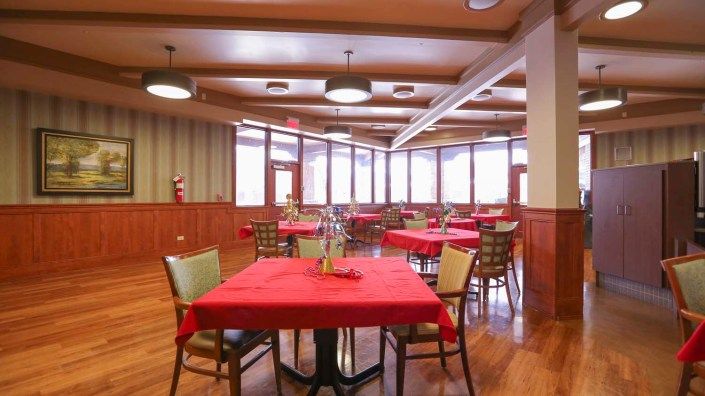
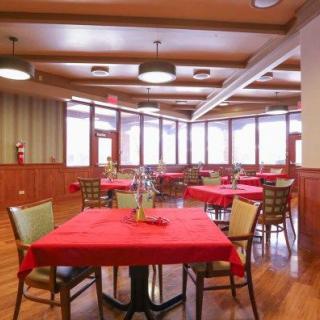
    An empty restaurant dining area with red tablecloths and wooden chairs.
  • Living Room

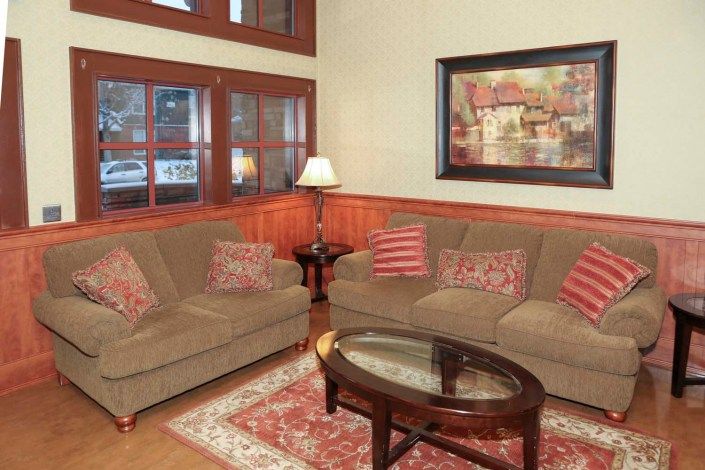
    A cozy living room with brown sofas, a glass coffee table, and a patterned rug.
  • Building

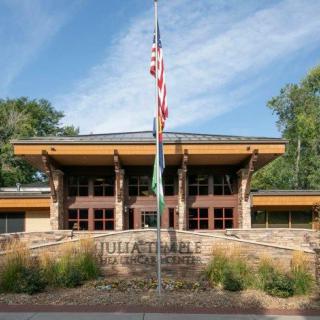
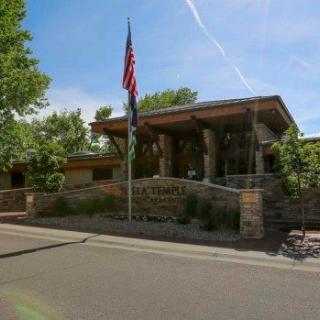
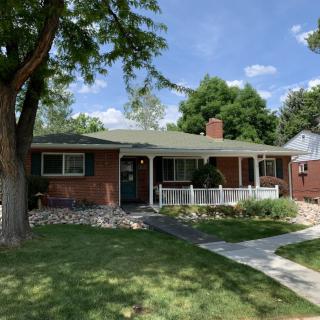
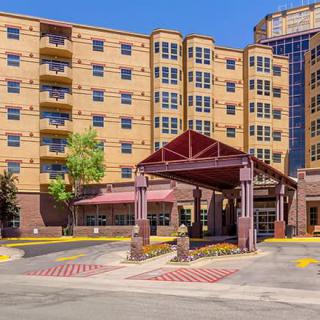
    Front view of a school building with an American flag and trees surrounding it.
  • Architecture

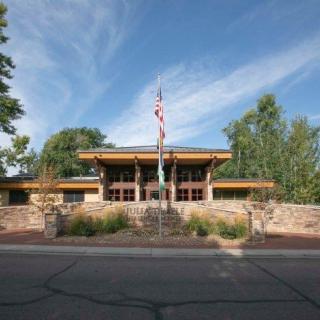
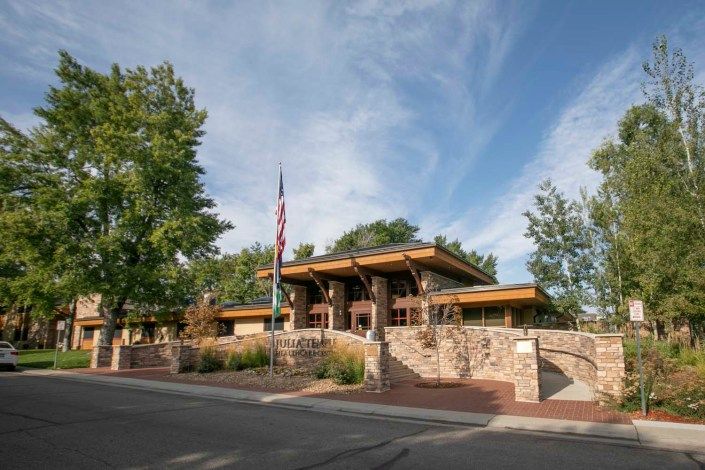
    A public library with a flagpole in front, surrounded by trees and set against a clear blue sky.
  • Bedroom

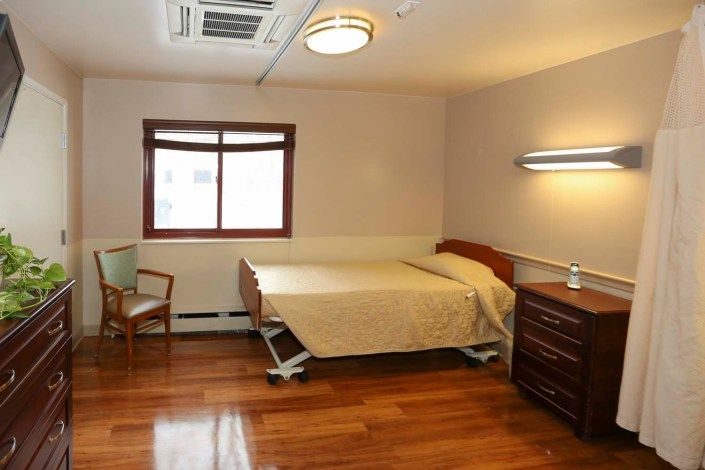
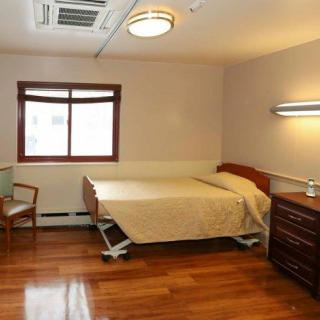
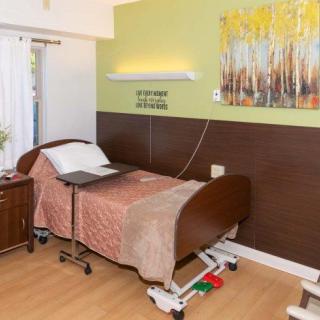
    A clean and simple hospital room with a single bed, window, and wooden flooring.
  • Trees

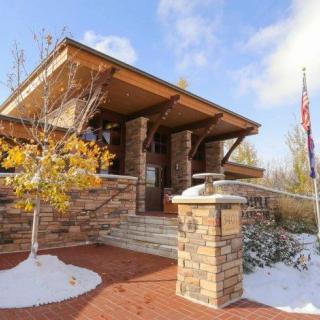
    A modern brick building surrounded by snow, featuring an American flag and trees with autumn leaves.
  • Dining

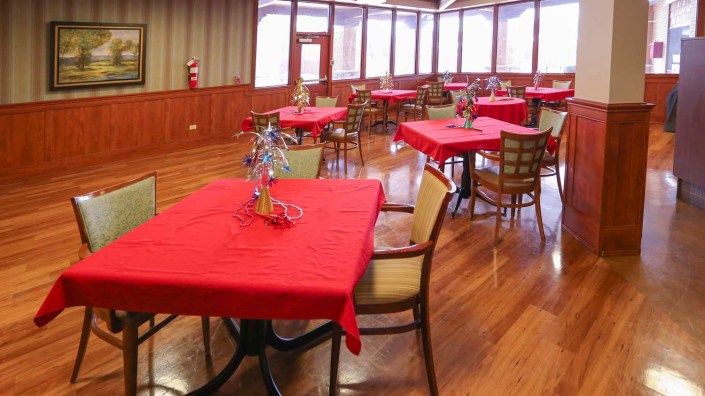
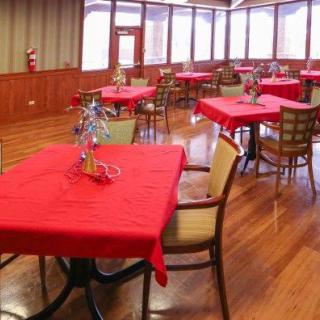
    A cozy restaurant dining area with red tablecloths and wooden flooring.
  • Kitchen

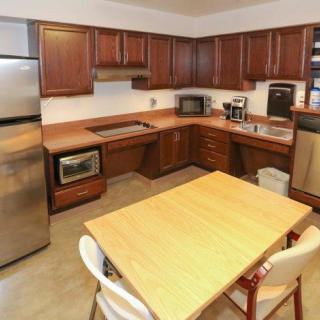
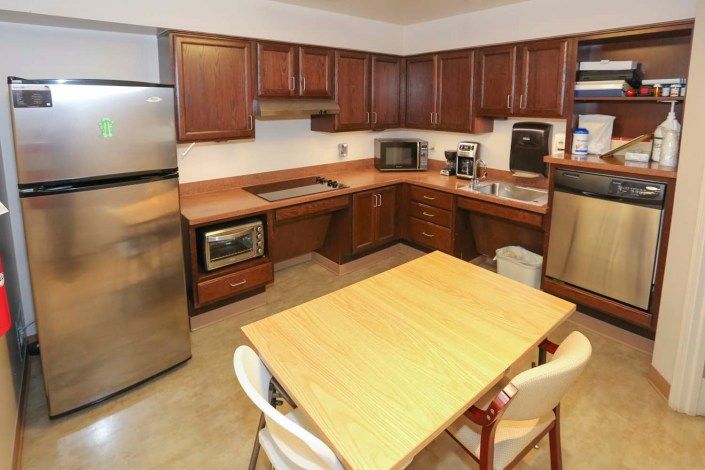
    A kitchen with wooden cabinets, a central table, and various appliances including a microwave and refrigerator.
  • Lighting

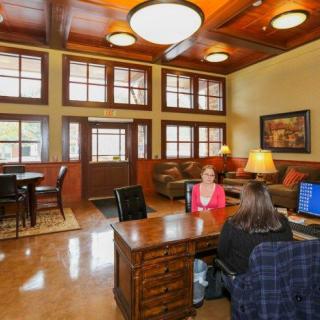
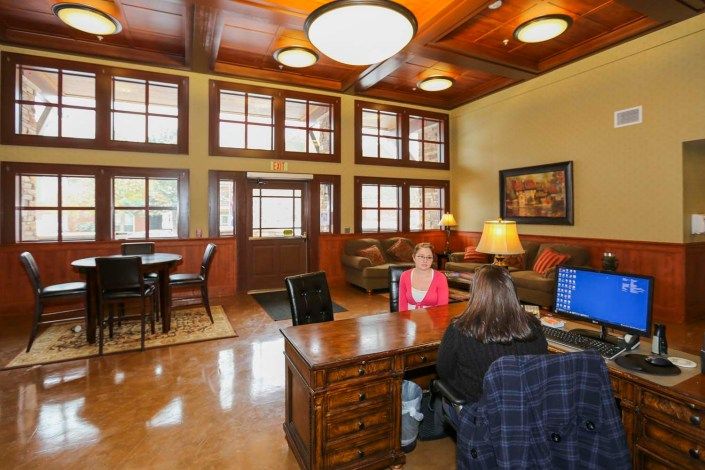
    A welcoming office reception area with a wooden ceiling, featuring a desk where two people are seated and a cozy lounge space in the background.
  • Entrance

    A building entrance with an American flag and greenery around.
  • Bathroom

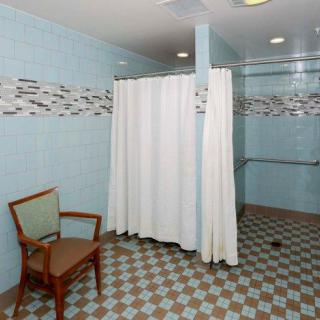
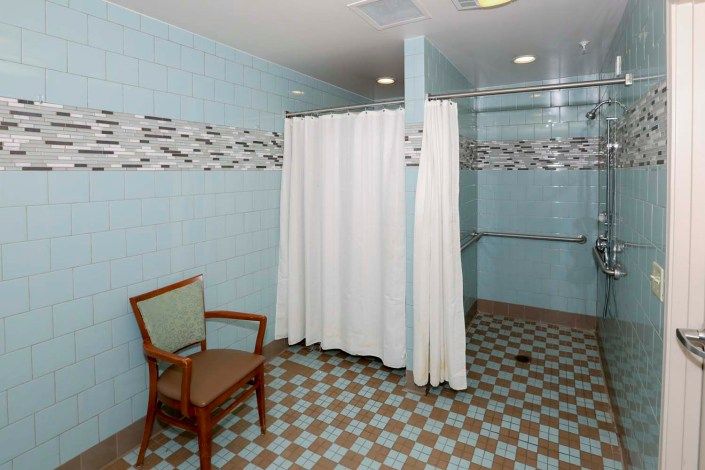
    A bathroom with a shower area, featuring a curtain and a chair beside, with tiled walls.
  • Nature

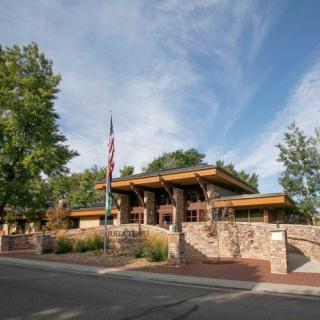
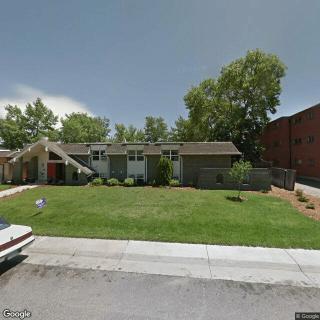
    A modern house with distinct architectural design, surrounded by trees and a clear sky, featuring an American flag in front.
  • Exercise Equipment

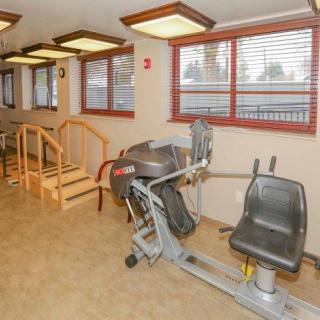
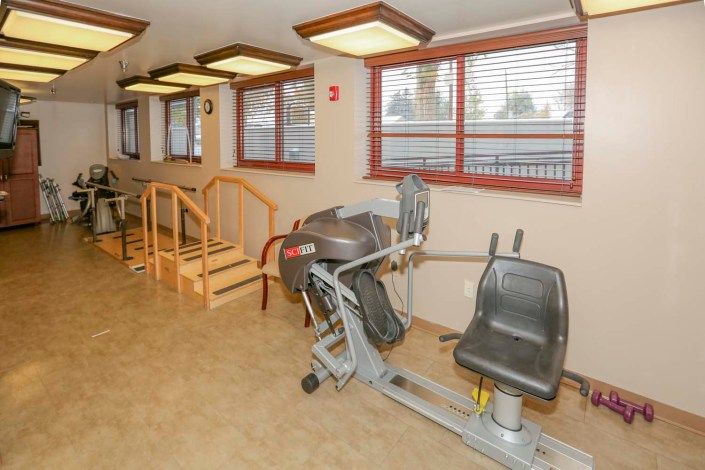
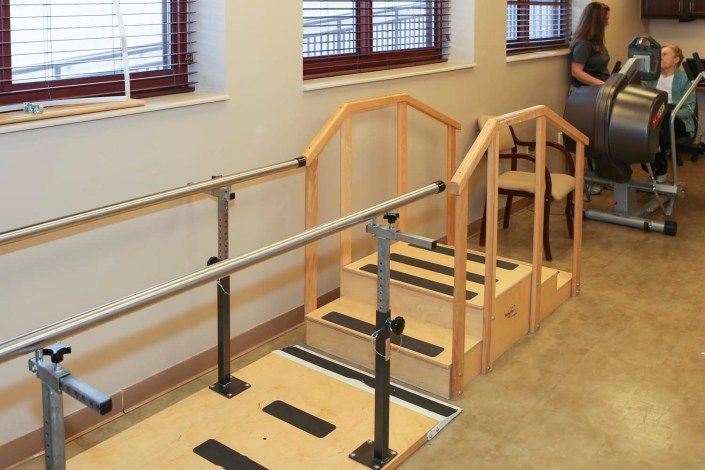
    A rehabilitation gym featuring exercise equipment and a set of stairs.
  • Healthcare

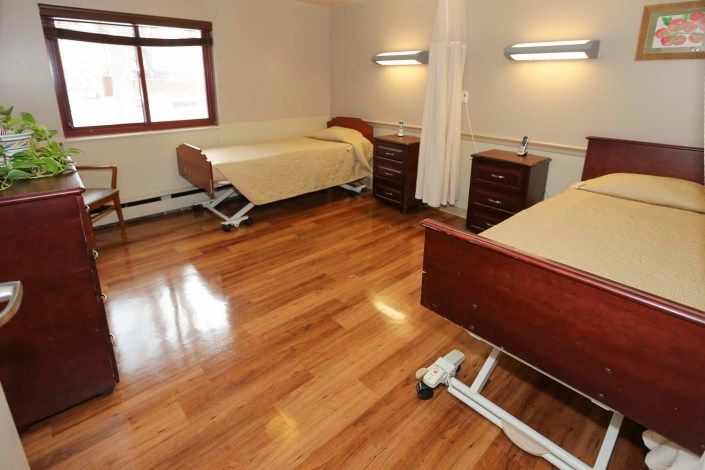
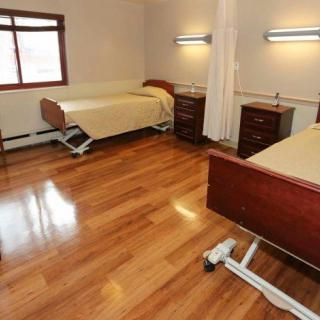
    A clean, simple hospital room with two beds and wooden flooring.

Julia Temple Healthcare Center in Englewood, CO

3401 South Lafayette Street, Englewood, CO 80113

For more information about senior living options: (844) 490-3973

3.5 from 108 reviews
5 stars
58
4 stars
10
3 stars
3
2 stars
1
1 stars
36

Skilled Nursing Facility

Overall Review of Julia Temple Healthcare Center

Pros

  • pro The staff are caring, compassionate, and treat residents with respect.
  • pro The facility is clean, well maintained, and has beautiful grounds.
  • pro The therapy team is excellent and helps residents regain strength.
  • pro Admissions, front desk, and social workers are warm, supportive, and communicative.
  • pro The meals offer variety and are flavorful.
  • pro Families feel heard and supported by the staff.
  • pro Activities and outdoor spaces provide engaging, positive experiences for residents.
  • pro The care team is dedicated, professional, and goes above and beyond for patients.
  • pro Discharge planning is well-handled, with clear guidance for rehab graduates.
  • pro Outdoor time and sunshine are prioritized, contributing to a welcoming environment.

Cons

  • pro The facility left a resident lying in his own urine from day one, signaling neglect.
  • pro The director and head nurse allegedly sleep during night shifts and neglect residents, with issues reportedly swept under the rug.
  • pro Medications were forgotten or not administered, and timely responses were lacking, creating unsafe conditions.
  • pro The building and rooms were described as dirty, outdated, and smelling of urine, with cramped shared spaces and unsafe equipment.
  • pro Staff were accused of being rude, belittling, or dismissive toward residents and their families.
  • pro There were serious allegations of abuse, fraud, and harassment related to Medicaid information and billing, including threats of police involvement.
  • pro Personal belongings, including clothes and dentures, were lost or misplaced with little accountability.
  • pro The center was labeled a cash grab, delaying discharges to maximize insurance payments and not suitable for rehab.

Review

Julia Temple Healthcare Center in Englewood is best suited for families pursuing a rehab-focused stay where the goal is a strong, therapy-driven return home and where family involvement and oversight are part of the plan. This community can work well for seniors who enter for short-term rehabilitation after hospitalization and who value clear discharge planning, attentive therapy teams, and staff who listen to concerns. Those considering alternatives should note that long-term care with heavy dementia needs, highly consistent safety mandates, or a pristine, high-touch environment may be better served elsewhere. In short, this is a rehab-forward option with notable caveats that demand careful due diligence.

The strongest claims in Julia Temple's favor come from therapists, discharge planners, and front-line staff who show genuine commitment to residents' improvements and daily comfort. Families repeatedly highlight skilled therapy teams, personalized attention from therapists, and a collaborative approach to getting residents back on their feet. Several reviews commend the social workers and discharge coordinators for thorough, responsive communication, and a number of residents benefit from a warm, approachable front desk and a generally friendly campus atmosphere. When care teams align with families' goals, positive progress and smoother transitions home are not uncommon.

Yet the cons in the record cannot be dismissed. The most persistent and troubling themes center on understaffing and uneven supervision, with multiple accounts of missed or delayed care, medication gaps, and frequent reports of hygiene or safety lapses. Accounts range from rooms that feel dated or ill maintained to complaints about beds, alarms, and cleanliness, alongside accusations of staff rushing or inadequately responding to urgent needs. Some families describe communication gaps, perceived retaliation, and concerns about management responsiveness. Taken together, these issues create a real risk environment for residents who require consistent, high-touch supervision.

The key pros do not fully offset the main cons for all families, but they do for a specific subset. For those whose primary objective is a successful, short-term rehab with a focused therapy plan and who can participate actively in discharge decisions, the positive therapy outcomes and proactive family communication can outweigh reliability concerns. When families are able to collaborate with therapists and discharge staff, and when a resident responds well to rehabilitation, Julia Temple can deliver meaningful gains and a clear pathway back to home life. However, for long-term residents or those with complex medical needs requiring unwavering monitoring, the reliability gaps highlighted in many reviews can erode confidence and compromise day-to-day safety.

Alternatives deserve strong consideration for families prioritizing long-term stability, pristine upkeep, or highly consistent supervision. If fears about understaffing, repeated safety incidents, or administrative opacity are salient, exploring other options with stronger long-term care track records or transparent governance is prudent. Prospective families should especially scrutinize the specific unit and its staffing patterns, as experiences vary by wing and shift. In short, for dementia care, high-needs medical management, or families unwilling to contend with reports of miscommunication and inconsistent response, a different facility is advisable.

Practical steps finalize a decision: tour thoroughly with specific questions about staff-to-resident ratios, night-shift coverage, fall prevention, and medication administration protocols. Request a candid conversation with the unit director, the head nurse on the unit, and the therapy lead to understand how concerns are addressed and tracked. Review recent state inspection findings and ask for current remediation plans. Check in with multiple families who have recent experience, solicit a detailed discharge plan, and verify item inventories at intake and discharge. Above all, weigh the rehab potential against the facility's safety and consistency track record. If the emphasis is on robust, predictable long-term care with unwavering oversight, Julia Temple should be approached as a contingent choice rather than a first option. For families prioritizing outcome-driven rehabilitation and active partnership, it remains a viable, if imperfect, path back toward independence.

Features

Housing

  • 128 resident community capacity 128 resident community capacity

Types of Care

  • Skilled Nursing Facility Skilled Nursing FacilitySkilled Nursing Facilities are crucial for seniors as they provide round-the-clock medical care, rehabilitation services, and assistance with daily activities. These facilities ensure that seniors receive the specialized care they need to maintain their health and well-being as they age.

Amenities

  • Air-conditioning Air-conditioningAir conditioning is important for seniors as they are more vulnerable to heat-related illnesses and may have underlying health conditions that make it difficult for them to regulate their body temperature. It helps to keep them comfortable, safe, and healthy in hot weather.
  • Beauty salon Beauty salonBeauty salons are important for seniors because they provide a space for them to feel pampered, socialize, and maintain their personal grooming and hygiene. Regular visits to a beauty salon can help boost seniors' self-esteem and overall well-being.
  • Cable or satellite TV Cable or satellite TVCable or satellite TV is important for seniors because it provides entertainment, news, and companionship, helping to combat loneliness and boredom. It also offers a wide range of programming options tailored to different interests and preferences.
  • Computer center Computer centerA computer center is essential for seniors as it provides access to technology, communication tools, and resources that can enhance their daily lives. It allows them to stay connected with loved ones, engage in online activities, and learn new skills, ultimately promoting socialization and mental stimulation.
  • Dining room Dining roomDining rooms are important for seniors as they provide a space for socialization, connection, and nutritious meals. They offer opportunities for residents to bond over shared meals, foster a sense of community, and promote healthy eating habits. Dining rooms also ensure that seniors have access to well-balanced meals tailored to their dietary needs and preferences.
  • Fitness room Fitness roomHaving a fitness room in a senior living community is essential for seniors to stay active, maintain their physical health, and improve their overall well-being. Regular exercise can help prevent falls, reduce the risk of chronic diseases, and promote mental sharpness. It also provides social opportunities for residents to connect with others and enjoy a sense of community.
  • Fully furnished Fully furnishedFully furnished senior living communities are important for seniors because they provide convenience, comfort, and a hassle-free moving experience. Seniors can easily settle into their new living space without the stress of having to buy and move furniture. This allows them to focus on enjoying their new home and community.
  • Gaming room Gaming roomGaming rooms are important for seniors as they provide a fun and engaging environment for socializing, cognitive stimulation, and physical activity. Games can improve memory, problem-solving skills, and overall mental well-being while fostering friendships and reducing feelings of isolation.
  • Garden GardenGardens are important for seniors as they provide a peaceful and therapeutic environment for relaxation, physical activity, and socialization. Being in nature has been shown to reduce stress, improve mood, and promote overall well-being. Gardens also offer opportunities for seniors to engage in gardening activities, which can improve mobility, flexibility, and cognitive function. Additionally, gardens create a sense of community and connection with others who share a passion for plants and outdoor spaces.
  • Housekeeping services Housekeeping servicesHousekeeping services are important for seniors because they help maintain a clean and safe living environment, promote independence, and reduce the risk of accidents or illnesses. Additionally, having assistance with household chores can alleviate physical strain and allow seniors to focus on other aspects of their well-being.
  • Kitchenette KitchenetteKitchenettes are important for seniors living in senior living communities because they provide the convenience and independence of being able to prepare simple meals and snacks in the comfort of their own living space. This can help promote a sense of autonomy and well-being for seniors, allowing them to maintain some level of control over their dietary choices and daily routines.
  • Move-in coordination Move-in coordinationMove-in coordination is important for seniors because it helps ease the transition into their new living environment. It ensures that all logistics, such as packing, organizing movers, and setting up utilities are taken care of, allowing seniors to focus on settling in and adjusting to their new home. Having a smooth move-in process can alleviate stress and anxiety, making the transition smoother and more enjoyable for seniors.
  • Outdoor space Outdoor spaceOutdoor spaces are important for seniors as they provide opportunities for physical activity, social interaction, exposure to natural light and fresh air, and a sense of connection to nature. Having access to outdoor spaces can improve overall well-being and quality of life for older adults living in senior communities.
  • Private bathrooms Private bathroomsPrivate bathrooms are important for seniors in senior living communities because they provide independence, dignity, and comfort. Having a private bathroom allows seniors to maintain their personal hygiene routines without the need for assistance, promoting a sense of autonomy and privacy. Additionally, private bathrooms help prevent the spread of infections and provide a safe and clean environment for seniors to navigate safely.
  • Restaurant-style dining Restaurant-style diningRestaurant-style dining is important for seniors because it allows them to enjoy delicious, nutritious meals in a social and upscale setting. This enhances their dining experience, promotes healthy eating habits, and fosters socialization with fellow residents, ultimately contributing to their overall well-being and quality of life.
  • Small library Small librarySmall libraries are important for seniors as they provide access to a variety of reading materials, including books, newspapers, and magazines. This can help stimulate their minds, keep them engaged, and provide a sense of community through book clubs and other social activities. Additionally, reading has been shown to improve cognitive function and overall mental well-being in older adults.
  • Telephone TelephoneTelephones are important for seniors as they provide a lifeline for communication with loved ones, emergency services, and healthcare providers. They offer a sense of security and independence, enabling seniors to stay connected and access assistance when needed.
  • Wellness center Wellness centerWellness centers are important for seniors because they offer a variety of programs and services that promote physical, mental, and emotional well-being. These centers provide opportunities for exercise, socialization, education, and relaxation, helping seniors maintain their overall health and quality of life.
  • Wi-Fi/high-speed internet available Wi-Fi/high-speed internet availableWi-Fi/high-speed internet is important for seniors to stay connected with loved ones, access online resources, and participate in virtual activities to combat feelings of loneliness and isolation. It also allows them to easily manage healthcare needs, access entertainment, and engage in lifelong learning opportunities.

Transportation

  • Denver International (21 miles away) Denver International (21 miles away)
  • Community operated transportation Community operated transportationCommunity operated transportation is crucial for seniors as it provides them with the means to access essential services, social activities, and medical appointments. It allows seniors to maintain their independence and quality of life by ensuring they can participate in activities outside of their homes. Additionally, community-operated transportation services offer a safe and reliable way for seniors to travel without having to rely on family or friends for assistance.
  • Transportation arrangement Transportation arrangementTransportation arrangements are crucial for seniors as they may face challenges with driving, mobility, or access to public transportation. Having reliable transportation services ensures that seniors can easily attend appointments, social activities, and maintain their independence and quality of life.
  • Transportation arrangement (non-medical) Transportation arrangement (non-medical)Transportation arrangements are essential for seniors as they provide access to essential services, activities, and social interactions outside the home. This service helps maintain independence, mobility, and overall well-being for seniors who may have limited transportation options.
  • Transportation to doctors appointments Transportation to doctors appointmentsTransportation to doctors appointments is crucial for seniors as it ensures they have access to necessary medical care and support, promoting their health and well-being. It allows them to receive timely treatment, monitor existing conditions, and address any new health concerns efficiently. Additionally, transportation services can help seniors maintain their independence and quality of life by enabling them to stay connected with their healthcare providers.

Care Services

  • 12-16 hour nursing 12-16 hour nursing12-16 hour nursing care is crucial for seniors in order to ensure around-the-clock monitoring, timely medication administration, and prompt response to any health concerns or emergencies. This level of care helps to promote the overall well-being and safety of seniors living in senior living communities.
  • 24-hour call system 24-hour call system24-hour call systems are important for seniors because they provide peace of mind and immediate assistance in case of emergencies. This technology ensures that help is always available, promoting safety and security for elderly individuals living alone or in assisted living facilities.
  • 24-hour supervision 24-hour supervision24-hour supervision is important for seniors to ensure their safety, well-being, and access to immediate assistance in case of emergencies or health issues. This constant support provides peace of mind for both seniors and their loved ones, allowing them to age in place with dignity and security.
  • Activities of daily living assistance Activities of daily living assistanceActivities of daily living assistance are important for seniors because they provide essential support with tasks such as eating, bathing, dressing, and mobility. This assistance helps seniors maintain their independence, dignity, and overall quality of life as they age.
  • Assistance with bathing Assistance with bathingAssistance with bathing is crucial for seniors as it helps maintain personal hygiene, prevents infections, and ensures their overall well-being and comfort. It also provides a sense of dignity and independence for seniors who may struggle with this task on their own.
  • Assistance with dressing Assistance with dressingAssistance with dressing is important for seniors because it helps maintain their independence, promotes personal hygiene, prevents accidents and injuries, and improves overall quality of life. This service ensures that seniors can continue to dress comfortably and confidently, despite any physical limitations they may have.
  • Assistance with transfers Assistance with transfersAssistance with transfers is crucial for seniors as it helps prevent falls and injuries, maintains their independence, and ensures they can safely navigate their living environment. It also provides peace of mind for both seniors and their loved ones.
  • Diabetes diet Diabetes dietA diabetes diet is crucial for seniors as it helps manage blood sugar levels, reduce risks of complications, and improve overall health and well-being. By following a balanced and nutritious diet tailored to their specific needs, seniors can better control their diabetes and enhance their quality of life.
  • Meal preparation and service Meal preparation and serviceMeal preparation and service are crucial for seniors as they may have limited mobility or energy to cook nutritious meals. Having access to healthy and convenient food options can ensure they are getting the proper nutrition needed to maintain their overall health and well-being.
  • Medication management Medication managementMedication management is crucial for seniors to ensure they are taking the right medications at the correct dosages and times. This helps prevent adverse drug interactions, reduces the risk of medication errors, and promotes overall health and well-being. Proactive management also allows for adjustments as needed based on changing health conditions or new prescriptions.
  • Mental wellness program Mental wellness programMental wellness programs are essential for seniors as they promote cognitive stimulation, emotional support, and social engagement. These programs help prevent isolation, depression, and cognitive decline, ultimately enhancing the overall quality of life for older adults.
  • Special dietary restrictions Special dietary restrictionsSpecial dietary restrictions are important for seniors because age-related changes in metabolism and health conditions can make it difficult for their bodies to process certain foods. By following a diet tailored to their specific needs, seniors can maintain their overall health and well-being, manage chronic conditions, and reduce the risk of complications such as malnutrition or food interactions with medications.
  • Transportation to doctors appointments Transportation to doctors appointmentsTransportation to doctors appointments is crucial for seniors as it ensures they have access to necessary medical care and support, promoting their health and well-being. It allows them to receive timely treatment, monitor existing conditions, and address any new health concerns efficiently. Additionally, transportation services can help seniors maintain their independence and quality of life by enabling them to stay connected with their healthcare providers.

Dining

  • Diabetes diet Diabetes dietA diabetes diet is crucial for seniors as it helps manage blood sugar levels, reduce risks of complications, and improve overall health and well-being. By following a balanced and nutritious diet tailored to their specific needs, seniors can better control their diabetes and enhance their quality of life.
  • Special dietary restrictions Special dietary restrictionsSpecial dietary restrictions are important for seniors because age-related changes in metabolism and health conditions can make it difficult for their bodies to process certain foods. By following a diet tailored to their specific needs, seniors can maintain their overall health and well-being, manage chronic conditions, and reduce the risk of complications such as malnutrition or food interactions with medications.

Activities

  • Community-sponsored activities Community-sponsored activitiesCommunity-sponsored activities are important for seniors as they provide opportunities for social interaction, mental stimulation, and physical activity. These activities can help improve overall well-being, combat loneliness and isolation, and promote a sense of belonging and purpose among older adults.
  • Concierge services Concierge servicesConcierge services are essential for seniors as they provide assistance with daily tasks and errands, enhance their quality of life by offering convenience and personalized care, and promote a sense of safety and security.
  • Fitness programs Fitness programsFitness programs are crucial for seniors as they help improve strength, flexibility, balance, and overall well-being. Staying active can reduce the risk of chronic diseases, improve mental health, and enhance quality of life in older adults.
  • Planned day trips Planned day tripsPlanned day trips are important for seniors because they offer opportunities for socialization, mental stimulation, and physical activity. They provide a change of scenery and help seniors stay engaged and connected to their community, promoting overall well-being and quality of life.
  • Resident-run activities Resident-run activitiesResident-run activities are important for seniors as they encourage social interaction, creativity, and a sense of autonomy. These activities empower seniors to stay engaged and active in their community while fostering meaningful connections with their peers.
  • Scheduled daily activities Scheduled daily activitiesScheduled daily activities are important for seniors because they provide structure, socialization, mental stimulation, and physical activity. Engaging in regular activities can improve overall well-being and quality of life for seniors living in a community setting.

Description

Julia Temple Healthcare Center is an assisted living community located in Englewood, CO. This vibrant and inviting community offers a wide range of amenities and care services to enhance the quality of life for its residents.

The community features a beauty salon where residents can indulge in pampering treatments, ensuring they always look and feel their best. Residents can also enjoy their favorite shows or movies with the convenience of cable or satellite TV in their own private rooms.

To promote socialization and engagement, Julia Temple Healthcare Center offers community-operated transportation for outings and activities. Residents can also stay connected with loved ones through the computer center and Wi-Fi/high-speed internet available throughout the community.

Mealtimes are something to look forward to at Julia Temple Healthcare Center, with a dining room offering restaurant-style dining. Special dietary restrictions are accommodated to ensure that every resident receives delicious and nutritious meals.

Residents have access to various recreational spaces within the community, including a fitness room for physical exercise, a gaming room for entertainment, and a small library for leisurely reading. Outdoor enthusiasts can take advantage of the garden and outdoor spaces to relax or engage in gardening activities.

The care services provided at Julia Temple Healthcare Center include 24-hour call system and supervision for added peace of mind. Trained staff members are available to provide assistance with activities of daily living, such as bathing, dressing, and transfers. Medication management ensures that residents receive their medications promptly and accurately.

Mental wellness is prioritized at Julia Temple Healthcare Center with a dedicated program aimed at promoting emotional well-being among residents. Transportation arrangements are available both for non-medical purposes and transportation to doctors' appointments.

In addition to the amenities and care services offered within the community, there are several convenient options nearby. Residents have easy access to cafes, parks, pharmacies, physicians' offices, restaurants, places of worship, and hospitals.

Overall, Julia Temple Healthcare Center provides a vibrant and supportive environment for seniors in need of assisted living. With a variety of amenities, care services, and convenient nearby options, residents can enjoy a comfortable and fulfilling lifestyle.

Nearby Places of Interest

Physicians

  • Colorado Surgical Arts (0.5 miles)
  • Porter Adventist Hospital (1.1 miles)
  • Cherry Creek Pediatrics (3.9 miles)
  • Centennial Family Care (4.6 miles)
  • Invision Sally Jobe at Centrum DTC | Surgical Center (4.7 miles)
  • Biote (4.8 miles)
  • DTC Family Health & Walk-In (4.8 miles)

Restaurants

  • Englewood Grand (0.9 miles)
  • Chick-Fil-A (1 miles)
  • McDonald's (1.3 miles)
  • McDonald's (2.8 miles)
  • Raising Cane's Chicken Fingers (3.3 miles)
  • Chick-Fil-A (3.8 miles)
  • Bull & Bush (3.9 miles)

Pharmacies

  • Walgreens (0.9 miles)
  • Walgreens (1.7 miles)
  • Walgreens (1.8 miles)
  • Walgreens (2.2 miles)
  • Walgreens (3.3 miles)
  • Walgreens (3.3 miles)
  • Walgreens (3.5 miles)

Cafes

  • Starbucks (1.1 miles)
  • Starbucks (2 miles)
  • Stella's Coffee House (2.5 miles)
  • Starbucks (4.2 miles)
  • Black Rock Coffee Bar (4.3 miles)
  • Starbucks (4.5 miles)
  • Starbucks (4.6 miles)

Parks

  • Mamie D Eisenhower Park (1.9 miles)
  • Ruby Park (2.7 miles)
  • Overland Pond Park (2.8 miles)
  • Washington Park (3.2 miles)
  • Bonnie Brae Ellipse Park (3.3 miles)
  • Ash Grove Park (3.4 miles)
  • Infinity Park (3.6 miles)

Places of Worship

  • Temple Sinai (2.4 miles)
  • St John's Cathedral (5.8 miles)
  • Mission Hills Church (6.2 miles)

Hospitals

  • Cherry Creek Eye Center (3.9 miles)
  • Webb Center for Primary Care (5.1 miles)
  • National Jewish Health (6.1 miles)

Theaters

  • Amc 9+Co 1 (5.4 miles)
  • Alamo Drafthouse Littleton (5.7 miles)
  • Regal UA Denver Pavilions 4DX & RPX (6.2 miles)

Transportation

  • Arapahoe Light Rail Station (5.8 miles)

Frequently Asked Questions

Where is Julia Temple Healthcare Center?
What photos are available for Julia Temple Healthcare Center in Englewood, Colorado?

Nearby Communities

  • Chateau des Mons Care

    Chateau des Mons Care

    Englewood, CO

    4 from 23 reviews
    $4,740 to $5,760 / month

    pro Accurate diagnoses and streamlined medication management with compassionate staff.
  • Chateau Des Mons Care And Assisted Living

    Chateau Des Mons Care And Assisted Living

    Englewood, CO


    pro 24/7 supervision with specialized memory care programming

  • Brookdale Meridian Englewood

    Brookdale Meridian Englewood

    Englewood, CO

    4.1 from 118 reviews
    $3,495 to $3,995 / month

    pro Strong direct-care staff with engaging activities and a welcoming environment.

  • Serenity House Assisted Living VI

    Serenity House Assisted Living VI

    Englewood, CO

    4.4 from 13 reviews
    $5,200 to $6,500 / month

    pro Cozy, home-like environment with attentive staff and engaging activities.

  • The Belleview - Dial Senior Living

    The Belleview - Dial Senior Living

    Englewood, CO

    4.7 from 101 reviews
     

    pro Resort-like setting with mountain views, attentive staff, varied dining, and engaging activities.

  • Englewood Post Acute And Rehabilitation

    Englewood Post Acute And Rehabilitation

    Englewood, CO


    pro Comprehensive amenities and round-the-clock care.

  • Brookdale University Park

    Brookdale University Park

    Denver, CO

    4.5 from 93 reviews
    $3,200 to $3,850 / month

    pro Caring staff and a welcoming community with spacious apartments.

  • Clermont Park

    Clermont Park

    Denver, CO

    4 from 83 reviews
    $1,330 to $8,184 / month

    pro Friendly, helpful staff; attractive amenities and on-site services.

  • Aspen Siesta

    Aspen Siesta

    Denver, CO

    3.6 from 15 reviews
    $8,300 / month

    pro Exceptional atmosphere with attentive, personalized care and a favorable staff-to-resident ratio.

Related Resources

  • obtaining power of attorney without consentA Comprehensive Exploration of Common Misunderstandings about Powers of Attorney

    The article clarifies common misconceptions about Powers of Attorney (POA), highlighting the necessity of the principal's consent, the limitations on an agent's authority, and the importance of mental capacity when signing. It also distinguishes between various types of POAs, addresses concerns about potential abuse, and emphasizes the need for legal consultation to ensure valid and up-to-date documents.

  • senior move managementSenior Move Management: Understanding the Role, Value, and Associated Costs

    Senior move management provides specialized support for older adults relocating by assisting with logistics, emotional challenges, and downsizing decisions to ensure a smooth transition to new living environments. These services address the unique needs of seniors and have become increasingly important as baby boomers retire and seek to downsize.

  • weight training for seniorsWeight Training for Seniors: Building Strength and Vitality
    Weight training is vital for seniors to maintain muscle mass, bone density, and overall health, combating age-related declines through customized resistance exercises that enhance balance and well-being. Safe routines should start with realistic goals and proper form, while emphasizing gradual progress and consultations with healthcare providers to ensure safety and effectiveness.