
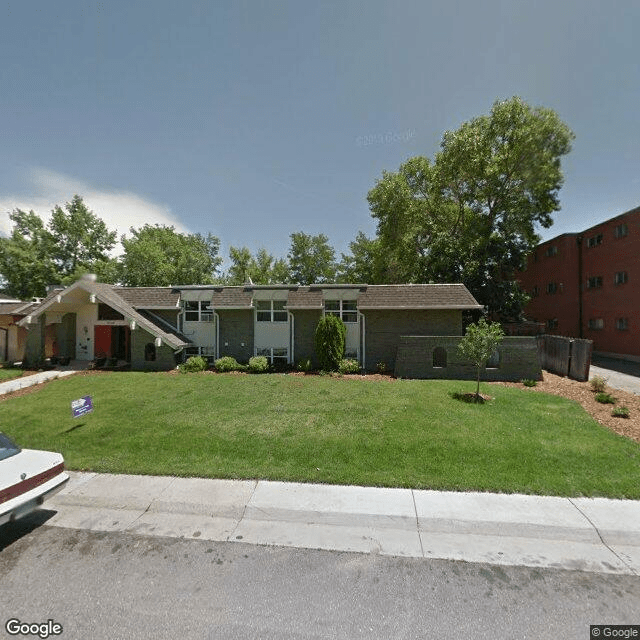
3426 S Marion St, Englewood, CO 80110
To contact a resident: (303) 781-5865
For more information about senior living options: (866) 208-4318
Chateau des Mons Care Costs & Pricing
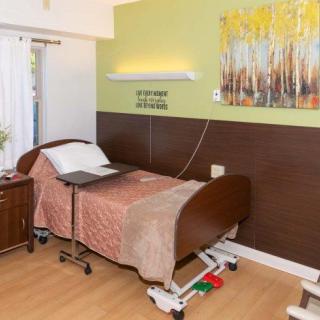
Chateau des Mons Care offers a range of accommodations that are competitively priced within the broader context of Denver County and Colorado. For a semi-private room, residents can expect to pay $4,740 per month, which is notably higher than the county average of $3,950 and the state average of $4,009. Conversely, for those opting for a studio room at Chateau des Mons Care, the monthly cost is $5,760 - marking a significant premium compared to Denver County's average of $3,646 and slightly above Colorado's overall average of $4,090. While these costs may reflect the quality and specialized care provided by Chateau des Mons Care, potential residents should weigh these expenses against both local market rates and their individual care needs when making their decision.
| Floor plans | Chateau des Mons Care | Denver County | Colorado |
|---|---|---|---|
| Semi-Private | $4,740 | $3,950 | $4,008 |
| Studio | $5,760 | $3,646 | $4,088 |
Memory care communities with a similar price nearby
-
from +$460 / mo
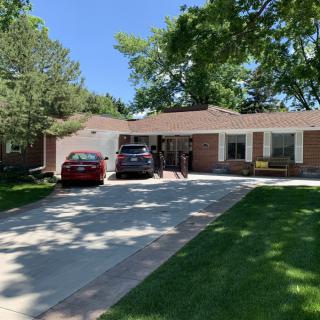
Serenity House Assisted Living Portland Drive
$5,200 to $6,500 / month6.3 miles away -
from +$460 / mo
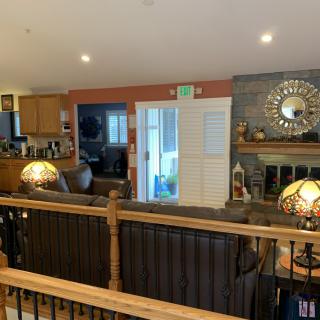
Serenity House Assisted Living Hunters Hill
$5,200 to $6,500 / month6.5 miles away -
from +$460 / mo
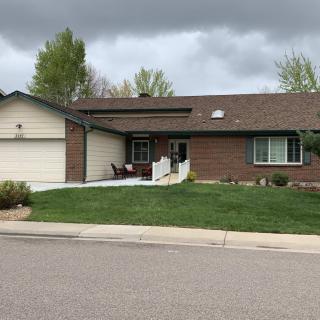
Serenity House Assisted Living Hinsdale
$5,200 to $6,500 / month5.2 miles away -
from -$840 / mo
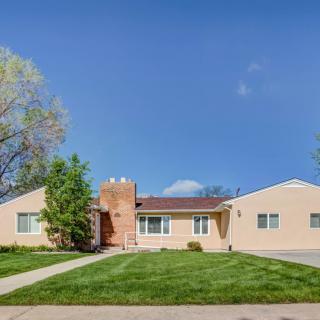
Jaxpointe At Flower Court Assisted Living
$3,900 to $4,300 / month11.9 miles away -
from +$710 / mo

MorningStar of Observatory Park
$5,450 to $8,300 / month1.6 miles away
Overall Review of Chateau des Mons Care
Pros
 The Chateau is outstanding.
 - The facility is charming, warm, and comfortable.
- The staff are great and maintain a good client-to-staff ratio.
- The staff spend time with residents, do activities, and treat them like family.
- The staff are kind, thoughtful, and provide five-star service.
- The administrator is dynamic, proactive, and an asset to the well-run facility.
- The staff provide excellent care, including correctly diagnosing UTIs and reducing medications when appropriate.
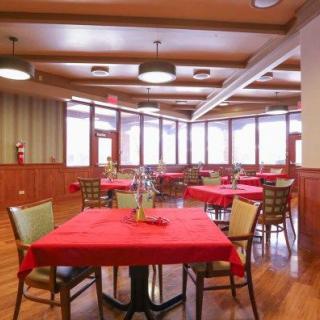
- The dining room offers tasty, creative, varied, and plentiful meals, with snacks baked by staff.
Cons
 They assert the facility should be investigated for asking for family members’ personal information and blaming it on Medicaid, noting conflicting information from Medicaid, and say they will hire an attorney.
- They state that poor management has made the facility subpar in caring for the residents.
- They cannot give a star and would discourage anyone from placing a loved one there under the current management.
- They criticize staff for paying more attention to phones than to the residents.
- They claim at least one nurse provokes patients and calls the police on a regular basis.
- They express concerns about safety, including losses of residents’ belongings and questions about whether residents are being fed enough.
- They contend that if police are involved, the facility should be investigated.
Review
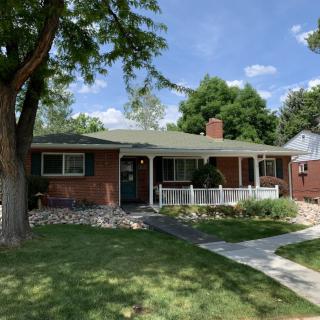
Chateau des Mons Care in Englewood is best suited for seniors who crave a warm, home-like atmosphere and respond well to a tight-knit staff that forms genuine relationships with residents. This community often shines for memory-care needs and for families seeking a setting where caregivers know individual histories, preferences, and routines. The appeal rests on a perceived continuity of care, a comfortable size that keeps residents from feeling lost, and a culture that emphasizes daily activities, familiar faces, and a sense of belonging. For couples or residents who prize a neighborhood feel over hospital-like efficiency, Chateau can feel like a welcoming, safer harbor within a busy city.
Prospective residents or families who value hands-on engagement will want to know this venue can deliver meaningful interaction and personalized attention. Several reviews praise staff who are observant, patient, and genuinely invested in well-being, with long-tenured workers contributing to a stable atmosphere. Positive comments extend to personalized meal service, a responsive dining team, and activities that keep dementia participants engaged rather than confined to passive care. When routines are well-implemented and staff familiarity is high, families report reduced anxiety and a perception of safer, more home-like daily living.
Yet the picture is not one-note. The strongest caveat centers on management and governance. On balance, experiences vary dramatically depending on leadership and the current administrative team. Some families describe a thriving environment under a proactive administrator who “jumps in wherever there is a need,” while others recount a decline in care quality tied to what they view as inconsistent or inadequate oversight. This divergence matters because resident safety, staff accountability, and timely response to concerns hinge on competent, steady leadership, something that has been questioned in recent feedback.
Safety concerns amplify the call for caution. Several accounts allege that troubling incidents, including police involvement, have occurred, and in some cases families report feeling steamrolled or retaliated against when raising concerns. A separate note about privacy and administrative requests for sensitive information adds to a sense that governance transparency may be uneven. Add in anecdotes about staff behavior that some families found concerning, and the risk calculus shifts: the same warmth and attentiveness that draw families in can be undermined by episodic governance gaps or misaligned disciplinary practices. This is not a uniform experience, but it is a recurring theme in the discourse around Chateau.
For families evaluating Chateau des Mons Care, practical due diligence is essential. Arrange multiple visits at different times of day, speak directly with the administrator, and request candid conversations with current residents’ families about their ongoing experiences. Ask for concrete examples of safety protocols, incident reporting, staff training, and how the facility handles difficult behaviors without escalating to police involvement. Verify how Medicaid or personal-information requests are handled, and seek clarity on what “care-as-need” looks like across different levels of dementia care within the community. A transparent, data-driven dialogue now can prevent downstream disappointments later.
Ultimately, Chateau des Mons Care offers a compelling, warmth-forward option for seniors who thrive on intimate staffing, familiar surroundings, and engaging activities. This is a place where genuine affection between staff and residents can translate into meaningful quality of life. However, the weight of governance concerns, safety incidents, and privacy questions means alternatives should be on the table for families whose top priorities include consistently predictable leadership and rigorous risk management. The decision hinges on personal risk tolerance and the ability to tour with a critical eye, separating anecdotes of care excellence from reports of management lapses.
 Memory Care
 Activities off-site
 Beautician on-site
 Devotional services off-site
 Indoor common areas
 Outdoor common areas
 Respite or short term stays offered
 Wi-Fi/high-speed internet available
 Denver International (21 miles away)
 Ambulatory care
 Diabetic care
 Incontinence care
 Medication management
 Meals provided
 Art classes
 Catholic services
 Cooking classes
 Day trips and outings
 Gardening club
 Karaoke
 Live dance or theater performances
 Live musical performances
 Stretching classes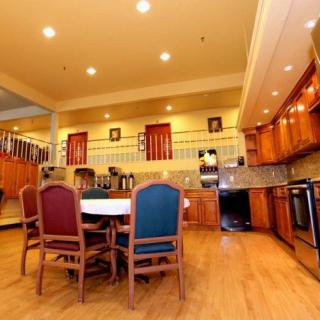


 Understanding Dementia Through Its Seven Stages: A Comprehensive Look at Progression and Expectations
 Safeguarding Your Memory Through the Golden Years: Eight Ways to Preserve Cognitive Health
 Comprehensive Insights into Activities of Daily Living (ADLs) and Their Assessment