93 West Avenida De Los Arboles, Thousand Oaks, CA 91360
For more information about senior living options: (866) 208-4318
4.2 from 72 reviews
5 stars
48
4 stars
10
3 stars
2
2 stars
2
1 stars
10
Overall Review of Thousand Oaks Healthcare Center
common20 reviews mention this
Staff responsiveness and care stand out
Residents and families consistently describe staff who are caring, helpful, and attentive.
Many reviewers describe staff who are kind and supportive, with frequent mentions of responsiveness when families had concerns. Several families say communication was strong about care plans and day-to-day needs, and that staff treated residents with respect and dignity. A few reviews, however, raise concerns about getting help when needed and call-button or phone access issues.
differentiator10 reviews mention this
Rehab therapy is a major focus
Therapy teams receive repeated praise for helping residents recover and regain function.
Multiple reviews highlight physical therapy and occupational therapy as standout parts of the stay, including working with residents multiple times per day. Several reviewers also mention speech therapy and describe measurable improvements, including healing bed sores and improvements in overall condition and appetite. A negative theme appears in a few comments about the rehab promises not matching what was delivered, but most feedback emphasizes therapy quality and progress.
common7 reviews mention this
Food quality gets frequent mentions
Residents and families frequently comment on food that tastes good and feels varied.
Reviewers often describe meals as good, with mentions of variety and accommodating preferences. Several families also call out dietary support as part of the overall experience, including being able to get specific drink preferences. While the majority of feedback is positive, a smaller number of reviews mention dissatisfaction with food quality.
common10 reviews mention this
Cleanliness and odor control are noted
Clean, low-odor spaces show up repeatedly in residents' and visitors' descriptions.
Many reviewers say the facility is clean and does not have unpleasant odors, and a number of people mention good maintenance and an organized look when they walk in. Some reviewers also point to a pleasant environment in shared areas and outdoor space. A few reviews are strongly negative about cleanliness and odors, so the experience isnā€™t uniformly described.
common6 reviews mention this
Activities and outdoor courtyard time
Residents are described as having regular activities and time in outdoor areas.
Families describe a full schedule of patient activities, including movies, bingo, and events hosted on-site. Reviews also mention the courtyard as a place to sit outside and enjoy fresh air during visits. Some reviewers specifically credit departments for keeping residents occupied, and several describe day trips with staff approval.
caveat5 reviews mention this
Mixed communication and staffing responsiveness
A recurring concern involves how quickly staff respond to calls and help requests.
Some reviewers report frustration reaching staff by phone or the call system, including situations where residents could not connect or were waiting too long for help. A few comments also connect the responsiveness issues with serious negative outcomes, including falls and delayed assistance concerns. Other reviews counterbalance this by describing staff as quick to respond and engaged with families, so experiences appear inconsistent.
How we summarize
Counts show how many written reviews mention each theme; a review can touch several themes, and only frequently mentioned themes are displayed.
Features
Housing
123 resident community capacity
Types of Care
Skilled Nursing Facility
Amenities
Air-conditioning
Beauty salon
Cable or satellite TV
Computer center
Dining room
Fitness room
Fully furnished
Gaming room
Garden
Housekeeping services
Kitchenette
Move-in coordination
Outdoor space
Private bathrooms
Restaurant-style dining
Small library
Telephone
Wellness center
Wi-Fi/high-speed internet available
Transportation
Oxnard (19 miles away)
Community operated transportation
Transportation arrangement
Transportation arrangement (non-medical)
Transportation to doctors appointments
Care Services
12-16 hour nursing
24-hour call system
24-hour supervision
Activities of daily living assistance
Assistance with bathing
Assistance with dressing
Assistance with transfers
Diabetes diet
Meal preparation and service
Medication management
Mental wellness program
Special dietary restrictions
Dining
Diabetes diet
Special dietary restrictions
Activities
Community-sponsored activities
Concierge services
Fitness programs
Planned day trips
Resident-run activities
Scheduled daily activities
Nearby Places of Interest
Cafes
Starbucks (0.3 miles)
Starbucks (2.2 miles)
Starbucks (2.4 miles)
Lazy Dog Cafe (2.6 miles)
Starbucks (3 miles)
Starbucks (4.4 miles)
Starbucks (5.9 miles)
Parks
Thousand Oaks Community Center and Park (0.4 miles)
Conejo Creek Park (1.9 miles)
Oak Brook Park (1.9 miles)
Conejo Creek South Park (2 miles)
Sapwi Trails Community Park (2.9 miles)
Westlake Village Community Park (6.1 miles)
Dos Vientos Community Park (6.8 miles)
Physicians
Weight First (0.5 miles)
Ventura Orthopedics - Thousand Oaks (0.8 miles)
Dr Eugene S. Ahn (0.8 miles)
Gastroenterology Center of Thousand Oaks (0.8 miles)
Los Robles Conejo MRI Center (0.9 miles)
Kumar Vijay MD (0.9 miles)
Lakeside Community Health Care: Singh Juhee L MD (1.5 miles)
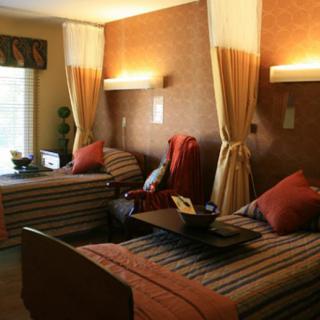
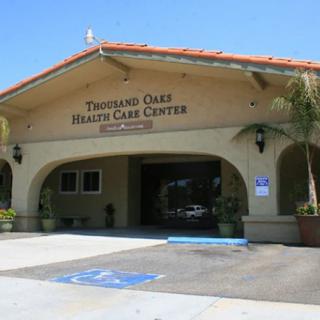
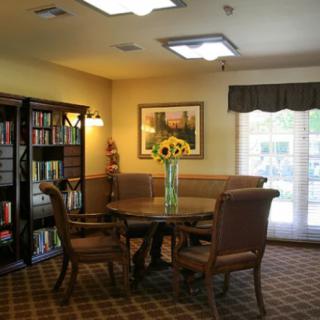
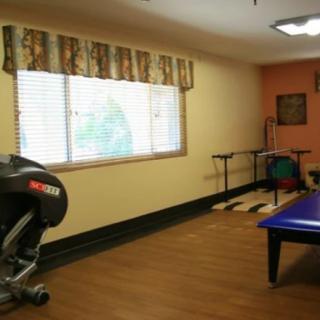
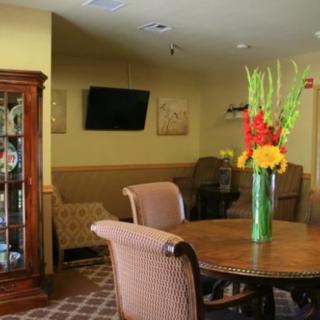
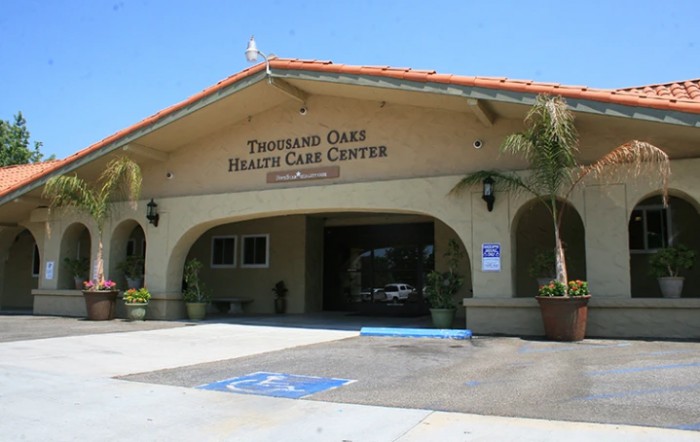
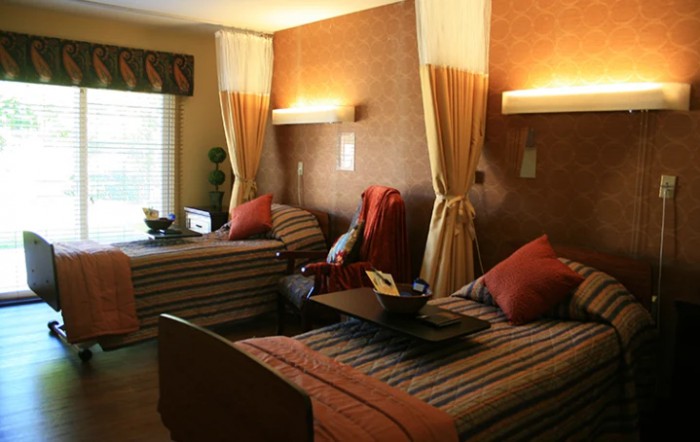
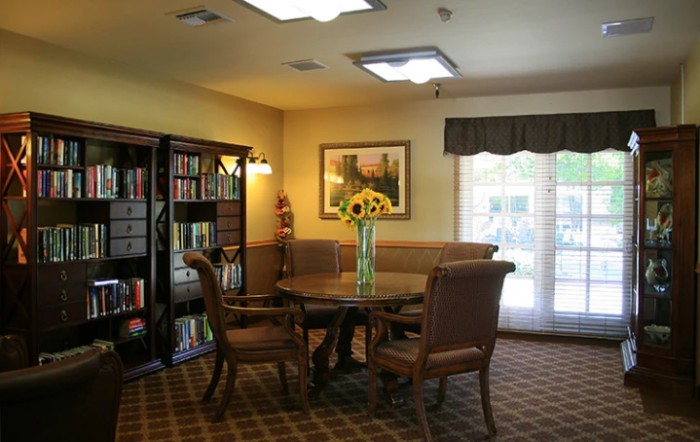
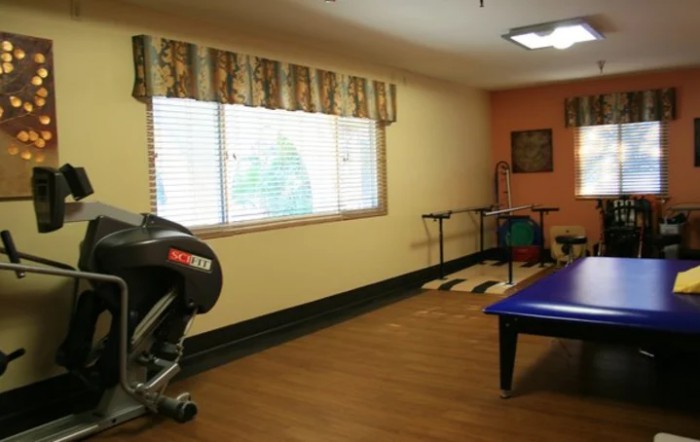
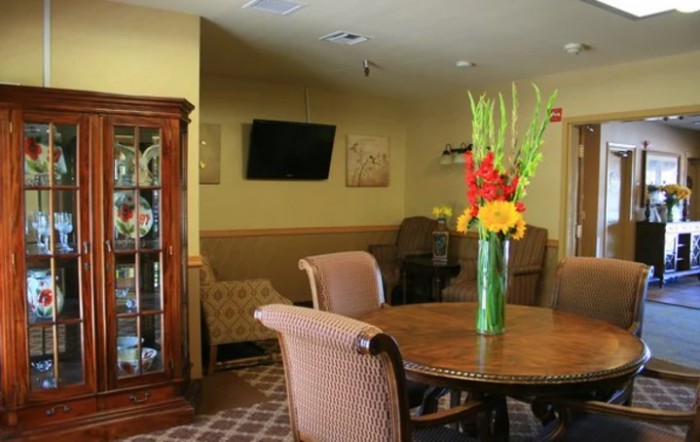
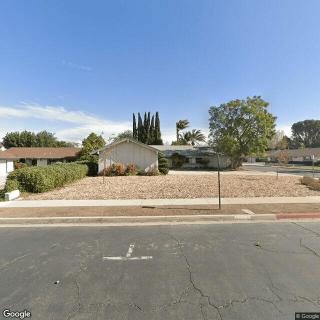
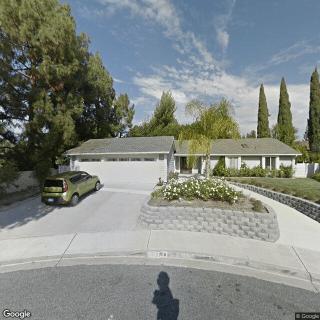
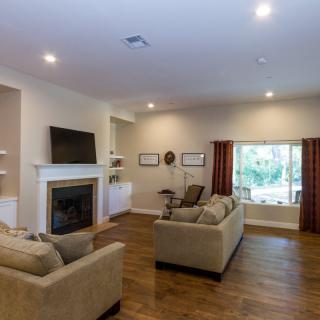
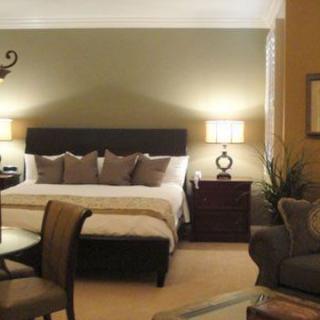
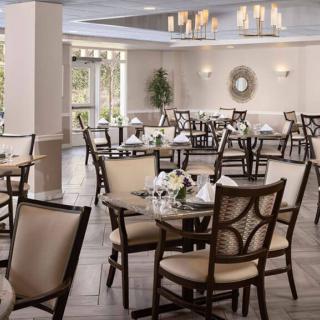
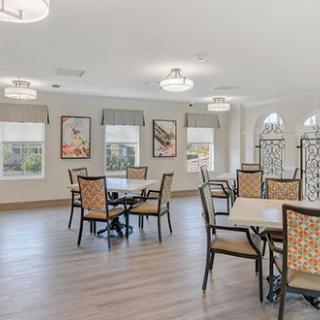
Thousand Oaks Healthcare Center on seniors.fyi includes 5 photos including images showing interior, bedroom, decor, television, building, entrance, architecture, outdoors, and more.
Nearby Communities
Thousand Oaks Post Acute
Thousand Oaks, CA
4.1 from 49 reviews
Strong access to healthcare, dining, parks, and entertainment nearby.
Sunshine Manor
Thousand Oaks, CA
$2,500 to $3,300 / month
Intimate setting with personalized care and affordable pricing.
Sunshine Manor
Thousand Oaks, CA
5 from 1 review
$2,575 to $3,590 / month
Clean, attractive facility with compassionate staff and on-site amenities.
Applegate @ Drummond
Thousand Oaks, CA
$6,000 / month
Personalized care in a homelike, fully furnished setting with meals, activities, and comprehensive support (24-hour supervision, ADL assistance, medication management, transportation, and healthcare coordination).
Applegate @ Sirius
Thousand Oaks, CA
Fully furnished with comprehensive care, dining, housekeeping, outdoor spaces, and scheduled activities.
Park Vista at Thousand Oaks
Thousand Oaks, CA
4.8 from 48 reviews
$6,300 to $7,100 / month
Specialized memory care with personalized services and engaging activities.
University Village Thousand Oaks
Thousand Oaks, CA
4.7 from 68 reviews
Luxurious, resort-like setting with attentive staff and diverse amenities.
Belmont Village Senior Living Thousand Oaks
Thousand Oaks, CA
4.3 from 77 reviews
$3,996 to $6,500 / month
Friendly, attentive staff and a strong Circle of Friends transition program.
Silverado Thousand Oaks
Thousand Oaks, CA
4.9 from 77 reviews
Specialized memory care with 24/7 supervision and a comprehensive wellness/activities program.
Medicare provides limited coverage for skilled nursing home care, covering full benefits for the first 20 days and partial benefits up to 100 days under certain conditions, after which families must explore alternative funding options like Medicaid or long-term care insurance to manage potentially high costs. Proactive planning is essential to navigate the complexities of financing ongoing care once Medicare coverage ends.
Geriatric care managers create personalized care plans for older adults, addressing their medical, social, financial, and psychological needs while coordinating services and advocating for their well-being. They help families navigate caregiving challenges but may be hindered by high costs and a shortage of qualified professionals.
The article highlights the importance of empathy and open communication when comforting someone who is grieving, noting that grief is unique to each individual and emphasizing the need for sincere expressions of condolence, active listening, and ongoing support. It also addresses cultural differences in mourning practices and encourages tailored approaches to provide effective comfort.
Get PricingAsk A QuestionSchedule A TourContact Senior Advisor
By clicking submit, you agree to our Partner's Terms of Use. You
also consent to receive calls and texts, which may be autodialed, from our Partner. Your consent is not a condition to
using our Partner's service. Please visit our Partner's Privacy Policy for information about their privacy practices.

 123 resident community capacity
 Skilled Nursing Facility
 Air-conditioning
 Beauty salon
 Cable or satellite TV
 Computer center
 Dining room
 Fitness room
 Fully furnished
 Gaming room
 Garden
 Housekeeping services
 Kitchenette
 Move-in coordination
 Outdoor space
 Private bathrooms
 Restaurant-style dining
 Small library
 Telephone
 Wellness center
 Wi-Fi/high-speed internet available
 Oxnard (19 miles away)
 Community operated transportation
 12-16 hour nursing
 24-hour call system
 Activities of daily living assistance
 Assistance with bathing
 Assistance with dressing
 Assistance with transfers
 Diabetes diet
 Medication management
 Mental wellness program
 Special dietary restrictions
 Concierge services
 Planned day trips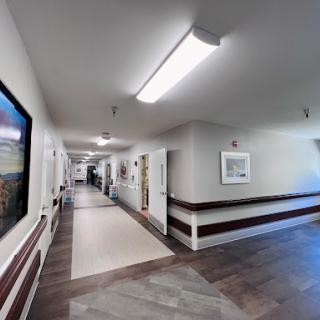
 Strong access to healthcare, dining, parks, and entertainment nearby.
 Managing Nursing Home Expenses After Medicare Coverage Ends
 Is a Geriatric Care Manager the Right Choice for Your Family?
 Compassionate Conversations: How to Comfort Someone Who Is Grieving