




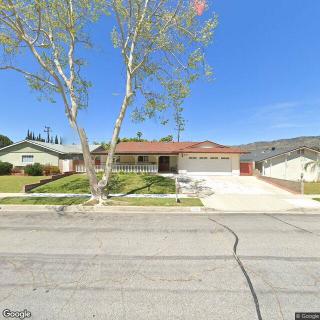
5270 East Los Angeles Avenue, Simi Valley, CA 93063
For more information about senior living options: (866) 208-4318
Overall Review of Simi Valley Care Center
Pros
 The facility offers excellent physical and occupational therapy, with very kind staff and great food.
- Caring and welcoming staff make residents feel known and well cared for.
- Caregivers are exceptionally kind, leaving memories of smiles and laughter.
- The staff help residents regain mobility and provide supportive care.
- The facility has excellent nursing staff, housekeeping, and a good environment.
- The staff at Simi Valley Care Center are awesome and hardworking.
- The facility is clean, with friendly staff, engaging activities, and good food.
- Administrator Scott is fantastic and great with the residents.
- Therapy staff are dedicated and provide outstanding therapy.
Cons
 The staff is terrible and responds only after hours-long delays.
- The facility is severely understaffed, with nurses taking 40–50 minutes to assist residents.
- It is described as the worst place to get well, and many would not recommend Simi Valley Care Center.
- Office staff seldom answer calls or return messages, and belongings are sometimes discarded.
- Some rooms smell terrible, and residents calling for help often go unanswered.
- The physical therapy program is the most awful experience, marked by disrespect, poor training, and even yelling at a resident.
- The food is not great.
Review
Simi Valley Care Center is best for seniors who need post-acute rehab and ongoing skilled nursing support, and who will thrive in a lively, resident-centered setting where therapy uptime and personal attention are achievable goals. The facility pairs onsite skilled nursing with a clean environment and a robust activity calendar, supporting both recovery and social engagement. Families that prize warmth and continuity, staff who remember residents’ names, celebrate small milestones, and respond with patience, will feel confident entrusting a loved one here. Those who demand relentlessly quick responses to every call or flawless English-language communication around the clock may want to investigate alternatives.
The strongest asset is the rehab engine. Physical and occupational therapy are repeatedly highlighted as the core value, with residents often showing meaningful mobility gains. Nursing staff, aides, and housekeeping personnel are described as kind, competent, and diligent, contributing to an atmosphere that feels genuinely caring. The setting supports recovery with well-maintained spaces, with good meals reinforcing daily well-being. Activity programming adds a genuine social component, helping residents stay engaged and connected. Taken together, these positives lay a practical foundation for meaningful improvement, especially for individuals focused on regaining independence.
However, concerns about staffing and communication recur in reviews. Several accounts describe long waits for assistance after calling for help, sometimes leaving residents uncomfortable or unattended for extended periods. Some therapists have faced criticism for approach or pace, and a minority of families report difficulty obtaining timely updates from care teams or administrators. Other lapses cited include odor issues in certain rooms and inconsistent handling of personal belongings. The blend of warmth and capability is real, yet the day-to-day experience can be uneven depending on shift coverage and workflow pressures.
Those dynamics create a clear offset: strong therapy outcomes and empathetic caregivers can outweigh rough patches in assistance response times for many families, particularly when rehab goals are front and center. When therapy is going well and the care staff demonstrates genuine kindness, residents can progress, regain function, and maintain a sense of normalcy in daily life. Still, the reliability gap remains a meaningful constraint: delayed help and fragmented communication can erode confidence and complicate ongoing decision-making for families who need consistent, predictable support.
Explicitly, this community is less suitable for families whose top priority is rock-solid, hourly responsiveness and unbroken family communication. For guardians who require rapid, uniform assistance across all hours and whose peace of mind hinges on seamless information flow, exploring alternatives with stronger staffing guarantees and a more uniform care culture is advisable. If the primary requirement is steady daily support and consistent English-language communication across shifts, another facility may deliver a smoother operating profile and a clearer care narrative.
Finally, practical steps tailor the search to what Simi Valley Care Center can realistically offer. Schedule visits at different times to observe staffing rhythms and ask pointed questions about therapy schedules, on-demand assistance, and how leadership handles family updates. Request current staffing metrics and examples of call-response times, and probe how administrators manage family communications and post-incident follow-up. Verify recent CMS ratings and any changes in oversight or accreditation. If a trial stay is possible, test responsiveness, meal quality, and daily routines firsthand. With rehab prowess and a warm culture as strengths, a well-informed visit will reveal whether this center aligns with the loved one’s goals and the family’s expectations.
 99 resident community capacity
 Skilled Nursing Facility
 Air-conditioning
 Beauty salon
 Cable or satellite TV
 Computer center
 Dining room
 Fitness room
 Fully furnished
 Gaming room
 Garden
 Housekeeping services
 Kitchenette
 Move-in coordination
 Outdoor space
 Private bathrooms
 Restaurant-style dining
 Small library
 Telephone
 Wellness center
 Wi-Fi/high-speed internet available
 Burbank-Glendale-Pasadena (20 miles away)
 Community operated transportation
 12-16 hour nursing
 24-hour call system
 Activities of daily living assistance
 Assistance with bathing
 Assistance with dressing
 Assistance with transfers
 Diabetes diet
 Medication management
 Mental wellness program
 Special dietary restrictions
 Concierge services
 Planned day trips





 Home Health Care Aides: Understanding Their Role and Supporting Your Family
 Urinary Tract Infections in Older Adults: Comprehensive Insights on Symptoms, Treatment, and Prevention
 California's Form 602A: An In-Depth Examination of Senior Care Assessment