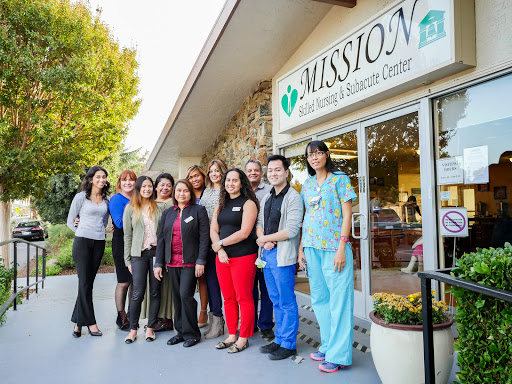
Mission Skilled Nursing & Subacute Center in Santa Clara, CA

Save

  • Interior

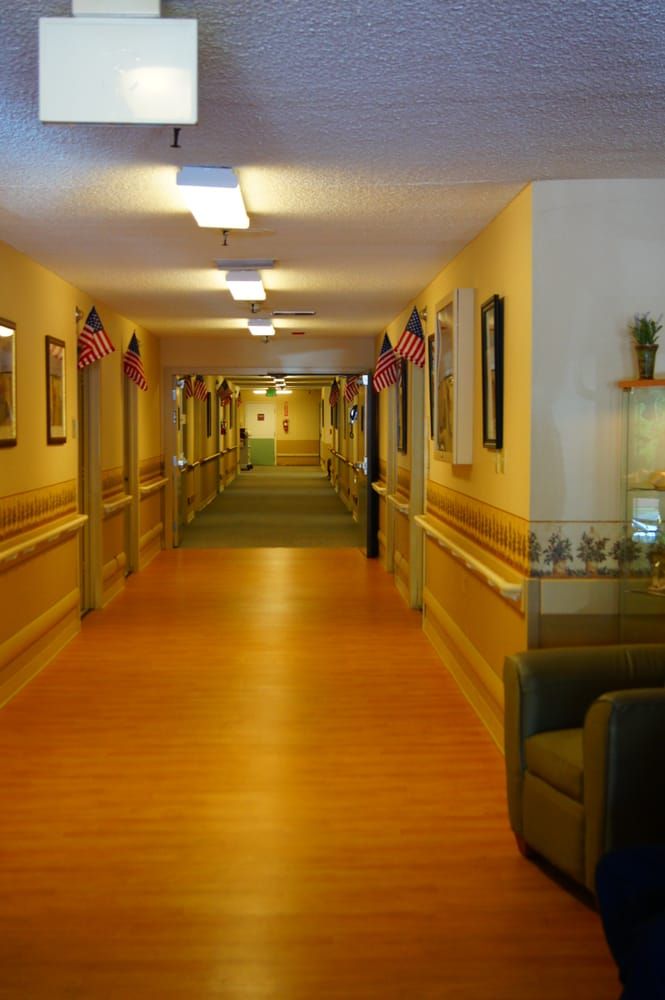
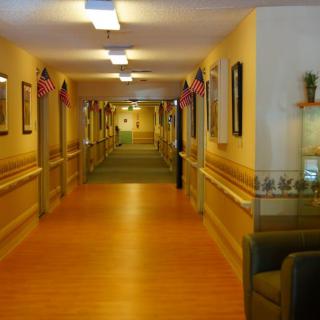
    A well-lit hallway decorated with flags, featuring comfortable seating and warm wooden flooring.
  • Building

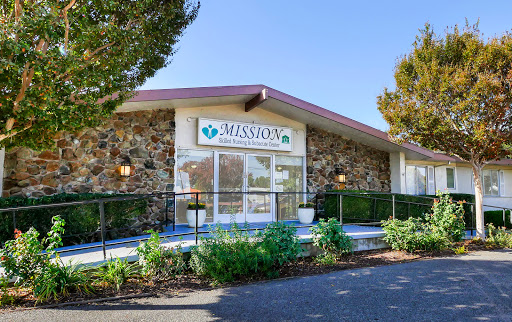
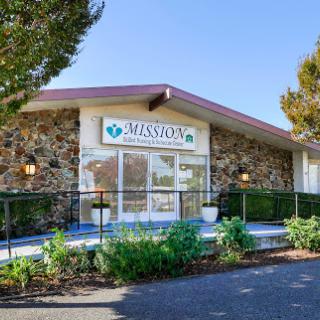
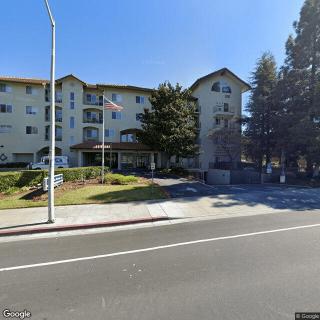
    A welcoming entrance to a facility with a stone facade and lush landscaping.
  • Bedroom

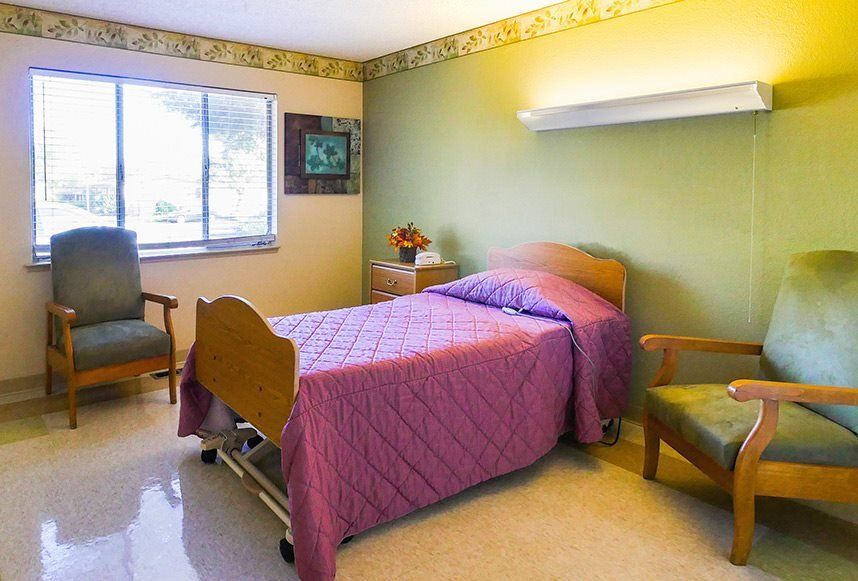
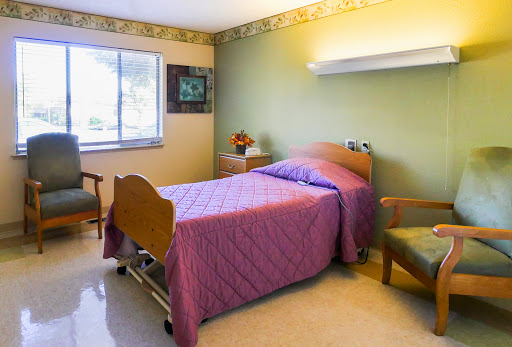
    A hospital room with a single bed, chair, and window providing natural light.
  • Trees

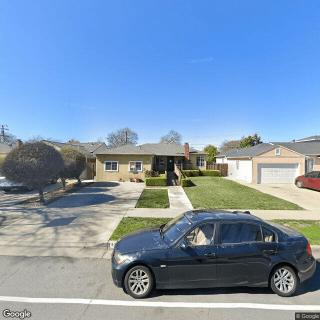
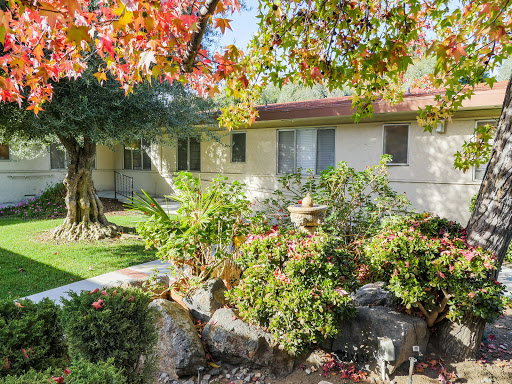
    A charming house surrounded by vibrant autumn foliage and a well-maintained garden.
  • Windows

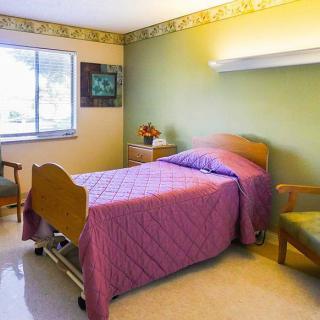
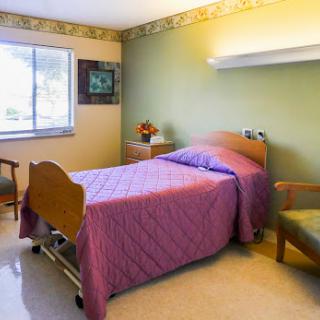
    A cozy hospital room featuring a single bed with purple bedding, a small nightstand, and a comfortable chair.
  • Dining

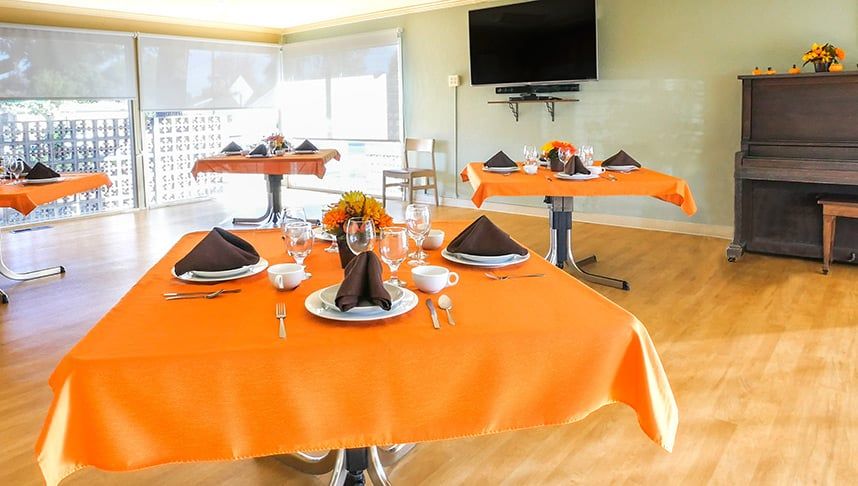
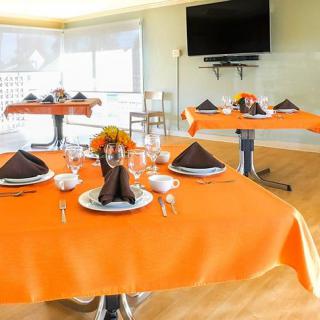
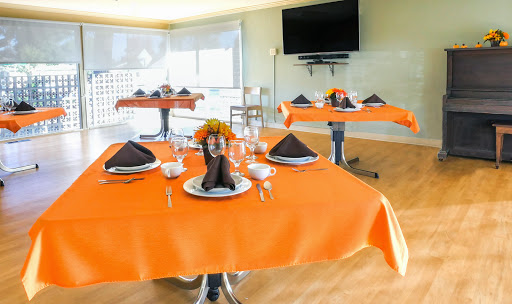
    A brightly lit dining room featuring tables with orange tablecloths, elegantly set with napkins and place settings.
  • Natural Light

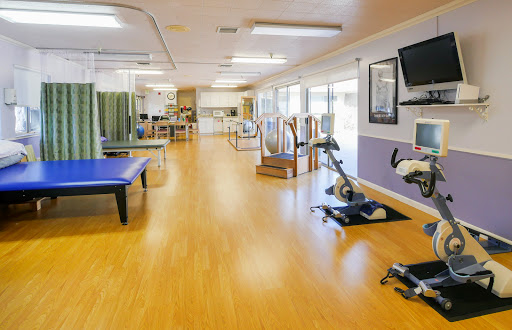
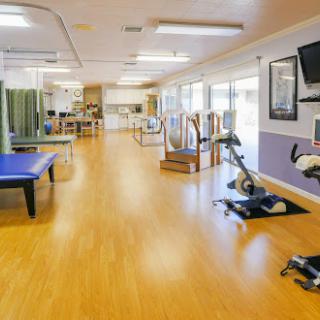
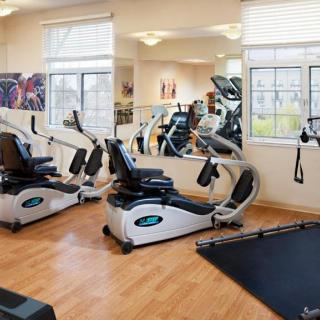
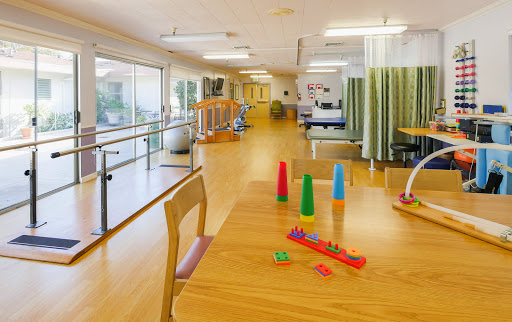
    A spacious physical therapy clinic equipped with exercise stations and ample natural light.
  • Office

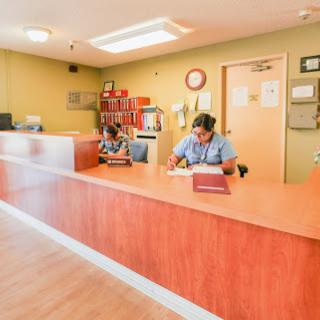
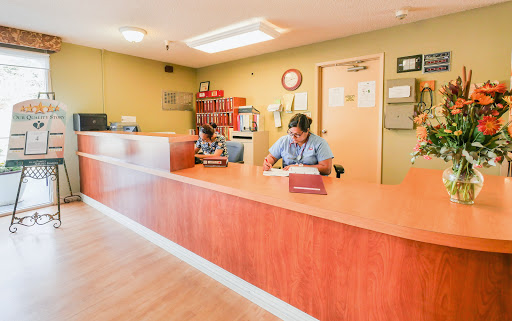
    A busy reception area with staff attending to their tasks.
  • Healthcare

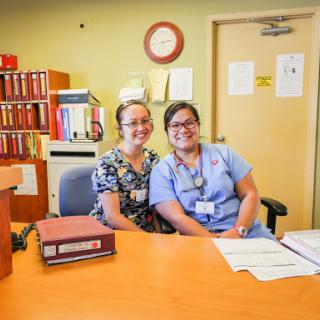
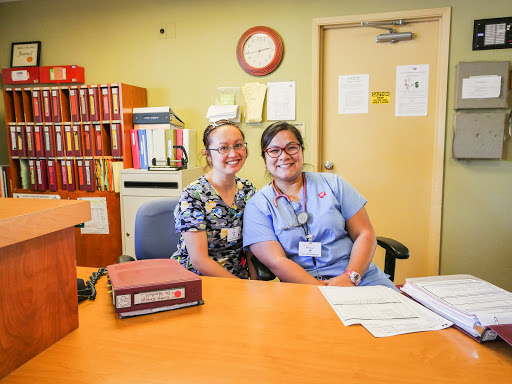
    Two friendly staff members smile for the camera in a healthcare office setting.
  • Bright Lighting

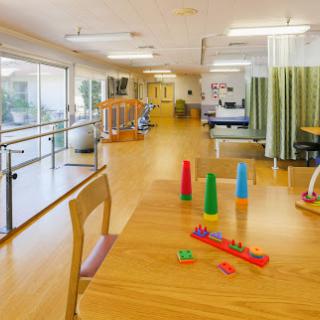
    A spacious and well-lit activity room in a rehabilitation center, featuring colorful toys and therapy equipment.
  • Recreation

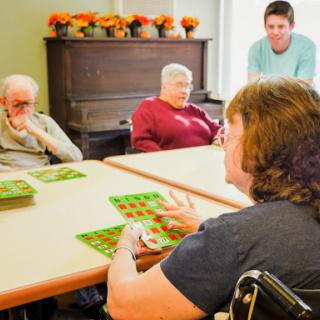
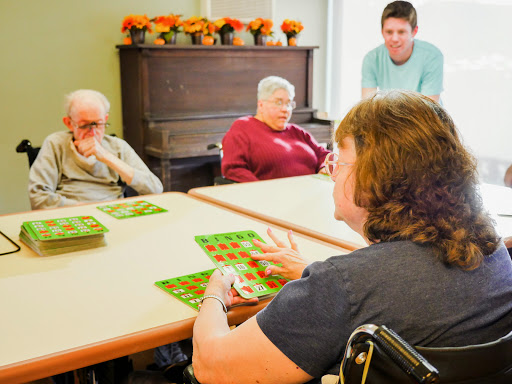
    Seniors engage in a lively game of bingo at a community center.
  • Modern Interior

    An elegantly set dining area with vibrant orange tablecloths and decorative elements, perfect for a special occasion.

Mission Skilled Nursing & Subacute Center in Santa Clara, CA

410 North Winchester Boulevard, Santa Clara, CA 95050

For more information about senior living options: (844) 490-3973

3.8 from 59 reviews
5 stars
34
4 stars
9
3 stars
0
2 stars
3
1 stars
13

Skilled Nursing Facility

What level of care are you interested in?

Assisted Living

Memory Care

Independent Living

Skilled Nursing Facility

Continuing Care Retirement Community (CCRC)CCRC

Other


Request a tour at Mission Skilled Nursing & Subacute Center

    Overall Review of Mission Skilled Nursing & Subacute Center

    Pros

    • pro The facility is nice and clean, with respectful and helpful nurses and receptionists.
    • pro The nursing, kitchen, and therapy staff are fantastic and consistently respond to requests with warmth and excellent bedside manner.
    • pro The staff treat residents like family and show endless patience, even with dementia symptoms.
    • pro Myrtle Estanilla, the director of nursing, is outstanding and builds a caring team.
    • pro Kim and the activities team care for residents' wellbeing and always make them feel valued.
    • pro CNAs are cheerful and among the most compassionate staff, and therapists explain care clearly.
    • pro Mission Skilled Nursing Center provides high-quality care with attentive doctors and staff who are dedicated and compassionate.
    • pro There are daily activities and a nice courtyard that contribute to a safe, engaging environment.

    Cons

    • pro The facility is severely understaffed, leading to delays in meeting patients' needs.
    • pro Residents frequently wait hours for assistance, with call buttons left unanswered for long periods.
    • pro Therapy, especially speech therapy for swallowing issues, is insufficient or unaddressed due to limited staff.
    • pro Staff are perceived as rude or unprofessional, and the administration is unresponsive to families.
    • pro The environment is described as dirty, poorly run, and unsafe, with concerns about basic medical care and CPR competence.
    • pro Advertising and front-office practices are questioned, with some reviewers accusing fake positive reviews and misrepresentation.
    • pro Privacy and comfort are compromised: rooms lack privacy, there is excessive noise, and visitor accommodations are inadequate.

    Review

    Mission Skilled Nursing & Subacute Center in Santa Clara is best suited for families seeking a rehab-focused skilled-nursing option where compassionate, attentive care and strong therapy teams can drive meaningful recovery. It works well for short- to mid-term post-hospital rehabilitation, especially when a resident benefits from active physical and occupational therapy, consistent daily staff engagement, and a warm, social environment. The center also serves residents with dementia or complex needs who require steady nursing oversight but still respond well to human warmth, respectful dignity, and structured routines. In short: when recovery and engagement are the priorities and there is capacity for vigilant oversight, this community can deliver.

    That said, several families should consider alternatives. If daily life hinges on consistently rapid responses to call bells, maintaining strict safety and medical oversight, and seamless administrative communication, this may not be the best fit. Persistent understaffing and front-office communication gaps have shown up in multiple accounts, sometimes slowing essential care, discharge planning, and family updates. For residents requiring private rooms, quiet environments, or a facility with a high-grade, all-the-time medical surveillance, other options with stronger staffing ratios or? specialized memory-care design may be preferable. In essence, this is a solid choice for rehab and caregiving warmth, not a flawless, low-maintenance operation.

    The strongest positives lie in the human side of care. Families repeatedly highlight kind, capable aides and nurses, therapists who explain goals clearly, and a nursing leadership that fosters a supportive culture. The therapy program - PT and OT - often proves thorough and goal-oriented, helping residents regain mobility and function. The kitchen, meals, and overall cleanliness earn praise, and several residents and families credit the activities team and the case manager Vy Hoang, as well as the DON Myrtle Estanilla, with keeping residents engaged, informed, and treated with dignity. When staff are present and cohesive, residents feel seen, understood, and guided toward recovery, which in turn accelerates progress and mood.

    However, the cons - undercurrents in the experience - cannot be ignored. The most consistent concerns center on staffing levels and response times: calls for help have, at times, stretched into hours, and patients report delays that undermine comfort and safety. Administrative communication gaps surface in discharge instructions, appeals for care coordination, and routine updates to families, which can erode trust during a vulnerable period. There are occasional reports of administrative or front-desk rudeness, and a few striking incidents that raise questions about safety oversight. While many experiences are positive, the variance is real, and it is enough to shape risk assessment for families with higher acuity or stricter expectations about daily operation.

    These pros and cons interact to form a practical, decision-focused picture. The facility's strongest advantage - genuine compassion paired with effective rehab - can offset a lot of frustration when staffing holds steady and the case-management framework works well. Vy Hoang's accessibility and proactive discharge planning, along with Myrtle's administrative leadership, frequently turn potential chaos into coherent care plans and smoother transitions home or to another setting. When therapy teams are consistent and the environment remains clean and organized, recovery progression feels tangible, and families gain confidence that their loved ones are moving in the right direction.

    For families considering Mission, the practical path is to verify current staffing ratios and on-site coverage, request a direct conversation with the DON and the case manager, and probe specifics about swallow therapy oversight if aspiration risks exist. Ask for recent discharge outcomes and how frequently families receive updates during a stay. Tour the facility with a focus on therapy space, noise levels, privacy in patient rooms, and the responsiveness of the front desk. If a facility's core strength - hands-on therapy, compassionate caregiving, and a structured daily routine - fits the loved one's needs and schedules, Mission can be a strong choice. If guaranteed, around-the-clock responsiveness and flawless administrative execution are non-negotiable, exploring other Santa Clara options with stronger staffing models is prudent.

    Features

    Housing

    • 133 resident community capacity 133 resident community capacity

    Types of Care

    • Skilled Nursing Facility Skilled Nursing FacilitySkilled Nursing Facilities are crucial for seniors as they provide round-the-clock medical care, rehabilitation services, and assistance with daily activities. These facilities ensure that seniors receive the specialized care they need to maintain their health and well-being as they age.

    Amenities

    • Air-conditioning Air-conditioningAir conditioning is important for seniors as they are more vulnerable to heat-related illnesses and may have underlying health conditions that make it difficult for them to regulate their body temperature. It helps to keep them comfortable, safe, and healthy in hot weather.
    • Beauty salon Beauty salonBeauty salons are important for seniors because they provide a space for them to feel pampered, socialize, and maintain their personal grooming and hygiene. Regular visits to a beauty salon can help boost seniors' self-esteem and overall well-being.
    • Cable or satellite TV Cable or satellite TVCable or satellite TV is important for seniors because it provides entertainment, news, and companionship, helping to combat loneliness and boredom. It also offers a wide range of programming options tailored to different interests and preferences.
    • Computer center Computer centerA computer center is essential for seniors as it provides access to technology, communication tools, and resources that can enhance their daily lives. It allows them to stay connected with loved ones, engage in online activities, and learn new skills, ultimately promoting socialization and mental stimulation.
    • Continuing learning programs Continuing learning programsContinuing learning programs are important for seniors to keep their minds active, maintain cognitive function, and prevent mental decline. These programs also provide social interaction, a sense of purpose, and opportunities for personal growth and fulfillment in their later years.
    • Dining room Dining roomDining rooms are important for seniors as they provide a space for socialization, connection, and nutritious meals. They offer opportunities for residents to bond over shared meals, foster a sense of community, and promote healthy eating habits. Dining rooms also ensure that seniors have access to well-balanced meals tailored to their dietary needs and preferences.
    • Family education and support services Family education and support servicesFamily education and support services are crucial for seniors as they provide resources, guidance, and assistance to both the elderly individuals and their families. These services help in navigating the challenges of aging, improving communication among family members, enhancing quality of life, and ensuring that seniors receive the care and support they need to live independently and comfortably.
    • Fitness room Fitness roomHaving a fitness room in a senior living community is essential for seniors to stay active, maintain their physical health, and improve their overall well-being. Regular exercise can help prevent falls, reduce the risk of chronic diseases, and promote mental sharpness. It also provides social opportunities for residents to connect with others and enjoy a sense of community.
    • Fully furnished Fully furnishedFully furnished senior living communities are important for seniors because they provide convenience, comfort, and a hassle-free moving experience. Seniors can easily settle into their new living space without the stress of having to buy and move furniture. This allows them to focus on enjoying their new home and community.
    • Gaming room Gaming roomGaming rooms are important for seniors as they provide a fun and engaging environment for socializing, cognitive stimulation, and physical activity. Games can improve memory, problem-solving skills, and overall mental well-being while fostering friendships and reducing feelings of isolation.
    • Garden GardenGardens are important for seniors as they provide a peaceful and therapeutic environment for relaxation, physical activity, and socialization. Being in nature has been shown to reduce stress, improve mood, and promote overall well-being. Gardens also offer opportunities for seniors to engage in gardening activities, which can improve mobility, flexibility, and cognitive function. Additionally, gardens create a sense of community and connection with others who share a passion for plants and outdoor spaces.
    • Housekeeping services Housekeeping servicesHousekeeping services are important for seniors because they help maintain a clean and safe living environment, promote independence, and reduce the risk of accidents or illnesses. Additionally, having assistance with household chores can alleviate physical strain and allow seniors to focus on other aspects of their well-being.
    • Kitchenette KitchenetteKitchenettes are important for seniors living in senior living communities because they provide the convenience and independence of being able to prepare simple meals and snacks in the comfort of their own living space. This can help promote a sense of autonomy and well-being for seniors, allowing them to maintain some level of control over their dietary choices and daily routines.
    • Move-in coordination Move-in coordinationMove-in coordination is important for seniors because it helps ease the transition into their new living environment. It ensures that all logistics, such as packing, organizing movers, and setting up utilities are taken care of, allowing seniors to focus on settling in and adjusting to their new home. Having a smooth move-in process can alleviate stress and anxiety, making the transition smoother and more enjoyable for seniors.
    • Outdoor patio Outdoor patioOutdoor patios are essential for seniors as they provide a safe and peaceful space for them to enjoy the outdoors, socialize with friends and family, engage in physical activity, and soak up natural sunlight which promotes overall well-being and mental health.
    • Outdoor space Outdoor spaceOutdoor spaces are important for seniors as they provide opportunities for physical activity, social interaction, exposure to natural light and fresh air, and a sense of connection to nature. Having access to outdoor spaces can improve overall well-being and quality of life for older adults living in senior communities.
    • Private bathrooms Private bathroomsPrivate bathrooms are important for seniors in senior living communities because they provide independence, dignity, and comfort. Having a private bathroom allows seniors to maintain their personal hygiene routines without the need for assistance, promoting a sense of autonomy and privacy. Additionally, private bathrooms help prevent the spread of infections and provide a safe and clean environment for seniors to navigate safely.
    • Restaurant-style dining Restaurant-style diningRestaurant-style dining is important for seniors because it allows them to enjoy delicious, nutritious meals in a social and upscale setting. This enhances their dining experience, promotes healthy eating habits, and fosters socialization with fellow residents, ultimately contributing to their overall well-being and quality of life.
    • Small library Small librarySmall libraries are important for seniors as they provide access to a variety of reading materials, including books, newspapers, and magazines. This can help stimulate their minds, keep them engaged, and provide a sense of community through book clubs and other social activities. Additionally, reading has been shown to improve cognitive function and overall mental well-being in older adults.
    • Telephone TelephoneTelephones are important for seniors as they provide a lifeline for communication with loved ones, emergency services, and healthcare providers. They offer a sense of security and independence, enabling seniors to stay connected and access assistance when needed.
    • Wellness center Wellness centerWellness centers are important for seniors because they offer a variety of programs and services that promote physical, mental, and emotional well-being. These centers provide opportunities for exercise, socialization, education, and relaxation, helping seniors maintain their overall health and quality of life.
    • Wi-Fi/high-speed internet available Wi-Fi/high-speed internet availableWi-Fi/high-speed internet is important for seniors to stay connected with loved ones, access online resources, and participate in virtual activities to combat feelings of loneliness and isolation. It also allows them to easily manage healthcare needs, access entertainment, and engage in lifelong learning opportunities.

    Transportation

    • San Jose International (2 miles away) San Jose International (2 miles away)
    • Community operated transportation Community operated transportationCommunity operated transportation is crucial for seniors as it provides them with the means to access essential services, social activities, and medical appointments. It allows seniors to maintain their independence and quality of life by ensuring they can participate in activities outside of their homes. Additionally, community-operated transportation services offer a safe and reliable way for seniors to travel without having to rely on family or friends for assistance.
    • Transportation arrangement Transportation arrangementTransportation arrangements are crucial for seniors as they may face challenges with driving, mobility, or access to public transportation. Having reliable transportation services ensures that seniors can easily attend appointments, social activities, and maintain their independence and quality of life.
    • Transportation to doctors appointments Transportation to doctors appointmentsTransportation to doctors appointments is crucial for seniors as it ensures they have access to necessary medical care and support, promoting their health and well-being. It allows them to receive timely treatment, monitor existing conditions, and address any new health concerns efficiently. Additionally, transportation services can help seniors maintain their independence and quality of life by enabling them to stay connected with their healthcare providers.

    Care Services

    • 12-16 hour nursing 12-16 hour nursing12-16 hour nursing care is crucial for seniors in order to ensure around-the-clock monitoring, timely medication administration, and prompt response to any health concerns or emergencies. This level of care helps to promote the overall well-being and safety of seniors living in senior living communities.
    • 24-hour call system 24-hour call system24-hour call systems are important for seniors because they provide peace of mind and immediate assistance in case of emergencies. This technology ensures that help is always available, promoting safety and security for elderly individuals living alone or in assisted living facilities.
    • 24-hour supervision 24-hour supervision24-hour supervision is important for seniors to ensure their safety, well-being, and access to immediate assistance in case of emergencies or health issues. This constant support provides peace of mind for both seniors and their loved ones, allowing them to age in place with dignity and security.
    • Accept incoming residents on hospice Accept incoming residents on hospiceAccepting incoming residents on hospice is important for seniors because it allows them to receive specialized end-of-life care in a comfortable and supportive environment. This ensures that they can maintain their dignity and quality of life during their final days, surrounded by compassionate staff who are trained to provide the necessary medical and emotional support.
    • Activities of daily living assistance Activities of daily living assistanceActivities of daily living assistance are important for seniors because they provide essential support with tasks such as eating, bathing, dressing, and mobility. This assistance helps seniors maintain their independence, dignity, and overall quality of life as they age.
    • Administer insulin injections Administer insulin injectionsAdministering insulin injections is important for seniors with diabetes to help regulate their blood sugar levels and prevent complications such as heart disease, nerve damage, and blindness. Proper insulin management can also improve overall health and quality of life for older adults.
    • Assistance with bathing Assistance with bathingAssistance with bathing is crucial for seniors as it helps maintain personal hygiene, prevents infections, and ensures their overall well-being and comfort. It also provides a sense of dignity and independence for seniors who may struggle with this task on their own.
    • Assistance with dressing Assistance with dressingAssistance with dressing is important for seniors because it helps maintain their independence, promotes personal hygiene, prevents accidents and injuries, and improves overall quality of life. This service ensures that seniors can continue to dress comfortably and confidently, despite any physical limitations they may have.
    • Assistance with transfers Assistance with transfersAssistance with transfers is crucial for seniors as it helps prevent falls and injuries, maintains their independence, and ensures they can safely navigate their living environment. It also provides peace of mind for both seniors and their loved ones.
    • Care with behavioral issues Care with behavioral issuesCare with behavioral issues is important for seniors because it ensures they receive the specialized support and attention they need to manage their unique challenges and maintain their quality of life. This type of care helps address issues such as dementia, aggression, anxiety, depression or mood swings, allowing seniors to live comfortably and safely in a senior living community.
    • Coordination with health care providers Coordination with health care providersCoordination with health care providers is crucial for seniors to ensure proper medical care, medication management, and overall well-being. This collaboration helps prevent overlapping treatments, track progress more effectively, and provide comprehensive support tailored to individual needs.
    • Diabetes diet Diabetes dietA diabetes diet is crucial for seniors as it helps manage blood sugar levels, reduce risks of complications, and improve overall health and well-being. By following a balanced and nutritious diet tailored to their specific needs, seniors can better control their diabetes and enhance their quality of life.
    • Diabetic care Diabetic careDiabetic care is crucial for seniors as they are more susceptible to developing diabetes due to aging and other health conditions. Proper management of diabetes can help prevent complications such as heart disease, vision loss, and nerve damage, improving the overall quality of life for seniors in senior living communities.
    • Meal preparation and service Meal preparation and serviceMeal preparation and service are crucial for seniors as they may have limited mobility or energy to cook nutritious meals. Having access to healthy and convenient food options can ensure they are getting the proper nutrition needed to maintain their overall health and well-being.
    • Medication management Medication managementMedication management is crucial for seniors to ensure they are taking the right medications at the correct dosages and times. This helps prevent adverse drug interactions, reduces the risk of medication errors, and promotes overall health and well-being. Proactive management also allows for adjustments as needed based on changing health conditions or new prescriptions.
    • Mental wellness program Mental wellness programMental wellness programs are essential for seniors as they promote cognitive stimulation, emotional support, and social engagement. These programs help prevent isolation, depression, and cognitive decline, ultimately enhancing the overall quality of life for older adults.
    • Mild cognitive impairment Mild cognitive impairment"Mild cognitive impairment" is important for seniors because it is an early stage of cognitive decline that can potentially progress to more severe conditions such as dementia. Recognizing and addressing mild cognitive impairment can help seniors receive appropriate care and support to maintain their quality of life and independence for as long as possible.
    • Physical therapy Physical therapyPhysical therapy is essential for seniors to maintain and improve their mobility, strength, and overall quality of life. It helps reduce pain, prevent falls, and enhance independence in daily activities. By promoting movement and function, physical therapy can help seniors stay active, healthy, and engaged in their communities.
    • Rehabilitation program Rehabilitation programRehabilitation programs are vital for seniors as they provide specialized care and therapies to help them regain independence, mobility, and overall quality of life after an injury or illness. These programs offer individualized support and services to promote recovery and prevent further decline in physical and mental health.
    • Same day assessments Same day assessmentsSame day assessments are crucial for seniors because they provide immediate insight into their needs and abilities, allowing for more timely and effective care planning. This can help address any urgent concerns or issues that may arise, ensuring seniors receive the appropriate support as quickly as possible.
    • Special dietary restrictions Special dietary restrictionsSpecial dietary restrictions are important for seniors because age-related changes in metabolism and health conditions can make it difficult for their bodies to process certain foods. By following a diet tailored to their specific needs, seniors can maintain their overall health and well-being, manage chronic conditions, and reduce the risk of complications such as malnutrition or food interactions with medications.
    • Transportation arrangement (medical) Transportation arrangement (medical)Transportation arrangements for medical purposes are essential for seniors as they may have difficulty driving themselves to appointments or accessing public transportation. Having reliable and safe transportation options ensures that seniors can receive timely medical care and maintain their health and well-being.
    • Transportation to doctors appointments Transportation to doctors appointmentsTransportation to doctors appointments is crucial for seniors as it ensures they have access to necessary medical care and support, promoting their health and well-being. It allows them to receive timely treatment, monitor existing conditions, and address any new health concerns efficiently. Additionally, transportation services can help seniors maintain their independence and quality of life by enabling them to stay connected with their healthcare providers.

    Dining

    • Diabetes diet Diabetes dietA diabetes diet is crucial for seniors as it helps manage blood sugar levels, reduce risks of complications, and improve overall health and well-being. By following a balanced and nutritious diet tailored to their specific needs, seniors can better control their diabetes and enhance their quality of life.
    • Special dietary restrictions Special dietary restrictionsSpecial dietary restrictions are important for seniors because age-related changes in metabolism and health conditions can make it difficult for their bodies to process certain foods. By following a diet tailored to their specific needs, seniors can maintain their overall health and well-being, manage chronic conditions, and reduce the risk of complications such as malnutrition or food interactions with medications.

    Activities

    • Community-sponsored activities Community-sponsored activitiesCommunity-sponsored activities are important for seniors as they provide opportunities for social interaction, mental stimulation, and physical activity. These activities can help improve overall well-being, combat loneliness and isolation, and promote a sense of belonging and purpose among older adults.
    • Concierge services Concierge servicesConcierge services are essential for seniors as they provide assistance with daily tasks and errands, enhance their quality of life by offering convenience and personalized care, and promote a sense of safety and security.
    • Fitness programs Fitness programsFitness programs are crucial for seniors as they help improve strength, flexibility, balance, and overall well-being. Staying active can reduce the risk of chronic diseases, improve mental health, and enhance quality of life in older adults.
    • Planned day trips Planned day tripsPlanned day trips are important for seniors because they offer opportunities for socialization, mental stimulation, and physical activity. They provide a change of scenery and help seniors stay engaged and connected to their community, promoting overall well-being and quality of life.
    • Resident-run activities Resident-run activitiesResident-run activities are important for seniors as they encourage social interaction, creativity, and a sense of autonomy. These activities empower seniors to stay engaged and active in their community while fostering meaningful connections with their peers.
    • Scheduled daily activities Scheduled daily activitiesScheduled daily activities are important for seniors because they provide structure, socialization, mental stimulation, and physical activity. Engaging in regular activities can improve overall well-being and quality of life for seniors living in a community setting.

    Description

    Mission Skilled Nursing & Subacute Center in Santa Clara, CA, is a premier assisted living community that provides exceptional care and amenities to its residents. Located conveniently in Santa Clara, this community offers a wide range of amenities to enhance the residents' quality of life.

    Residents can enjoy the convenience of an on-site beauty salon to pamper themselves and maintain their personal style. They also have access to cable or satellite TV for entertainment purposes. The community operated transportation service allows residents to easily explore the surrounding area and visit nearby attractions.

    The computer center provides residents with access to technology and internet services for staying connected with loved ones and engaging in continuing learning programs. A fully furnished dining room offers restaurant-style dining experiences where residents can enjoy delicious meals prepared by professional chefs.

    Family education and support services are available to provide guidance and assistance for families navigating through the challenges of caring for their loved ones. A fitness room is equipped with exercise equipment to promote physical wellness.

    For leisurely activities, residents can utilize the gaming room, garden, small library, outdoor patio, and outdoor space for relaxation and socializing with fellow residents. Telephone services are provided for easy communication.

    The community offers transportation services to doctors' appointments ensuring that medical needs are met promptly. Additionally, there is a wellness center focusing on promoting overall health and well-being among residents. Wi-Fi/high-speed internet is available throughout the premises for convenient connectivity.

    Care services at Mission Skilled Nursing & Subacute Center are comprehensive and personalized. With 24-hour call system and supervision, residents can feel secure knowing that help is always available when needed. The staff is trained in assisting with activities of daily living such as bathing, dressing, and transfers.

    Specialized care is provided for behavioral issues, diabetes management including administering insulin injections and following diabetic diets. Medication management ensures that all medications are taken correctly.

    A mental wellness program caters specifically to those with mild cognitive impairment providing additional support tailored to their needs. Physical therapy and rehabilitation programs are available for residents requiring additional assistance in regaining strength and mobility.

    The community offers same-day assessments for potential new residents and works closely with healthcare providers to coordinate care. Special dietary restrictions can be accommodated, ensuring that individual nutritional needs are met.

    In terms of leisure activities, concierge services are available to cater to residents' requests. Fitness programs, planned day trips, resident-run activities, and scheduled daily activities provide various opportunities for engagement and socialization.

    Mission Skilled Nursing & Subacute Center is surrounded by numerous amenities. With 14 cafes, 10 parks, 25 pharmacies, 12 physicians' offices, 26 restaurants, 7 transportation options nearby, as well as places of worship and theaters close by the community provides easy access to various essential services.

    At Mission Skilled Nursing & Subacute Center in Santa Clara, CA, residents can expect excellent care along with a range of amenities and services designed to promote overall well-being and enhance their quality of life.

    Nearby Places of Interest

    Pharmacies

    • Walgreens (0.4 miles)
    • CVS Pharmacy (0.7 miles)
    • CVS Pharmacy (0.9 miles)
    • CVS Pharmacy (1.3 miles)
    • Walgreens (1.3 miles)
    • Walgreens (2.2 miles)
    • Rite Aid (2.4 miles)

    Restaurants

    • Showplace Icon 8857 (0.7 miles)
    • Din Tai Fung (0.7 miles)
    • Shake Shack (0.7 miles)
    • The Cheesecake Factory (0.7 miles)
    • King's Fish House (0.8 miles)
    • Yard House (0.8 miles)
    • Fogo De Chao (1 miles)

    Physicians

    • Shen Medicine Pediatrics and Associates (0.8 miles)
    • South Bay Allergy and Asthma Group (1.6 miles)
    • Santa Clara Valley Speciality Center (1.7 miles)
    • Palo Alto Medical Foundation (1.8 miles)
    • Allergy & Asthma Associates Of Northen California (1.9 miles)
    • Ear Associates & Rehabilitation Services (2.3 miles)
    • Obstetrix Medical Group (3 miles)

    Hospitals

    • O'Connor Hospital (0.9 miles)
    • Valley Health Center Bascom (1.8 miles)
    • Carbon Health (4.7 miles)

    Parks

    • Frank M Santana Park (1.2 miles)
    • San Jose Municipal Rose Garden (1.4 miles)
    • Central Park (1.4 miles)
    • Reed Street Dog Park (1.7 miles)
    • Maywood Park (2 miles)
    • Earl J Carmichael Park (2.4 miles)
    • Machado Park (2.7 miles)

    Cafes

    • Starbucks (1.5 miles)
    • Coffee & Water Lab (1.9 miles)
    • Starbucks (2.2 miles)
    • Apple Park Café (3 miles)
    • Roy's Station Coffee & Tea (3.3 miles)
    • Philz Coffee (3.4 miles)
    • Starbucks (3.5 miles)

    Transportation

    • Santa Clara Transit Center (1.5 miles)
    • Santa Clara Caltrain Station (1.5 miles)
    • Norman Y. Mineta San Jose International Airport (SJC) (2.6 miles)
    • The Club at SJC (2.7 miles)
    • San Jose Diridon Station (2.7 miles)
    • Terminal A (2.7 miles)
    • Apple Park Transit Center (3 miles)

    Places of Worship

    • Calvary United Methodist Church (1.7 miles)

    Theaters

    • Pruneyard Cinemas (3.3 miles)
    • AMC Mercado 20 (4.2 miles)

    Frequently Asked Questions

    Where is Mission Skilled Nursing & Subacute Center?
    What photos are available for Mission Skilled Nursing & Subacute Center in Santa Clara, California?

    Nearby Communities

    • Valley Village

      Valley Village

      Santa Clara, CA

      4.2 from 39 reviews
       

      pro Affordable housing with meals and engaging activities.

    • Pruneridge Residential Care Home 2

      Pruneridge Residential Care Home 2

      San Jose, CA

      5 from 1 review
       

      pro Intimate, well-maintained home with exceptionally caring staff.

    • Country Style Living

      Country Style Living

      Santa Clara, CA


      pro Comprehensive care and convenient amenities (24/7 supervision, ADL assistance, diabetes-friendly meals, transportation to appointments, move-in coordination).

    • Monroe Residential Care Home

      Monroe Residential Care Home

      San Jose, CA


      pro Small, personalized board-and-care with 24-hour supervision and tailored daily activities.

    • Rojas Care Services Inc

      Rojas Care Services Inc

      San Jose, CA

      4.8 from 4 reviews
      $5,000 to $7,000 / month

      pro Loving, attentive staff in a clean, safe home with diabetes-focused care and convenient location.

    • Laurel Lodge

      Laurel Lodge

      Santa Clara, CA


      pro Small, intimate board-and-care with 24/7 supervision and comprehensive daily living support.

    • Belmont Village Senior Living San Jose

      Belmont Village Senior Living San Jose

      San Jose, CA

      4.5 from 83 reviews
      $5,960 to $8,400 / month

      pro Excellent dining, friendly staff, and engaging memory-care activities in a clean, well-maintained setting.

    • Essential Care - Santa Clara

      Essential Care - Santa Clara

      Santa Clara, CA

      4.4 from 76 reviews
       

      pro Friendly, helpful staff with a clean, organized facility and healthy meals.

    • Oakmont of Silver Creek

      Oakmont of Silver Creek

      San Jose, CA

      4.2 from 52 reviews
      $5,495 to $8,995 / month

      pro Beautiful, clean facility with friendly staff and engaging activities.

    Related Resources

    • caregiver burnoutCaregiver Exhaustion: Recognizing the Signs and Restoring Your Well-Being

      Caregiver exhaustion, or burnout, stems from the relentless demands of caregiving, leading to emotional and physical depletion characterized by stress, frustration, and neglect of personal needs. Addressing this burden is essential to prevent long-term consequences, with early recognition and support being crucial for caregivers to maintain balance and implement self-care.

    • what is hospice care at homeUnderstanding Hospice Care at Home: Comprehensive Services, Key Benefits, and Eligibility

      Hospice care at home provides specialized end-of-life support that focuses on comfort and dignity for individuals with life-limiting illnesses, offering a range of services including medical management, emotional and spiritual support, and logistical assistance tailored to the family's needs. It involves collaboration to create individualized care plans and extends to bereavement support after a loved one's passing.

    • how much does 24/7 in home care cost per monthUnderstanding the Full Cost of 24/7 In-Home Care: A Detailed Overview
      The guide outlines the rising costs of 24/7 in-home care, ranging from $10,000 to over $20,000 monthly, driven by factors such as location and caregiver qualifications. It discusses the limited coverage by Medicare and private insurance, potential Medicaid support, and the emotional and living condition considerations influencing families' decisions on care arrangements.


    Get Pricing Ask A Question Schedule A Tour Contact Senior Advisor