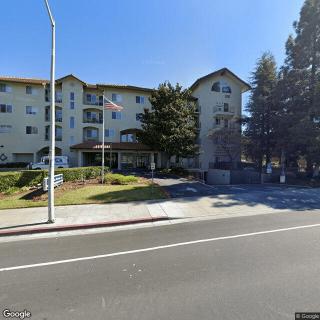
Pruneridge Residential Care Home 2 in San Jose, CA

2575 Forest Avenue, San Jose, CA 95117

For more information about senior living options: (844) 490-3973

5 from 1 review
Assisted Living Board and Care Home Memory Care Respite Care

What level of care are you interested in?

Assisted Living

Memory Care

Independent Living

Skilled Nursing Facility

Continuing Care Retirement Community (CCRC)CCRC

Other


Request a tour at Pruneridge Residential Care Home 2

    Overall Review of Pruneridge Residential Care Home 2

    Pros

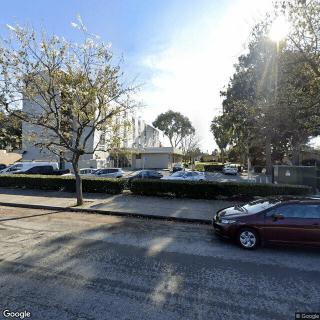
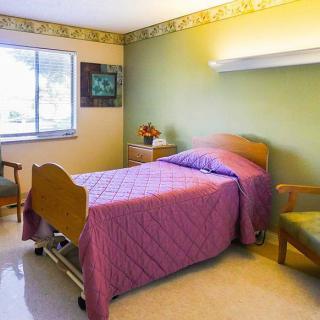
    • pro Pruneridge is a bright and airy, small facility.
    • pro The staff are exceptionally caring, loving, and gentle with residents.
    • pro The facility is nice, clean, and comfortable.
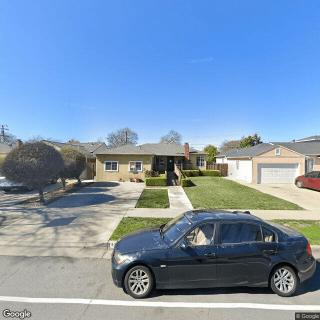
    • pro The location is convenient for their needs.
    • pro They liked the owner and found her easy to communicate with.
    • pro They are really pleased with the facility.

    Review

    This community is best suited for families seeking an exceptionally intimate, home-like setting for an aging relative who benefits from highly personalized attention. Pruneridge Residential Care Home 2 in San Jose operates on a small, six-resident model, which instantly translates into a calm, predictable daily rhythm. The space feels bright and airy, and the caregiving tone comes across as exceptionally nurturing, patient, and gentle. For families prioritizing direct access to caregivers and a relationship with the people who actually supervise day-to-day care, this environment delivers the kind of consistency that larger communities often struggle to provide.

    Those weighing options should consider alternatives if a resident requires more intensive medical oversight, complex memory-care programming, or a wide array of structured activities and social opportunities. A larger assisted living or specialized dementia facility may offer greater clinical support, on-site therapy services, and a broader calendar of events. If transportation, multiple daily outings, or a more vigorous activity slate are important, a bigger setting could be a better fit. This is not a critique of the quality here; it is simply a reality of scale and capability that some families will value differently.

    The standout pro is the intimate scale itself. With only a handful of residents, staff can customize routines to individual preferences, monitor subtle changes quickly, and maintain a steady, predictable environment that lowers the risk of overlooked needs. The caregiver relationship tends to feel deeper and more consistent, which often translates into a sense of safety and emotional comfort for a resident and peace of mind for family members. The location's convenience further enhances practical daily decisions, limiting long drives for visits and facilitating timely coordination with the people who supervise care.

    Another clear strength is the way the space and care ethos come together to feel like a well-kept home. The facility's cleanliness and comfort contribute to a dignified, low-stress atmosphere where daily life remains familiar and manageable for residents. The presence of a hands-on owner who is easy to communicate with adds a layer of accountability and responsiveness that many families value highly. When questions arise or adjustments are needed, the willingness to engage directly with the owner becomes a practical advantage, reducing friction and speeding up problem-solving.

    The main trade-off in this model centers on scale. A six-resident home inherently offers fewer peer interactions, a more limited menu of activities, and less on-site support compared to larger communities. This can translate into quieter days and fewer formal programs, which may feel restrictive for residents who crave constant social engagement or diverse therapeutic offerings. Yet the same intimate setting that limits breadth often amplifies depth: residents receive more attentive, anticipatory care, and families typically experience clearer, more frequent updates and involvement in daily routines.

    Ultimately, the decision hinges on balance. For families prioritizing personal connections, transparent communication, and a warm, home-like environment, Pruneridge Residential Care Home 2 delivers a compelling match. It is less about bells-and-whistles and more about the quality of daily interactions, the steadiness of routines, and the comfort of knowing care is tailored rather than standardized. Before deciding, prospective families should arrange a visit to observe caregiver dynamics, inquire about staffing patterns, ask how emergencies are managed, and review how daily activities are structured. If those elements align with the resident's needs and family goals, this community offers a practical and reassuring path forward; if a broader spectrum of medical services or social programming is essential, it warrants exploring alternatives that scale to those requirements.

    Features

    Housing

    • 6 resident community capacity 6 resident community capacity

    Types of Care

    • Assisted Living Assisted LivingAssisted living facilities provide crucial support and care for seniors who may need help with daily tasks such as medication management, bathing, and meal preparation. These communities offer a safe and comfortable environment where seniors can maintain their independence while receiving the assistance they need to thrive in their golden years.
    • Board and Care Home Board and Care HomeBoard and care homes provide a smaller, more intimate setting for seniors who require assistance with daily tasks but do not need the level of care offered by a nursing home. They offer personalized care, meals, and social activities in a homelike environment, ensuring that seniors receive individualized attention and support in their golden years.
    • Memory Care Memory CareMemory care is crucial for seniors as it provides specialized support and services for individuals with dementia or Alzheimer's disease. These programs offer a safe and secure environment where residents receive personalized care, cognitive stimulation, and help with daily activities. Memory care helps seniors maintain their independence, quality of life, and dignity while also providing peace of mind for their families.
    • Respite Care Respite CareRespite care provides temporary relief for caregivers, allowing them to recharge and attend to their own needs. It also gives seniors the opportunity to socialize, receive professional care, and experience a change of scenery, promoting overall well-being and reducing feelings of isolation.

    Amenities

    • Cable or satellite TV Cable or satellite TVCable or satellite TV is important for seniors because it provides entertainment, news, and companionship, helping to combat loneliness and boredom. It also offers a wide range of programming options tailored to different interests and preferences.
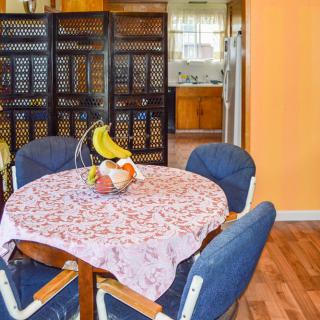
    • Dining room Dining roomDining rooms are important for seniors as they provide a space for socialization, connection, and nutritious meals. They offer opportunities for residents to bond over shared meals, foster a sense of community, and promote healthy eating habits. Dining rooms also ensure that seniors have access to well-balanced meals tailored to their dietary needs and preferences.
    • Fully furnished Fully furnishedFully furnished senior living communities are important for seniors because they provide convenience, comfort, and a hassle-free moving experience. Seniors can easily settle into their new living space without the stress of having to buy and move furniture. This allows them to focus on enjoying their new home and community.
    • Garden GardenGardens are important for seniors as they provide a peaceful and therapeutic environment for relaxation, physical activity, and socialization. Being in nature has been shown to reduce stress, improve mood, and promote overall well-being. Gardens also offer opportunities for seniors to engage in gardening activities, which can improve mobility, flexibility, and cognitive function. Additionally, gardens create a sense of community and connection with others who share a passion for plants and outdoor spaces.
    • Housekeeping services Housekeeping servicesHousekeeping services are important for seniors because they help maintain a clean and safe living environment, promote independence, and reduce the risk of accidents or illnesses. Additionally, having assistance with household chores can alleviate physical strain and allow seniors to focus on other aspects of their well-being.
    • Move-in coordination Move-in coordinationMove-in coordination is important for seniors because it helps ease the transition into their new living environment. It ensures that all logistics, such as packing, organizing movers, and setting up utilities are taken care of, allowing seniors to focus on settling in and adjusting to their new home. Having a smooth move-in process can alleviate stress and anxiety, making the transition smoother and more enjoyable for seniors.
    • Outdoor space Outdoor spaceOutdoor spaces are important for seniors as they provide opportunities for physical activity, social interaction, exposure to natural light and fresh air, and a sense of connection to nature. Having access to outdoor spaces can improve overall well-being and quality of life for older adults living in senior communities.
    • Telephone TelephoneTelephones are important for seniors as they provide a lifeline for communication with loved ones, emergency services, and healthcare providers. They offer a sense of security and independence, enabling seniors to stay connected and access assistance when needed.
    • Wi-Fi/high-speed internet available Wi-Fi/high-speed internet availableWi-Fi/high-speed internet is important for seniors to stay connected with loved ones, access online resources, and participate in virtual activities to combat feelings of loneliness and isolation. It also allows them to easily manage healthcare needs, access entertainment, and engage in lifelong learning opportunities.

    Transportation

    • San Jose International (3 miles away) San Jose International (3 miles away)

    Care Services

    • 24-hour supervision 24-hour supervision24-hour supervision is important for seniors to ensure their safety, well-being, and access to immediate assistance in case of emergencies or health issues. This constant support provides peace of mind for both seniors and their loved ones, allowing them to age in place with dignity and security.
    • Activities of daily living assistance Activities of daily living assistanceActivities of daily living assistance are important for seniors because they provide essential support with tasks such as eating, bathing, dressing, and mobility. This assistance helps seniors maintain their independence, dignity, and overall quality of life as they age.
    • Assistance with bathing Assistance with bathingAssistance with bathing is crucial for seniors as it helps maintain personal hygiene, prevents infections, and ensures their overall well-being and comfort. It also provides a sense of dignity and independence for seniors who may struggle with this task on their own.
    • Assistance with dressing Assistance with dressingAssistance with dressing is important for seniors because it helps maintain their independence, promotes personal hygiene, prevents accidents and injuries, and improves overall quality of life. This service ensures that seniors can continue to dress comfortably and confidently, despite any physical limitations they may have.
    • Assistance with transfers Assistance with transfersAssistance with transfers is crucial for seniors as it helps prevent falls and injuries, maintains their independence, and ensures they can safely navigate their living environment. It also provides peace of mind for both seniors and their loved ones.
    • Coordination with health care providers Coordination with health care providersCoordination with health care providers is crucial for seniors to ensure proper medical care, medication management, and overall well-being. This collaboration helps prevent overlapping treatments, track progress more effectively, and provide comprehensive support tailored to individual needs.
    • Dementia waiver Dementia waiverDementia waivers are essential for seniors as they provide critical protections and accommodations for those experiencing cognitive decline. These waivers ensure individuals with dementia receive appropriate care, support, and resources to maintain their quality of life and dignity as they navigate the challenges of this progressive condition.
    • Diabetes diet Diabetes dietA diabetes diet is crucial for seniors as it helps manage blood sugar levels, reduce risks of complications, and improve overall health and well-being. By following a balanced and nutritious diet tailored to their specific needs, seniors can better control their diabetes and enhance their quality of life.
    • Hospice waiver Hospice waiverHospice waivers are important for seniors because they allow individuals to receive specialized end-of-life care and support at home or in a hospice facility. This waiver ensures that seniors can access the necessary resources and services to maintain comfort and dignity during their final days.
    • Meal preparation and service Meal preparation and serviceMeal preparation and service are crucial for seniors as they may have limited mobility or energy to cook nutritious meals. Having access to healthy and convenient food options can ensure they are getting the proper nutrition needed to maintain their overall health and well-being.
    • Medication management Medication managementMedication management is crucial for seniors to ensure they are taking the right medications at the correct dosages and times. This helps prevent adverse drug interactions, reduces the risk of medication errors, and promotes overall health and well-being. Proactive management also allows for adjustments as needed based on changing health conditions or new prescriptions.
    • Mental wellness program Mental wellness programMental wellness programs are essential for seniors as they promote cognitive stimulation, emotional support, and social engagement. These programs help prevent isolation, depression, and cognitive decline, ultimately enhancing the overall quality of life for older adults.
    • Mild cognitive impairment Mild cognitive impairment"Mild cognitive impairment" is important for seniors because it is an early stage of cognitive decline that can potentially progress to more severe conditions such as dementia. Recognizing and addressing mild cognitive impairment can help seniors receive appropriate care and support to maintain their quality of life and independence for as long as possible.
    • Special dietary restrictions Special dietary restrictionsSpecial dietary restrictions are important for seniors because age-related changes in metabolism and health conditions can make it difficult for their bodies to process certain foods. By following a diet tailored to their specific needs, seniors can maintain their overall health and well-being, manage chronic conditions, and reduce the risk of complications such as malnutrition or food interactions with medications.
    • Specialized memory care programming Specialized memory care programmingSpecialized memory care programming is crucial for seniors with cognitive impairments such as dementia or Alzheimer's disease. These programs provide a safe and supportive environment tailored to the unique needs of individuals with memory loss, helping them maintain their independence, dignity, and quality of life.
    • Transportation arrangement (medical) Transportation arrangement (medical)Transportation arrangements for medical purposes are essential for seniors as they may have difficulty driving themselves to appointments or accessing public transportation. Having reliable and safe transportation options ensures that seniors can receive timely medical care and maintain their health and well-being.
    • Transportation to doctors appointments Transportation to doctors appointmentsTransportation to doctors' appointments is crucial for seniors as it ensures they have access to necessary medical care and support for their health needs. Without reliable transportation, seniors may struggle to attend important appointments, leading to potential delays in treatment and health complications. Providing transportation services helps seniors maintain their overall well-being and quality of life.

    Dining

    • Diabetes diet Diabetes dietA diabetes diet is crucial for seniors as it helps manage blood sugar levels, reduce risks of complications, and improve overall health and well-being. By following a balanced and nutritious diet tailored to their specific needs, seniors can better control their diabetes and enhance their quality of life.
    • Special dietary restrictions Special dietary restrictionsSpecial dietary restrictions are important for seniors because age-related changes in metabolism and health conditions can make it difficult for their bodies to process certain foods. By following a diet tailored to their specific needs, seniors can maintain their overall health and well-being, manage chronic conditions, and reduce the risk of complications such as malnutrition or food interactions with medications.

    Activities

    • Community-sponsored activities Community-sponsored activitiesCommunity-sponsored activities are important for seniors as they provide opportunities for social interaction, mental stimulation, and physical activity. These activities can help improve overall well-being, combat loneliness and isolation, and promote a sense of belonging and purpose among older adults.
    • Scheduled daily activities Scheduled daily activitiesScheduled daily activities are important for seniors because they provide structure, socialization, mental stimulation, and physical activity. Engaging in regular activities can improve overall well-being and quality of life for seniors living in a community setting.

    Description

    Pruneridge Residential Care Home 2 in San Jose, CA is a warm and welcoming assisted living community that provides exceptional care to seniors in need. Our dedicated staff offers a range of services, including board and care home, memory care, and respite care.

    Residents at Pruneridge Residential Care Home 2 enjoy a comfortable and fully furnished environment with access to various amenities. Our dining room provides delicious meals tailored to residents' special dietary restrictions. Housekeeping services ensure that our community remains clean and tidy at all times. The outdoor space and garden offer a serene setting for relaxation or socializing with fellow residents.

    Our caring staff is available to assist with activities of daily living such as bathing, dressing, and transfers. We also collaborate closely with health care providers to ensure comprehensive coordination of care. Residents with dementia or mild cognitive impairment receive specialized memory care programming, while those on diabetes or hospice waivers receive the necessary support.

    At Pruneridge Residential Care Home 2, we understand the importance of mental wellness. Our mental wellness program focuses on providing emotional support and engaging activities to enhance the overall well-being of our residents.

    Transportation arrangements are available for medical appointments, ensuring seniors can easily access the healthcare they require. Additionally, proximity to cafes, parks, pharmacies, physicians' offices, restaurants, places of worship, theaters, and hospitals offers convenience for both residents and their families.

    If you're looking for an assisted living community that prioritizes personalized care in a cozy environment with access to essential amenities and nearby facilities, Pruneridge Residential Care Home 2 is the ideal choice for your loved ones.

    Nearby Places of Interest

    Pharmacies

    • Walgreens (0.2 miles)
    • CVS Pharmacy (0.3 miles)
    • CVS Pharmacy (0.8 miles)
    • CVS Pharmacy (1.4 miles)
    • Walgreens (1.7 miles)
    • Rite Aid (1.9 miles)
    • Walgreens (2.2 miles)

    Restaurants

    • Showplace Icon 8857 (0.3 miles)
    • The Cheesecake Factory (0.4 miles)
    • Yard House (0.4 miles)
    • King's Fish House (0.5 miles)
    • Shake Shack (0.5 miles)
    • Din Tai Fung (0.5 miles)
    • Fogo De Chao (0.5 miles)

    Physicians

    • Shen Medicine Pediatrics and Associates (0.3 miles)
    • South Bay Allergy and Asthma Group (1.4 miles)
    • Santa Clara Valley Speciality Center (1.4 miles)
    • Allergy & Asthma Associates Of Northen California (1.5 miles)
    • Ear Associates & Rehabilitation Services (1.8 miles)
    • Palo Alto Medical Foundation (2.1 miles)
    • Obstetrix Medical Group (2.6 miles)

    Hospitals

    • O'Connor Hospital (0.8 miles)
    • Valley Health Center Bascom (1.5 miles)

    Parks

    • Frank M Santana Park (0.8 miles)
    • San Jose Municipal Rose Garden (1.5 miles)
    • Central Park (1.6 miles)
    • Maywood Park (1.9 miles)
    • Reed Street Dog Park (2.2 miles)
    • Earl J Carmichael Park (2.5 miles)
    • Machado Park (3 miles)

    Cafes

    • Coffee & Water Lab (1.5 miles)
    • Starbucks (1.6 miles)
    • Starbucks (2.5 miles)
    • Apple Park Café (2.9 miles)
    • Philz Coffee (3 miles)
    • 7 Leaves Cafe (3.5 miles)
    • Roy's Station Coffee & Tea (3.5 miles)

    Places of Worship

    • Calvary United Methodist Church (1.8 miles)

    Transportation

    • Santa Clara Caltrain Station (2 miles)
    • Santa Clara Transit Center (2 miles)
    • San Jose Diridon Station (2.8 miles)
    • Apple Park Transit Center (3 miles)
    • Norman Y. Mineta San Jose International Airport (SJC) (3.1 miles)
    • The Club at SJC (3.1 miles)
    • Terminal A (3.2 miles)

    Theaters

    • Pruneyard Cinemas (2.9 miles)
    • AMC Mercado 20 (4.6 miles)

    Frequently Asked Questions

    Where is Pruneridge Residential Care Home 2?
    Does Pruneridge Residential Care Home 2 provide care for residents with dementia or Alzheimer's disease?

    Nearby Communities

    • Maxim Healthcare

      Maxim Healthcare

      San Jose, CA

      4 from 37 reviews
       

    • Valley Village

      Valley Village

      Santa Clara, CA

      4.2 from 39 reviews
       

      pro Affordable housing with meals and engaging activities.

    • Country Style Living

      Country Style Living

      Santa Clara, CA


      pro Comprehensive care and convenient amenities (24/7 supervision, ADL assistance, diabetes-friendly meals, transportation to appointments, move-in coordination).

    • Mission Skilled Nursing & Subacute Center

      Mission Skilled Nursing & Subacute Center

      Santa Clara, CA

      3.8 from 59 reviews
       

      pro Caring, attentive nursing staff

    • Monroe Residential Care Home

      Monroe Residential Care Home

      San Jose, CA


      pro Small, personalized board-and-care with 24-hour supervision and tailored daily activities.

    • Rojas Care Services Inc

      Rojas Care Services Inc

      San Jose, CA

      4.8 from 4 reviews
      $5,000 to $7,000 / month

      pro Loving, attentive staff in a clean, safe home with diabetes-focused care and convenient location.

    • Belmont Village Senior Living San Jose

      Belmont Village Senior Living San Jose

      San Jose, CA

      4.5 from 83 reviews
      $5,960 to $8,400 / month

      pro Excellent dining, friendly staff, and engaging memory-care activities in a clean, well-maintained setting.

    • Oakmont of Silver Creek

      Oakmont of Silver Creek

      San Jose, CA

      4.2 from 52 reviews
      $5,495 to $8,995 / month

      pro Beautiful, clean facility with friendly staff and engaging activities.

    • Essential Care - Santa Clara

      Essential Care - Santa Clara

      Santa Clara, CA

      4.4 from 76 reviews
       

      pro Friendly, helpful staff with a clean, organized facility and healthy meals.

    Related Resources

    • does medicaid pay for assisted livingUnderstanding Medicaid Coverage for Assisted Living: A Comprehensive Guide

      The guide outlines the complexities of Medicaid coverage for assisted living, highlighting significant state-to-state variations, limited coverage often restricted to personal care services, and the existence of specialized waivers for certain needs like memory care. It advises families to consult local Medicaid offices for options while emphasizing the importance of understanding state-specific regulations and facility policies.

    • does medicaid pay for assisted livingHow and When Medicaid May Cover Assisted Living Costs

      Medicaid coverage for assisted living varies by state and is primarily available to low-income individuals, with eligibility dependent on strict income and asset limits. Some states offer HCBS waivers for specific services in assisted living, but families must generally cover room and board costs, and should verify facility acceptance of Medicaid while considering potential waiting lists.

    • assisted living waiver programA Detailed Exploration of Assisted Living Medicaid Waivers Across the United States

      Medicaid waivers for assisted living services provide vital support for seniors and individuals with disabilities in need of long-term care, with varying state-specific eligibility criteria and benefits. These waivers cover personal care and case management but often do not fully cover room and board, leading to waiting lists for many applicants.


    Get Pricing Ask A Question Schedule A Tour Contact Senior Advisor