
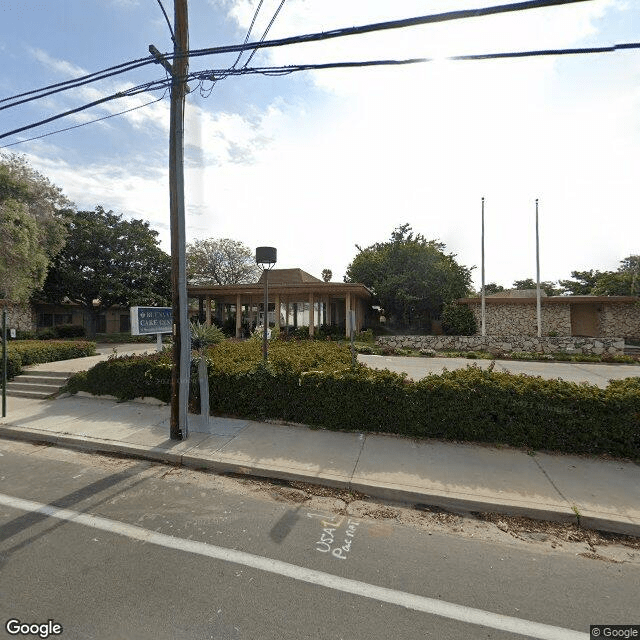
160 South Patterson Avenue, Santa Barbara, CA 93111
For more information about senior living options: (866) 208-4318

Overall Review of Buena Vista Care Center
Pros
 The facility is regarded as very good, with kind staff and happy residents.
- The place is clean and well-kept.
- Front desk staff are friendly and welcoming.
- The care is high-quality, with attentive and supportive staff.
- Therapists are skilled, compassionate, and effective.
- The facility offers amenities like a room for movies and music, and a library.
- Families feel welcomed and say staff treat residents like family, and many would recommend Buena Vista.
Cons
 The staff were poor at answering questions when the resident could not be located in the facility.
- The facility repeatedly could not locate the resident, with no record of her whereabouts.
- The resident fell and was injured, requiring surgery and rehospitalization, due to insufficient attention.
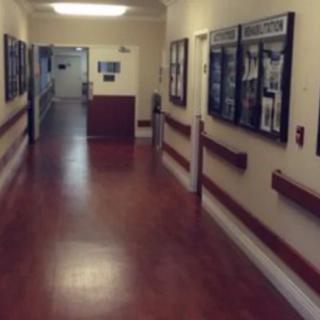
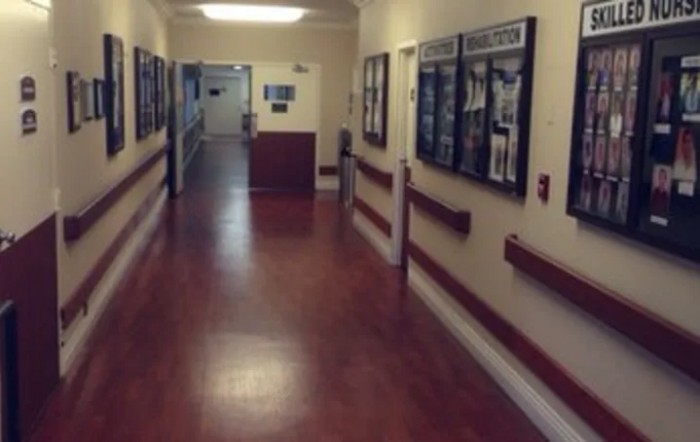
- The facility is an older building with wear and tear, needing redoing and maintenance.
- The food could be a little better.
- The staff did not wash the patients' hands before eating, indicating hygiene lapses.
- The bed controls were out of reach, the cord was short, and the bed didn’t work, with no action for two weeks.
- There is a concern that too much of a certain medication was given to a loved one.
- One reviewer advised to stay away from the facility unless the resident is wheelchair-bound and not very mobile.
Review
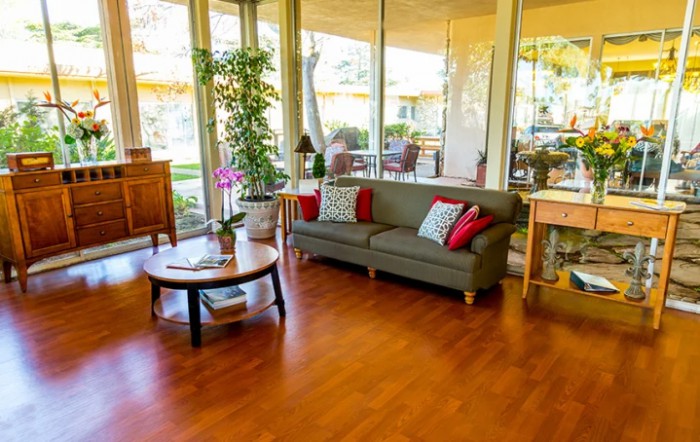
Buena Vista Care Center in Santa Barbara is best suited for seniors who are prioritizing rehabilitation and a clear path back to independence after a hospital or acute episode. The community rewards families who value a hands-on therapy program, a warm, service-minded staff, and a campus atmosphere that feels connected rather than clinical. Residents can expect a mix of private rooms and comfortable shared layouts, plus accessible amenities such as a movie room, library, and beauty salon. Cleanliness and a visible emphasis on daily routines help create a trustworthy, home-like environment where progress in mobility and daily functioning is tangible.
Those who should consider alternatives are individuals who demand a newer, glitzier setting or require exceptionally tight safety oversight. Several reviews flag room condition and building age as a drawback, with wear and tear visible and some maintenance issues lingering. There are also cautions about operational gaps, questions from visitors not always answered promptly, and at least one account of a resident being misplaced within the building. For families that place a premium on flawless incident reporting, seamless mobility with assistive devices, and a contemporary, resort-like atmosphere, it may be worth looking at other options.
The strongest positives here are the rehabilitation-focused outcomes and the staff’s consistently caring posture. Across multiple accounts, therapists are described as skilled, engaged, and pivotal to recovery, with anecdotal success stories of residents regaining walking ability and independence. The care philosophy shines through in everyday interactions: gentle, proactive nursing attention, friendly front-desk reception, and a culture that feels supportive rather than punitive. Cleanliness is repeatedly highlighted, along with multiple dining venues and the option to eat in the room, which together foster a dignified, resident-centered feel that reinforces progress rather than frustration.
That said, the main drawbacks do not vanish simply because the rehab program works. The facility’s age shows in wear and tear around corridors and rooms, and the associated maintenance reality can affect day-to-day comfort. Equipment issues, such as bed controls that are not readily accessible to residents or are slow to fix, can undermine a sense of autonomy for those recovering strength. A few reviews raise concerns about basic safety practices, including lapses in hygiene processes at meals. While these concerns appear episodic and not universal, they are meaningful red flags when choosing a post-acute environment where steady, reliable routines matter.
Practically, families evaluating Buena Vista should structure visits around concrete checks. Observe how staff interact with residents, particularly during meals and therapy sessions, and ask to meet the therapy team to gauge approach and availability. Inspect rooms to understand privacy versus shared arrangements, and verify that assistive devices, call lights, and bed controls function as intended. Probe the administration about incident reporting, safety protocols, and maintenance timelines, especially for critical equipment. Request clear expectations on medication management and daily schedules, and compare these elements against what other facilities offer in the same price tier.
In the final assessment, Buena Vista Care Center is a solid, rehab-forward option for families prioritizing tangible recovery outcomes, skilled therapy, and a compassionate, community-oriented atmosphere. It delivers meaningful progress for residents, with a cleanliness standard and social infrastructure that support sustained improvement. However, it is not the quietest or most modern facility, and potential buyers must weigh the comfort of a well-loved, older campus against the desire for pristine infrastructure and impeccable, uninterrupted safety oversight. For post-acute needs where restoration of independence and daily function is the central goal, Buena Vista stands up well; for those who require a newer build, flawless operational reliability, or top-tier safety assurances, alternatives should be pursued with diligence. Schedule a visit, talk to current residents’ families, and insist on witnessing the rehab program in action to confirm that this balance aligns with the individual’s care priorities.
 150 resident community capacity
 Skilled Nursing Facility
 Air-conditioning
 Beauty salon
 Cable or satellite TV
 Computer center
 Continuing learning programs
 Dining room
 Family education and support services
 Fitness room
 Fully furnished
 Gaming room
 Garden
 Housekeeping services
 Kitchenette
 Move-in coordination
 Outdoor patio
 Outdoor space
 Private bathrooms
 Restaurant-style dining
 Small library
 Telephone
 Wellness center
 Wi-Fi/high-speed internet available
 Santa Barbara Municipal (2 miles away)
 Community operated transportation
 12-16 hour nursing
 24-hour call system
 Accept incoming residents on hospice
 Activities of daily living assistance
 Administer insulin injections
 Assistance with bathing
 Assistance with dressing
 Assistance with transfers
 Care with behavioral issues
 Diabetes diet
 Medication management
 Mental wellness program
 Mild cognitive impairment
 Physical therapy
 Same day assessments
 Special dietary restrictions
 Transportation arrangement (medical)
 Concierge services
 Planned day trips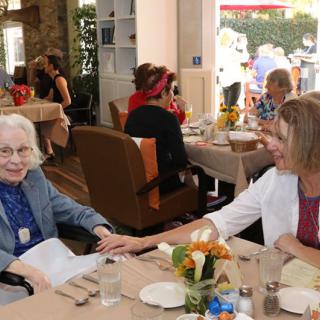




 Effective Strategies for Keeping Seniors' Minds Active: A Deep Dive into Brain Games and Apps
 In-Depth Look at the VA Aid and Attendance Program
 Nurturing Our Loved Ones: A Daughter's Journey in Caring for Her Mother