Jewish Home and Rehab Center

Save

  • Interior

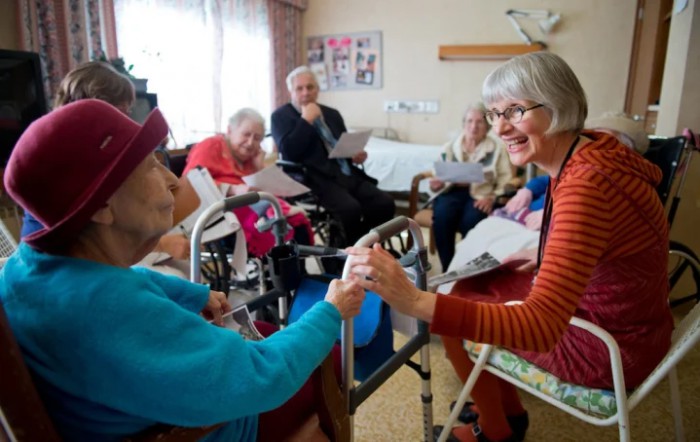
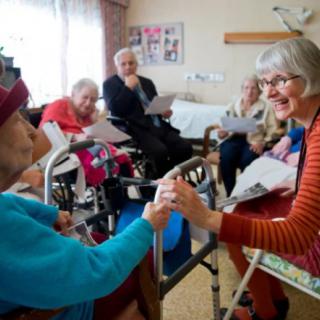
    A group of elderly individuals engaging in a social activity, smiling and interacting with each other in a care facility.
  • Building

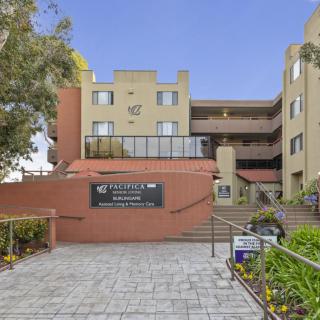
    A vibrant strawberry heart sculpture in the foreground, with modern buildings and greenery in the background.
  • Architecture

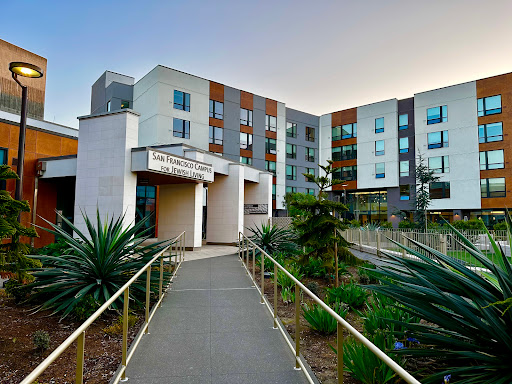
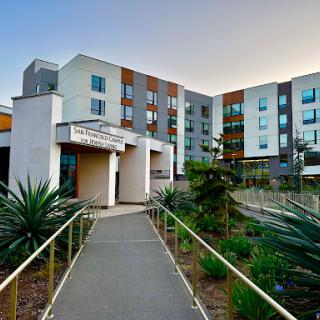
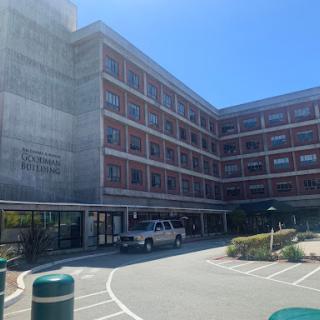
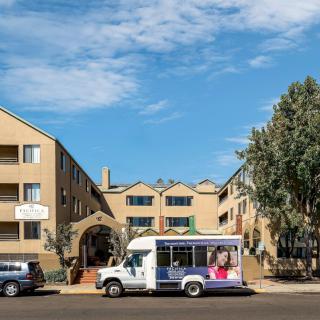
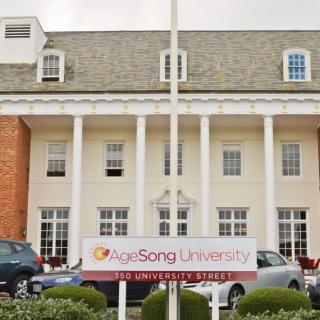
    A modern hotel with contemporary architecture and landscaped pathways.
  • Bedroom

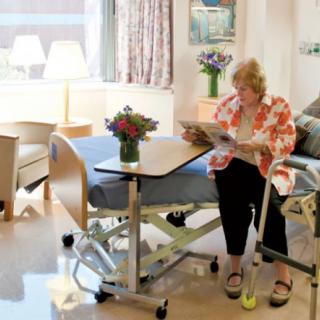
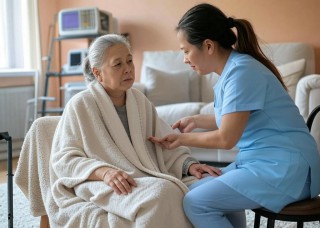
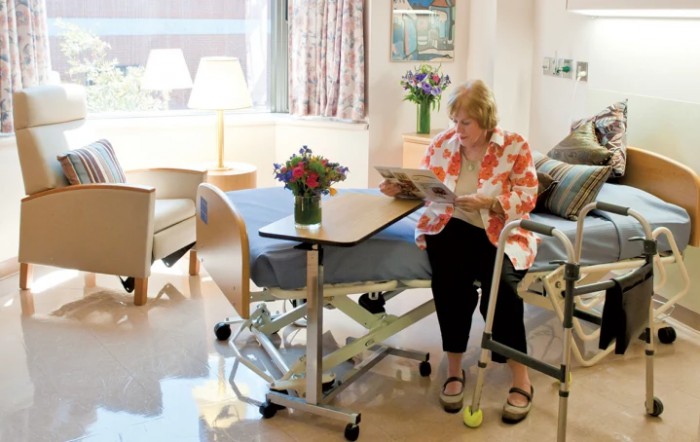
    A patient sitting in a hospital room, reading next to a bed with a bouquet of flowers on the table.
  • Trees

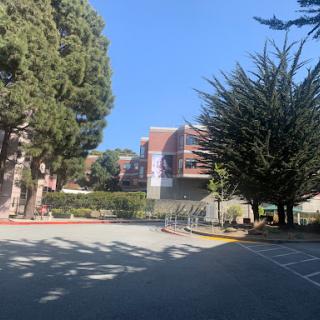
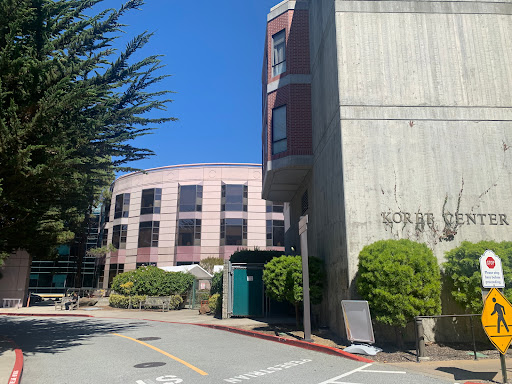
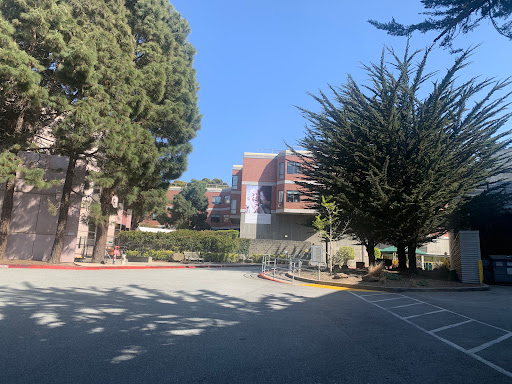
    A peaceful scene featuring a building surrounded by trees under a clear blue sky.
  • Landscaping

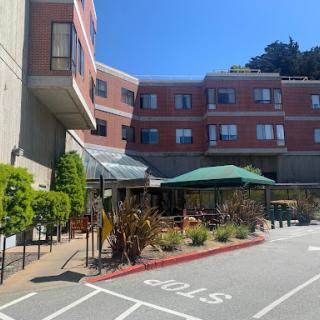
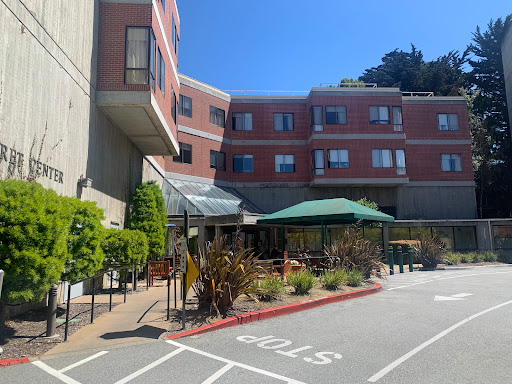
    A sunny day at a residential facility featuring outdoor seating and well-maintained landscaping.
  • Outdoor

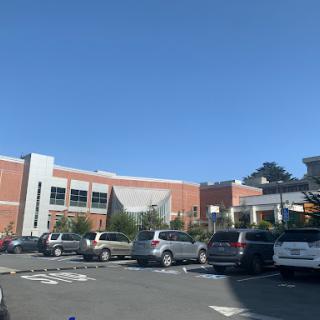
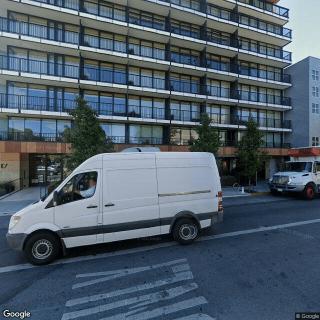
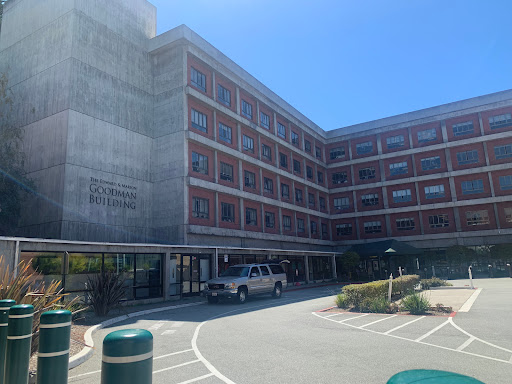
    A modern multi-story building with a parking area, captured in bright daylight.
  • Tree

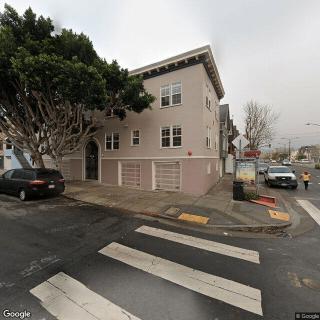
    A black SUV parked in an urban area surrounded by greenery.
  • Urban

    A view of modern architecture amidst greenery on a clear day.
  • Nursing Home

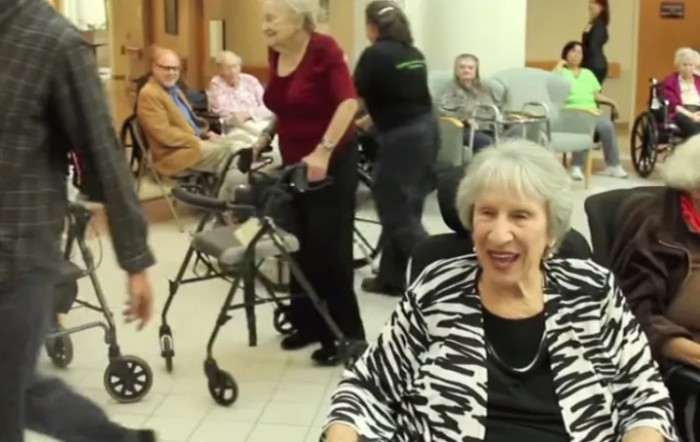
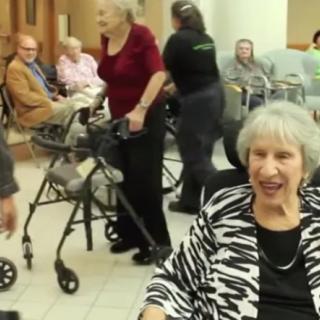
    A group of elderly people socializing in a nursing home setting, with some using wheelchairs and walkers.
  • Reading

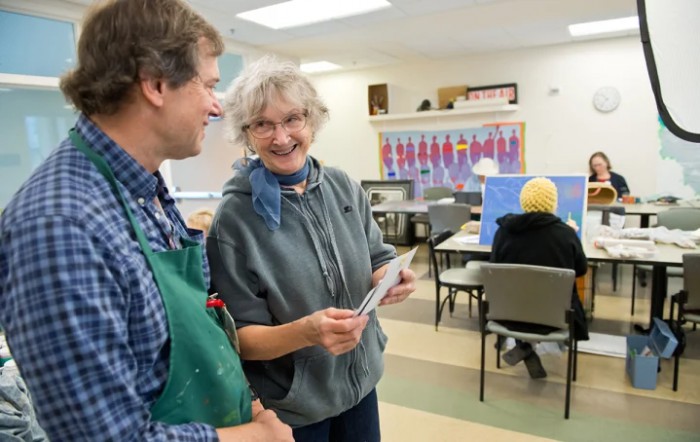
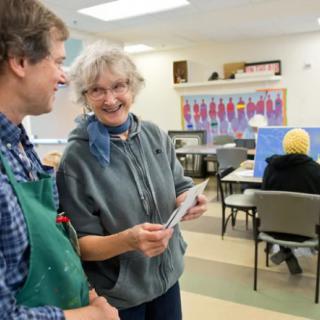
    Two people engaging in conversation inside a community center.
  • Parking

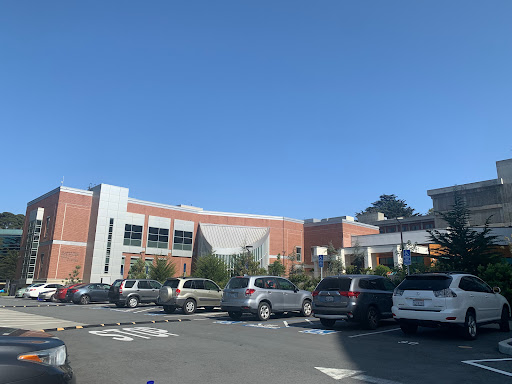
    A sunny day at a shopping center parking lot, showcasing various vehicles against a clear blue sky.

Jewish Home and Rehab Center

302 Silver Avenue, San Francisco, CA 94112

For more information about senior living options: (844) 490-3973

3.6 from 47 reviews
5 stars
26
4 stars
4
3 stars
1
2 stars
5
1 stars
11

Skilled Nursing Facility

Jewish Home and Rehab Center Costs & Pricing

The Jewish Home and Rehab Center offers competitive pricing in the context of San Mateo County and California as a whole. For a studio room, the monthly cost is $3,995, which is significantly lower than the county average of $5,178 and also below the state average of $4,145. Similarly, for a one-bedroom unit priced at $4,995, it remains more affordable than both the county's average of $5,821 and California's overall cost of $4,340. This pricing structure positions the Jewish Home and Rehab Center as an attractive option for individuals seeking quality care without incurring exorbitant expenses in comparison to regional and statewide benchmarks. Overall, it reflects a commitment to providing accessible living arrangements while maintaining a high standard of care.

Floor plansJewish Home and Rehab CenterSan Mateo CountyCalifornia
Studio$3,995$5,178$4,145
1 Bedroom$4,995$5,821$4,340

Overall Review of Jewish Home and Rehab Center

Pros

  • pro The F3 leadership team was kind, approachable, and consistently helpful in addressing concerns quickly.
  • pro The CNA team worked incredibly hard, maintaining a positive attitude and going above and beyond to keep residents comfortable and cared for.
  • pro The PT and OT teams were incredible, offering skilled therapy and keeping residents motivated to regain strength.
  • pro The care at the facility was compassionate, and the staff were genuinely kind.
  • pro The rooms offered good air flow, contributing to resident comfort.
  • pro The staff provided clear documentation of what each patient was receiving, helping families stay informed.
  • pro The rehabilitation team was stellar and highly knowledgeable, making learning and exercises enjoyable for residents.
  • pro The staff were professional, caring, and dedicated, making challenging times easier for families.
  • pro Volunteers and residents enjoyed participating in meaningful events like pride events, concerts, tree planting, and library visits.

Cons

  • pro The reviewer was banned after being reported twice for using their phone.
  • pro The facility feels dated and institutional.
  • pro The food is only okay and not much different from other hospitals.
  • pro The rooms are loud due to sirens and noise from other units' devices.
  • pro Medications were left in a small cup and staff were not in the room when needed.
  • pro Discharge staff persistently harassed the reviewer about when they would be picked up.
  • pro Parking costs $15 to visit during the week.
  • pro There is slow internet and no proactive communication or family council.
  • pro Nurses won't look residents in the eye and sometimes withhold medications.
  • pro Kaiser Permanente was described as having a horrible contract with the facility.

Review

The San Francisco Campus for Jewish Living represents a complex tapestry of care, community, and ongoing opportunity. As a former volunteer connected to Frank Residences and more broadly to the campus, I came away with deep appreciation for the mission of providing compassionate care to residents, paired with clear reminders that every organization has room to grow in how it supports staff, volunteers, and families. My time there included moments of warmth, learning, and connection, as well as some difficult experiences that highlighted gaps in training, communication, and staff well-being that are worth addressing.

On the positive side, I witnessed firsthand the dedication of the care teams across different roles. I enjoyed participating in a wide range of resident-centered activities, from pride events and resident council meetings to afternoon concerts, tree plantings, and library visits. Listening to residents' stories and perspectives was a privilege, and the opportunity to shadow colleagues in long-term rehabilitation - helping transport residents and assisting with exercises - showed me how deeply knowledgeable and committed the rehabilitation team can be. The entire care culture around the F3 unit, in particular, stood out for its warmth and teamwork. The staff who supported my learning were patient, encouraging, and clearly invested in helping residents feel comfortable and valued.

Yet, the experience also underscored several systemic areas where expectations and support could be clarified and strengthened. A notable issue for me as a volunteer was a ban that followed two reports about my use of a phone. I wished there had been clearer guidance or training on phone etiquette, so I could learn and adjust rather than face formal removal. This highlighted a broader need for explicit volunteer expectations up front - communication, policies, and the opportunity for dialogue when questions arise. A well-designed onboarding process could prevent similar misunderstandings in the future and help volunteers focus on contributing meaningfully to resident care.

Another layer of the experience involved communication dynamics, especially in personal circumstances. I shared with my supervisor that I was navigating an abusive situation at home, and I hoped for room to talk through this rather than an automatic escalation. There were moments when being present outside of scheduled hours helped me cope and find stability, and I found particular comfort and safety in connecting with the Filipino staff, who contributed a sense of belonging and happiness during a challenging period. These interactions underscored the importance of inclusive, compassionate dialogue and the mental and emotional well-being of staff and volunteers alike.

Looking ahead, my hope for the campus is that it continues reflecting on inclusivity, communication, and staff well-being with greater openness and compassion. A healthier, more transparent environment would not only enhance the experience for residents but also support staff and volunteers in sustaining compassionate care. When communities cultivate listening, flexibility, and respect for diverse backgrounds, the campus has the potential to be an even stronger place of care and community for everyone involved, including visitors.

Beyond volunteering, I also observed how the broader facility operates day to day. The campus feels dated and institutional in some respects, which can contribute to a perception that care is more about compliance than humanity. Despite these aesthetics, there is genuine care present: residents benefit from attentive staff who strive to meet basic needs - help with eating or drinking, managing room temperatures and lighting, and ensuring comfort. The care environment can feel loud at times, with noise from corridors and other units, but closing doors helps dampen this; staff continuously work to keep residents comfortable and to provide access to food and beverages when needed. Visiting hours are generous (8 a.m. to 8 p.m.), and for some visitors, parking challenges and access routines can add stress, though not every visit is burdened by parking fees.

The most vivid contrasts in resident care come through the testimonials of families. Some family members praised specific teams and moments: knowledgeable physical and occupational therapy staff, a compassionate CNA team, and leadership that was kind and responsive. Others voiced deep disappointment, describing experiences of poor communication, outdated systems, and perceived neglect. There are powerful critiques about incidents during medication administration, with some reports suggesting medications were left in cups without direct nurse attention in the moment, and even harsher statements about harassment around discharge timing. There are also enduring concerns about long-term engagement with families - e.g., a lack of proactive communication or regular residents' activity newsletters and family councils - especially for those who cannot be independent or mobile. Complaints about parking costs and limited outdoor access for residents further color the spectrum of experiences.

Within this mosaic, there are all-too-human stories of strength and struggle. Some families spoke with gratitude about staff who went above and beyond, about moments when seemingly small acts - like sharing meals or ensuring safe, dignified care - made a meaningful difference. Others expressed a sense that, after the pandemic and continual leadership changes, the facility lost some of its previous responsiveness and warmth. The recurring thread, however, is a community trying to balance compassionate care with the realities of staffing, logistics, and evolving leadership - an ongoing process that benefits from honest feedback, listening, and collaborative problem-solving.

In sum, the San Francisco Campus for Jewish Living represents a place where good intentions and real care coexist with real challenges. The experiences I described show care teams that are capable, empathetic, and skilled, while also revealing gaps in training, communication, and staff support that deserve attention. The campus has a rich potential to be not only an excellent place of care for residents but also a healthier, more inclusive environment for staff, volunteers, and visitors. With continued attention to onboarding clarity, dialogue around personal and professional boundaries, and consistent structures for feedback and family engagement, the community can grow stronger and more resilient while honoring the dignity and comfort of every resident and every member of the caregiving team.

Features

Housing

  • 378 resident community capacity 378 resident community capacity

Types of Care

  • Skilled Nursing Facility Skilled Nursing FacilitySkilled Nursing Facilities are crucial for seniors as they provide round-the-clock medical care, rehabilitation services, and assistance with daily activities. These facilities ensure that seniors receive the specialized care they need to maintain their health and well-being as they age.

Amenities

  • Air-conditioning Air-conditioningAir conditioning is important for seniors as they are more vulnerable to heat-related illnesses and may have underlying health conditions that make it difficult for them to regulate their body temperature. It helps to keep them comfortable, safe, and healthy in hot weather.
  • Beauty salon Beauty salonBeauty salons are important for seniors because they provide a space for them to feel pampered, socialize, and maintain their personal grooming and hygiene. Regular visits to a beauty salon can help boost seniors' self-esteem and overall well-being.
  • Cable or satellite TV Cable or satellite TVCable or satellite TV is important for seniors because it provides entertainment, news, and companionship, helping to combat loneliness and boredom. It also offers a wide range of programming options tailored to different interests and preferences.
  • Computer center Computer centerA computer center is essential for seniors as it provides access to technology, communication tools, and resources that can enhance their daily lives. It allows them to stay connected with loved ones, engage in online activities, and learn new skills, ultimately promoting socialization and mental stimulation.
  • Dining room Dining roomDining rooms are important for seniors as they provide a space for socialization, connection, and nutritious meals. They offer opportunities for residents to bond over shared meals, foster a sense of community, and promote healthy eating habits. Dining rooms also ensure that seniors have access to well-balanced meals tailored to their dietary needs and preferences.
  • Fitness room Fitness roomHaving a fitness room in a senior living community is essential for seniors to stay active, maintain their physical health, and improve their overall well-being. Regular exercise can help prevent falls, reduce the risk of chronic diseases, and promote mental sharpness. It also provides social opportunities for residents to connect with others and enjoy a sense of community.
  • Fully furnished Fully furnishedFully furnished senior living communities are important for seniors because they provide convenience, comfort, and a hassle-free moving experience. Seniors can easily settle into their new living space without the stress of having to buy and move furniture. This allows them to focus on enjoying their new home and community.
  • Gaming room Gaming roomGaming rooms are important for seniors as they provide a fun and engaging environment for socializing, cognitive stimulation, and physical activity. Games can improve memory, problem-solving skills, and overall mental well-being while fostering friendships and reducing feelings of isolation.
  • Garden GardenGardens are important for seniors as they provide a peaceful and therapeutic environment for relaxation, physical activity, and socialization. Being in nature has been shown to reduce stress, improve mood, and promote overall well-being. Gardens also offer opportunities for seniors to engage in gardening activities, which can improve mobility, flexibility, and cognitive function. Additionally, gardens create a sense of community and connection with others who share a passion for plants and outdoor spaces.
  • Housekeeping services Housekeeping servicesHousekeeping services are important for seniors because they help maintain a clean and safe living environment, promote independence, and reduce the risk of accidents or illnesses. Additionally, having assistance with household chores can alleviate physical strain and allow seniors to focus on other aspects of their well-being.
  • Kitchenette KitchenetteKitchenettes are important for seniors living in senior living communities because they provide the convenience and independence of being able to prepare simple meals and snacks in the comfort of their own living space. This can help promote a sense of autonomy and well-being for seniors, allowing them to maintain some level of control over their dietary choices and daily routines.
  • Move-in coordination Move-in coordinationMove-in coordination is important for seniors because it helps ease the transition into their new living environment. It ensures that all logistics, such as packing, organizing movers, and setting up utilities are taken care of, allowing seniors to focus on settling in and adjusting to their new home. Having a smooth move-in process can alleviate stress and anxiety, making the transition smoother and more enjoyable for seniors.
  • Outdoor space Outdoor spaceOutdoor spaces are important for seniors as they provide opportunities for physical activity, social interaction, exposure to natural light and fresh air, and a sense of connection to nature. Having access to outdoor spaces can improve overall well-being and quality of life for older adults living in senior communities.
  • Private bathrooms Private bathroomsPrivate bathrooms are important for seniors in senior living communities because they provide independence, dignity, and comfort. Having a private bathroom allows seniors to maintain their personal hygiene routines without the need for assistance, promoting a sense of autonomy and privacy. Additionally, private bathrooms help prevent the spread of infections and provide a safe and clean environment for seniors to navigate safely.
  • Restaurant-style dining Restaurant-style diningRestaurant-style dining is important for seniors because it allows them to enjoy delicious, nutritious meals in a social and upscale setting. This enhances their dining experience, promotes healthy eating habits, and fosters socialization with fellow residents, ultimately contributing to their overall well-being and quality of life.
  • Small library Small librarySmall libraries are important for seniors as they provide access to a variety of reading materials, including books, newspapers, and magazines. This can help stimulate their minds, keep them engaged, and provide a sense of community through book clubs and other social activities. Additionally, reading has been shown to improve cognitive function and overall mental well-being in older adults.
  • Telephone TelephoneTelephones are important for seniors as they provide a lifeline for communication with loved ones, emergency services, and healthcare providers. They offer a sense of security and independence, enabling seniors to stay connected and access assistance when needed.
  • Wellness center Wellness centerWellness centers are important for seniors because they offer a variety of programs and services that promote physical, mental, and emotional well-being. These centers provide opportunities for exercise, socialization, education, and relaxation, helping seniors maintain their overall health and quality of life.
  • Wi-Fi/high-speed internet available Wi-Fi/high-speed internet availableWi-Fi/high-speed internet is important for seniors to stay connected with loved ones, access online resources, and participate in virtual activities to combat feelings of loneliness and isolation. It also allows them to easily manage healthcare needs, access entertainment, and engage in lifelong learning opportunities.

Transportation

  • San Francisco International (8 miles away) San Francisco International (8 miles away)
  • Metropolitan Oakland International (11 miles away) Metropolitan Oakland International (11 miles away)
  • Community operated transportation Community operated transportationCommunity operated transportation is crucial for seniors as it provides them with the means to access essential services, social activities, and medical appointments. It allows seniors to maintain their independence and quality of life by ensuring they can participate in activities outside of their homes. Additionally, community-operated transportation services offer a safe and reliable way for seniors to travel without having to rely on family or friends for assistance.
  • Transportation arrangement Transportation arrangementTransportation arrangements are crucial for seniors as they may face challenges with driving, mobility, or access to public transportation. Having reliable transportation services ensures that seniors can easily attend appointments, social activities, and maintain their independence and quality of life.
  • Transportation arrangement (non-medical) Transportation arrangement (non-medical)Transportation arrangements are essential for seniors as they provide access to essential services, activities, and social interactions outside the home. This service helps maintain independence, mobility, and overall well-being for seniors who may have limited transportation options.
  • Transportation to doctors appointments Transportation to doctors appointmentsTransportation to doctors appointments is crucial for seniors as it ensures they have access to necessary medical care and support, promoting their health and well-being. It allows them to receive timely treatment, monitor existing conditions, and address any new health concerns efficiently. Additionally, transportation services can help seniors maintain their independence and quality of life by enabling them to stay connected with their healthcare providers.

Care Services

  • 12-16 hour nursing 12-16 hour nursing12-16 hour nursing care is crucial for seniors in order to ensure around-the-clock monitoring, timely medication administration, and prompt response to any health concerns or emergencies. This level of care helps to promote the overall well-being and safety of seniors living in senior living communities.
  • 24-hour call system 24-hour call system24-hour call systems are important for seniors because they provide peace of mind and immediate assistance in case of emergencies. This technology ensures that help is always available, promoting safety and security for elderly individuals living alone or in assisted living facilities.
  • 24-hour supervision 24-hour supervision24-hour supervision is important for seniors to ensure their safety, well-being, and access to immediate assistance in case of emergencies or health issues. This constant support provides peace of mind for both seniors and their loved ones, allowing them to age in place with dignity and security.
  • Activities of daily living assistance Activities of daily living assistanceActivities of daily living assistance are important for seniors because they provide essential support with tasks such as eating, bathing, dressing, and mobility. This assistance helps seniors maintain their independence, dignity, and overall quality of life as they age.
  • Assistance with bathing Assistance with bathingAssistance with bathing is crucial for seniors as it helps maintain personal hygiene, prevents infections, and ensures their overall well-being and comfort. It also provides a sense of dignity and independence for seniors who may struggle with this task on their own.
  • Assistance with dressing Assistance with dressingAssistance with dressing is important for seniors because it helps maintain their independence, promotes personal hygiene, prevents accidents and injuries, and improves overall quality of life. This service ensures that seniors can continue to dress comfortably and confidently, despite any physical limitations they may have.
  • Assistance with transfers Assistance with transfersAssistance with transfers is crucial for seniors as it helps prevent falls and injuries, maintains their independence, and ensures they can safely navigate their living environment. It also provides peace of mind for both seniors and their loved ones.
  • Diabetes diet Diabetes dietA diabetes diet is crucial for seniors as it helps manage blood sugar levels, reduce risks of complications, and improve overall health and well-being. By following a balanced and nutritious diet tailored to their specific needs, seniors can better control their diabetes and enhance their quality of life.
  • Meal preparation and service Meal preparation and serviceMeal preparation and service are crucial for seniors as they may have limited mobility or energy to cook nutritious meals. Having access to healthy and convenient food options can ensure they are getting the proper nutrition needed to maintain their overall health and well-being.
  • Medication management Medication managementMedication management is crucial for seniors to ensure they are taking the right medications at the correct dosages and times. This helps prevent adverse drug interactions, reduces the risk of medication errors, and promotes overall health and well-being. Proactive management also allows for adjustments as needed based on changing health conditions or new prescriptions.
  • Mental wellness program Mental wellness programMental wellness programs are essential for seniors as they promote cognitive stimulation, emotional support, and social engagement. These programs help prevent isolation, depression, and cognitive decline, ultimately enhancing the overall quality of life for older adults.
  • Special dietary restrictions Special dietary restrictionsSpecial dietary restrictions are important for seniors because age-related changes in metabolism and health conditions can make it difficult for their bodies to process certain foods. By following a diet tailored to their specific needs, seniors can maintain their overall health and well-being, manage chronic conditions, and reduce the risk of complications such as malnutrition or food interactions with medications.

Dining

  • Diabetes diet Diabetes dietA diabetes diet is crucial for seniors as it helps manage blood sugar levels, reduce risks of complications, and improve overall health and well-being. By following a balanced and nutritious diet tailored to their specific needs, seniors can better control their diabetes and enhance their quality of life.
  • Special dietary restrictions Special dietary restrictionsSpecial dietary restrictions are important for seniors because age-related changes in metabolism and health conditions can make it difficult for their bodies to process certain foods. By following a diet tailored to their specific needs, seniors can maintain their overall health and well-being, manage chronic conditions, and reduce the risk of complications such as malnutrition or food interactions with medications.

Activities

  • Community-sponsored activities Community-sponsored activitiesCommunity-sponsored activities are important for seniors as they provide opportunities for social interaction, mental stimulation, and physical activity. These activities can help improve overall well-being, combat loneliness and isolation, and promote a sense of belonging and purpose among older adults.
  • Concierge services Concierge servicesConcierge services are essential for seniors as they provide assistance with daily tasks and errands, enhance their quality of life by offering convenience and personalized care, and promote a sense of safety and security.
  • Fitness programs Fitness programsFitness programs are crucial for seniors as they help improve strength, flexibility, balance, and overall well-being. Staying active can reduce the risk of chronic diseases, improve mental health, and enhance quality of life in older adults.
  • Planned day trips Planned day tripsPlanned day trips are important for seniors because they offer opportunities for socialization, mental stimulation, and physical activity. They provide a change of scenery and help seniors stay engaged and connected to their community, promoting overall well-being and quality of life.
  • Resident-run activities Resident-run activitiesResident-run activities are important for seniors as they encourage social interaction, creativity, and a sense of autonomy. These activities empower seniors to stay engaged and active in their community while fostering meaningful connections with their peers.
  • Scheduled daily activities Scheduled daily activitiesScheduled daily activities are important for seniors because they provide structure, socialization, mental stimulation, and physical activity. Engaging in regular activities can improve overall well-being and quality of life for seniors living in a community setting.

Description

The Jewish Home and Rehab Center in San Francisco, CA, is a premier assisted living community offering a wide range of amenities and care services to meet the needs of its residents. The community prioritizes the well-being and comfort of its residents by providing various amenities such as a beauty salon, cable or satellite TV, community operated transportation, a computer center, and a fitness room.

Residents can enjoy delicious meals in the dining room with restaurant-style dining or even prepare their own meals in the kitchenette if they prefer. Daily housekeeping services ensure that living spaces remain tidy and comfortable for all residents. Private bathrooms offer convenience and privacy.

The community promotes an active lifestyle through the availability of a gaming room, outdoor space, small library, and wellness center. Residents can stay connected with friends and family via telephone and Wi-Fi/high-speed internet. Move-in coordination takes away the stress associated with transitioning to assisted living.

Care services are provided round-the-clock by trained staff who are available to assist with activities of daily living, bathing, dressing, transfers, medication management, and following special dietary restrictions such as diabetes diets. Mental wellness programs contribute to emotional well-being.

In addition to these exceptional amenities and care services offered within the community itself, there are numerous nearby facilities that enhance residents' quality of life. With 15 cafes and restaurants nearby, residents have plenty of options for dining out or enjoying a cup of coffee with friends. Parks provide beautiful green spaces for walks or picnics in nature. Pharmacies ensure easy access to medication needs while physicians nearby offer reliable medical care.

Transportation arrangements are available both for non-medical purposes like shopping trips or social outings as well as for doctors' appointments. There is also a place of worship located conveniently nearby for residents' spiritual needs. Finally, theaters provide entertainment options for cultural experiences while hospitals ensure quick access to necessary medical care if ever needed.

Overall, the Jewish Home and Rehab Center provides a comprehensive and comfortable assisted living community, offering a wide range of amenities, care services, and nearby facilities to support the physical, emotional, and social well-being of its residents.

Nearby Places of Interest

Places of Worship

  • Church of the Epiphany (0.9 miles)

Parks

  • Holly Park (0.9 miles)
  • Glen Canyon Park (1.1 miles)
  • Upper Douglass Dog Park (1.3 miles)
  • Bernal Heights Park (1.4 miles)
  • Douglass Playground (1.4 miles)
  • Precita Park (1.6 miles)
  • Mission Dolores Park (2.2 miles)

Pharmacies

  • Walgreens (0.9 miles)
  • Walgreens (1.1 miles)
  • Walgreens (1.2 miles)
  • Walgreens (1.6 miles)
  • Walgreens (1.6 miles)
  • CVS Pharmacy (1.7 miles)
  • Walgreens (1.9 miles)

Physicians

  • Noe Valley Pediatrics (1.7 miles)
  • One Medical (3.2 miles)

Restaurants

  • Twin Peaks (1.9 miles)
  • Garden Creamery (2.2 miles)
  • Good Good Culture Club (2.4 miles)
  • True Laurel (2.4 miles)
  • McDonald's (2.5 miles)
  • Hi Tops (2.6 miles)
  • SF Eagle (3.1 miles)

Cafes

  • Neighbor's Corner (2 miles)
  • Le Marais Bakery (2.3 miles)
  • SPRO Coffee Lab (2.4 miles)
  • Sightglass Coffee (2.4 miles)
  • Four Barrel Coffee (2.7 miles)
  • Cafe Réveille (3 miles)
  • Sightglass Coffee (3.1 miles)

Hospitals

  • Laguna Honda Hospital & Rehabilitation Center (2 miles)

Theaters

  • Alamo Drafthouse New Mission (2.1 miles)
  • Regal Stonestown Galleria Screenx, 4Dx, & RPX (2.5 miles)
  • Alamo Square (3.3 miles)
  • AMC Kabuki 8 (4 miles)
  • AMC Metreon 16 (4.2 miles)

Transportation

  • West Portal MUNI Metro Station (2.1 miles)
  • San Francisco Caltrain Station (3.9 miles)

Frequently Asked Questions

How much does it cost to live at Jewish Home and Rehab Center in San Francisco, CA?
Where is Jewish Home and Rehab Center?
What photos are available for Jewish Home and Rehab Center in San Francisco, California?

Nearby Communities

  • Lina's Rest Home I

    Lina's Rest Home I

    San Francisco, CA


    pro Comprehensive, person-centered care (24/7 supervision, ADL assistance, meals with dietary options, health coordination, transportation) plus generous amenities in a small, intimate setting.
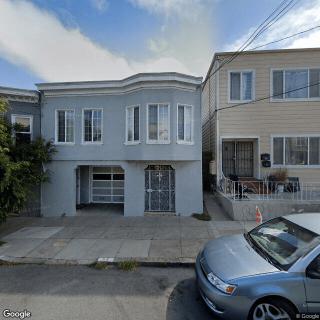
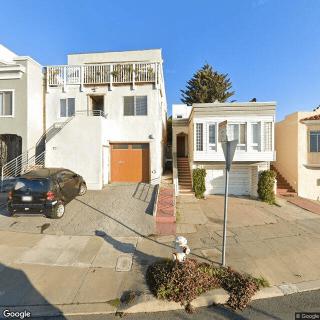

  • Lina's Guest Home

    Lina's Guest Home

    San Francisco, CA

     
    $1,820 / month

    pro Very affordable at $1,820/month, well below San Mateo County (~$4,281) and California (~$3,939) averages.

    Lina's Guest Home costs
    Lina's Guest Home images

  • Lina's Rest Home 2

    Lina's Rest Home 2

    San Francisco, CA


    pro Small, personalized care with 24-hour supervision and comprehensive services.

  • Paschal Group Inc

    Paschal Group Inc

    San Francisco, CA


    pro Strong access to nearby amenities and healthcare.

    Paschal Group Inc images

  • Lorne House - France Ave

    Lorne House - France Ave

    San Francisco, CA

    4 from 1 review
     

    pro Prime location with easy access to amenities and three levels of care.

    Lorne House - France Ave reviews

  • Lorne House II

    Lorne House II

    San Francisco, CA


    pro Excellent proximity to dining, parks, healthcare, worship, and entertainment.

    Lorne House II images

  • Portola Gardens

    Portola Gardens

    San Francisco, CA

    3.9 from 27 reviews
    $3,450 to $6,500 / month

    pro Friendly, attentive staff; engaging activities and pleasant outdoor spaces; good family communication and care.

    Portola Gardens costs
    Portola Gardens reviews
    Portola Gardens images

  • Araville Residential Care Home

    Araville Residential Care Home

    San Francisco, CA

    2 from 1 review
    $4,000 to $5,000 / month

    pro Small six-bed home with multiple care levels, fostering a close-knit, communal environment.

    Araville Residential Care Home costs
    Araville Residential Care Home reviews
    Araville Residential Care Home images

  • Arden Wood

    Arden Wood

    San Francisco, CA

    4.4 from 12 reviews
    $5,300 / month

    pro Integrated care options (Independent Living and Memory Care) with medication management and devotional services.

    Arden Wood costs
    Arden Wood reviews
    Arden Wood images

Related Resources

  • does medicare cover home health careNavigating Medicare Coverage for In-Home Care Services

    Medicare covers in-home health care services, which are medical and provided by licensed professionals under a physician's supervision, whereas non-medical personal assistance is generally not covered unless part of a broader skilled care plan. Eligibility for benefits depends on being homebound and needing intermittent skilled services from a Medicare-certified agency, with specific coverage limitations and additional resources available for navigating options.

  • how much does private home care cost per hourIn-Home Care Costs in 2025: A Detailed State-by-State Exploration
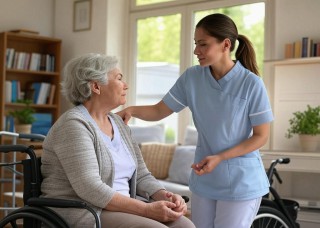
    In-home care is increasingly sought after by older adults for maintaining independence, with average private home care rates in 2025 varying by state and service type, reflecting geographical and local labor market influences. As demand rises, families are considering funding options like Medicaid waivers and long-term care insurance to manage costs effectively while ensuring quality care.

  • what is home health careUnderstanding Home Health Care: A Comprehensive Guide
    Home health care has become essential for supporting independence among the aging population, offering diverse services such as skilled nursing and rehabilitation in familiar environments, while also incorporating technology for personalized care. Despite its benefits, including improved recovery rates and emotional well-being, challenges like safety, staff availability, and insurance navigation must be managed for effective implementation.