Residents describe attentive follow-through with call-light needs.
Several residents and family members say staff were responsive when help was needed, including being attentive to call lights. One reviewer specifically contrasts the facility with places where call lights get ignored, and others mention nurses tending to needs quickly. The community also offers a 24-hour call system and 24-hour supervision, aligning with what residents emphasize about getting assistance when they ask.
common12 reviews mention this
Clean, well-kept environment
The facility’s cleanliness and organization come through repeatedly in reviews.
Many reviews describe a clean, fresh, and well-organized building and grounds, with visitors noting a maintained look during tours and stays. Families also mention the facility was clean and run efficiently, which matches residents’ comfort in the space. While one or two reviewers raise room or food-related concerns, cleanliness remains a consistent theme across positive experiences.
common10 reviews mention this
Staff and therapy help residents heal
Residents and families credit the therapy team for meaningful improvement.
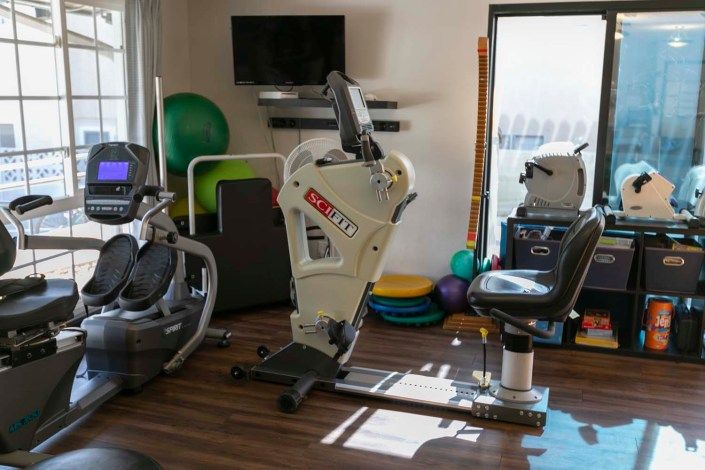
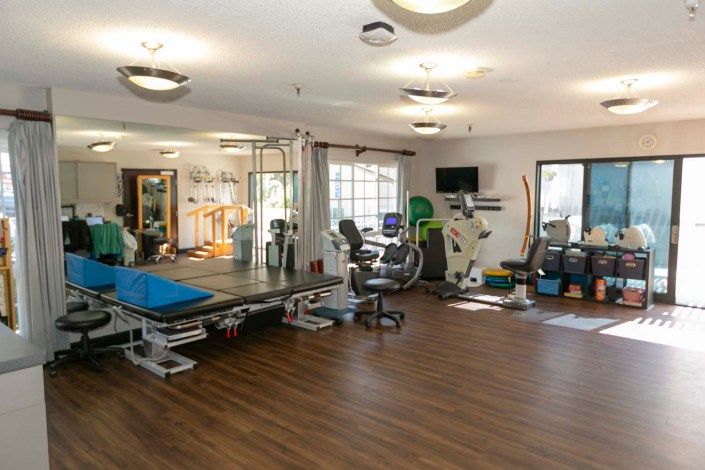
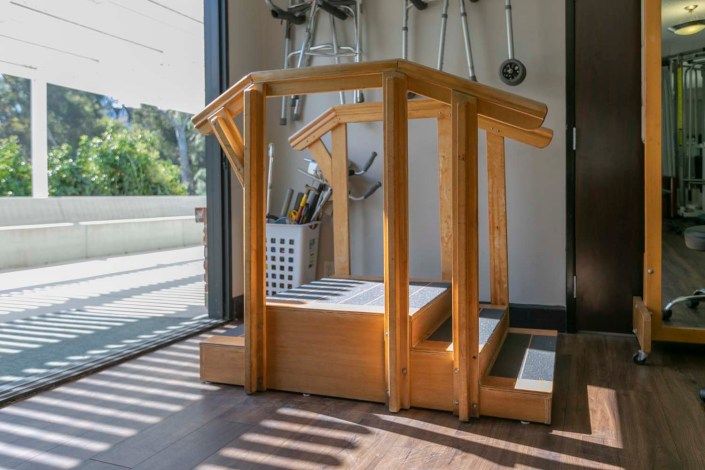
A number of reviewers describe rehab progress, often tying it to the therapy department and the willingness of staff to help patients work toward mobility and daily routines. Families mention physical therapy and occupational therapy supporting recovery after hospitalization, falls, and other injuries, with some describing their loved ones becoming stronger and more independent. Reviews also highlight the overall dedication residents felt from nurses and therapy staff during recovery.
caveat5 reviews mention this
Food quality is mixed
Food quality is a frequent point of disappointment.
Multiple reviews criticize the food, describing it as not good, not hot enough, or outright disappointing. Others mention that meals supported care needs, including diabetes-related diets and special dietary restrictions, and at least one reviewer says meals were balanced and nutritious. Even with diet needs addressed, residents still report that the day-to-day experience of the meals is not consistently satisfying.
How we summarize
Counts show how many written reviews mention each theme; a review can touch several themes, and only frequently mentioned themes are displayed.
Features
Housing
75 resident community capacity
Types of Care
Skilled Nursing Facility
Amenities
Air-conditioning
Beauty salon
Cable or satellite TV
Computer center
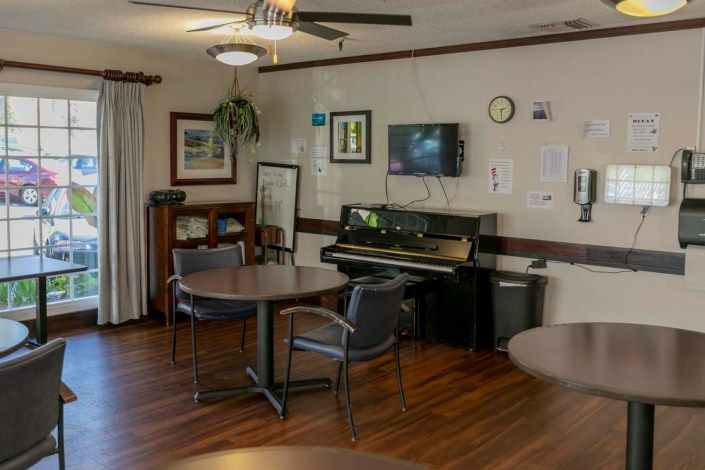
Dining room
Fitness room
Fully furnished
Gaming room
Garden
Housekeeping services
Kitchenette
Move-in coordination
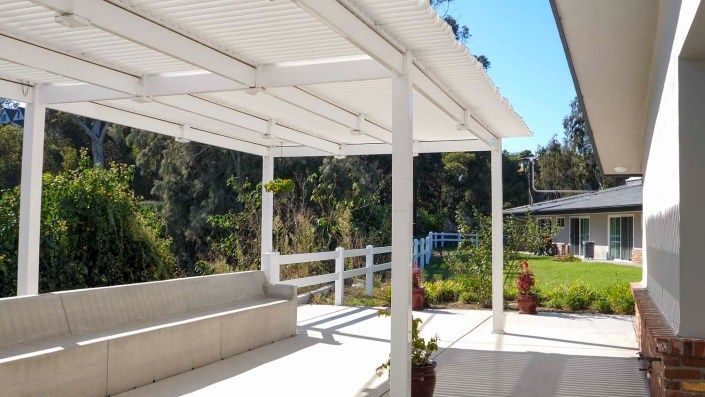
Outdoor space
Private bathrooms
Restaurant-style dining
Small library
Telephone
Wellness center
Wi-Fi/high-speed internet available
Transportation
San Diego International-Lindbergh (1 miles away)
Community operated transportation
Transportation arrangement
Transportation arrangement (non-medical)
Transportation to doctors appointments
Care Services
12-16 hour nursing
24-hour call system
24-hour supervision
Activities of daily living assistance
Assistance with bathing
Assistance with dressing
Assistance with transfers
Diabetes diet
Meal preparation and service
Medication management
Mental wellness program
Special dietary restrictions
Transportation to doctors appointments
Dining
Diabetes diet
Special dietary restrictions
Activities
Community-sponsored activities
Concierge services
Fitness programs
Planned day trips
Resident-run activities
Scheduled daily activities
Nearby Places of Interest
Pharmacies
Walgreens (0.6 miles)
CVS Pharmacy (0.7 miles)
Rite Aid (0.7 miles)
CVS Pharmacy (1.5 miles)
Rite Aid (1.7 miles)
CVS Pharmacy (2 miles)
Walgreens (2 miles)
Restaurants
Urban Mos Bar & Grill (0.6 miles)
Pure Project - Ba (1 miles)
Rich's (1.1 miles)
Ballast Point Tasting Room And Kitchen (1.2 miles)
Cafe Coyote (1.4 miles)
Barbusa (1.4 miles)
Nordstroms Cafe (1.6 miles)
Physicians
Internal Medicine Associates (0.7 miles)
San Diego Mental Health Services (2.5 miles)
Sharp Rees-Stealy San Diego Radiology (3.7 miles)
Transportation
Firefly Car Rental (0.7 miles)
Fashion Valley Trolley Station and Transit Center (1.5 miles)
San Diego International Airport (SAN) (1.7 miles)
Old Town Trolley Station and Transit Center (1.7 miles)
San Diego Santa Fe Depot (2 miles)
Terminal 2 (2 miles)
TSA Pre-Check (2.1 miles)
Hospitals
UC San Diego Medical Center (0.8 miles)
Naval Medical Center San Diego (2 miles)
Kearny Mesa Convalescent and Nursing Home (3.8 miles)
Rady Children's Hospital (3.9 miles)
Sharp Memorial Hospital (3.9 miles)
Rady's Children's Hospital San Diego Large Waiting Room, Frost Street, Entrance 8 (4 miles)
Parks
Balboa Park South Loop (1.6 miles)
Cal's Point (1.6 miles)
Waterfront Park (1.6 miles)
Balboa Park (1.6 miles)
Pantoja Park (2.2 miles)
NTC Park (2.5 miles)
Quartyard Dog Park (2.5 miles)
Theaters
AMC Fashion Valley 18 (1.6 miles)
AMC Mission Valley 2 (2.1 miles)
Cafes
Communal Coffee (1.9 miles)
Ghirardelli Ice Cream And Chocolate Shop (2.4 miles)
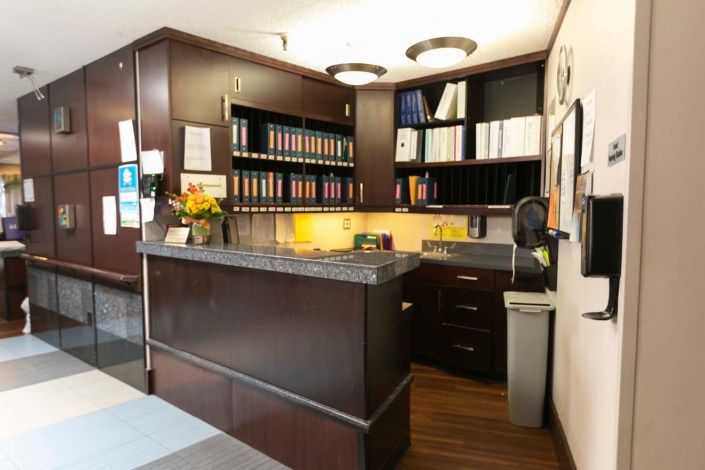
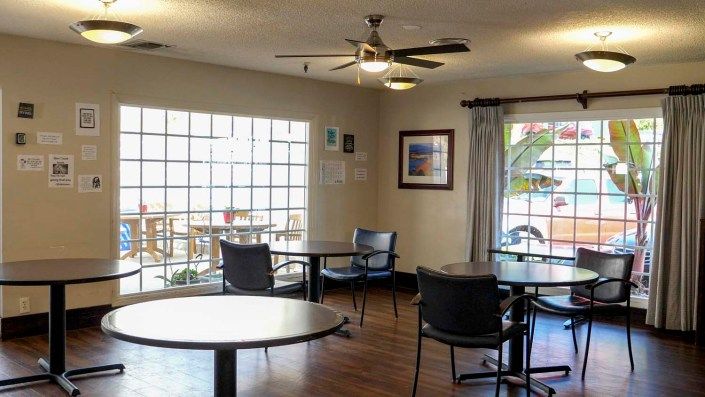
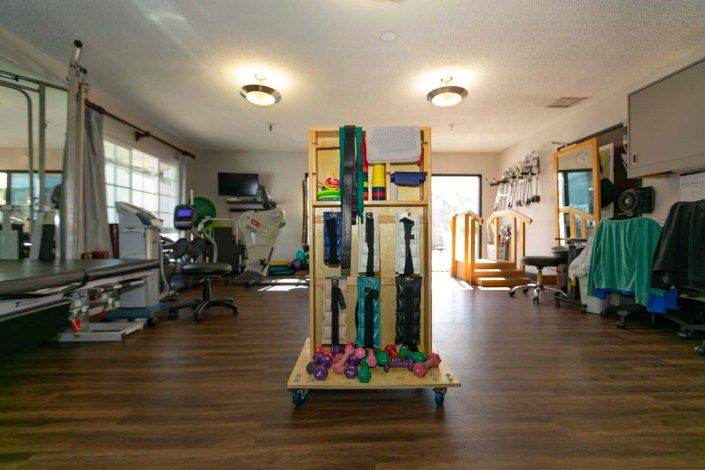
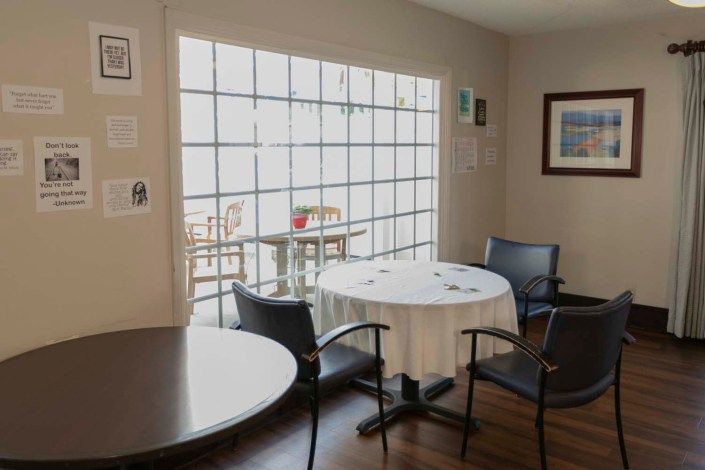
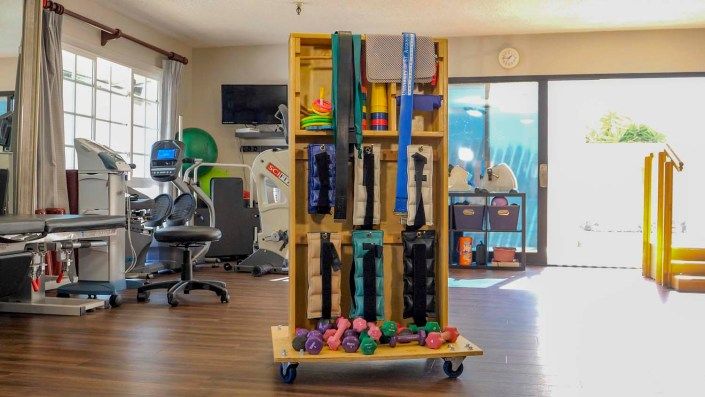
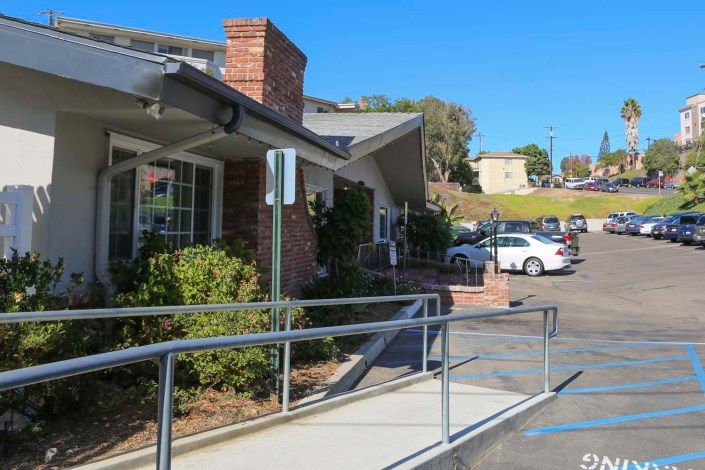
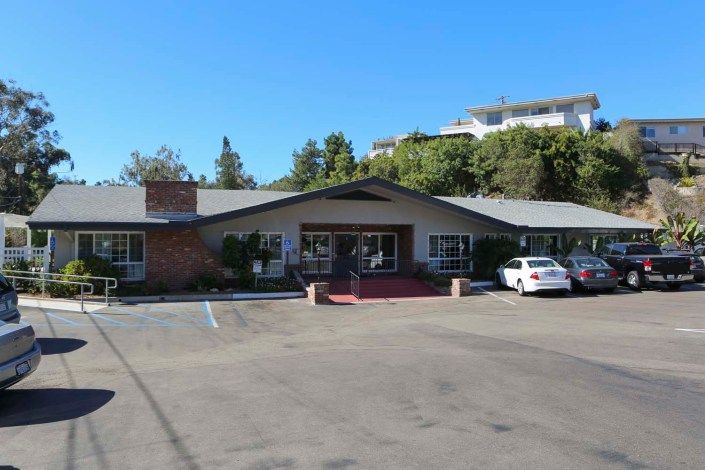
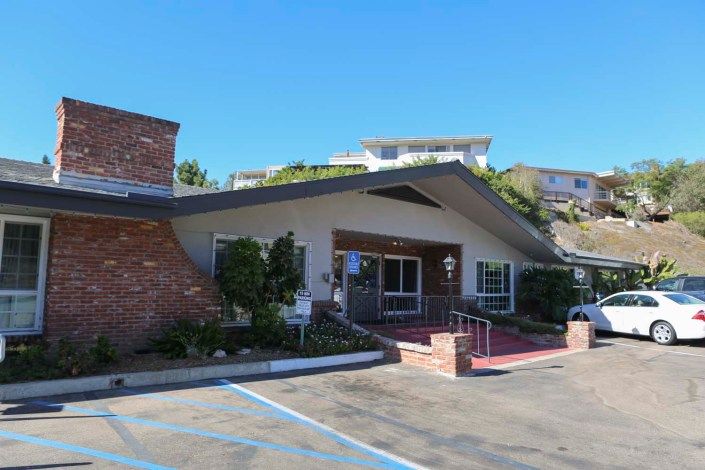
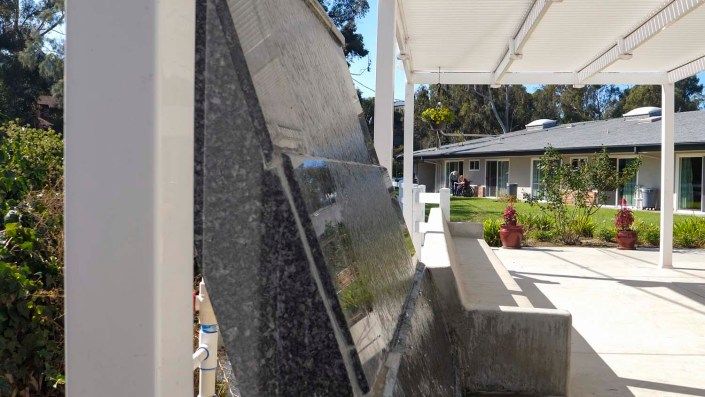
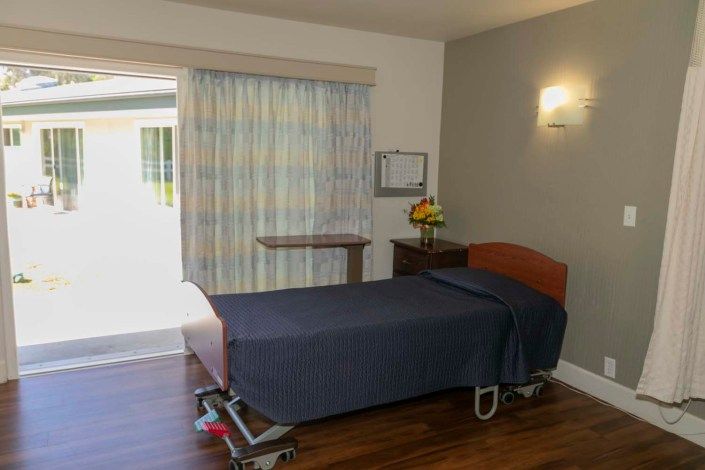
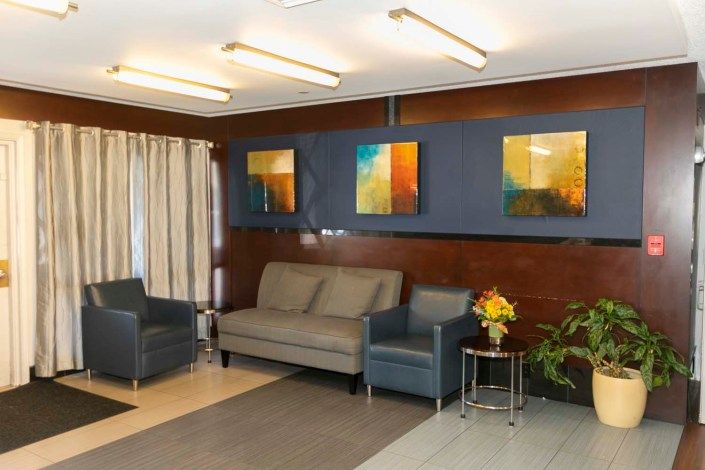
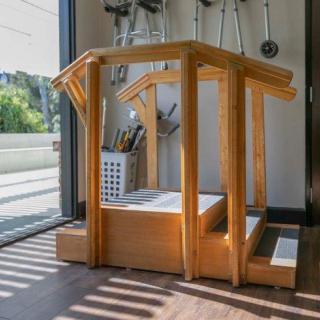
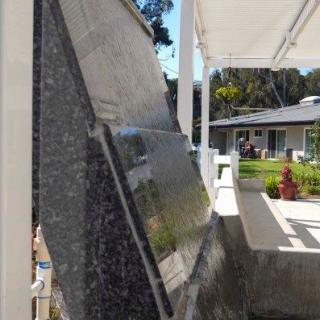
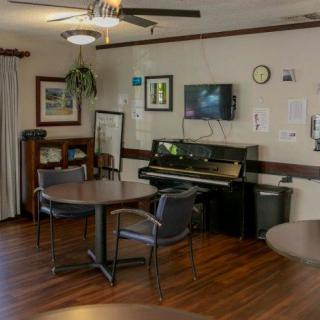
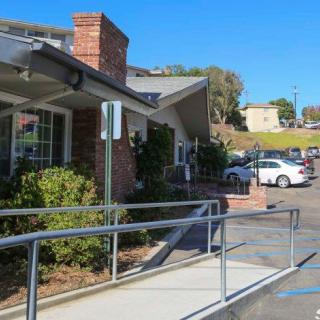
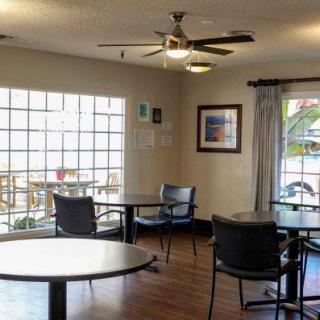
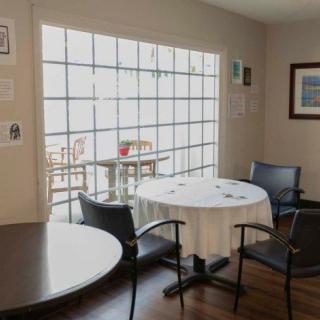
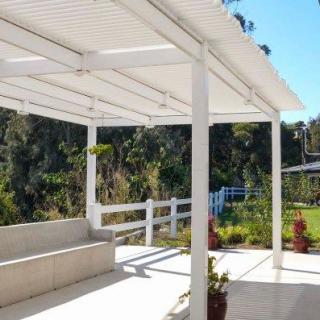
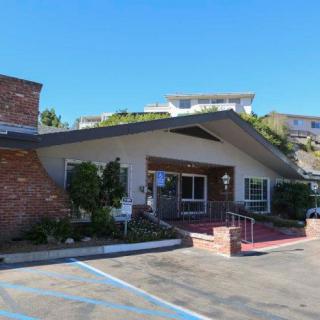
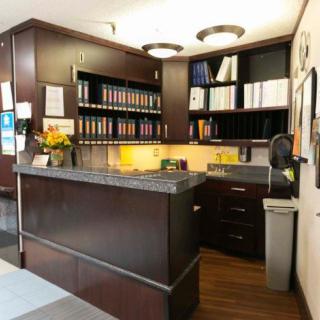
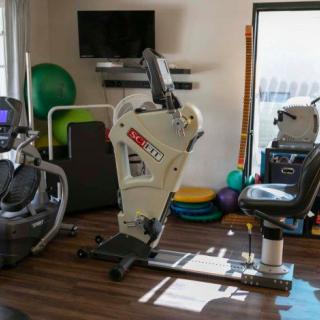
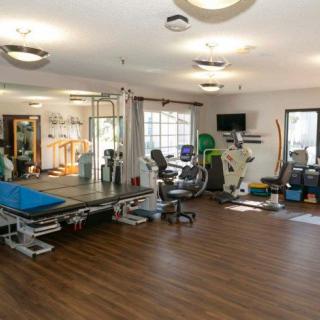
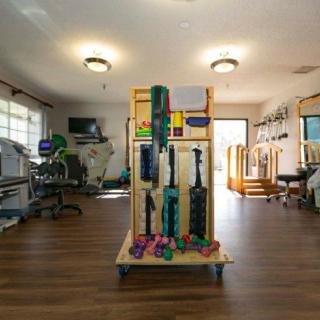
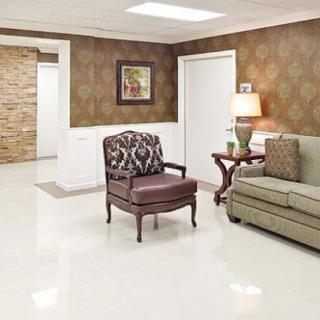
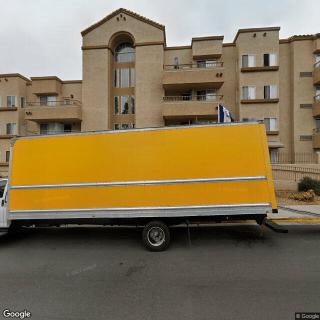
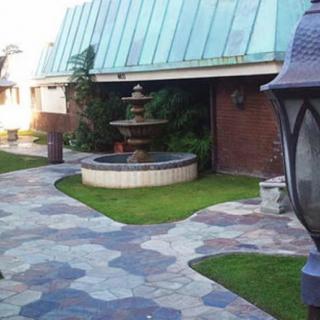
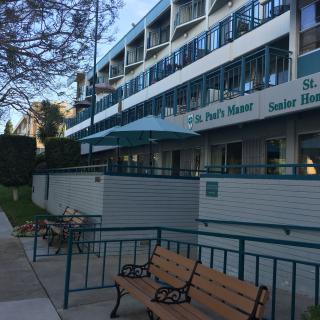
Mission Hills Post Acute Care on seniors.fyi includes 18 photos including images showing interior, exercise equipment, building, parking, windows, outdoors, trees, garden, and more.
Nearby Communities
Green Manor
San Diego, CA
4.3 from 11 reviews
Strong access to dining, parks, pharmacies, transport, and medical care.
Senior Helpers - San Diego, CA
San Diego, CA
4.6 from 17 reviews
Robust local amenities nearby (cafes, parks, dining, theaters, pharmacies, hospitals) and a personalized caregiver approach.
Santa Fe Villas
San Diego, CA
3.4 from 7 reviews
$1,195 to $1,450 / month
Budget-friendly 55+ housing with many nearby amenities.
Mission Hills Residential Care
San Diego, CA
Excellent access to parks, dining, pharmacies, and healthcare nearby.
Balboa Nursing & Rehabilitation Center
San Diego, CA
4.4 from 125 reviews
Caring staff in a clean facility with good meals and activities.
Villa Pacifica
San Diego, CA
4.6 from 8 reviews
$1,040 to $3,750 / month
Mission Hills Health Care
San Diego, CA
3 from 1 review
Excellent nursing care and attentive staff
St. Paul's Manor
San Diego, CA
4.6 from 15 reviews
$1,554 to $2,174 / month
Long-tenured staff, great location, and relatively affordable pricing.
Visiting Angels
San Diego, CA
4.9 from 92 reviews
Professional, prompt caregiver placement with flexible scheduling and trusted care.
Skilled nursing facilities (SNFs) provide high-level medical care and rehabilitation for short-term recovery, typically covered by Medicare after hospitalization, while nursing homes focus on ongoing custodial care for chronic conditions, mainly funded by Medicaid or private payments. The staffing and regulatory structures differ significantly between the two, necessitating clarity for families in choosing appropriate long-term care options.
Nursing home care costs in the U.S. vary significantly based on location, level of care, and amenities, with private room prices ranging from approximately $6,700 to over $30,000 monthly. Families need to explore various payment options and conduct thorough research to manage these expenses effectively.
Nonmedical home care provides assistance with daily activities and companionship for individuals wishing to maintain independence and quality of life at home, without medical intervention. Its growing popularity is driven by an aging population, the need for supportive environments for recovery, and the emotional benefits of caregiver companionship, while costs vary based on service frequency and location.
Get PricingAsk A QuestionSchedule A TourContact Senior Advisor
By clicking submit, you agree to our Partner's Terms of Use. You
also consent to receive calls and texts, which may be autodialed, from our Partner. Your consent is not a condition to
using our Partner's service. Please visit our Partner's Privacy Policy for information about their privacy practices.


 75 resident community capacity
 Skilled Nursing Facility
 Air-conditioning
 Beauty salon
 Cable or satellite TV
 Computer center
 Dining room
 Fitness room
 Fully furnished
 Gaming room
 Garden
 Housekeeping services
 Kitchenette
 Move-in coordination
 Outdoor space
 Private bathrooms
 Restaurant-style dining
 Small library
 Telephone
 Wellness center
 Wi-Fi/high-speed internet available
 San Diego International-Lindbergh (1 miles away)
 Community operated transportation
 12-16 hour nursing
 24-hour call system
 Activities of daily living assistance
 Assistance with bathing
 Assistance with dressing
 Assistance with transfers
 Diabetes diet
 Medication management
 Mental wellness program
 Special dietary restrictions
 Concierge services
 Planned day trips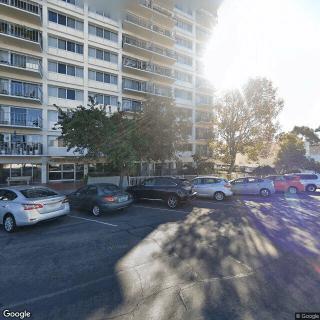
 Strong access to dining, parks, pharmacies, transport, and medical care.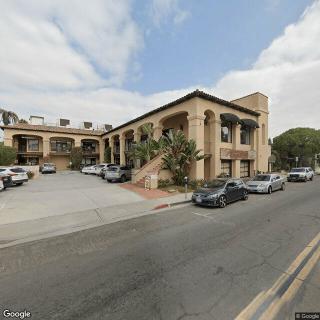
 Skilled Nursing Facilities vs. Nursing Homes: Making Sense of the Differences
 A Detailed Examination of Nursing Home Costs Across the U.S.
 Exploring Nonmedical Home Care: Understanding Services, Costs, and Financial Approaches